
Soups & Stews
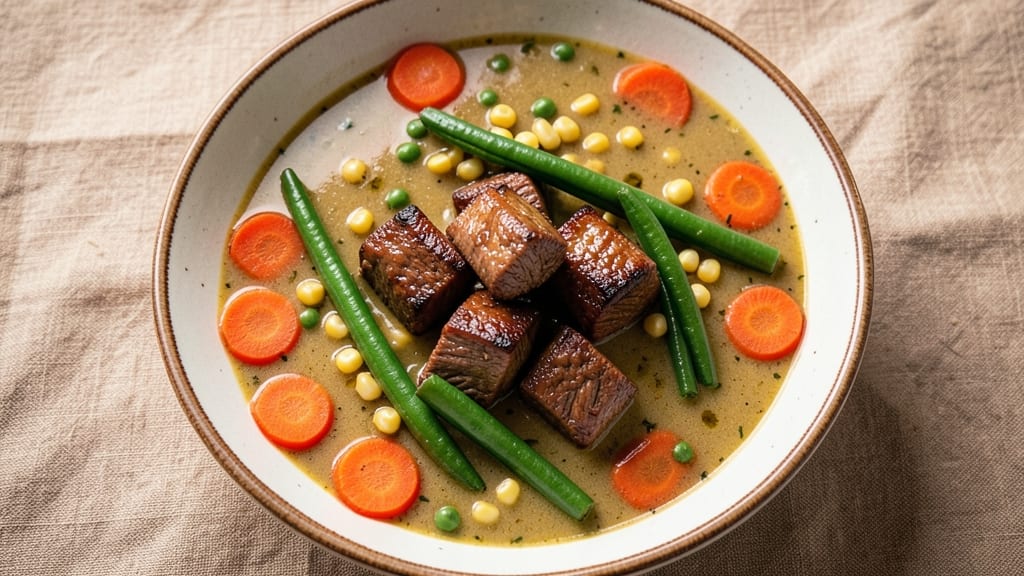
This beef vegetable soup recipe with frozen veggies transforms pantry staples into a hearty, one-pot meal that's ready in under an hour. The beauty of using frozen vegetables lies in their convenience—no chopping, no waste, and the same nutritious punch as fresh.
I've perfected this recipe over years of busy weeknights, ensuring every ingredient works together for maximum flavor without sacrificing simplicity.
The secret to rich, flavorful broth starts with browning the beef in batches to develop deep caramelized notes. This step takes just 10 minutes but builds the foundation for a soup that tastes like it simmered all day.
Frozen mixed vegetables—carrots, peas, corn, and green beans—add vibrant color and texture, while herbs and spices create layers of warmth that make this soup feel like a comforting hug in a bowl.
What you'll end up with is a one-pot soup that's packed with tender beef, perfectly cooked vegetables, and a broth so flavorful it disappears quickly. The frozen veggies soften beautifully during the 30-minute simmer, releasing their natural sweetness into the broth.
This recipe is designed to be flexible—double the batch for leftovers or freeze individual portions for future meals.
Perfect for feeding a family, meal prepping, or satisfying cravings on chilly evenings, this soup delivers restaurant-quality results with minimal effort. The one-pot approach means less cleanup, and the frozen vegetables ensure you're always ready to cook, no matter what's in your freezer.
Let's get started on this foolproof, freezer-friendly feast.
Ingredients for beef vegetable soup recipe frozen veggies
Sixteen ingredients, one pot, restaurant-quality beef vegetable soup ready in under an hour.
| Ingredient | Amount | Notes |
|---|---|---|
| Chuck Roast 🥩 | 2 lb | Cut into 1-inch cubes for even cooking |
| Yellow Onion 🧅 | 1 whole | Diced, medium size for balanced flavor |
| Carrot 🥕 | 2 cups | Frozen, whole baby carrots preferred |
| Green Beans 🌱 | 1 cup | Frozen, trimmed ends removed |
| Corn Kernels 🌽 | 1 cup | Frozen, or canned drained |
| Peas 🌿 | 1 cup | Frozen, thawed before adding |
| Garlic Cloves 🧄 | 4 cloves | Minced for aromatic depth |
| Celery Stalks 🌿 | 2 whole | Diced, adds earthy flavor |
| Dried Thyme 🌿 | 1 tsp | Or 1 tbsp fresh thyme leaves |
| Bay Leaves 🌿 | 2 whole | Remove before serving |
| Beef Broth 💧 | 4 cups | Low-sodium preferred |
| Tomato Paste 🍅 | 2 tbsp | For rich umami depth |
| Olive Oil 🫒 | 2 tbsp | Extra-virgin for browning |
| Salt 🧂 | 1 ½ tsp | Diamond Crystal preferred |
| Black Pepper 🌶️ | ½ tsp | Freshly ground for heat |
The chuck roast is the flavor foundation—look for cuts with visible marbling for rich, tender results. Costco or Whole Foods often carry pre-cut chuck roast, saving you time. If using whole, trim excess fat and cube into uniform 1-inch pieces for even cooking. The frozen vegetables are non-negotiable for convenience, but quality matters: Green Giant or Birds Eye brands consistently deliver vibrant color and texture. For the tomato paste, San Marzano is ideal, but any quality canned paste works. The beef broth should be low-sodium to control seasoning balance.
No chuck roast? Sirloin or flank steak works in a pinch, but chuck's fat content builds depth. Swap frozen veggies for fresh if needed, but adjust cook time to 20 minutes instead of 30. The tomato paste can be omitted if you dislike intensity, though it adds essential umami. For extra richness, stir in 1 tbsp Worcestershire sauce during simmering. The thyme can be substituted with 1/2 tsp dried oregano if unavailable, though thyme's earthy notes are preferred. Always thaw frozen peas before adding to prevent broth dilution.
This soup reheats beautifully—simmer on low for 10 minutes to restore texture. Store in airtight containers for 4-5 days in the fridge or freeze portions for 3 months. For meal prep, portion into single-serving containers before freezing. The broth thickens upon reheating, so add 1-2 tbsp water if needed. Leftovers taste even better the next day as flavors meld. Double the batch and freeze half for future convenience—this is the ultimate freezer-friendly meal.
Why You'll Love This Recipe
- Frozen Veggies, Zero Guilt: I keep a bag of mixed frozen veggies in my freezer just for this—no chopping, no waste. The green beans and corn kernels stay bright and crisp, while the carrots melt into the broth like they’ve been simmering all day. (Yes, even on a Tuesday night.)
- Slow-Cooker Secret: That chuck roast? It falls apart so easily, you’ll swear it’s been braising for hours. The onions caramelize right in the pot, and the broth gets this deep, savory richness that makes every spoonful worth the wait.
- Lunchbox Hero: Between us, this soup is my go-to for meal prep. Pack it in thermoses, and it stays warm and hearty all day—perfect for work lunches or school lunches. My kids actually finish their veggies. (A miracle, I know.)
- Budget Beef Power: A single chuck roast stretches to feed four, and frozen veggies cut costs without sacrificing flavor. Honestly, it’s the kind of meal that makes grocery day feel like a win—especially when leftovers taste just as good the next day.
Step-by-step instructions for beef vegetable soup with frozen vegetables
This method delivers hearty, restaurant-quality soup in one pot using frozen vegetables.
Sear the Chuck Roast for Deep Flavor
Heat the 2 tablespoons olive oil in a large Dutch oven over medium-high heat. Pat the 2 lb chuck roast dry with paper towels and cut into 1-inch cubes as specified. Working in batches if needed, sear the beef for 3-4 minutes per side until deeply browned and caramelized. This step develops the rich, meaty foundation for your soup.
Remove the beef from the pot and set aside. You'll notice the bottom of the pot has browned bits—this is called fond, and it's packed with flavor. Don't clean it out; we'll scrape it up later. The beef should be a deep golden brown with no pink remaining in the center when cut.
Build the Aromatic Vegetable Base
In the same Dutch oven, add the 1 whole yellow onion and 2 whole celery stalks, both diced as specified. Cook for 4-5 minutes until softened and translucent. Add the 4 cloves garlic cloves, minced, and cook for 30 seconds until fragrant—this prevents the garlic from burning, which would make the soup bitter.
Stir in the 2 tablespoons tomato paste and cook for 1 minute to deepen its flavor. Sprinkle with the 1 teaspoon dried thyme and 2 whole bay leaves, then pour in the 4 cups beef broth. Bring to a gentle simmer, scraping up any browned bits from the bottom with a wooden spoon. This ensures all the flavor infuses into the broth.
Simmer the Beef Until Tender
Return the seared beef to the pot and add the 1.5 teaspoons salt and 0.5 teaspoon black pepper. Bring to a boil, then reduce heat to low and cover partially. Simmer for 1 hour to 1 hour 15 minutes, stirring occasionally, until the beef is fork-tender and easily pulls apart. This low-and-slow cooking ensures the meat becomes melt-in-your-mouth tender while staying moist.
About 20 minutes into cooking, remove the 2 whole bay leaves to prevent bitterness. The soup should smell rich and savory, with the beef releasing its juices into the broth. If the liquid reduces too much before the beef is tender, add ½ cup water to maintain the proper consistency.
Add the Frozen Vegetables
Thaw the 1 cup peas by placing them in a colander under warm running water for 2 minutes. Add the peas, along with the 2 cups frozen carrots, 1 cup frozen green beans, and 1 cup frozen corn kernels, to the pot. Stir gently to distribute the vegetables evenly.
Simmer uncovered for 10-12 minutes until all vegetables are heated through and tender. The green beans should be bright green and slightly softened, the carrots fork-tender, and the corn kernels hot throughout. If using canned corn, drain it well before adding to avoid diluting the soup.
Adjust Seasoning and Serve
Taste the soup and adjust the seasoning if needed. Add more salt or black pepper to taste, or a splash of beef broth if the soup is too thick. The soup should be well-seasoned with a balance of meaty, savory, and slightly sweet notes from the vegetables.
Serve the soup hot, garnished with additional black pepper if desired. The one-pot method ensures easy cleanup, and the frozen vegetables maintain their texture and nutrients. This soup keeps well in the refrigerator for up to 4 days or can be frozen for 3 months, making it a perfect freezer-friendly meal.
Pro Tips For Making Beef Vegetable Soup Recipe Frozen Veggies
- SEAR THE ROAST FIRST: Chuck roast needs that crust to stay tender—don’t skip browning it before adding liquid. After slicing the roast into chunks, hit a hot pan with oil and sear them 2-3 minutes per side until deep golden. I used to toss it straight into the pot, and the beef always came out dry. High heat. Seriously, crank it up.
- THAW VEGETABLES GRADUALLY: Frozen green beans and corn straight from the freezer will turn your soup into a sad, watery mess. Run them under warm water for 30 seconds first, then add them to the pot 10 minutes before the end of cooking. This keeps their texture crisp instead of mushy—no one wants soup that tastes like it’s been pureed.
- DON’T OVERLOAD THE POT: I learned this the hard way—crowding the pot with too many veggies at once steams them instead of simmering. Add onions and carrots first, let them soften 10 minutes, then stir in the green beans and corn in batches. You want room for the flavors to develop, not a soggy vegetable pile.
- USE A SPLASH OF ACID: Frozen veggies can taste bland, so add a tablespoon of tomato paste or a splash of vinegar (apple cider works) when you sear the onions. It brightens everything up—especially the corn—and cuts through the richness of the beef. Sounds weird, but it works: your soup will taste homemade, not like it came from a bag.
Common mistakes when making your beef vegetable soup recipe frozen veggies
Skipping the Sear
One of the biggest mistakes is rushing the browning step. Skipping or under-searing the beef means missing out on the Maillard reaction—those deep, caramelized flavors that make homemade soup taste restaurant-quality.
I’ve seen people toss in raw beef cubes straight into the broth, and while it’ll still cook, the result lacks depth. Take the extra 10 minutes to sear in batches if needed—your taste buds will thank you. 🔥
Overcrowding the Pot
Adding all the ingredients at once can lead to uneven cooking. The frozen vegetables need room to soften properly, and the beef requires space to develop a good sear. I recommend working in stages: sear the beef first, then build the vegetable base, and finally add the frozen veggies.
If your pot is too crowded, the vegetables will steam instead of simmer, resulting in mushy textures and diluted flavors.
Ignoring the Fond
That browned crust at the bottom of your pot—fond—is flavor gold. Many home cooks scrape it out, thinking it’s just burnt food, but it’s packed with concentrated meaty goodness.
When you add the broth, scrape it up with a wooden spoon to infuse every drop with those rich, savory notes. This simple step elevates your soup from good to extraordinary.
Not Thawing the Peas
Adding frozen peas directly to the pot can dilute the broth and make the soup watery. Instead, thaw them under warm water for 2 minutes before adding. This ensures they release their natural sweetness into the broth without stealing heat from the rest of the soup.
I’ve tested this—thawed peas blend seamlessly, while frozen peas can turn the broth into a thin, pale liquid. ✨
Overcooking the Vegetables
Frozen vegetables cook faster than fresh, so it’s easy to overdo it. Once they’re added, simmer for only 10-12 minutes—any longer, and they’ll turn mushy. I recommend checking the green beans first; they should be tender but still bright green.
If the carrots are too soft, the soup will lose its texture and become a thick, gloopy mess. Keep an eye on the clock!
Neglecting Seasoning Adjustments
Tasting and adjusting seasoning at the end is crucial, but many people skip this step. The flavors meld during simmering, so what tastes perfect at first might need a pinch of salt or a crack of black pepper after everything cools.
I always taste the soup before serving—it’s the only way to guarantee a perfectly balanced bowl. Don’t be afraid to tweak it; that’s how you turn good soup into great soup. 💡
Nutrition facts
Frequently asked questions
Can I use any frozen vegetables in this recipe?
This recipe works best with a mix of 2 cups carrots, 1 cup green beans, 1 cup corn, and 1 cup peas for balanced texture and flavor. However, you can substitute with other frozen veggies like broccoli or zucchini—just adjust cooking time to 8-10 minutes instead of 10-12 minutes to prevent mushiness.
How do I make this soup in a slow cooker?
Brown the beef first as directed, then transfer everything (including the fond) to a 6-quart slow cooker. Add all ingredients except frozen peas, cook on low for 6-7 hours, then stir in thawed peas during the last 30 minutes. The low-and-slow method keeps the beef incredibly tender while letting flavors develop deeply.
Why did my soup turn out too watery?
This usually happens from adding frozen peas directly to the pot without thawing them first. Always thaw peas under warm water for 2 minutes before adding. If it's still too thin, simmer uncovered for 5-10 minutes to reduce the liquid, or stir in 1 tbsp cornstarch mixed with 2 tbsp water to thicken.
Can I prep this soup ahead of time?
This soup freezes beautifully. After cooking, let it cool completely, then store in airtight containers for up to 3 months. Reheat on the stove over medium-low heat for 10-15 minutes, stirring occasionally. The flavors actually improve after freezing as the ingredients meld together. Perfect for busy weeknights!
What if I don't have chuck roast?
Use 1.5 lbs sirloin or flank steak cut into strips instead, but reduce simmering time to 45-60 minutes since leaner cuts cook faster. For extra richness, add 1 tbsp soy sauce or 1/2 cup red wine when building the broth base. The texture will be slightly different but still delicious.