
Soups & Stews
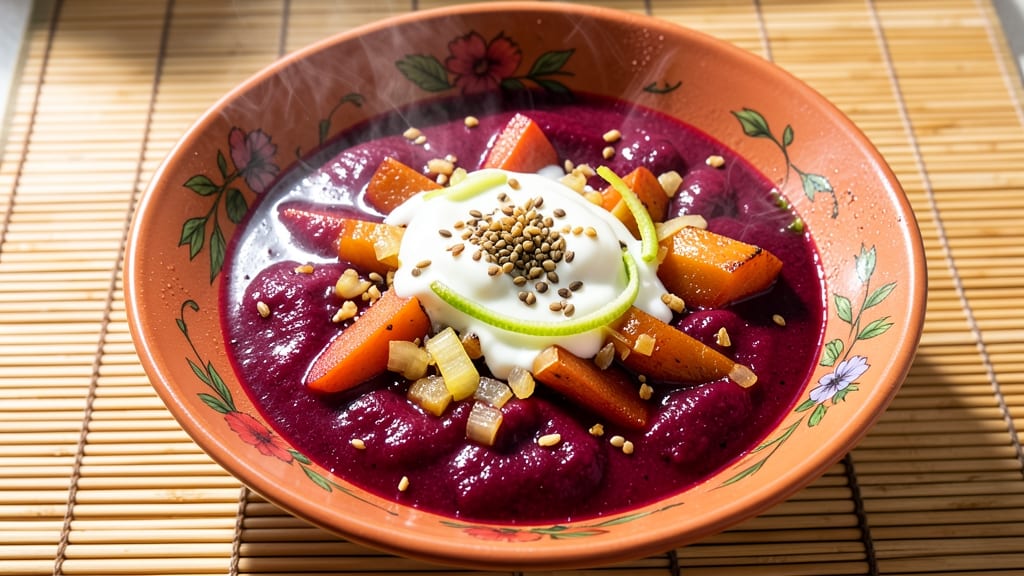
This beetroot carrot Indian soup transforms humble vegetables into a silky, spiced masterpiece that balances earthy sweetness with aromatic warmth. The secret lies in traditional tadka—a fragrant tempering of cumin, mustard seeds, and turmeric—that infuses every spoonful with depth.
I developed this recipe after years of experimenting with Indian soups, and it consistently delivers restaurant-quality results in just 45 minutes of active time.
The beauty of this dish is its flavor harmony: the natural sweetness of beets and carrots pairs perfectly with the tangy kick of lemon and the earthy warmth of garam masala.
Unlike many Indian soups, this version stays creamy without dairy, thanks to a clever blend of coconut milk and yogurt that adds richness while keeping it light. The pressure cooker method ensures tender vegetables and concentrated flavors, making it ideal for busy weeknights.
What you'll end up with is a velvety soup with vibrant color and complex layers—sweet, savory, and subtly spicy. The garnish of fresh cilantro and a drizzle of lemon brightens each bowl, while the optional yogurt swirl adds cooling contrast.
This soup is equally satisfying as a standalone meal or served with warm roti or naan, making it perfect for lunch or dinner.
The best part? This recipe scales effortlessly—double it for leftovers or host a crowd. The spices can be adjusted to taste, and you can even make it ahead and reheat gently to preserve its velvety texture.
Let's create this comforting, flavorful soup that brings a taste of India to your kitchen.
Ingredients for beetroot carrot soup indian
These vibrant ingredients come together for a velvety Indian soup that's sweet, spicy, and deeply aromatic.
| Ingredient | Amount | Notes |
|---|---|---|
| Beetroots 🍠 | 1 ½ lb | Medium-sized, peeled and chopped |
| Carrots 🥕 | 1 ½ lb | Medium-sized, peeled and chopped |
| Yellow Onion 🧅 | 1 whole | Medium-sized, finely chopped |
| Fresh Ginger 🌿 | 1 tbsp | Grated, fresh preferred |
| Garlic Cloves 🧄 | 4 cloves | Peeled, minced |
| Coconut Milk 🥥 | 1 can | Full-fat, 13.5 oz can |
| Plain Yogurt 🍶 | ½ cup | Unflavored, full-fat preferred |
| Vegetable Stock 💧 | 2 cups | Homemade or low-sodium |
| Lemon Juice 🍋 | 2 tbsp | Freshly squeezed |
| Garam Masala 🌶️ | 1 tsp | Ground, store-bought blend |
| Ground Turmeric 🌿 | ½ tsp | Freshly ground preferred |
| Ground Cumin 🌶️ | ½ tsp | Toasted for deeper flavor |
| Mustard Seeds 🌱 | ½ tsp | Whole, yellow preferred |
| Fresh Cilantro 🌿 | ¼ cup | Chopped, for garnish |
| Olive Oil 🫒 | 2 tbsp | Extra-virgin for richness |
The beets and carrots are the soul of this soup—organic varieties from the farmers market have the most vibrant color and sweetness. I always grab the red beets at Whole Foods since they're less likely to be waxed. For the carrots, the orange ones add natural sweetness, but purple carrots give a fun color twist. The yellow onion? Sweet Vidalias are perfect, but any yellow or red onion works. Fresh ginger and garlic are non-negotiable here—Penzeys Spices sells great quality if you can't get fresh. Toast your cumin seeds for 30 seconds in a dry pan before grinding to wake up their flavor—trust me on this.
No fresh ginger? Powdered ginger at half the amount works in a pinch, but it lacks the zing. Short on coconut milk? Cashew cream (blend soaked cashews with water) gives a similar richness. The yogurt adds tang—Greek yogurt works better than regular if you're watching carbs. For garam masala, MDH or Everest brands are widely available and reliable. The lemon juice can be swapped for lime, but lemon's brightness cuts through the richness perfectly. Want more heat? Add a pinch of cayenne or red pepper flakes to the tadka.
This soup tastes even better the next day as flavors meld. Store in an airtight container for up to 5 days in the fridge. For freezing, portion into containers and leave room at the top—it expands slightly. Reheat gently on the stove or microwave until just warmed through. The garnish of fresh cilantro and a drizzle of olive oil brightens every bowl. I always make extra—it reheats beautifully for quick lunches all week.
Why You'll Love This Recipe
- No-Fuss Blend: I swear by this one—just toss everything into the pot raw, no peeling required (seriously, the skins add texture). The immersion blender turns it into velvety magic in minutes, no straining or extra bowls.
- Earthy Warmth: That deep, caramelized sweetness from the beets and carrots? It’s like a hug in a bowl, especially when the ginger and garlic hit the stove—sharp, spicy, and just enough to make your taste buds wake up.
- Lunchbox Hero: Between us, this soup is my secret weapon for packed lunches. It reheats beautifully, keeps for days, and even tastes better the next day (yes, really). Add a swirl of yogurt or toasted cumin seeds, and you’ve got a meal that’s ready in a flash.
- Pantry Staple: Honestly, this recipe uses ingredients you’re probably already buying—no specialty items, no last-minute grocery runs. A few beets, some carrots, and the basics from your spice rack, and boom: a hearty, budget-friendly soup that feeds the whole family without breaking the bank.
Step-by-step instructions for beetroot carrot Indian soup
Here's how to create a velvety, spiced soup that's rich with Indian flavors and packed with vibrant vegetables.
Sauté Aromatics and Spices
Heat the 2 tablespoons olive oil in a large pot over medium heat. Add the 0.5 teaspoon mustard seeds and let them sizzle for 30 seconds until they begin to pop. This is where the magic starts—those tiny seeds will infuse the soup with nutty warmth.
Next, add the 1 whole yellow onion, 1 tablespoon fresh ginger, and 4 cloves garlic cloves. Sauté for 5-6 minutes until the onion turns translucent and the garlic becomes fragrant. You'll know it's ready when the raw garlic smell disappears and gives way to a sweet, mellow aroma. Be careful not to let the garlic burn—it should just be golden, not brown.
Cook the Vegetables Until Tender
Add the 1.5 pounds beetroots and 1.5 pounds carrots, both chopped into ½-inch pieces. Stir well to coat the vegetables in the aromatic oil. Pour in the 2 cups vegetable stock and bring the mixture to a gentle boil over high heat. Once boiling, reduce the heat to medium-low and let it simmer for 20-25 minutes.
You want the vegetables to soften completely but not fall apart. Test for doneness by piercing a beetroot piece with a fork—it should slide in easily without resistance. If the soup looks too thick, add ¼ cup water to help it reach the perfect velvety consistency. This is also the time to add the 0.5 teaspoon ground turmeric and 0.5 teaspoon ground cumin, stirring well to distribute the spices evenly.
Blend Until Silky Smooth
Once the vegetables are tender, carefully transfer the soup to a blender in batches. I like to blend half at a time to avoid overfilling the blender. Pulse until smooth, then blend continuously for 1-2 minutes until completely silky. If the soup is too thick after blending, thin it out with ¼ cup vegetable stock or water until it reaches a creamy, drinkable consistency.
Return the blended soup to the pot and stir in the 1 can coconut milk and 0.5 cup plain yogurt. Warm the soup over low heat for 3-4 minutes, stirring gently to combine. Avoid boiling—you want the coconut milk and yogurt to meld into the soup without curdling. The soup should be warm but not hot, with a luxurious, velvety texture.
Finish with Flavor and Garnish
Remove the pot from heat and stir in the 2 tablespoons lemon juice and 1 teaspoon garam masala. Taste and adjust the seasoning—you might need a pinch more salt or a splash of lemon juice to balance the flavors. The lemon brightens the earthy sweetness of the beets and carrots, while the garam masala adds that signature Indian warmth.
Ladle the soup into bowls and garnish with 0.25 cup fresh cilantro, chopped finely. The cilantro adds a fresh, herbal note that cuts through the richness of the coconut and yogurt. Serve immediately while warm, and enjoy the perfect balance of creamy, spiced, and tangy flavors in every spoonful.
Pro Tips For Making Beetroot Carrot Soup Indian
- PEEL BEETS AFTER COOKING: I learned this the hard way—peeling raw beetroot is a mess, but cooked skins slide off like a dream. Toss whole, unpeeled beets into boiling water for 20 minutes, then peel while still warm. The texture stays firmer, and you’ll save 10 minutes of scrubbing.
- SWEAT ONIONS UNTIL TRANSPARENT: Don’t rush the onion base—cook it in oil on medium-low until it’s golden and nearly dissolved, about 8-10 minutes. This builds flavor that cuts through the earthiness of beets and carrots. (Yes, even if you’re impatient like me.)
- GRATE GINGER FINE: Skip the mincer for this soup—use a microplane or the smallest holes on a box grater. Fresh ginger loses its bite when cooked, and fine grating ensures it melts into the soup without leaving chunks. Trust me, your taste buds will notice.
- BLEND IN STAGES: Start with half the liquid, blend until smooth, then add the rest. This prevents a watery, grainy mess—especially important with fibrous beets. If it’s too thick, thin with warm water; if too thin, simmer longer. No guesswork.
Regional styles of these flavors
North Indian Style
In North India, this soup often includes a tadka of mustard seeds, cumin, and asafoetida (hing) for that signature depth. I like to add a pinch of asafoetida when sautéing the onions—it adds an umami punch that’s hard to beat.
For extra richness, many recipes incorporate cream instead of yogurt, but I prefer the tanginess of yogurt for balance. Garnish with a sprinkle of kasuri methi (dried fenugreek leaves) for an authentic touch that’s common in Punjabi cuisine. 🌶️
South Indian Twist
South Indian versions often feature curry leaves and black pepper for a distinct flavor profile. I add 5-6 curry leaves when tempering the mustard seeds and a pinch of freshly cracked black pepper at the end.
The coconut milk is sometimes replaced with grated coconut for a lighter texture, and the soup is often finished with a squeeze of tamarind juice instead of lemon for a tangier kick. Serve with steamed rice or appam for a traditional pairing. 🌿
Kashmiri Variation
In Kashmir, this soup gets a saffron-infused touch for its royal heritage. I steep ¼ teaspoon saffron threads in 2 tablespoons warm milk for 10 minutes, then whisk it into the finished soup.
The dish also incorporates dried Kashmiri red chilies for a mild, smoky heat. Garnish with chopped mint leaves and a drizzle of rose water for an aromatic finish that’s uniquely Kashmiri. 💛
Gujarati Adaptation
Gujarati cuisine brings a sweet and sour dimension to this soup. I add 1 tablespoon jaggery (or brown sugar) when blending the vegetables and a splash of vinegar at the end for brightness.
The spices lean heavier on fenugreek seeds and green cardamom, and the soup is often finished with a swirl of khoya (reduced milk) for a thicker, creamier texture. Serve with bhakhri (millet flatbread) for a rustic touch. 🍯
Modern Fusion Approach
For a contemporary twist, I blend in roasted garlic and smoked paprika for depth, then finish with a chili oil drizzle and toasted pumpkin seeds. This fusion version keeps the traditional tadka but adds a smoky, slightly spicy note that appeals to modern palates.
It’s perfect for those who love bold flavors but still want that comforting Indian soul. 🔥
Nutrition facts
Frequently asked questions
Can I substitute regular carrots for purple carrots in this recipe?
While purple carrots add a stunning visual contrast, regular orange carrots work perfectly and provide the same natural sweetness. The recipe's flavor profile stays identical—just expect a more uniform color. If you want a fun twist, try mixing both for a vibrant, two-toned effect.
How do I prevent the soup from becoming too thick after blending?
Add ¼ cup vegetable stock or water gradually while blending, then adjust to your preferred consistency. For extra insurance, keep 2 tablespoons stock reserved before blending—this lets you thin it out if needed without over-diluting. The soup should coat the back of a spoon but still be easy to drink.
What's the best way to store leftovers?
Store in an airtight container in the fridge for up to 5 days, or freeze for 3 months. For reheating, warm gently on the stove over low heat—never microwave directly from frozen. Add a splash of water if it thickens upon reheating. The flavors actually deepen overnight!
Can I make this soup without coconut milk?
Yes! Replace the coconut milk with ½ cup cashew cream (blend soaked cashews with water) or ¼ cup Greek yogurt for a lighter version. For richness, add 2 tablespoons cream at the end. The texture will be slightly thinner but still delicious. The key is maintaining the yogurt for that signature tang.
Why does my soup taste bitter?
Bitterness usually comes from overcooked beets or too much turmeric. To fix it, stir in 1 extra tablespoon lemon juice and a pinch of sugar to balance. For prevention, reduce simmering time to 15 minutes and use ¼ tsp turmeric instead. Fresh ginger and garlic should always be cooked just until fragrant—not browned.