
Soups & Stews
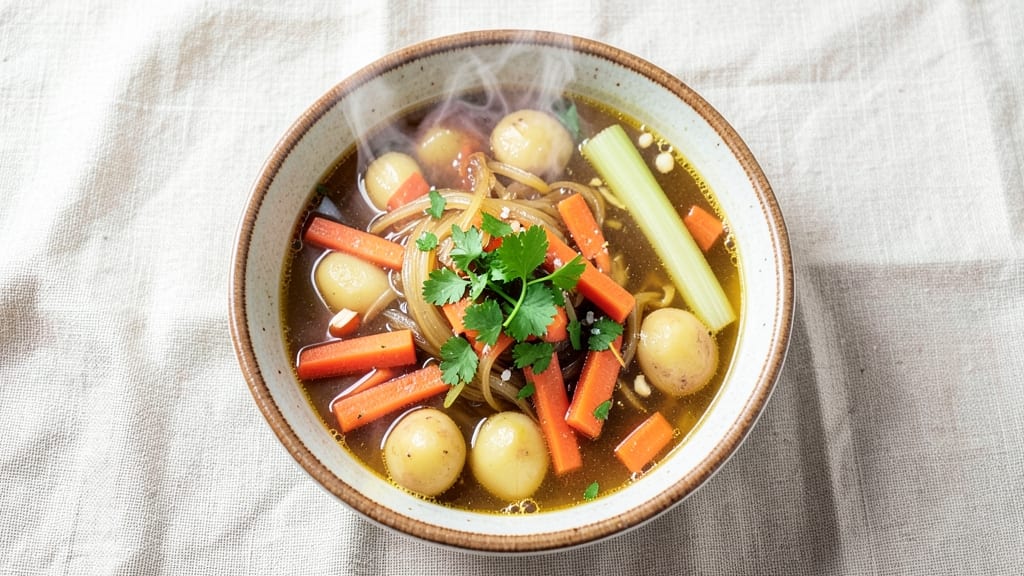
This best homemade vegetable soup recipe ever transforms simple ingredients into a deeply satisfying meal that beats any canned version. The secret lies in slow-cooked layers of flavor—caramelized onions, tender root vegetables, and aromatic herbs—that build complexity as they simmer.
Unlike store-bought soups, this one delivers hearty texture, vibrant colors, and a broth so rich it feels like a hug in a bowl.
What sets this recipe apart is the technique: starting with a deep onion base that develops sweetness, then adding vegetables in stages so each retains its ideal texture. A touch of acid (lemon juice or vinegar) brightens the flavors, while fresh herbs at the end add freshness without overpowering.
The result is a soup that's both comforting and refined—perfect for chilly days or meal prep.
With just 15 minutes of active prep and 45 minutes of hands-off simmering, this recipe delivers restaurant-quality results without the fuss. The broth is velvety, the vegetables tender-crisp, and every spoonful carries depth. Whether you're feeding a family or prepping for the week, this soup proves homemade is always better.
Customize it with your favorite vegetables or a splash of cream for extra richness. The beauty of this recipe is its flexibility—it adapts to what you have on hand while always delivering that satisfying, layered flavor. Let's get cooking!
Ingredients for best homemade vegetable soup recipe ever
Transform simple pantry staples into a restaurant-worthy vegetable soup bursting with caramelized sweetness and aromatic depth.
| Ingredient | Amount | Notes |
|---|---|---|
| Yellow Onions 🧅 | 2 whole | Thinly sliced, caramelized first |
| Carrots 🥕 | 4 medium | Peeled, cut into 1-inch pieces |
| Celery Stalks 🌿 | 4 whole | Trimmed, cut into 1-inch pieces |
| Russet Potatoes 🥔 | 2 lb | Peeled, cut into 1-inch cubes |
| Garlic Cloves 🧄 | 6 cloves | Minced, roasted for depth |
| Fresh Parsley 🌿 | ¼ cup | Chopped, for finishing |
| Fresh Thyme 🌿 | 1 tbsp | Leaves only, stems removed |
| Vegetable Broth 💧 | 6 cups | Low-sodium preferred |
| Extra-Virgin Olive Oil 🫒 | ¼ cup | For caramelizing onions |
| Lemon Juice 🍋 | 1 tbsp | Freshly squeezed |
| Salt 🧂 | 1 ½ tsp | Diamond Crystal preferred |
| Black Peppercorns 🌶️ | ½ tsp | Freshly cracked |
| Heavy Cream 🥛 | ½ cup | Optional for richness |
| Bay Leaves 🌿 | 2 whole | Removed before serving |
| Tomato Paste 🍅 | 2 tbsp | For depth of flavor |
The onion-carrot-celery trio is your flavor foundation—this is where the magic starts. Yellow onions should be sweet and slow-cooked until golden, while carrots and celery add natural sweetness and earthiness. Grab the organic bunch from Trader Joe's or your local farmers market for the freshest, most vibrant flavors. The russet potatoes are non-negotiable here—their starchy texture makes this soup hearty. For the garlic, roasting it first adds a nutty depth that takes this soup from good to extraordinary. Don't skip this step—trust me on the flavor boost!
No fresh herbs? Dried thyme at half the amount works in a pinch, but fresh is ideal. Short on carrots? Sweet potatoes or parsnips swap right in. The tomato paste can be omitted if you're avoiding acidity, but San Marzano crushed tomatoes add a luxurious touch. For the broth, low-sodium is key—you'll be adding plenty of salt later. The heavy cream is optional but transforms this into a velvety masterpiece. Want to keep it vegan? Coconut milk or cashew cream delivers the same richness without dairy.
This soup tastes even better the next day as flavors meld. Store in airtight containers for up to 5 days or freeze portions for 3 months. I always double the batch—one for dinner, one for lunches. The broth freezes beautifully, so you can save it for future soups. For meal prep, portion with herbs on top to keep them fresh. Leftovers reheat perfectly—just add a splash of water or broth if it thickens too much.
Why You'll Love This Recipe
- No Chopping Chaos: I swear by the "mirepoix shortcut"—just dice those onions, carrots, and celery into 1/2-inch chunks while you brown the garlic. No fancy knife skills, no frustration. That celery stalk? Roughly chop it, skin on—it adds texture without the fuss.
- Garlic Bomb: One head of garlic, roasted until golden and sweet, then crushed into the broth. That’s the secret. The potatoes soak up the flavor like sponges, and the first sip? Pure satisfaction—like a warm hug in a bowl, but with actual vegetables.
- Leftover Goldmine: This soup tastes even better the next day. I make a double batch on Sundays, freeze half, and thaw it for those "I’m too tired to cook" nights. The potatoes stay tender, the broth deepens, and honestly? It’s my go-to for sick days.
- Budget Magic: Yellow onions, carrots, celery, potatoes—these are the cheap staples that stretch into six servings. No fancy ingredients, no waste. I’ll be real: my grocery bill stays low, but my family’s bellies stay full. Plus, the potatoes? They’re the secret weapon—filling, hearty, and always appreciated.
Step-by-step instructions for crafting the ultimate homemade vegetable soup
This method delivers restaurant-quality depth with simple techniques you can master today.
🍳 Step 1: Develop Rich Onion and Tomato Paste Base
Heat the 0.25 cup extra-virgin olive oil in a large Dutch oven over medium-low heat. Add the 2 whole yellow onions, sliced thinly, and cook for 15-20 minutes until they transform into deep golden caramel. Stir occasionally, resisting the urge to rush—this slow cooking builds the soup's foundation.
When the onions are beautifully caramelized, stir in the 2 tablespoons tomato paste and cook for 2 minutes until it darkens slightly. This step creates the umami backbone that elevates simple vegetable broth into something extraordinary. The paste will dissolve completely, leaving no graininess behind.
🍳 Step 2: Build Layered Vegetable Flavors
Add the 4 medium carrots (cut into 1-inch pieces), 4 whole celery stalks (cut into 1-inch pieces), and 2 lb russet potatoes (cubed) to the pot. Stir to coat everything in the onion-tomato mixture. Pour in the 6 cups vegetable broth and bring to a gentle boil over medium-high heat.
Once boiling, reduce heat to low and let the soup simmer uncovered for 20 minutes. This initial simmer allows the potatoes to begin softening while the other vegetables develop their own distinct flavors. You'll notice the broth turning a richer golden color—this is where the magic happens.
🍳 Step 3: Infuse with Aromatics and Seasonings
Add the 6 cloves garlic cloves (minced), 1 tablespoon fresh thyme leaves, 2 whole bay leaves, 1.5 teaspoons salt, and 0.5 teaspoon black peppercorns to the simmering soup. Stir gently to distribute these flavor boosters throughout the broth. The garlic should infuse quickly, adding a subtle sweetness that complements the earthy vegetables.
Simmer for another 15 minutes until the potatoes are fork-tender but not falling apart. The carrots and celery should be soft enough to pierce easily with a fork. This is where patience pays off—the vegetables need time to absorb all those developed flavors. If the soup reduces too much, add a splash of water to maintain proper consistency.
🍳 Step 4: Finish with Bright, Fresh Elements
Remove the 2 whole bay leaves (they'll be bitter if left in) and stir in the 1 tablespoon freshly squeezed lemon juice and 0.5 cup heavy cream (if using). The acidity from the lemon brightens all the rich flavors while the cream adds luxurious mouthfeel. For an even more refined finish, whisk in the 0.25 cup chopped fresh parsley just before serving.
Taste and adjust seasoning—you might need a touch more salt or pepper to balance the flavors perfectly. The soup should be harmonious with each ingredient contributing its own character without overpowering the others. This is the moment where all your efforts come together into something truly special.
⏰ Step 5: Rest and Serve at Peak Flavor
Let the soup rest for 10-15 minutes off the heat before serving. This resting period allows all the flavors to meld completely and the vegetables to finish cooking gently. The soup will thicken slightly as it cools, so you may want to add a splash of water or broth if it becomes too thick when reheated.
Serve immediately with crusty bread or over a bed of greens. Each bowl should deliver that perfect balance of sweet carrots, earthy celery, creamy potatoes, and the complex onion-tomato base. The lemon and parsley add that final fresh touch that makes this homemade version so much better than anything from a can.
Pro Tips For Making Best Homemade Vegetable Soup Recipe Ever
- Sweat the Aromatics: Cut your yellow onions, celery, and carrots into even ¼-inch pieces—no need for perfection, but consistency ensures they cook through without turning mushy. After 8-10 minutes of sweating in butter or oil, they should release their flavors and soften just enough to caramelize slightly. I used to rush this step, and the soup always tasted flat—patience here makes a real difference.
- Peel Potatoes Last: Leave the Russet potatoes unpeeled until after cooking, then slip off the skins while still warm. The skins add texture and nutrients, but they can make the soup look messy if added too early. If you’re in a hurry, use a paring knife to peel them first, but the warm-soak method guarantees cleaner skins with less effort.
- Don’t Overcrowd the Pot: Add your veggies in batches if your pot isn’t large enough to hold them in a single layer. Overcrowding steams the onions and garlic instead of browning them, which dulls their flavor. I learned this the hard way—my first batch tasted bland because the aromatics never got crispy. A 6-quart pot works best for this recipe.
- Finish with Cold Garlic: Crush your garlic cloves and add them to the simmering soup only in the last 5 minutes. Raw garlic burns easily, and if you add it too soon, it can turn bitter. I was skeptical until I tried it—now it’s non-negotiable for that bright, fresh finish. Skip the pre-minced garlic; whole cloves release flavor better.
Storing and reheating your best homemade vegetable soup recipe ever
Refrigerator Storage
Let your soup cool to room temperature (about 30-45 minutes) before transferring to airtight containers. I use glass Pyrex containers with snap-on lids—they keep flavors fresh longer than plastic.
Store in the fridge for up to 5 days, but I find the flavors actually deepen after 24 hours as the vegetables absorb the broth. Always leave 1-inch headspace to prevent spills when reheating. 🥫
Freezer Prep Tips
For long-term storage, portion soup into quart-sized freezer bags or silicone molds—they're easier to thaw than rigid containers. Remove as much air as possible to prevent freezer burn. Label with the date and freeze for up to 3 months.
I recommend freezing the soup without cream (add it fresh when reheating) to maintain texture. For extra insurance, place a parchment paper square between layers if stacking bags. ❄️
Stovetop Reheating
My preferred method is gentle reheating on the stovetop. Pour soup into a pot and heat over medium-low heat for 8-10 minutes, stirring occasionally. Add 2-3 tablespoons water or broth if it thickens too much during reheating.
For extra richness, stir in a splash of heavy cream or coconut milk at the end. Always reheat to an internal temperature of 165°F for safety. 🔥
Microwave Safety
For quick reheating, transfer soup to a microwave-safe bowl and cover loosely with a microwave-safe lid. Heat on 50% power for 2-3 minutes, stirring halfway. Avoid full power to prevent uneven heating. If the soup seems too thick after reheating, add a splash of water or broth.
I like adding fresh herbs after microwaving to restore brightness. Always stir well before serving to redistribute any separated cream. 💫
Broth Separation Fix
If you notice broth separation after storage, don't worry—it's normal! Simply stir vigorously or whisk the soup vigorously for 30 seconds to recombine. For extra insurance, heat the soup gently on low for 2-3 minutes while stirring.
The gentle heat helps restore the soup's velvety texture. This technique works especially well for soups with cream or potatoes that tend to break down during storage. ✨
Portioning for Meal Prep
Divide soup into individual portions before storing to maintain freshness. I use glass meal prep containers with tight-sealing lids. Add fresh herbs like parsley or thyme to the top of each portion before sealing—they'll stay vibrant longer.
For extra flavor, add a pinch of black pepper or a squeeze of lemon juice to each container before storing. This approach keeps each serving tasting fresh, even after multiple days in the fridge. 📅
Nutrition facts
Frequently asked questions about homemade vegetable soup
Can I make this soup without potatoes?
Swap the potatoes for 1 lb sweet potatoes or 2 cups diced butternut squash for natural sweetness. For a lighter texture, use 1 cup chopped kale or spinach added in the last 5 minutes of cooking. The soup will still be hearty—just adjust simmering time based on your chosen vegetables.
How do I make this soup vegan?
Replace the heavy cream with ½ cup coconut milk or cashew cream (blend soaked cashews with water). Use vegan vegetable broth and omit the optional cream entirely for a lighter version. The lemon juice and fresh herbs will still brighten the flavors beautifully.
Why does my homemade soup taste flat compared to store-bought?
Most store-bought soups use MSG or excessive salt for flavor. For depth, focus on caramelizing onions for 20+ minutes and adding tomato paste or a splash of red wine (1 tbsp) during cooking. Fresh herbs at the end and a pinch of smoked paprika also elevate flavors dramatically.
Can I use frozen vegetables instead of fresh?
Yes, but with adjustments! Use frozen mixed vegetables (like peas, carrots, and corn) and add them in the last 10 minutes of cooking to prevent mushiness. For best texture, thaw them first and drain excess water. The flavor won't be identical, but it's a convenient shortcut.
What's the secret to making this soup kid-friendly?
Blend ½ the soup until smooth for a creamy texture kids love. Add shredded chicken or white beans for protein, and serve with buttered noodles on the side. Skip strong herbs like thyme and use mild flavors like celery and carrots. A sprinkle of Parmesan cheese adds appeal too!