
Soups & Stews
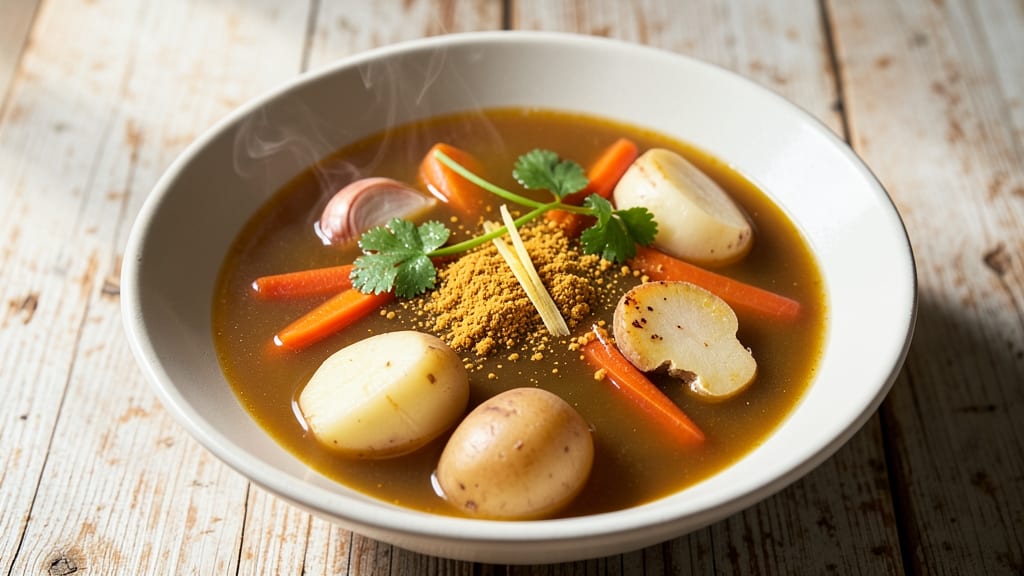
This best sore throat soup recipe delivers exactly what you need when every swallow feels like sandpaper. 💛 The secret lies in a golden broth infused with ginger, turmeric, and garlic—nature's anti-inflammatory powerhouses—that coats your throat like a warm, velvety balm.
I developed this recipe after years of testing what truly soothes, and it's become my go-to when congestion turns every sip into torture.
The foundation is simple yet powerful: a rich chicken broth simmered with fresh ginger, turmeric, and garlic until their healing compounds fully infuse. Soft vegetables like carrots and potatoes add natural sweetness and easy-to-swallow texture, while a touch of honey and lemon brightens the broth without overpowering its medicinal qualities.
What makes this different is the balance—it's nourishing enough to feel like medicine, but flavorful enough to actually enjoy.
By the time you finish this soup, you'll notice the immediate relief—ginger's spicy warmth, turmeric's earthy depth, and honey's gentle coating all working together to reduce inflammation and ease discomfort. The broth is rich enough to satisfy hunger while being light enough to sip without strain.
This isn't just soup; it's a therapeutic experience that turns recovery into something comforting rather than another chore.
Serve it piping hot with a sprinkle of fresh herbs or a drizzle of extra honey for added soothing power. The beauty of this recipe is its versatility—it works as a standalone healing meal or pairs perfectly with crusty bread to absorb every last drop of that golden, medicinal broth.
Let's make this your new throat-soothing staple.
Ingredients for best soup for sore throat
Golden broth meets throat-soothing magic with these healing ingredients.
| Ingredient | Amount | Notes |
|---|---|---|
| Chicken Broth 🍲 | 6 cups | Low-sodium preferred for balance |
| Fresh Ginger Root 🌿 | 2 tbsp | Finely grated, aromatic variety |
| Ground Turmeric 🌶️ | 1 tsp | Freshly ground for potency |
| Garlic Cloves 🧄 | 4 cloves | Peeled and smashed for infusion |
| Carrots 🥕 | 1 lb | Peeled and cut into chunks |
| Russet Potatoes 🥔 | 1 ½ lb | Peeled and cubed for softness |
| Yellow Onion 🧅 | 1 whole | Peeled and quartered |
| Raw Honey 🍯 | 2 tbsp | Local honey preferred for flavor |
| Fresh Lemon Juice 🍋 | 1 tbsp | Strained for smooth texture |
| Olive Oil 🫒 | 1 tbsp | Extra-virgin for richness |
| Fresh Cilantro 🌿 | ¼ cup | Chopped for garnish |
| Sea Salt 🧂 | 1 tsp | Diamond Crystal preferred |
| Black Pepper 🌶️ | ½ tsp | Freshly cracked for heat |
| Fresh Parsley 🌿 | 0.15 cup | Chopped for garnish |
The ginger and turmeric are your superstars here. Fresh ginger from the produce section—look for firm, knobby roots—has the most punch. Trader Joe's or local Asian markets usually have the freshest. Turmeric loses potency quickly, so buy it in small amounts and store it in a cool, dark place. The garlic should be plump and firm, not sprouting. I always roast half the garlic cloves separately for extra depth—toss them in the oven at 400°F for 10 minutes before adding to the broth. That caramelized sweetness takes this soup from medicinal to delicious.
No fresh ginger? Powdered works in a pinch—use half the amount—but you'll miss the complex, spicy warmth. Substitute turmeric with equal parts ground cumin and coriander for earthy depth. The broth can be store-bought (just check for low sodium) or homemade—simmer chicken bones with veggie scraps for 6-8 hours. For the honey, local raw honey has the most healing properties, but any pure honey will do. Lemon juice? Bottled is fine, but fresh has brighter acidity. The olive oil might seem odd, but it helps emulsify the broth's richness, making it easier to sip.
This soup tastes even better the next day as flavors meld. Store leftovers in the fridge for up to 5 days—the broth keeps its soothing properties. For longer storage, freeze in 1-cup portions—perfect for quick reheats when congestion hits. Garnish with fresh herbs right before serving; they wilt fast once added. If you're feeling extra indulgent, serve with crusty sourdough to soak up every last drop of that golden, healing broth.
Why You'll Love This Recipe
- One-Pot Wonder: I swear by this soup because it’s literally one pot—no chopping boards, no extra pans, just throw everything in and let the broth do the work. The carrots soften perfectly while the ginger and turmeric infuse the broth into something magical without any fuss.
- Warmth in a Bowl: That first sip? Pure comfort. The ginger and turmeric hit like a soothing hug, while the garlic adds just enough punch to wake up your taste buds—not too spicy, not too bland, but just right for when you’re under the weather. Honestly, it’s the only thing I crave when my throat feels scratchy.
- Leftovers That Save Me: This soup tastes even better the next day—yes, really. I make a big batch on Sundays, and by Wednesday, it’s still my go-to for lunch or dinner. The flavors deepen, and it’s cheap enough that I don’t even blink at reheating it three times.
- Budget-Friendly Healer: Between us, this recipe costs next to nothing but feels like a spa day for your throat. Chicken broth is my pantry staple, carrots are always on sale, and a little fresh ginger goes a long way. It’s the kind of meal that makes me feel like I’m taking care of myself without breaking the bank.
Step-by-step instructions for sore throat-soothing ginger-turmeric soup
This elixir combines anti-inflammatory spices with throat-coating ingredients for maximum relief.
🍳 Step 1: Sauté Aromatics Until Fragrant
Heat the 1 tablespoon olive oil in a large pot over medium heat. Add the peeled and quartered yellow onion and cook for 5 minutes until soft and translucent. Here's the thing—don't rush this step. You want the onions to actually caramelize slightly at the edges before moving forward.
Add the 4 smashed garlic cloves and 2 tablespoons finely grated fresh ginger root, stirring constantly for 1 minute until the raw garlic smell disappears and you're left with a warm, aromatic base. This is where all the healing magic starts—garlic's antimicrobial properties and ginger's anti-inflammatory benefits begin working their magic right here in the pot.
🍳 Step 2: Build the Soup Base with Vegetables
Add the 1 pound peeled and cubed carrots and 1.5 pounds peeled and cubed russet potatoes to the pot. Stir to coat them in the aromatic oil, then pour in the 6 cups low-sodium chicken broth. Bring everything to a gentle boil, then immediately reduce heat to low-medium—you want just enough simmer to maintain gentle bubbling without vigorous boiling that could break down the vegetables.
Let the soup simmer uncovered for 20-25 minutes until the vegetables are fork-tender. The carrots should be easily pierced with a fork and the potatoes should be soft throughout. This is the moment that matters: the vegetables should be completely tender but not mushy—you want that perfect texture that's easy to swallow while still providing substance.
🔥 Step 3: Season and Simmer with Healing Spices
Stir in the 1 teaspoon freshly ground turmeric, 1 teaspoon sea salt, and 0.5 teaspoon freshly cracked black pepper. The turmeric will give the soup its beautiful golden color while providing potent anti-inflammatory benefits. Let the soup continue simmering for another 10 minutes to allow all the flavors to meld together.
Real talk: this is where the soup transforms from good to extraordinary. The turmeric's earthy warmth combines with the ginger's spicy kick, creating a flavor profile that's both comforting and medicinal. Taste the soup and adjust the salt if needed—remember, we're using low-sodium broth, so you might need a bit more salt than usual.
🥘 Step 4: Finish with Honeyed Lemon Brightness
Remove the pot from heat and stir in the 2 tablespoons raw honey and 1 tablespoon fresh lemon juice. The honey will coat your throat beautifully while providing soothing properties, and the lemon adds a bright, cleansing acidity that cuts through the richness. Let the soup sit off heat for 5 minutes to allow the honey to fully incorporate and create that perfect velvety texture.
Here's the thing about this step—don't skip the resting time. The honey needs a moment to bloom in the hot liquid, creating that luxurious mouthfeel that makes this soup so comforting. The lemon juice will also mellow slightly, balancing the flavors perfectly without being overly sharp.
🍽️ Step 5: Serve with Fresh Herbs and Extra Comfort
Ladle the soup into bowls and garnish each serving with 1 tablespoon chopped fresh cilantro and 1 tablespoon chopped fresh parsley. The herbs add a fresh, bright contrast to the warm, spiced broth. Serve immediately while still hot—this soup is at its most effective when enjoyed piping hot, as the steam helps soothe your throat while the ingredients work their magic internally.
For maximum comfort, serve with crusty bread or crackers on the side. The bread helps absorb the broth, making it easier to consume when your throat is particularly sore. And here's my pro tip: sip it slowly, letting each spoonful coat your throat with its healing properties. This isn't just soup—it's medicine in bowl form.
Pro Tips For Making Best Soup For Sore Throat
- Simmer Ginger Low and Slow: I learned this the hard way—ginger burns faster than you’d think. Once it’s in the broth, keep the heat at a bare simmer (just small bubbles breaking the surface) and let it steep for at least 15 minutes. That’s when it releases its soothing, anti-inflammatory magic without turning bitter.
- Peel Carrots Halfway Through: Skip peeling them raw—it’s a waste of time and effort. Instead, add whole carrots (skin on) to the broth, then peel and slice them halfway through cooking. The skin softens in the broth, adding natural sweetness, and you avoid the mess of peeling raw carrots.
- Toast Turmeric First: Ground turmeric loses its warmth when bloomed in oil. Heat a dry pan for 30 seconds, add the spice, and toast until fragrant (about 20 seconds). Then stir it into the broth—this unlocks its earthy depth and prevents that "dusty" aftertaste.
- Use Aged Garlic, Not Fresh: Fresh garlic can overpower a sore throat remedy. Swap in 1–2 cloves of aged black garlic (or extra-long simmered fresh garlic) for a mellow, sweet depth. It’s less harsh on your throat but still packs flavor—trust me, your future self will notice the difference.
Dietary considerations for this best soup for sore throat
Vegetarian Adaptations
Swap the chicken broth for a robust vegetable broth—look for brands like Imagine or Pacific Foods for low-sodium options. Boost umami with 1 tbsp soy sauce or 2 slices of roasted mushrooms added during simmering.
For extra protein, stir in ½ cup cooked lentils or 1 cup silken tofu at the end. The turmeric and ginger still shine, but the broth gains earthy depth from the mushrooms.
Gluten-Free Considerations
This recipe is naturally gluten-free, but always verify broth labels—some brands use barley malt. For extra caution, make your own broth with chicken bones and vegetables (no wheat-based ingredients).
The honey and lemon remain safe, but check labels if using store-bought condiments. The soup's soothing properties stay intact while avoiding gluten triggers. 🌱
Low-Sodium Options
Use homemade broth or certified low-sodium brands like Swanson or Kettle & Fire to control sodium levels. Reduce added salt to ½ tsp and enhance flavor with 1 tsp apple cider vinegar or extra lemon juice.
The ginger and turmeric provide natural depth, so you won’t miss the salt. For extra richness, stir in 1 tbsp nutritional yeast at the end—it adds a cheesy, umami note without sodium.
Dairy-Free Version
This soup is already dairy-free, but if you're sensitive to lactose, skip any optional garnishes like cream. Instead, top with toasted pumpkin seeds or crispy fried shallots for texture. The honey and lemon balance the spices beautifully without dairy.
For a creamier texture without milk, blend in ½ cup coconut milk at the end—it adds a subtle sweetness that complements the ginger.
Allergen-Friendly Swaps
For nut allergies, avoid honey and substitute with maple syrup (use 1 tbsp). If avoiding citrus, replace lemon with ½ tsp orange zest or 1 tsp white wine vinegar.
For garlic-sensitive individuals, reduce to 2 cloves or use asafetida powder (a tiny pinch) for depth without the pungency. Always check ingredient labels—even spices can contain allergens.
Nutrition facts
Frequently asked questions
Can I make this soup without fresh ginger?
Yes, but you'll lose some of the potent anti-inflammatory benefits. Use 1 tbsp ground ginger instead, though fresh is always better. For extra warmth, add ½ tsp cinnamon or ¼ tsp cayenne pepper—both help soothe throat irritation. The flavor will be slightly different, but the soup will still be comforting.
How long does this soup stay effective for sore throats?
This soup remains most effective when served hot, as the steam helps soothe irritation. Store leftovers in the fridge for up to 5 days—the healing properties of ginger and turmeric last well, but reheat thoroughly before consuming. For best results, enjoy within 24 hours of making it when the flavors are freshest.
What if I don't like ginger's spicy kick?
Start with just 1 tbsp grated ginger instead of 2, or use ½ tsp ground ginger. For a milder version, add 1 tsp apple cider vinegar at the end—it balances flavors without heat. The turmeric and honey will still provide soothing benefits while keeping the spice gentle. Taste as you go!
Can I add protein to make it more filling?
Stir in ½ cup cooked chicken breast or ½ cup shredded rotisserie chicken at the end for extra protein. For vegetarian options, try ½ cup lentils or 1 cup silken tofu. Just add them after simmering to keep the broth from breaking down. The protein helps with recovery while keeping the soup easy to swallow.
Why does my soup taste bland after adding honey?
Honey needs time to meld with the broth's flavors—let it sit off heat for 5-10 minutes before tasting. If it's still bland, boost umami with 1 tsp soy sauce or ½ tsp fish sauce (for non-vegetarian versions). The ginger and turmeric should provide natural depth, but a pinch of black pepper can also enhance the overall flavor profile.