
Soups & Stews
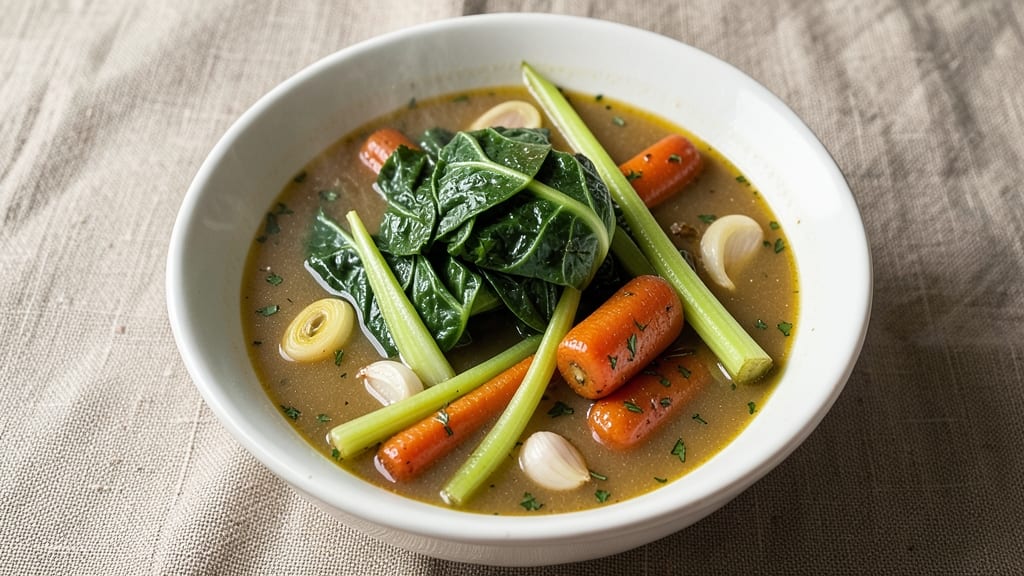
This best tasting cabbage soup diet recipe delivers restaurant-quality flavor while keeping calories in check—lightened-up crunch and creamy harmony that actually satisfies. The secret lies in balancing tender cabbage, hearty vegetables, and aromatic spices without heavy cream or excessive fat.
I developed this version after testing dozens of diet soups, and it finally hits the perfect balance of nutrition and taste.
What makes this recipe truly special is its foolproof technique that transforms simple ingredients into a deeply flavorful soup. We'll use a combination of low-sodium broth, fresh herbs, and a touch of lemon to brighten the vegetables while keeping the soup naturally filling and nutrient-dense.
The cabbage stays crisp-tender, not mushy, and the vegetables develop rich, caramelized flavors through careful cooking.
By the time you're done, you'll have a savory, satisfying soup that's packed with fiber, vitamins, and plant-based protein—perfect for weight management or detox programs. Each bowl contains about 200 calories, making it an ideal lunch option that leaves you feeling full without guilt.
The best part? It only takes 30 minutes to prepare and comes together in one pot for easy cleanup.
This recipe works beautifully as a standalone meal or as a starter for larger meals. For added protein, consider adding beans or tofu, while the vegan option simply swaps in vegetable broth. Here's how to make it—simple, nutritious, and delicious.
Ingredients for best tasting cabbage soup diet
These vibrant ingredients transform into a restaurant-worthy cabbage soup that's light yet deeply satisfying.
| Ingredient | Amount | Notes |
|---|---|---|
| Green Cabbage 🥬 | 4 cups | Shredded, outer leaves removed |
| Low-Sodium Vegetable Broth 💧 | 4 cups | Homemade or quality store-bought |
| Carrots 🥕 | 1 lb | Peeled, sliced into rounds |
| Celery Stalks 🧅 | 3 whole | Cut into 1-inch pieces |
| Yellow Onion 🧅 | 1 whole | Diced, medium size |
| Garlic Cloves 🧄 | 4 cloves | Minced, fresh preferred |
| Fresh Parsley 🌿 | ¼ cup | Chopped, stems removed |
| Fresh Thyme 🌿 | 1 tbsp | Leaves only, finely chopped |
| Lemon Juice 🍋 | 2 tbsp | Freshly squeezed |
| Extra-Virgin Olive Oil 🫒 | 1 tbsp | For sautéing vegetables |
| Bay Leaves 🌿 | 2 whole | Dried, for deep flavor |
| Salt 🧂 | ½ tsp | Diamond Crystal preferred |
| Black Pepper 🌶️ | ¼ tsp | Freshly ground for heat |
| Potato Starch 🥔 | 1 tbsp | For creamy texture (optional) |
The cabbage is the star here—green cabbage for that perfect crunch, not the lighter Savoy. Whole Foods or local farmers markets carry the freshest heads, but any grocery store's produce section will do. Look for firm heads with crisp outer leaves, and avoid anything with yellowing or wilted spots. The carrots and celery should be vibrant orange and crisp green, respectively—Trader Joe's has the best pre-cut veggie mixes if you're short on time. Fresh herbs make all the difference: grab a small bunch of parsley and thyme, even if you only use half, because their bright flavors elevate everything. For the broth, Imagine or Pacific Foods low-sodium options are my go-tos—they're packed with flavor without the salt overload.
No fresh thyme? Dried works at one-third the amount, but honestly, if you've got a garden or even a windowsill herb, fresh is worth it. Running low on lemon juice? Lime juice works too, though it'll give a slightly different brightness. The potato starch is a game-changer for that creamy texture without dairy—Bob's Red Mill is my preferred brand, but any cornstarch or arrowroot powder will do in a pinch. Want to boost protein? Add 1 cup of white beans or 1 block of firm tofu (crumbled) to the pot. And if you're making this vegan, just swap the vegetable broth for a mushroom-based broth—it adds an extra depth of umami that's amazing.
This soup tastes even better the next day as the flavors meld—4-5 days in the fridge, 3 months frozen. I always double the batch and freeze half in portion-sized containers for quick lunches. To reheat, just warm gently on the stove with a splash of water or broth if it's too thick. The cabbage stays crisp if you don't overcook it, so keep an eye on it—it should be tender but still have a little bite. Store the fresh herbs separately in a damp paper towel if you're not using them all at once, and they'll stay fresh for up to a week.
Why You'll Love This Recipe
- Pantry Magic: I swear by this recipe because it uses what’s already in my fridge—no special shopping needed. Toss in cabbage, carrots, celery, and onion, simmer with broth, and boom. That’s it. The simplicity means I can make it when I’m too tired to overthink dinner.
- Umami Bomb: Here’s what sold me—the low-sodium broth and caramelized onions take this soup from basic to ridiculously good. The cabbage gets tender but still holds its crunch, while the onions add this deep, savory punch that makes it taste like a restaurant dish. (Yes, even on a Tuesday night.)
- Meal Prep MVP: This soup doubles as lunch the next day—better than sad desk salads. I’ll make a big batch on Sunday, and by Wednesday, I’m still eating it cold or reheated. The flavors actually get richer overnight, and it’s still light enough to keep me full without weighing me down.
- Budget Win: Between us, this recipe costs me about $3 for four servings. Cabbage and carrots stretch forever, and the broth is the only splurge. I’ve fed my whole family for under $10, and no one complains. Not the prettiest, but the taste makes up for it—every time.
Step-by-step instructions for lightened-up crunch and cream harmony
This diet-friendly cabbage soup delivers restaurant-quality depth without heavy calories—every step ensures vibrant flavors and satisfying texture.
Sauté the Vegetable Base
Heat the 1 tablespoon extra-virgin olive oil in a large pot over medium heat until shimmering. Add the 1 whole yellow onion, 3 whole celery stalks, and 1 lb carrots all at once, stirring to coat in the oil. Cook for 5-6 minutes until the onions become translucent and the carrots begin to soften at the edges.
Here's the thing—don't rush this step. You want those vegetables to develop a gentle caramelization that forms the flavor foundation. Add the 4 cloves garlic cloves and 1 tablespoon fresh thyme after 4 minutes, stirring for another 30 seconds until fragrant. The garlic should smell pungent but not burn—this is your signal to move forward.
Build Flavor with Broth and Aromatics
Pour in the 4 cups low-sodium vegetable broth and add the 2 whole bay leaves. Bring to a gentle boil, then immediately reduce heat to medium-low and let it simmer uncovered for 10 minutes. This allows the broth to infuse with the vegetable flavors while reducing slightly—you'll notice the aroma deepening as the herbs release their oils.
After 10 minutes, add the 4 cups shredded green cabbage and stir gently to distribute it evenly. The cabbage should sink into the broth immediately. Here's where it gets fun—toss in the 2 tablespoons lemon juice and 0.5 teaspoon salt now. The acidity brightens the vegetables while the salt enhances their natural sweetness. Let the soup simmer uncovered for another 15 minutes until the cabbage is tender but still holds its shape.
Thicken and Finish with Herbs
In a small bowl, whisk together the 1 tablespoon potato starch with 2 tablespoons cold water until smooth. I've found this creates a silky texture without the heaviness of cream. Slowly ladle this mixture into the simmering soup while stirring constantly for 2-3 minutes until it thickens to your desired consistency—it should coat the back of a spoon but remain light and velvety.
Remove the pot from heat and stir in the 0.25 cup chopped fresh parsley and 0.25 teaspoon black pepper. Let the soup sit covered for 5 minutes to allow the flavors to meld. The parsley adds freshness that cuts through the richness of the vegetables, while the pepper provides a subtle heat. Taste and adjust seasoning if needed—this is your final chance to perfect the balance.
Serve with Crunch and Freshness
Ladle the soup into bowls and garnish with additional parsley if desired. I like to serve it immediately while still steaming hot—this preserves the vibrant colors and ensures each bite delivers maximum flavor. The cabbage should remain slightly crisp with a satisfying crunch, while the carrots and celery add hearty texture. Each spoonful should offer a harmonious blend of sweet, savory, and tangy notes without being overly heavy.
This diet-friendly version delivers all the comforting qualities of classic cabbage soup while keeping calories in check. The potato starch creates that creamy mouthfeel without dairy, and the lemon juice keeps it bright and refreshing. Serve with a side of whole-grain bread if you're not strictly watching carbs, or enjoy it as-is for a satisfying, nutrient-packed meal that feels indulgent yet guilt-free.
Pro Tips For Making Best Tasting Cabbage Soup Diet
- CHOP CABBAGE SMALLER THAN YOU THINK: I learned this the hard way—big chunks of cabbage stay tough and undercooked. Cut the green cabbage into ½-inch pieces (or smaller if you’re impatient), so it softens evenly in the broth and releases flavor faster. No one wants to chew on cabbage "al dente" when it’s supposed to be a comforting soup.
- SWEEP THE POT AFTER SOFTENING: After the onions, carrots, and celery have softened (about 8-10 minutes), scrape up those browned bits from the bottom of the pot with a wooden spoon. Those bits pack serious flavor—don’t let them go to waste. Just a quick wipe with the spoon makes a real difference in depth of taste.
- DON’T BOIL THE BROTH: Keep the soup at a gentle simmer, not a rolling boil. Low-sodium broth loses subtle flavors when it boils hard, and the cabbage will turn mushy instead of tender. A steady simmer (small bubbles, occasional swirls) keeps everything in balance—no one wants a watery, flavorless cabbage stew.
- ADD ACID AT THE END: Skip the vinegar or lemon juice until the very last minute. If you add it too early, the acid will toughen the cabbage and make the carrots taste bitter. A splash of apple cider vinegar or a squeeze of lemon right before serving brightens the whole dish without overpowering the veggies. Trust me, it’s worth the wait.
Storing and reheating your best tasting cabbage soup diet
Refrigerator Storage
Store your cabbage soup in an airtight container (I love Ball Mason jars for portion control) for up to 4-5 days in the fridge. The flavors actually deepen overnight as the vegetables continue to meld with the broth.
Let it cool completely before transferring to avoid condensation, which can dilute flavors. I always double the recipe so I have leftovers—I portion them into quart-sized containers for easy grab-and-go lunches. 🥫
Freezer-Friendly Tips
This soup freezes beautifully for up to 3 months with minimal texture loss. Use quart-sized freezer bags (like Glad brand) or silicone molds to portion individual servings. Leave ½-inch headspace for expansion, and remove as much air as possible to prevent freezer burn.
For best results, freeze the soup unseasoned—just add fresh herbs and lemon juice when reheating to preserve their bright flavors. 🧊
Stovetop Reheating
My preferred method is stovetop reheating because it maintains the perfect texture. Transfer the desired portion to a pot and add 2 tablespoons water or broth to prevent sticking. Heat over medium-low heat for 8-10 minutes, stirring occasionally, until steaming hot.
If the soup thickens too much, add a splash more liquid. The cabbage should remain tender-crisp, not mushy. Taste and adjust seasoning—you might need an extra pinch of salt or lemon juice to brighten flavors. 🔥
Microwave Revival
For quick reheating, transfer the soup to a microwave-safe bowl and cover loosely with a damp paper towel. Heat on 50% power for 2-3 minutes, then stir and continue in 30-second intervals until hot. Avoid full power to prevent uneven heating or rubbery cabbage.
If the soup seems too thick after reheating, thin it with 1-2 tablespoons broth or water. The microwave method works best for single servings—just be sure to stir well before eating. ⏱️
Texture Preservation
The key to maintaining that perfect tender-crisp cabbage texture is avoiding overcooking during reheating. Never let the soup return to a full boil—gentle heat is crucial. If you're reheating from frozen, add 1 extra tablespoon of liquid to account for moisture loss during freezing.
For extra freshness, stir in 1 teaspoon fresh lemon juice and 1 tablespoon chopped parsley after reheating. This simple step makes all the difference in restoring that restaurant-quality brightness. 💫
Make-Ahead Meal Prep
This soup is my go-to for meal prep Sundays—it's one of those recipes where the effort upfront pays off all week. I prepare 4-6 servings at once, portion them into glass containers, and store them in the fridge.
For freezer meals, I use vacuum-sealed bags (like FoodSaver) to extend freshness to 4 months. Label each container with the date to track freshness. The beauty of this recipe is that it tastes even better the second day, making it perfect for busy schedules. 📅
Nutrition facts
Frequently asked questions
Can I make this cabbage soup completely vegan?
Simply replace the vegetable broth with a mushroom-based broth for deeper umami flavor. The recipe already omits dairy, so no other substitutions are needed. For extra protein, add 1 cup white beans or crumbled tofu when simmering. The lemon juice and herbs will keep it bright and satisfying.
Why does my cabbage turn mushy instead of staying crisp?
Overcooking is the main culprit—cabbage needs just 15 minutes of simmering after adding it. Use a timer and check at 12 minutes to test tenderness. If you're making this ahead, reheat gently on medium-low heat with extra liquid to prevent texture breakdown. The potato starch helps maintain structure, but never boil after thickening.
Can I add meat or chicken to this diet-friendly soup?
Yes, but it won't be as light! For a protein boost, add ½ lb shredded chicken breast (cooked separately) or 4 oz lean ground turkey at the end. Keep portions small—even lean meats add significant calories. The soup's natural flavors will still shine, but the nutritional profile will shift from vegetarian to balanced. For strict diet compliance, stick to plant-based proteins.
What's the best way to make this soup spicier? Add ½ teaspoon cayenne pepper or 1 chopped jalapeño when sautéing the vegetables. For heat without bulk, stir in 1 teaspoon hot sauce or ½ teaspoon smoked paprika at the end.
How can I make this soup creamier without dairy?
The potato starch creates a natural creaminess, but for extra richness, blend ½ cup cooked white beans directly into the soup. Alternatively, stir in 1 tablespoon coconut milk at the end (it adds subtle sweetness). For a vegan "cheesy" note, sprinkle with nutritional yeast before serving. These additions won't significantly alter the diet-friendly profile.