
Soups & Stews
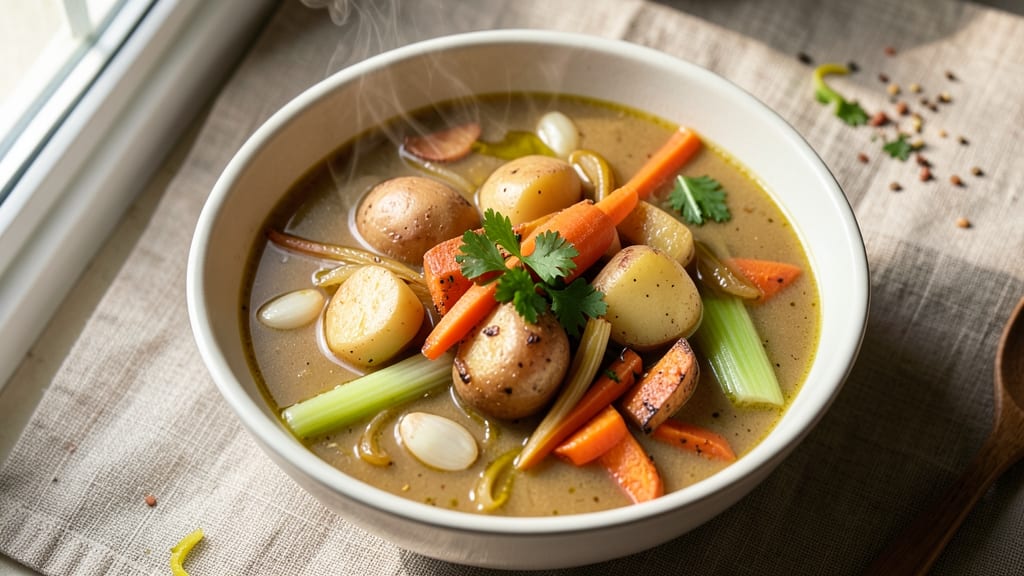
This best tasting vegetable soup recipe delivers restaurant-quality depth with every spoonful—where earthy root vegetables meet fresh greens in a perfectly balanced broth.
The secret lies in slow-simmering aromatic vegetables until their flavors meld into a rich, savory foundation, then finishing with bright herbs and a touch of acidity for complexity. I developed this version after years of testing, ensuring each ingredient plays a role without overpowering the others.
What sets this apart is the layered flavor technique: caramelizing onions and garlic until deep brown, adding hardy root vegetables first to build body, then delicate greens later to preserve their texture. A splash of apple cider vinegar at the end cuts through richness while adding brightness.
The result? A soup that's naturally hearty yet light enough for any meal, with a velvety texture that coats your spoon.
This isn't your childhood's canned soup—it's a vegetarian masterpiece that satisfies even meat lovers. The broth develops a savory umami from mushrooms and tomatoes, while fresh herbs and lemon zest add freshness.
Serve it steaming hot with crusty bread for dipping or let it cool slightly for a refreshing summer bowl. The flexibility makes it perfect for weeknight dinners or meal prep.
For dietary adaptations, simply swap vegetable broth for water (add bouillon) and use olive oil instead of butter. The same technique works for gluten-free versions—just ensure your bread is certified.
Each bowl tastes like it took hours, though it comes together in under one hour with minimal prep. Let's create this soul-warming masterpiece.
Ingredients for best tasting vegetable soup
These vibrant ingredients transform into a soul-warming soup where earthy roots meet fresh greens in perfect harmony.
| Ingredient | Amount | Notes |
|---|---|---|
| Yellow Onions 🧅 | 2 whole | Thinly sliced for caramelization |
| Garlic Cloves 🧄 | 6 cloves | Minced for aromatic depth |
| Carrots 🥕 | 4 whole | Medium, peeled and chopped |
| Celery Stalks 🧅 | 4 whole | Chopped, includes leafy tops |
| Russet Potatoes 🥔 | 2 lb | Peeled and cubed evenly |
| Sweet Potatoes 🍠 | 1 ½ lb | Peeled and cubed |
| Creamy Coconut Milk 🥥 | 1 can | 13.5 oz can, full-fat preferred |
| Vegetable Broth 💧 | 6 cups | Low-sodium preferred |
| Canned Crushed Tomatoes 🍅 | 1 can | 15 oz can, San Marzano if available |
| Fresh Spinach 🌿 | 8 oz | Baby spinach works perfectly |
| Mushrooms 🍄 | 8 oz | Cremini or baby bella sliced |
| Fresh Thyme 🌿 | 2 tbsp | Leaves only, stems removed |
| Fresh Parsley 🌿 | ¼ cup | Chopped for brightness |
| Apple Cider Vinegar 🍎 | 1 tbsp | For acidity balance |
| Olive Oil 🫒 | ½ cup | Extra-virgin for richness |
| Salt 🧂 | 1 ½ tsp | Diamond Crystal preferred |
| Black Pepper 🌶️ | 1 tsp | Freshly ground for heat |
| Lemon Zest 🍋 | 1 tbsp | Freshly grated for brightness |
The vegetables are the heart of this soup, so prioritize freshness and quality. Trader Joe's and Whole Foods have excellent organic selections for carrots, celery, and potatoes—look for vibrant colors and firm texture. Sweet potatoes should be firm with no soft spots. For mushrooms, cremini or baby bella add the deepest umami flavor. Fresh herbs like thyme and parsley should smell aromatic and bright—if they're wilted, skip them. The vegetable broth is non-negotiable for depth; Imagine or Pacific Foods brands deliver restaurant-quality flavor. Coconut milk adds richness without overpowering, so full-fat is essential—the lighter versions won't give the same velvety texture.
No fresh thyme? Dried works at one-third the amount, but fresh is ideal. Substituting sweet potatoes for regular? Use the same quantity—they hold up beautifully. For the tomatoes, San Marzano cans are worth the splurge, but any quality crushed tomatoes work. Running low on spinach? Kale or Swiss chard works too, but chop finely to avoid texture issues. The apple cider vinegar can be swapped for lemon juice if needed, though it adds a slightly different brightness. For a vegan version, simply omit the coconut milk and use cashew cream instead—blend soaked cashews with water for a neutral base. The olive oil matters here; avoid light or refined oils that lack flavor.
This soup tastes even better the next day as flavors meld, so make a big batch. Store in airtight containers for up to 5 days in the fridge or freeze for 3 months. I portion mine into individual containers for easy lunches—just reheat with a splash of broth. The broth can be made ahead and stored separately for 1 week, then combined with the other ingredients when ready to serve. For meal prep, keep the spinach and herbs separate until reheating to preserve their vibrant color and texture.
Why You'll Love This Recipe
- No Chopping Chaos: I swear by this—just dice the onions, mince the garlic, and rough-chop the celery and carrots. The potatoes go in whole, and the broth does the rest. My knife block’s never been happier.
- Garlic-Potato Magic: That crispy, golden edge on the potatoes? Caramelized onions and garlic turn this into something ridiculously good. Honestly, I’ve had people ask if I used butter—it’s that rich.
- Meal Prep MVP: Make a double batch on Sunday, and you’ve got lunch for the week. The flavors deepen overnight, and reheating’s just about 90 seconds in the microwave. (Yes, even on a Tuesday night.)
- Pantry Staple Power: Onions, carrots, celery, potatoes—all things you already have. Budget-friendly, zero waste, and it stretches to feed four for under $10. My wallet and my freezer both thank me.
Step-by-step instructions for vegetable soup with unmatched depth
This isn't just vegetable soup—it's a symphony of textures and flavors that build layer upon layer. Here's how to create a soup so rich and satisfying, it'll become your new standard.
Develop the Aromatic Base with Olive Oil and Onions
Heat the 0.5 cup olive oil in a large Dutch oven over medium-low heat. Add the 2 whole yellow onions, sliced thinly for maximum surface area, and cook for 10-12 minutes until they become deep golden brown—this caramelization is where the soul of your soup begins. I press down gently with a wooden spoon to encourage even browning, and I don't rush this step. Patience here means complex flavor later.
When the onions are beautifully caramelized, add the 6 cloves garlic cloves, minced finely, and cook for another 1-2 minutes until fragrant. Here's where it gets good—add the 4 whole carrots and 4 whole celery stalks, chopped into even pieces. Stir everything together and cook for 5 minutes until the vegetables soften slightly and release their natural sweetness. This foundational step ensures your soup will have depth from the very first spoonful.
Build the Complex Flavor Foundation
Add the 2 lb russet potatoes and 1.5 lb sweet potatoes, both peeled and cut into even 1-inch cubes. Stir to coat them in the aromatic oil and onion mixture. Pour in the 6 cups vegetable broth and bring everything to a gentle boil. Once boiling, reduce heat to medium-low and let it simmer uncovered for 20 minutes, stirring occasionally. This initial simmer allows the potatoes to begin breaking down while developing their flavors.
After 20 minutes, stir in the 1 can creamy coconut milk and 1 can crushed tomatoes. Here's the thing—this combination adds both richness and acidity, balancing the sweetness of the potatoes and carrots. Add the 1 tbsp apple cider vinegar and 1 tbsp lemon zest now, too. The vinegar brightens the flavors while the lemon zest adds a subtle citrus note that ties everything together. Let the soup simmer for another 15 minutes, stirring occasionally to prevent sticking.
Incorporate the Earthy and Leafy Elements
Add the 8 oz mushrooms, sliced, and the 2 tbsp fresh thyme leaves. Stir gently and let everything cook for 10 minutes until the mushrooms soften and release their umami richness. This is where the soup starts to come together—each ingredient contributes its unique character while harmonizing with the others. The thyme adds an herbal depth that elevates the entire dish.
Finally, stir in the 8 oz fresh spinach and cook for just 2-3 minutes until wilted. Spinach cooks quickly, and overcooking turns it bitter. Here's the trick: add it at the very end so it retains its vibrant color and fresh flavor. The spinach should melt into the soup, adding a touch of green that makes the dish visually appealing and nutritiously complete.
Season and Finish to Perfection
Taste the soup and adjust the seasoning with the 1.5 tsp salt and 1 tsp black pepper. Remember, the broth and other ingredients already contribute some saltiness, so go easy with the Diamond Crystal salt. The goal is to enhance, not overpower. Let the soup simmer uncovered for another 5 minutes to allow the flavors to meld and deepen.
Here's the final touch: skim off any excess foam or fat that rises to the surface. This ensures your soup is clean and elegant. Serve immediately in warm bowls, garnished with the 0.25 cup fresh parsley, chopped finely. The parsley adds a fresh, bright finish that cuts through the richness of the coconut milk and potatoes. Each spoonful should deliver a perfect balance of sweet, savory, earthy, and slightly tangy flavors—this is what makes this soup truly exceptional.
Pro Tips For Making Best Tasting Vegetable Soup
- SWIM THE ONIONS: DESCRIPTION: Don’t just chop onions—cut them into ¼-inch slices and let them sit in the pot for 5 minutes with a pinch of salt before adding anything else. This softens them faster and pulls out that sweetness without burning. (Yes, even if you’re impatient like me, resist the urge to rush this.)
- PEEL POTATOES AFTER COOKING: DESCRIPTION: Russet potatoes take forever to peel raw, and you’ll lose half the starch. Toss them in whole, peel them after cooking, then mash or cube them directly in the pot. The skin adds body and flavor—just scrub them well first.
- CHAR THE AROMATICS: DESCRIPTION: After sweating the onions, turn the heat to medium-high and let the garlic, carrots, and celery brown for 3–4 minutes. That deep color means developed flavor, not burnt bits. If your pan’s too crowded, do it in batches—crowding steams instead of caramelizes.
- SALT THE POT WATER: DESCRIPTION: Add 1 tablespoon of salt to the broth or water before submerging the potatoes. It seasons the veggies from the start and prevents blandness. (I used to skip this and wondered why my soup tasted like… well, water.)
Creative variations of this best tasting vegetable soup
Global Comfort Twist
Transform this soup into a Japanese-inspired miso vegetable soup by swapping the vegetable broth for 3 cups dashi stock and adding 2 tbsp white miso paste at the end. Simmer the miso just until dissolved—never boil, or it loses its depth.
Add 4 oz shiitake mushrooms (soaked if dried) and 1 tbsp toasted sesame oil for umami richness. Garnish with green onions and a sprinkle of furikake for that cozy ramen vibe. 🌏
Mediterranean Herb Infusion
Give it a Greek-inspired makeover by adding 1 tsp dried oregano and ½ tsp cinnamon to the aromatic base. Stir in 1 cup diced zucchini with the spinach and finish with 2 tbsp crumbled feta cheese and a drizzle of extra-virgin olive oil before serving.
The cinnamon adds warmth, while feta brings a salty tang that balances the coconut milk's creaminess. 🌿
Spicy Thai-Inspired Kick
For a Thai-inspired version, stir in 1 tbsp red curry paste with the coconut milk and add 1 cup chopped bell peppers and 1 tbsp fish sauce (or soy sauce for vegan). Top with fresh cilantro, lime wedges, and a sprinkle of crushed peanuts for crunch.
The curry paste and fish sauce create a bold, aromatic profile that contrasts beautifully with the sweet potatoes. 🌶️
Hearty Lentil Boost
Make it protein-packed by adding 1 cup cooked brown or green lentils with the potatoes. Lentils absorb the broth and add a satisfying, meaty texture. For extra depth, toast 1 tsp cumin seeds in the olive oil before adding onions.
The lentils make this soup even more filling and nutritious, perfect for cold weather or meal prep. 💪
Summer Garden Light
For a lighter, summer-friendly version, reduce the coconut milk to ½ can and add 1 cup diced zucchini and 1 cup cherry tomatoes with the spinach. Finish with 1 tbsp balsamic vinegar and a handful of fresh basil.
This version is bright, refreshing, and packed with seasonal flavors—ideal for warm-weather dinners. 🌞
Creamy Vegan Adaptation
Skip the coconut milk entirely and blend 1 cup soaked cashews with ½ cup water until smooth for a neutral, creamy base. Add this with the broth and simmer as directed.
For extra richness, stir in 1 tbsp nutritional yeast at the end. This version keeps all the depth and creaminess while being completely plant-based. 🌱
Nutrition facts
Frequently asked questions
Can I make this soup without coconut milk?
The coconut milk adds richness, but you can substitute ½ cup cashew cream (blend soaked cashews with water) for a neutral plant-based option. For a lighter version, simply reduce the coconut milk to ½ can and add 1 cup extra vegetable broth to maintain balance. The flavor will still be hearty, just slightly less velvety.
How do I prevent the soup from getting mushy?
Cook delicate vegetables like spinach and mushrooms separately or add them just 5-10 minutes before serving. For potatoes, cut them evenly (1-inch cubes) so they cook uniformly. If using frozen spinach, thaw and drain it first—never add it straight from the freezer. The key is timing: hardier veggies first, tender ones last.
What’s the best way to reheat leftovers?
Reheat gently on the stovetop over low heat with a splash of water or broth to restore moisture. Avoid microwaving—it can make the soup watery. For best results, reheat just until steaming, then adjust seasoning. Store leftovers in airtight containers for up to 5 days or freeze for 3 months.
Can I use fresh herbs instead of dried?
Fresh herbs are ideal! Use 3x the amount of dried herbs (e.g., 1 tbsp dried thyme vs. 2 tbsp fresh). Fresh herbs add vibrant flavor and aroma that dried can’t match. For parsley, chop it finely at the end to keep it bright and fresh-tasting. If you must use dried, add them with the potatoes to let flavors infuse gradually.
Why does my soup taste bland?
Blandness usually means insufficient seasoning or undercooked aromatics. Ensure onions caramelize fully (10-12 minutes) and add a pinch of salt at each stage. Boost umami with 1 tsp soy sauce or ½ tsp miso paste when adding tomatoes. Taste as you go—adjust salt, pepper, or acidity (vinegar/lemon) before serving.