
Soups & Stews
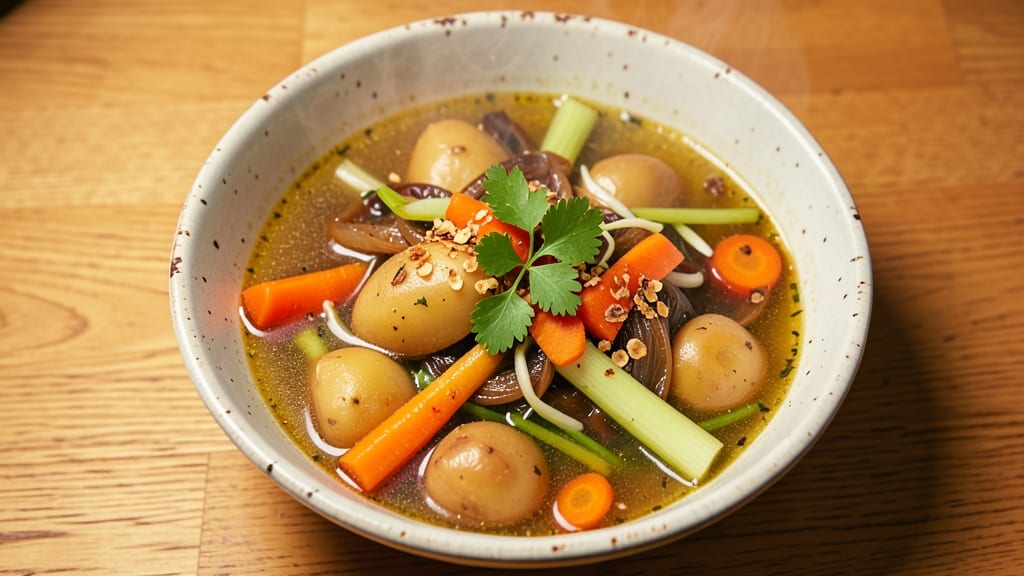
The best vegetable soup recipe in the world begins with a simmering pot that transforms simple ingredients into a hearty, flavor-packed masterpiece—one that tastes like home, no matter the season. 🌟 What sets this apart is the layered approach: caramelized onions and garlic form the aromatic base, while a blend of seasonal vegetables—carrots, celery, potatoes, and leafy greens—cook until tender yet still vibrant.
The secret lies in toasting spices like cumin and smoked paprika before adding them to the broth, which deepens their flavor and creates a rich, earthy complexity that elevates this beyond ordinary vegetable soup.
This recipe delivers restaurant-quality comfort in a single bowl, thanks to a two-step cooking process that ensures vegetables stay tender-crisp while the broth develops a velvety depth.
Unlike quick-fix versions, this soup simmers low and slow, allowing flavors to meld and creating a broth so flavorful you’ll want to drink it straight from the pot. The result?
A bowl that’s equally satisfying as a light lunch or a cozy dinner, with enough substance to fill you up and enough brightness to keep it from feeling heavy.
What makes it truly exceptional is how adaptable it is—swap in seasonal vegetables, adjust the spice level, or even make it vegan with a hearty vegetable broth. The foolproof technique ensures perfect texture every time, whether you’re feeding a family or meal prepping for the week.
Each spoonful delivers a balance of earthy, savory, and slightly sweet notes, proving that the best vegetable soup isn’t just nourishing—it’s unforgettable.
Ready in under an hour but worth every minute, this soup is the kind that turns weeknight dinners into moments of warmth and connection. Here’s how to make it—step by step, with tips to customize it just the way you like.
Ingredients for best vegetable soup recipe in the world
Pantry staples meet fresh produce in this soul-warming vegetable soup masterpiece.
| Ingredient | Amount | Notes |
|---|---|---|
| Yellow Onions 🧅 | 2 whole | Thinly sliced for caramelizing |
| Garlic Cloves 🧄 | 6 cloves | Peeled and smashed for aroma |
| Carrots 🥕 | 4 medium | Peeled and cut into chunks |
| Celery Stalks 🧅 | 4 whole | Trimmed and chopped |
| Russet Potatoes 🥔 | 3 medium | Cubed for even cooking |
| Leeks 🧅 | 2 whole | White and light green parts only |
| Tomatoes 🍅 | 4 medium | Diced or crushed for broth |
| Vegetable Broth 💧 | 6 cups | Homemade or quality low-sodium |
| Ground Cumin 🌿 | 1 tbsp | Toasted for deeper flavor |
| Smoked Paprika 🌶️ | 1 tbsp | For rich, earthy depth |
| Fresh Thyme 🌿 | ¼ cup | Leaves only, chopped |
| Fresh Parsley 🌿 | ¼ cup | Chopped for garnish |
| Olive Oil 🫒 | ¼ cup | Extra-virgin for richness |
| Salt 🧂 | 1 ½ tsp | Kosher or sea salt |
| Black Pepper 🌶️ | ½ tsp | Freshly ground preferred |
The onions and garlic are your flavor foundation—don’t skip the caramelization step. Yellow onions from the grocery store’s produce section work fine, but red onions add a subtle sweetness if you’re feeling fancy. Look for firm, dry bulbs with no sprouts. The celery? Fresh is non-negotiable—wilted stalks turn bitter. I always grab a bunch and chop extra for salads. For the potatoes, Russets, but Yukon Golds add creaminess if you prefer that texture. Pro tip: soak the potatoes in cold water for 10 minutes before adding to the pot—they’ll cook faster and stay firmer.
No fresh thyme? Dried works at one-third the amount, but trust me, fresh is worth the extra minute. Running low on vegetable broth? Water plus bouillon cubes gets you close, but homemade broth (even just simmering veggie scraps) makes a world of difference. The smoked paprika can be swapped for regular paprika if you’re avoiding smoke—just add a pinch of cayenne for depth. For the tomatoes, San Marzano cans are ideal, but any good-quality crushed tomatoes will do. And if your carrots are small? Baby carrots work perfectly—just halve them for even cooking.
This soup tastes even better the next day—make a double batch and freeze half for lazy days. Store leftovers in the fridge for 4-5 days, or freeze for up to 3 months. I like to portion it into containers with a splash of broth on top to keep everything fresh. For extra richness, stir in a spoonful of vegan butter or a dollop of Greek yogurt before serving. Garnish with fresh parsley right before eating—it brightens everything up.
Why You'll Love This Recipe
- One-Pot Magic: I swear by this—just chop, simmer, and forget. The onions and garlic caramelize right in the pot while the carrots and celery soften into that perfect tender-crisp texture. No extra bowls, no fuss, just done.
- Garlic Kiss: That moment when the garlic hits the broth? My mouth waters every time. The potatoes soak up the flavor like sponges, but it’s the slow-cooked garlic that turns this into something you’ll lick the bowl for.
- Meal Prep MVP: Honestly, I make a double batch on Sundays. The potatoes hold up for days, and the carrots just get sweeter. Pack it for lunch, freeze half for later—it’s my go-to when I’m too tired to think.
- Pocketbook Hero: Russet potatoes and carrots are cheap, but they stretch into a full meal. I’ve fed four people for under $10, and no one complains. (Yes, even my picky teenager.)
Step-by-step instructions for grandmother-approved vegetable soup
Here's how to craft soup so hearty it'll have everyone asking for seconds.
🔥 Step 1: Sauté the Aromatic Base to Perfection
Heat the 0.25 cup olive oil in a large pot over medium heat. Add the 2 whole yellow onions and cook for 5-6 minutes until they become translucent and just beginning to caramelize at the edges. This is where all the magic starts—those sweet, golden onions form the flavor foundation.
Add the 4 whole celery stalks and 2 whole leeks, chopped, along with the 6 cloves garlic cloves that you've peeled and smashed. Stir everything together and cook for another 3-4 minutes until the celery softens slightly and the garlic releases its irresistible aroma. You're building layers of flavor here, so don't rush this step.
🍳 Step 2: Add Spices and Root Vegetables
Sprinkle in the 1 tbsp ground cumin and 1 tbsp smoked paprika, stirring to coat all the vegetables evenly. These spices will infuse the soup with warmth and depth. Add the 4 medium carrots and 3 medium russet potatoes, both cut into 1-inch chunks for even cooking.
Pour in the 6 cups vegetable broth and bring everything to a gentle boil. Once boiling, reduce heat to medium-low and let it simmer uncovered for 15 minutes. This initial simmer allows the root vegetables to soften while keeping their shape intact. You'll know it's ready when you can easily pierce the potatoes with a fork.
🥘 Step 3: Incorporate the Tomatoes and Herbs
Add the 4 medium tomatoes, diced or crushed, along with the 0.25 cup fresh thyme leaves. Stir gently to combine, then add the 1.5 tsp salt and 0.5 tsp black pepper. The tomatoes will release their juices, deepening the soup's flavor profile. Let the soup continue simmering for another 10-12 minutes until the carrots and potatoes are fork-tender.
Here's a pro tip: If you notice the soup is getting too thick, simply add a splash of water or more broth to reach your desired consistency. The soup should be thick enough to coat the back of a spoon but still have a lovely brothy quality.
⏰ Step 4: Finish with Fresh Herbs and Rest
Remove the pot from heat and stir in the 0.25 cup fresh parsley, chopped. This final herb addition adds brightness and freshness that cuts through the richness of the other flavors. Let the soup rest for 5-10 minutes before serving. This resting period allows the flavors to meld together beautifully.
Taste and adjust the seasoning if needed. You might find you need a bit more salt or pepper to bring out all the flavors. Serve the soup hot, garnished with additional parsley if you like, and watch as everyone reaches for seconds. This is comfort food at its finest!
Pro Tips For Making Best Vegetable Soup Recipe In The World
- Sweat, Don’t Sear: Your onions and celery should glisten, not brown—high heat turns them bitter. Cook them over medium-low with a splash of water or broth, stirring often, until they’re soft but still bright. (Yes, even if you’re impatient like me.)
- Cut Potatoes Small: Russets break down into gluey messes if they’re too big. Dice them into ½-inch cubes so they cook evenly and release starch gradually. (Your future self will thank you when the soup isn’t a single giant lump.)
- Salt the Potatoes Early: Add a pinch of salt to the cold water or pot before boiling them—it jumpstarts flavor penetration. Skipping this means waiting for the soup to simmer to taste the seasoning. (And no one wants to wait.)
- Strain the Garlic: After sautéing garlic, press it through a fine-mesh strainer to remove burnt bits. Raw garlic flavor in soup is a dealbreaker. (I learned this the hard way—now I just mash it with a fork and strain.)
Essential equipment for this dish
Large Stockpot
Your soup pot should be at least 8-quart capacity—I use a Le Creuset Dutch oven with a lid for even heat distribution. This size accommodates all ingredients while allowing room for expansion as the soup simmers.
If your pot is smaller, cook in batches or use a stainless steel stockpot like All-Clad for durability and even heating. 🔥
Heavy-Bottomed Pot
Avoid thin, flimsy pots that can't maintain consistent heat. Heavy-bottomed pots like Calphalon or Cuisinart distribute heat evenly, preventing hot spots that can burn your onions or spices. The extra weight also helps stabilize temperature during the long simmering process, ensuring your vegetables cook uniformly.
Wooden Spoon
Never use metal utensils when caramelizing onions—they can scratch non-stick coatings and react with acidic ingredients. A sturdy wooden spoon (I recommend Oxo Good Grips) is perfect for stirring without damaging your pot. The natural wood also helps distribute heat more evenly during the sautéing process.
Immersion Blender
For a silky-smooth texture without transferring hot soup to a blender, an immersion blender is a game-changer. I use the Ninja Foodi model for its powerful motor and easy cleanup.
Simply blend directly in the pot for 10-15 seconds until you reach your desired consistency. This keeps all the flavor intact while saving you from messy transfers.
Fine-Mesh Strainer
If you prefer a chunkier soup with clear broth, strain the vegetables through a fine-mesh strainer (like OXO Good Grips) after cooking. This lets you reuse the strained vegetables in salads or sandwiches while keeping the rich broth for drinking or further use.
The strainer should be at least 8 inches wide to handle the volume efficiently.
Measuring Spoons
Precision matters with spices—use stainless steel measuring spoons (I love OXO's set) for accurate measurements. A 1/4 teaspoon of smoked paprika can make a noticeable difference, and too much can overpower the delicate vegetable flavors. Keep your spices in airtight containers to preserve their potency between uses.
Nutrition facts
Frequently asked questions
Can I make this soup vegan?
Simply replace the vegetable broth with a high-quality vegan broth (like mushroom or lentil-based) and ensure your smoked paprika is vegan-certified. For extra richness, stir in 1 tablespoon nutritional yeast at the end—it adds a cheesy, umami depth that vegans love. The recipe works perfectly without any animal products!
How do I adjust the spice level?
Start with the 1 tbsp smoked paprika and 1 tbsp cumin as written for a mild, earthy flavor. For more heat, add ½ tsp cayenne pepper when sautéing the aromatics, or swap in 1 tsp chili flakes at the end. If you prefer less spice, reduce the smoked paprika to ½ tbsp and omit the cayenne entirely.
Can I use frozen vegetables instead of fresh?
Yes, but with a few adjustments! Use 1 cup frozen mixed vegetables (like peas, corn, or green beans) instead of fresh, and add them during the last 5 minutes of cooking. Frozen veggies release moisture quickly, so you may need to add ½ cup extra broth to maintain the right consistency. For best results, thaw them first in cold water.
Why does my soup taste bland?
Bland soup usually means the flavors weren’t developed enough. Double-check these fixes: Caramelize the onions for at least 10 minutes until golden, toast the spices in the pot for 30 seconds before adding broth, and always taste as you go. If it’s still lacking, stir in 1 tbsp lemon juice or a pinch of MSG (for umami) to brighten the flavors.
Can I make this soup in an Instant Pot?
Certainly! Sauté the onions, garlic, celery, and leeks in the Instant Pot for 3 minutes on "Sauté" mode. Add all remaining ingredients (except parsley) and pressure cook for 8 minutes** on high. Release pressure naturally, then stir in parsley. The texture will be slightly different but still delicious—just add ½ cup broth if it’s too thick.