
Soups & Stews
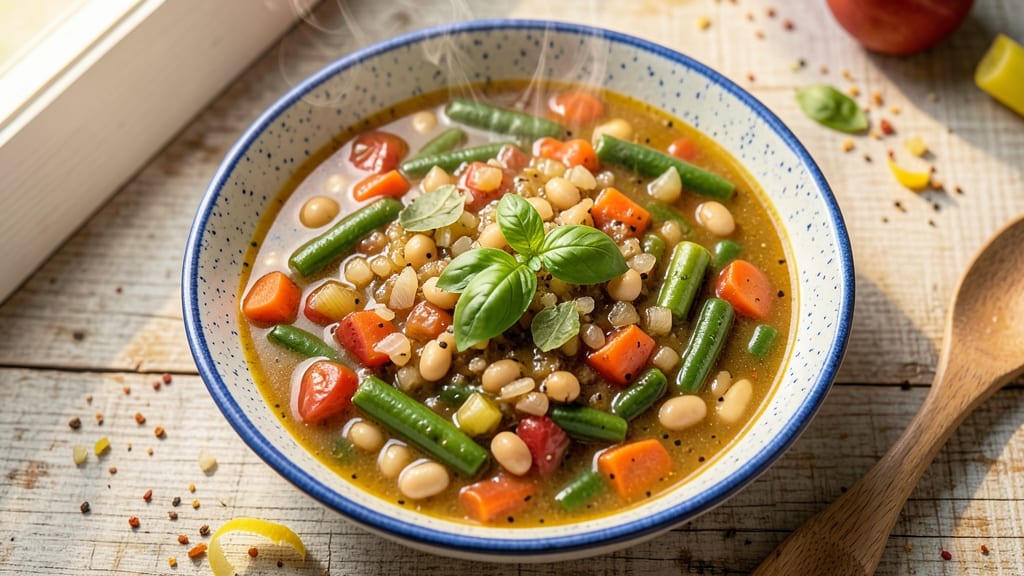
Betty Crocker's minestrone soup recipe delivers the ultimate one-pot comfort meal, packed with hearty vegetables and rich flavors that warm the soul. This classic Italian-inspired soup transforms simple ingredients into a nourishing dish that feels like a hug in a bowl.
The secret lies in building layers of flavor through sautéed aromatics, simmered tomatoes, and al dente pasta that absorbs the savory broth.
What makes this recipe special is its perfect balance of textures and flavors—tender beans, crisp vegetables, and perfectly cooked pasta all come together in a single pot. The traditional approach uses canned beans and tomatoes for convenience, but you can easily swap in fresh ingredients for a lighter touch.
This version stays true to Betty Crocker's reliable style while offering flexibility for modern preferences.
By the time you're done, you'll have a steaming bowl of minestrone that's rich with the aroma of garlic, herbs, and simmered vegetables. Each spoonful delivers a satisfying mix of hearty beans, vibrant veggies, and al dente pasta in a flavorful broth.
It's the kind of comforting meal that tastes even better when shared with family.
The best part? This recipe comes together in just 45 minutes with minimal prep work. Whether you're serving a crowd or meal prepping for the week, this hearty minestrone delivers restaurant-quality comfort without the fuss. Let's get cooking!
Ingredients for betty crocker minestrone soup
Betty Crocker's classic minestrone brings hearty vegetables and comforting flavors together in one pot.
| Ingredient | Amount | Notes |
|---|---|---|
| Vegetable Broth 💧 | 4 cups | Low-sodium preferred for flavor control |
| Canned Diced Tomatoes 🍅 | 2 cups | San Marzano preferred for sweetness |
| Green Beans 🌱 | 1 lb | Trimmed, cut into 1-inch pieces |
| Carrots 🥕 | 3 medium | Peeled, sliced into thin rounds |
| Celery Stalks 🧅 | 3 whole | Trimmed, chopped into 1/2-inch pieces |
| Onion 🧅 | 1 medium | Yellow or white, diced small |
| Garlic Cloves 🧄 | 4 cloves | Minced for aromatic depth |
| Zucchini 🥒 | 1 medium | Sliced into 1/4-inch half-moons |
| Canned Cannellini Beans 🌱 | 1 can (15 oz) | Drained and rinsed thoroughly |
| Ditalini Pasta 🍝 | 1 cup | Uncooked, al dente preferred |
| Fresh Basil Leaves 🌿 | ¼ cup | Chopped for bright freshness |
| Fresh Parsley 🌿 | 0.15 cup | Chopped for garnish |
| Extra-Virgin Olive Oil 🫒 | 2 tbsp | For sautéing aromatics |
| Dried Oregano 🌿 | 1 tsp | Italian variety preferred |
| Salt 🧂 | 1 ½ tsp | Kosher or sea salt |
| Black Pepper 🌶️ | ½ tsp | Freshly ground for heat |
The vegetables are the stars here—fresh is ideal, but frozen works in a pinch (no one will know!). For the best flavor, grab organic carrots and celery from the produce section—they've got more natural sweetness. The zucchini and green beans should be firm, not mushy. If you're prepping ahead, store chopped veggies in airtight containers for up to 3 days. For the beans, I always buy cannellini from Muir Glen—they're my go-to for texture and flavor. The ditalini pasta? Barilla or De Cecco are my top picks—they hold up perfectly in the soup without getting mushy.
No fresh basil? Dried oregano at half the amount works in a bind, but honestly, fresh basil makes all the difference. Swapping in other beans? Kidney beans or chickpeas add great texture—just rinse them well. No canned tomatoes? Fresh crushed tomatoes give a brighter flavor, but you'll need about 1.5 cups. For the broth, low-sodium is key—you'll be adding plenty of salt at the end. And if you're watching carbs, reduce the pasta to 1/2 cup or swap in extra beans. The olive oil matters too—use the fruity kind, not the cheap bottled stuff.
This soup tastes even better the next day—make extra portions for easy lunches. Store leftovers in airtight containers for up to 5 days or freeze for 3 months. I like to portion mine into individual containers so I can grab and go. The pasta gets softer when reheated, so add a splash of broth when warming. And if you're prepping for a crowd, double the veggies—this recipe scales perfectly. The herbs can be added fresh at the end if you're reheating.
Why You'll Love This Recipe
- No-Fuss Pantry Staples: I swear by this recipe when my fridge is bare—just broth, canned tomatoes, and whatever veggies I have lurking in the crisper. The celery and carrots add that classic minestrone backbone without needing a farmers' market haul.
- Tomato-Garlic Magic: That canned tomato base? It’s where the flavor lives. A splash of garlic powder and a pinch of Italian seasoning turn it into something rich and savory—like a hug in a bowl, but with more fiber.
- Lunchbox to Leftovers: Between us, this soup is my secret weapon for meal prep. Toss it in jars for work lunches or reheat it for days—it tastes just as good cold as it does hot. My kids even ask for it in their thermoses.
- Budget-Friendly Warmth: Honestly, this recipe costs me pennies per serving. The veggies stretch forever, and the broth keeps it hearty without breaking the bank. Perfect for when you want comfort food that won’t drain your wallet.
Step-by-step instructions for Betty Crocker's minestrone soup
This hearty soup comes together beautifully with simple techniques and fresh ingredients.
Sauté the Aromatic Vegetables
Heat the 2 tablespoons extra-virgin olive oil in a large Dutch oven or soup pot over medium heat. Add the 1 medium onion and 3 whole celery stalks (chopped into ½-inch pieces), cooking for 5 minutes until softened and translucent. This is your flavor foundation.
Add the 3 medium carrots (sliced into thin rounds) and cook for another 3 minutes until they begin to soften slightly. Stir occasionally to prevent sticking. The vegetables should release their natural juices and develop a light golden hue—this builds depth of flavor that carries through the entire soup.
Add Garlic and Tomatoes
Push the vegetables to one side of the pot and add the 4 cloves minced garlic to the empty space. Sauté for 30 seconds until fragrant—this prevents burning while maximizing flavor. Stir well to combine with the vegetables.
Pour in the 2 cups canned diced tomatoes and sprinkle with 1 teaspoon dried oregano. Let the mixture simmer for 5 minutes until the tomatoes break down slightly and the garlic aroma fully develops. This step creates a rich, slightly sweet base that balances the earthy vegetables.
Build the Vegetable Medley
Add the 1 pound green beans (cut into 1-inch pieces), 1 medium zucchini (sliced into ¼-inch half-moons), and 1 can (15 oz) drained cannellini beans. Stir gently to combine, then pour in the 4 cups vegetable broth. Bring everything to a gentle boil, then reduce heat to medium-low and let it simmer for 15 minutes. This allows the vegetables to soften while retaining their texture.
Here's the thing—don't skip the simmering time. The vegetables need this period to meld with the broth and develop their full flavor. You'll know it's ready when the green beans are tender-crisp and the carrots are fork-tender but still hold their shape.
Add Pasta and Season
Stir in the 1 cup uncooked ditalini pasta and the 1.5 teaspoons salt. The pasta will absorb some of the broth, so keep an eye on the soup. Simmer for another 8-10 minutes until the pasta is al dente and the soup has thickened slightly. You want the pasta to be firm to the bite—it'll continue cooking slightly when you remove it from heat.
Taste and adjust seasoning with ½ teaspoon black pepper if needed. The soup should be well-seasoned but not overly salty. If it needs more depth, a pinch of salt or a splash of broth can help balance the flavors.
Finish and Garnish
Remove the pot from heat and stir in the ¼ cup chopped fresh basil leaves and ⅛ cup chopped fresh parsley. Let the soup sit for 5 minutes to allow the herbs to infuse. This final step adds brightness and freshness that elevates the entire dish.
Ladle the soup into bowls and serve immediately. The aroma alone will make your kitchen feel like a cozy Italian trattoria. The combination of tender vegetables, hearty beans, and al dente pasta creates a satisfying bowl of comfort that's perfect for any chilly day.
Pro Tips For Making Betty Crocker Minestrone Soup
- Sweat the Veggies First: If you toss in carrots, celery, and green beans raw with the broth, you’ll end up with a mushy, watery mess. Instead, cut the carrots into ¼-inch slices and the celery into ½-inch pieces, then cook them in a dry pot over medium heat for 5 minutes before adding liquid. This jumpstarts their flavor and texture—no one wants rubbery celery in their soup.
- Drain and Rinse Tomatoes: That canned diced tomato sauce is convenient, but it’s packed with excess liquid that’ll dilute your broth. Drain it well and give it a quick rinse under cold water to remove any clinging syrup or preservatives. Your soup will taste richer and less watery—trust me, the extra 30 seconds saves you from a bland bowl.
- Add Beans Last: If you include canned beans (like the recipe likely suggests), toss them in only during the final 5 minutes of simmering. Otherwise, they’ll turn to mush and soak up all the broth, leaving you with a thick, gluey consistency. Pro move: Rinse them first to cut down on sodium, too.
- Boost Flavor with Aromatics: The Betty Crocker recipe might not call for it, but a splash of minced garlic and a bay leaf while the veggies sweat will add depth. If you’re short on time, just toss in a spoonful of dried Italian herbs with the tomatoes—it’s the difference between “meh” and “I’d pay for this at a restaurant.”
Troubleshooting this dish
Mushy Vegetables
Overcooking your veggies is the #1 way to ruin minestrone. The key is timing—green beans and zucchini should cook just until tender-crisp (15 minutes total simmer). If your carrots turn to mush, you've gone too long.
I recommend checking them at 12 minutes and adjusting heat to low if needed. For extra control, add harder veggies (like carrots) first and more delicate ones (green beans) later in the cooking process. 🌱
Pasta Too Soft
Pasta that turns to mush happens when you add it too early or cook it too long. Remember: ditalini should go in during the final 8-10 minutes of cooking. If your pasta is still crunchy after 10 minutes, add ½ cup hot broth and simmer 2-3 minutes more.
Pro tip: Use al dente pasta from brands like Barilla—they hold up better in soups. For extra insurance, undercook pasta by 1 minute before adding to soup.
Broth Too Thin
A watery soup ruins all the hard work you put into flavor. If your broth looks too thin, try these fixes: Simmer uncovered for 5-10 minutes to reduce naturally, or stir in 1 tablespoon cornstarch mixed with 2 tablespoons cold water and simmer 2 minutes.
For prevention, use reduced-sodium broth (it concentrates better) and add pasta last. I also recommend starting with 3 cups broth instead of 4 if you're concerned about consistency. 💧
Lacking Flavor Depth
Minestrone should taste complex, not bland. If yours falls flat, try these boosters: Add 1 teaspoon balsamic vinegar at the end for umami depth, or stir in ½ teaspoon smoked paprika with the tomatoes. For extra richness, use 1 tablespoon tomato paste when sautéing onions.
And don't skip the garlic—5 cloves instead of 4 makes a noticeable difference. Taste as you go and adjust seasoning gradually rather than dumping salt at the end.
Pasta Floating on Top
This happens when pasta absorbs too much liquid too quickly. To fix it, stir vigorously when adding pasta to distribute it evenly. For prevention, add pasta to the soup when it's at a gentle simmer (not boiling) and stir immediately.
If you see pasta rising, press it down gently with a wooden spoon. Another trick: Add pasta to slightly cooler soup (180°F instead of boiling) to slow absorption. This keeps those noodles happily submerged where they belong.
Herbs Tasting Bitter
Fresh herbs can turn bitter if cooked too long. Always add basil and parsley in the final 5 minutes of cooking or stir them in off-heat. For extra freshness, add a few whole basil leaves while serving—guests can tear them in themselves.
If using dried herbs, reduce to ½ teaspoon and add them with the tomatoes. And here's a secret: A pinch of sugar (¼ teaspoon) with the herbs can balance any bitterness while adding subtle sweetness. 🌿
Nutrition facts
Frequently asked questions
Can I make this minestrone soup vegetarian?
Simply replace the vegetable broth with 4 cups vegetable broth (or mushroom broth for extra depth) and swap the cannellini beans for chickpeas or white beans if you prefer. The recipe already includes plenty of plant-based ingredients like tomatoes, zucchini, and green beans, making it naturally adaptable. Just ensure your broth is labeled vegetarian to avoid any meat-based additives.
How do I adjust the recipe for a slow cooker?
For a slow cooker version, combine all ingredients except the fresh herbs in your 6-quart slow cooker and cook on LOW for 6-7 hours or HIGH for 3-4 hours. Add the pasta during the final 30 minutes of cooking to prevent mushiness. The herbs should be stirred in just before serving. This method actually enhances the flavors as everything simmers gently together.
What can I substitute if I don't have ditalini pasta? Any small, tubular pasta works well—try small shells, orzo, or even broken spaghetti. For a different texture, use 1 cup small pasta shapes like rotini or bowtie. If you're avoiding gluten, gluten-free ditalini or brown rice pasta are excellent substitutes. Just
Can I prepare this soup ahead of time?
This minestrone tastes even better the next day! Let it cool completely, then store in airtight containers in the refrigerator for up to 5 days. For freezing, portion into individual containers and freeze for up to 3 months. When reheating, add ¼ cup broth per serving to restore moisture. The flavors meld beautifully overnight, making it perfect for meal prep.
Why does my minestrone taste too salty?
Most likely, you used regular broth instead of low-sodium or added salt too early. To fix it, dilute with ½ cup water per serving and stir in 1 tablespoon lemon juice to balance flavors. For prevention, taste as you go and add salt gradually. Remember, you can always add more, but you can't remove excess salt. The recipe's 1.5 tsp salt is designed for low-sodium broth.