
Soups & Stews
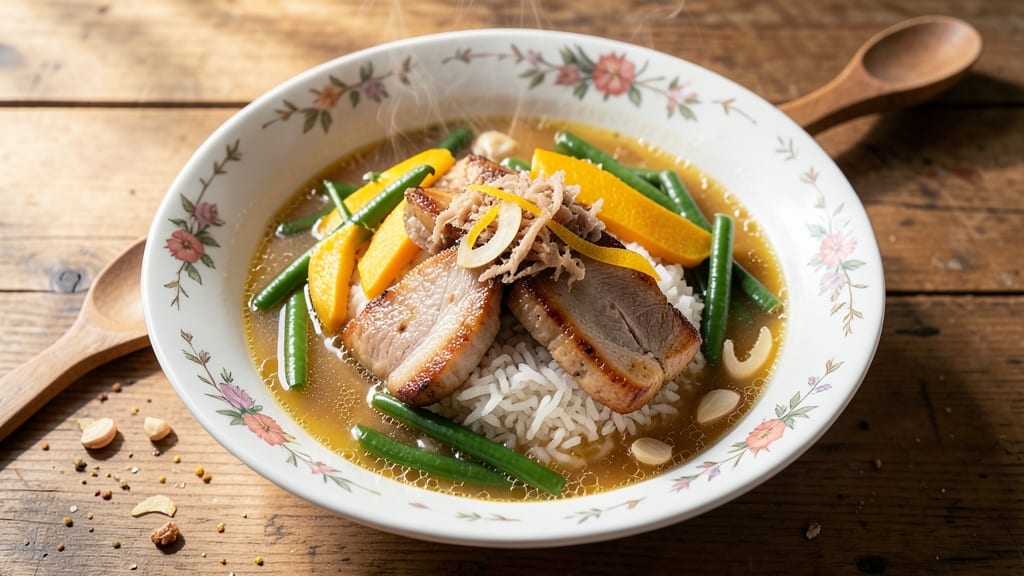
This Filipino bihon soup recipe brings comfort and tradition to your kitchen with its hearty blend of tender pork, fresh vegetables, and fragrant broth. 🌟 The dish is a staple in Filipino households, where it’s cherished for its simplicity and ability to nourish.
Simmered just right, it transforms humble ingredients into a flavorful, satisfying meal that’s perfect for family gatherings or cozy weeknight dinners.
The magic of bihon lies in its balance—pork that melts in your mouth, vegetables like squash and string beans that soften just enough to soak up the savory broth, and rice that absorbs all the delicious flavors.
What makes this recipe special is the slow simmering process, which allows the ingredients to meld together into a harmonious, aromatic stew. It’s the kind of dish that feels like a warm hug in a bowl.
By the time you’re done, you’ll have a perfectly seasoned soup with tender meat, vibrant vegetables, and a rich broth that’s packed with umami. The aroma alone will have everyone at the table asking for seconds.
This recipe stays true to its roots while being approachable enough for any home cook to master.
The beauty of bihon is its versatility—you can adjust the vegetables based on what’s in season or even swap pork for chicken if preferred. Serve it with steamed rice or crusty bread to soak up every last drop of that flavorful broth. Let’s get cooking!
Ingredients for bihon soup recipe filipino
Pantry staples meet Filipino flavors in this hearty pork and vegetable stew.
| Ingredient | Amount | Notes |
|---|---|---|
| Pork Shoulder 🥩 | 1 ½ lb | Cut into 2-inch cubes |
| Long Grain White Rice 🍚 | 1 cup | Uncooked, for serving |
| Yellow Squash 🍠 | 2 medium | Cut into 1-inch slices |
| Green String Beans 🌱 | 1 cup | Trimmed and halved |
| Fresh Ginger 🌿 | ½ inch | Peeled and sliced thin |
| Garlic Cloves 🧄 | 6 cloves | Minced for aroma |
| Onion 🧅 | 1 medium | Chopped into wedges |
| Tomatoes 🍅 | 2 medium | Quartered, vine-ripened |
| Chicken Broth 💧 | 4 cups | Low-sodium preferred |
| Olive Oil 🫒 | 2 tbsp | Extra-virgin for richness |
| Salt 🧂 | 1 tsp | Kosher or sea salt |
| Black Pepper 🌶️ | ½ tsp | Freshly ground preferred |
| Bay Leaves 🌿 | 2 whole | Dried, for depth |
| Soy Sauce 🍶 | 1 tbsp | For umami richness |
The pork shoulder is key here—look for well-marbled cuts at the butcher counter or pre-cut sections in the meat department. Costco or Filipino grocery stores often carry it pre-cubed, saving you time. If you can't find pork shoulder, pork butt works just as well. For the vegetables, freshness matters most—bright green string beans and firm yellow squash are non-negotiable. The ginger and garlic? Always buy fresh—dried just won't cut it for that authentic flavor. Pro tip: Peel the ginger with a spoon to avoid those stubborn bits stuck under your nails.
No pork? Chicken thighs are a great swap—they stay tender during the long simmer. Fresh ginger too expensive? Ground ginger at half the amount works, but you'll miss that zesty kick. The tomatoes can be canned if fresh aren't in season—San Marzano is ideal, but any good-quality crushed tomatoes will do. Soy sauce out? Fish sauce at half the amount adds umami, but keep it to a teaspoon or two. For the broth, homemade is best, but Swanson or Pacific brand low-sodium versions are solid shortcuts. And if you're feeling adventurous, swap the squash for eggplant or kabocha—just add them later so they don't turn mushy.
This soup tastes even better the next day—make a double batch and freeze portions for quick meals. Store leftovers in the fridge for 3-4 days or freeze for up to 3 months. The rice? Cook it fresh when serving—jasmine rice works perfectly, but any long-grain will do. For extra flavor, save the broth from cooking the rice and stir it into the soup at the end. That's the secret to restaurant-quality bihon every time.
Why You'll Love This Recipe
- Minimal Chopping Required: I swear by this—just slice the pork shoulder into chunks, trim the squash and beans, and grate that ginger. No dicing, no juliennes, just rough cuts that disappear into the broth like magic.
- Pork Gets Better Next Day: Between us, the pork shoulder turns ridiculously tender after simmering. First night it’s solid, second night it’s falling apart—perfect for reheating with a splash of water or even tossing into fried rice later.
- Ginger-Garlic Punch: That fresh ginger and pork broth combo? It’s like a warm hug in a bowl. The squash and beans soak up the flavor without overpowering it, and honestly, the first spoonful makes me forget about takeout menus.
- One-Pot Crowd Feeder: This is my go-to for family dinners or potlucks—just double the rice and veggies, and you’ve got a dish that serves six with leftovers that actually taste better cold. (Yes, even on a Tuesday night.)
Step-by-step instructions for bihon soup Filipino
Here's how to make this comforting Filipino stew with tender pork and vibrant veggies.
🔥 Step 1: Sear the Pork Shoulder for Rich Flavor
Heat the 2 tablespoons olive oil in a large pot over medium-high heat. Add the 1.5 lb pork shoulder cut into 2-inch cubes, working in batches if needed so they don't overcrowd. Let them sear for 3-4 minutes per side until they develop a deep golden-brown crust. This step builds serious flavor - don't skip it!
Once all pork is browned, remove it from the pot and set aside. You'll notice the bottom of the pot has those beautiful browned bits - those are flavor gold. We'll scrape them up later when we deglaze. Here's where it gets fun - toss in the 6 cloves minced garlic cloves and 0.5 inch sliced fresh ginger. Cook for 30 seconds until fragrant - you'll smell that aromatic punch right away.
🍳 Step 2: Build the Aromatic Base
Add the 1 medium chopped onion and cook for 2-3 minutes until softened and translucent. Now it's time to deglaze - pour in the 4 cups chicken broth and scrape up all those browned bits from the bottom with a wooden spoon. This releases all that meaty flavor we just built.
Bring the broth to a gentle boil, then reduce heat to medium-low. Add the 2 whole bay leaves, 1 tablespoon soy sauce, 1 teaspoon salt, and 0.5 teaspoon black pepper. Stir everything together and let it simmer for 10 minutes. This gives the broth time to infuse with all those wonderful aromatics and start developing its rich, savory depth.
🥘 Step 3: Cook the Pork Until Tender
Return the pork shoulder to the pot and bring everything back to a gentle simmer. Here's the thing - we want this pork to become fork-tender and fall-apart juicy. Cover the pot and let it cook for 45-60 minutes, stirring occasionally, until the pork is completely tender and easily pulls apart with two forks.
While the pork cooks, you'll notice the broth reduces slightly and becomes even more flavorful. This is where that soy sauce really shines, adding umami richness that's characteristic of Filipino cooking. If the broth gets too low, you can add a splash of water - but try to resist unless absolutely necessary.
🍳 Step 4: Add Vegetables for Color and Texture
Once the pork is tender, it's time to add the vegetables. First, add the 2 medium quartered tomatoes and 1 cup halved green string beans. Let them cook for 5 minutes until the tomatoes soften slightly and the string beans start to brighten in color.
After 5 minutes, add the 2 medium yellow squash cut into 1-inch slices. Give everything a gentle stir and let it cook uncovered for another 5-7 minutes until all vegetables are tender but still hold their shape. You want them to be cooked through but still vibrant - they should have a nice bite to them, not mushy.
⏰ Step 5: Serve with Steamed Rice
Remove the 2 bay leaves and taste the soup. Adjust seasoning if needed - you might want to add a bit more salt or soy sauce to taste. Ladle the hot soup over 1 cup uncooked long grain white rice that you've steamed separately. The rice should be perfectly fluffy and steamed to perfection.
Serve immediately with extra rice on the side. This is where the magic happens - each spoonful delivers tender pork, flavorful broth, and vibrant vegetables all in one comforting bite. The rice soaks up all that delicious broth, making every mouthful even more satisfying. Enjoy your homemade bihon soup!
Pro Tips For Making Bihon Soup Recipe Filipino
- CUT PORK INTO 1-INCH CHUNKS: I learned this the hard way—tiny pieces turn to mush, and huge hunks stay chewy. Pork shoulder should be uniform 1-inch cubes so they cook evenly and absorb the broth without falling apart. A sharp knife and steady hand make this faster than you’d think.
- BLANCH VEGETABLES BEFORE ADDING: Skip the mushy squash and beans—give them a quick 2-minute blanch in boiling water, then shock in ice water. This keeps their color bright and texture crisp, even after simmering. (Yes, it’s extra work, but your soup will look and taste better.)
- USE A PRESSURE COOKER FOR PORK: If you’re short on time, cook the pork under pressure for 20 minutes instead of simmering for hours. The meat stays tender and the broth infuses faster—just remember to add the veggies after pressure releases. No pressure cooker? A Dutch oven on low heat still works, but patience is key.
- SALT THE BROTH AFTER SIMMERING: Adding salt early dilutes the flavors as water evaporates. Wait until the pork and rice are almost done, then season the broth to taste—this guarantees the right balance without over-salting. (Pro move: Taste the pork first; if it’s bland, the broth needs salt too.)
Troubleshooting your bihon soup recipe filipino
Pork Too Tough
If your pork ends up tough instead of tender, it likely didn’t simmer long enough. The key is patience—pork shoulder needs 45-60 minutes of gentle simmering to break down properly. I’ve found that using a meat thermometer helps: pull the pork when it hits 205°F internally.
Another trick? Add 1 tablespoon apple cider vinegar with the broth to tenderize the meat naturally. 💡
Broth Too Thin
A watery broth usually means the pork released too much liquid or the vegetables were added too early. Start by skimming excess fat from the broth as it simmers. For extra richness, reduce the broth uncovered for 5-10 minutes at the end to concentrate the flavors.
If it’s still thin, stir in 1 tablespoon cornstarch mixed with 2 tablespoons water and simmer for 2 minutes to thicken it slightly.
Vegetables Mushy
Overcooked vegetables ruin the texture of bihon. The secret is timing—add harder vegetables like squash later in the cooking process. I recommend adding string beans and tomatoes first, then squash in the final 5-7 minutes of cooking.
For extra protection, blanch squash slices in boiling water for 30 seconds before adding them to the pot. This jumpstarts their cooking and prevents them from turning to mush. 🥗
Lack of Flavor
If your soup tastes bland, it’s likely missing the umami boost from proper seasoning. First, ensure you’re using fresh ginger and garlic—they’re flavor powerhouses. For extra depth, add 1 teaspoon fish sauce or ½ teaspoon MSG (if you keep it in your pantry) along with the soy sauce.
Another trick? Toast the bay leaves in a dry pan for 30 seconds before adding them to the broth to intensify their aroma.
Rice Too Dry
If your rice ends up dry and separate, it’s probably not absorbing enough broth. The fix? Cook the rice slightly underdone (about 1 minute less than package instructions) and serve it directly in the soup pot.
The residual heat will steam the rice perfectly while it soaks up the broth. For extra insurance, add ¼ cup reserved broth to the rice before serving. This ensures every bite is moist and flavorful. 🍚
Nutrition facts
Frequently asked questions
What makes bihon soup different from other Filipino soups?
Bihon soup stands out because it's a one-pot meal that combines rice, vegetables, and meat in a single pot. Unlike other Filipino soups like sinigang (tangy) or laing (coconut-based), bihon relies on a savory broth with tender pork and fresh vegetables like squash and string beans. The rice absorbs all the flavors, making each bite hearty and satisfying. It's essentially a Filipino-style "rice soup" with a meaty twist!
Can I substitute pork with another protein?
While pork shoulder is traditional, you can use chicken thighs (for a lighter option) or even beef chuck (for extra richness). Just adjust the cooking time - beef needs about 10-15 minutes longer than pork to become tender. For seafood lovers, shrimp or white fish work well too, but add them in the last 5 minutes of cooking to prevent overcooking.
How do I make this soup more flavorful?
For deeper flavor, try these pro tips: Toast your garlic and ginger in the oil before adding other ingredients, use freshly ground black pepper instead of pre-ground, and add 1 teaspoon fish sauce or ½ teaspoon MSG along with the soy sauce. Another secret? Save the broth from cooking the rice and stir it into the soup at the end - this adds that restaurant-quality richness!
Can I prepare bihon soup ahead of time?
Yes! This soup actually tastes better the next day as the flavors meld together. Cook it completely, then let it cool and refrigerate for up to 3 days. When reheating, warm it gently on the stove with a splash of water to restore the broth consistency. For longer storage, freeze portions for up to 3 months. Just thaw overnight in the fridge before reheating.
What vegetables can I use besides squash and string beans?
You can get creative! Swap squash for eggplant, kabocha, or zucchini, and try green beans, carrots, or bell peppers instead of string beans. For extra nutrition, add spinach or bok choy in the last 3 minutes of cooking. Just remember - harder vegetables need longer cooking time, while delicate greens should go in last to maintain their texture.