
Soups & Stews
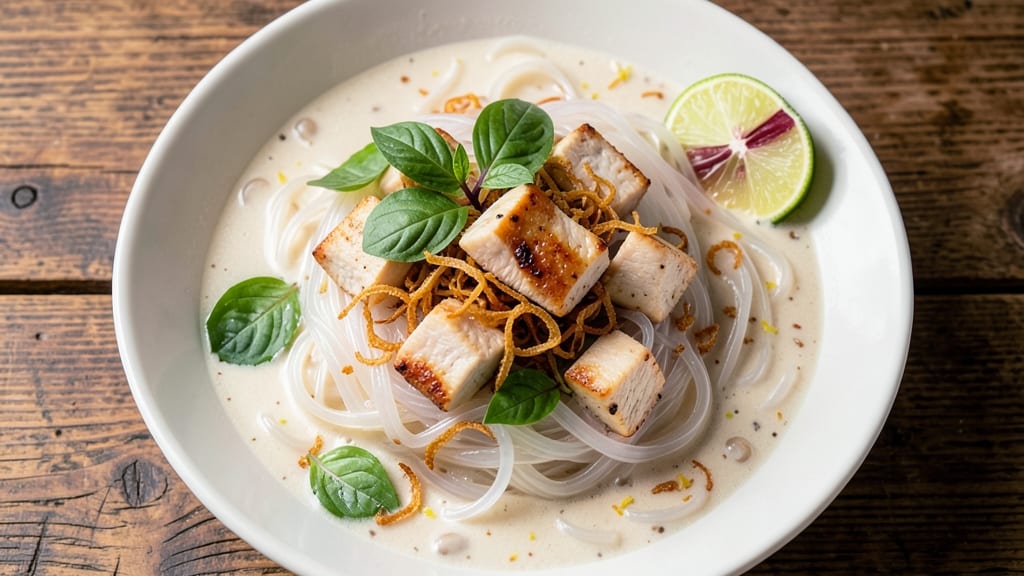
This bihun soup recipe brings the comforting flavors of Southeast Asia to your kitchen with its delicate glass noodles and aromatic coconut-lime broth.
The key to this dish lies in balancing the rich, creamy coconut milk with bright lime and fragrant herbs, creating a harmony of textures and tastes that’s both satisfying and refreshing.
I’ve refined this recipe to deliver restaurant-quality results at home, using simple techniques that yield a broth so flavorful it’ll have everyone asking for seconds.
The foundation of great bihun soup starts with a well-built broth—whether you choose a light chicken stock or a heartier vegetable base, the secret is simmering it long enough to develop deep, savory notes.
Glass noodles, or bihun, soak up the broth beautifully, turning soft and translucent while maintaining their signature chewiness. The addition of protein—like tender chicken, tofu, or fish balls—adds substance, while fresh herbs and lime zest brighten every spoonful.
What makes this recipe truly special is its adaptability. You can easily swap in shrimp for a seafood twist or mushrooms for a vegetarian version, all while keeping the dish’s signature balance of creamy, tangy, and umami flavors.
The garnishes—crispy fried shallots, fresh Thai basil, and a squeeze of lime—elevate each bowl, turning a simple soup into a dish that feels like a celebration.
Perfect for a cozy weeknight dinner or a special gathering, this bihun soup is as comforting as it is elegant. The process is straightforward, but the results are anything but basic—rich, aromatic, and impossible to resist. Let’s get started on creating a bowl that’s pure comfort in every bite.
Ingredients for bihun soup
Glass noodles, coconut milk, and fragrant herbs—just a few ingredients for a bowl of restaurant-quality comfort.
| Ingredient | Amount | Notes |
|---|---|---|
| Glass Noodles (Bihun) 🍜 | 8 oz | Dried, soak separately before adding |
| Chicken Breast 🍗 | 1 ½ lb | Boneless, skinless, cubed small |
| Coconut Milk 🥥 | 1 ½ cups | Full-fat for creaminess, canned |
| Lime Juice 🍋 | ½ cup | Freshly squeezed, strained |
| Thai Basil Leaves 🌿 | ½ cup | Packed, stems removed |
| Garlic Cloves 🧄 | 6 cloves | Minced finely for aroma |
| Shallots 🧅 | 3 whole | Minced, for depth of flavor |
| Chicken Stock 💧 | 4 cups | Homemade or high-quality store-bought |
| Fish Sauce 🍶 | 1 ½ tbsp | Red Boat preferred for quality |
| Palm Sugar 🍯 | 2 tbsp | Or brown sugar if unavailable |
| Crispy Fried Shallots 🧅 | ¼ cup | Store-bought or homemade |
| Lime Zest 🍋 | 1 tbsp | Freshly grated for brightness |
| Salt 🧂 | 1 tsp | Diamond Crystal kosher preferred |
| Black Pepper 🌶️ | ½ tsp | Freshly ground for heat |
The glass noodles are the star here, so grab bihun from an Asian market—the ones labeled 'vermicelli' or 'rice noodles' won't cut it. Thai Kitchen or Three Crabs brands are reliable, but check the package for '100% mung bean' to ensure authenticity. The coconut milk should be full-fat (none of that low-fat nonsense)—Thai Kitchen or Aroy-D cans are my go-to, but any canned brand works. For the chicken, boneless, skinless breasts are easiest, but thighs stay juicier if you're feeling fancy. The fish sauce? Red Boat is worth the splurge—it adds that signature umami punch without overpowering.
No coconut milk? Substitute with cashew cream (blend soaked cashews with water) for a lighter texture. Running short on Thai basil? Regular basil plus a pinch of cinnamon gets you close, though the anise flavor is unmatched. The palm sugar is non-negotiable for that authentic sweetness—brown sugar works in a pinch, but it lacks the caramel notes. For extra richness, add 1 tbsp of toasted sesame oil at the end. And if you're making this ahead, prep the broth base first—it keeps for 3 days in the fridge, so you can assemble bowls as needed.
Store the dry glass noodles in an airtight container away from light—they last 6 months unopened. Fresh Thai basil? Wrap it in damp paper towels and store in a sealed bag for 5 days. The broth base reheats beautifully—just bring it to a simmer and add fresh herbs at the end. For a make-ahead shortcut, cook the noodles separately and keep them chilled. Toss them into the hot broth for 30 seconds before serving—no soggy noodles here. Garnishes like crispy shallots and lime zest should be added fresh, but you can toast shallots in advance and store them in a jar for 2 weeks.
Why You'll Love This Recipe
- No-Fuss Noodles: I swear by this recipe when I’m too tired to chop much. The glass noodles soak in minutes, and the chicken shreds itself after a quick simmer—no knife skills required.
- Creamy-Tangy Magic: That first sip of coconut milk and lime? Pure satisfaction. The richness balances the bright Thai basil, and the noodles soak up every last drop like a sponge.
- Leftover Hero: This soup only gets better the next day. The flavors meld overnight, and reheating it is a breeze—just a splash of water and a stir. My lunchbox’s new best friend.
- Budget Bright Spot: A single chicken breast stretches for four servings, and coconut milk adds luxury without breaking the bank. Plus, Thai basil grows like a weed—cheap, fresh, and always on hand.
Step-by-step instructions for bihun soup with coconut-lime broth
Here's how to create a silky, aromatic soup where glass noodles absorb the perfect balance of coconut creaminess and bright citrus.
Prepare the Glass Noodles and Chicken
First, soak the 8 oz glass noodles (bihun) in hot water for 5-7 minutes until pliable but still slightly firm. Drain and set aside. Meanwhile, cube the 1.5 lb chicken breast into ½-inch pieces - I find using a sharp chef's knife makes this much easier. Pat them completely dry with paper towels to ensure they sear properly later.
While the noodles soak, heat 2 tablespoons neutral oil in a large pot over medium-high heat. Add the chicken pieces in a single layer and cook undisturbed for 3-4 minutes until they develop a golden crust. This initial sear locks in juices and builds deep flavor. Stir occasionally to ensure even browning, then remove the chicken and set aside temporarily.
Build the Aromatic Base
In the same pot, reduce heat to medium and add 3 minced shallots and 6 minced garlic cloves. Sauté for 1-2 minutes until fragrant and just beginning to color - you should smell that sweet, oniony aroma. Be careful not to let them burn, as this would make the broth bitter.
Add 2 tablespoons palm sugar and stir for 30 seconds until it melts and caramelizes slightly. This sweetness balances the acidity later. Pour in 4 cups chicken stock and bring to a gentle simmer. The broth should now have a rich, golden hue and inviting aroma.
Create the Coconut-Lime Broth
Stir in 1.5 cups coconut milk and 1.5 tablespoons fish sauce, then return the chicken to the pot. Simmer for 10-12 minutes until the chicken is fully cooked through and tender. You'll know it's ready when it reaches 165°F internally and pulls apart easily with a fork.
Remove the chicken with a slotted spoon and set aside. Add 0.5 cup lime juice and 1 tablespoon lime zest to the broth, stirring well. The broth should take on a beautiful golden color with subtle citrus swirls. Taste and adjust seasoning with 1 teaspoon salt and 0.5 teaspoon black pepper as needed.
Finish with Noodles and Garnishes
Add the drained glass noodles to the broth and simmer gently for 3-4 minutes until they're heated through and slightly softened. The noodles should float just below the surface, absorbing the coconut-lime flavors. If the broth becomes too thick, add ¼ cup hot water to reach your preferred consistency.
Return the chicken to the pot and stir in 0.5 cup Thai basil leaves and 0.25 cup crispy fried shallots. The basil will release its aromatic oils as it warms, while the fried shallots add a delightful textural contrast. Let everything sit together for 2 minutes to meld the flavors.
Pro Tips For Making Bihun Soup
- SOAK BIHUN IN HOT WATER: I learned this the hard way—cold water turns glass noodles into a mushy mess. Dump them in boiling water for 3-4 minutes, then drain and rinse with cold water to stop cooking. This keeps them chewy and separate, not glued together like overcooked spaghetti.
- SIMMER CHICKEN LOW AND COVERED: High heat makes chicken breast dry and rubbery, and you don’t want that in a creamy coconut soup. Poach it at a gentle simmer (just bubbles breaking the surface) for 12-15 minutes with a splash of water, covered. The chicken will stay juicy and shred easily—no one likes fighting dry meat in soup.
- STRAIN COCONUT MILK: Full-fat coconut milk can make your soup look like a swamp if you don’t strain it first. Line a fine-mesh sieve with cheesecloth or a coffee filter, then pour the milk through to remove any grit or thick residue. Your soup will be smoother, and you’ll avoid that weird texture that ruins the whole dish.
- ADD LIME JUICE LAST: Too much acid upfront curdles the coconut milk, and nobody wants a lumpy soup. Stir in lime juice only after the chicken and broth are cooked, just before serving. A squeeze of fresh lime brightens the flavors without turning your soup into a science experiment. (Yes, even if you’re impatient like me.)
Common mistakes when making perfect results
Over-Soaking Noodles
Glass noodles are delicate—soaking them for more than 7 minutes turns them mushy and loses that signature chewy texture. I’ve ruined a batch by leaving them too long, so set a timer!
Drain immediately when they’re pliable but still firm to the touch. If you’re prepping ahead, store them dry in an airtight container and soak just before assembling the soup. 🍜
Skipping the Sear
That golden crust on the chicken isn’t just for looks—it locks in juices and adds depth of flavor. If you skip searing and just simmer the chicken in the broth, it’ll turn out bland and dry.
Use a sharp chef’s knife for clean cuts and pat the chicken completely dry before cooking to ensure a proper sear. Trust me, your soup will taste worlds better. 🔥
Adding Coconut Milk Too Early
Coconut milk curdles when exposed to high heat, and adding it too soon ruins the silky texture. Wait until after you’ve built the aromatic base and simmered the chicken. Stir in the 1.5 cups coconut milk gently over low heat to avoid breaking it down.
If the broth looks too thick, thin it with a splash of hot water, not cold—temperature shocks can cause separation. 🥥
Ignoring the Fish Sauce
Fish sauce is the umami secret weapon in this soup—don’t skimp! The 1.5 tablespoons Red Boat fish sauce might seem like a lot, but it balances the coconut’s sweetness and enhances the broth’s depth.
If you’re sensitive to strong flavors, start with 1 tablespoon and adjust to taste. Using a lower-quality brand? You’ll need even more to achieve the same impact. 🍶
Overcooking the Noodles
Once the noodles hit the broth, they only need 3-4 minutes to heat through—any longer and they’ll turn to mush. Keep the broth at a gentle simmer, not a rolling boil, to prevent them from breaking down.
If your noodles are still firm after 4 minutes, they were likely over-soaked to begin with. 💡
Neglecting the Garnishes
Those crispy fried shallots and Thai basil aren’t just decoration—they add texture and freshness that elevate the dish. Stir in the 0.5 cup Thai basil at the very end so it doesn’t wilt in the hot broth, and sprinkle the 0.25 cup fried shallots on top for a satisfying crunch.
A squeeze of lime zest right before serving ties everything together. Don’t skip this step—it’s what makes the soup feel restaurant-quality! ✨
Nutrition facts
Frequently asked questions about bihun soup
Can I make bihun soup vegetarian?
Swap the chicken for firm tofu or mushrooms like shiitake or oyster. For extra protein, add vegetarian fish balls or chickpeas. Keep the fish sauce for umami depth, but reduce to 1 tablespoon if you're sensitive to flavors. The coconut-lime broth will still shine with plant-based ingredients!
How long can I store leftover bihun soup?
Store leftovers in an airtight container in the fridge for up to 3 days. The broth actually tastes better the next day as flavors meld! To reheat, warm gently on the stove over low heat—never microwave, as it can make the noodles rubbery. Add a splash of water if the broth thickens. Garnish with fresh herbs before serving.
What if I don't have Thai basil?
Regular basil works in a pinch, but for authenticity, try cilantro or mint instead. For a deeper flavor, add ½ teaspoon ground cinnamon to mimic Thai basil's anise notes. The key is balancing the coconut's richness with fresh, bright herbs—don't skip this step entirely!
Can I use instant noodles instead of glass noodles?
Not recommended! Glass noodles have a delicate, chewy texture that regular noodles can't replicate. If you're desperate, try rice vermicelli (look for "bihun" or "rice stick noodles" in Asian markets). Soak them for 3-5 minutes until pliable. The flavor will be different, but the soup will still be delicious.
Why did my broth separate?
This usually happens when coconut milk curdles from high heat or cold temperature shocks. Always add coconut milk after building the aromatic base, and stir gently over low heat. If it separates, whisk in 1 tablespoon cornstarch mixed with water to stabilize it. For next time, use full-fat coconut milk and avoid sudden temperature changes.