
Soups & Stews
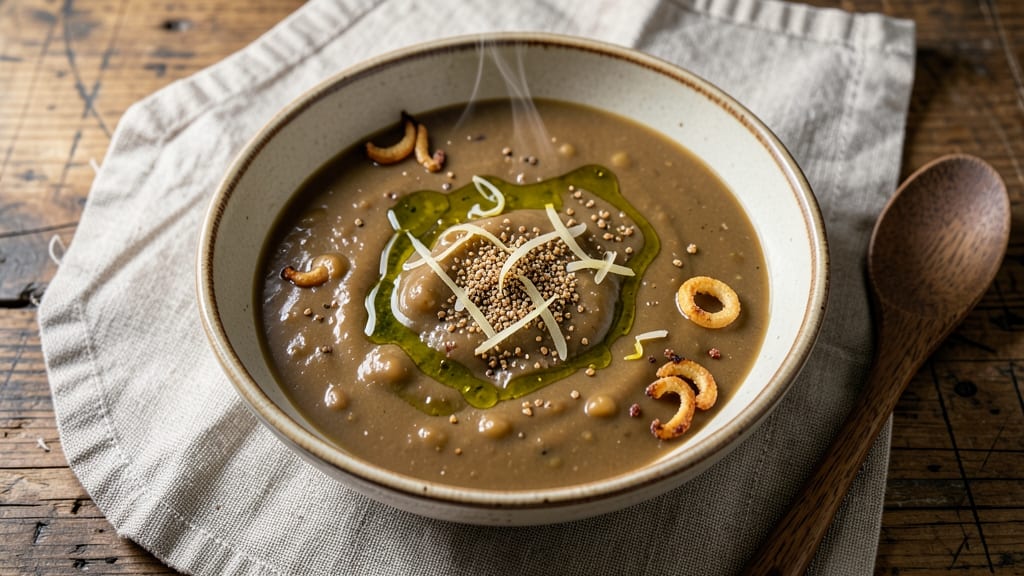
Bissara soup transforms humble fava beans into a velvety, garlicky masterpiece that feels like a warm hug in a bowl. This traditional North African dish—vegan, protein-rich, and ready in just 20 minutes—is more than a meal; it’s a taste of home for those who grew up with its earthy depth and crispy garlic crunch. The secret lies in blending cooked fava beans with garlic, cumin, and a touch of olive oil until it reaches that signature creamy texture, then crowning it with toasted garlic for texture that pops.
What makes bissara special is its simplicity and versatility—no fancy ingredients, just pantry staples that come together effortlessly. The soup’s rich, garlicky flavor profile makes it a staple in Moroccan and Tunisian cuisine, often served as a breakfast dish or light lunch.
The key is balancing the earthiness of the fava beans with the bold punch of garlic and cumin, creating a harmony that’s both comforting and satisfying.
By the time you finish this recipe, you’ll have a bowl of creamy, aromatic bissara that’s ready to be enjoyed with crusty bread or as a standalone dish. The texture is unmistakable—smooth yet slightly thick, with a satisfying bite from the toasted garlic.
It’s the kind of soup that feels indulgent yet light, perfect for any season or occasion.
Whether you’re exploring vegan comfort food or rediscovering traditional flavors, bissara delivers. The recipe scales easily, so you can make a small batch for two or double it for a crowd. Let’s get cooking—this soup is a game-changer for anyone who loves bold, plant-based flavors.
Ingredients for bissara soup
Pantry staples and a handful of fresh ingredients transform into this creamy, garlicky North African classic.
| Ingredient | Amount | Notes |
|---|---|---|
| Dried Fava Beans 🌱 | 1 ½ cups | Soaked overnight, drained |
| Garlic Cloves 🧄 | 12 whole | 6 for blending, 6 for toasting |
| Ground Cumin 🌿 | 1 ½ tbsp | Freshly toasted preferred |
| Extra-Virgin Olive Oil 🫒 | ½ cup | High quality, fruity |
| Vegetable Broth 💧 | 3 cups | Low sodium preferred |
| Lemon Juice 🍋 | 2 tbsp | Freshly squeezed |
| Sea Salt 🧂 | 1 ½ tsp | Diamond Crystal preferred |
| Ground Black Pepper 🌶️ | ½ tsp | Freshly ground |
| Fresh Cilantro 🌿 | ¼ cup | Chopped, for garnish |
| Crusty Bread 🍞 | 4 slices | For serving |
The fava beans are the star—dried works best (canned is fine in a pinch, but texture suffers). Soak them overnight and rinse well before cooking. Middle Eastern markets often carry dried fava beans in bulk, but any grocery store will have them. The garlic? Fresh is non-negotiable—both for the creamy base and the crispy topping. I usually grab a whole head at Trader Joe's because it's cheaper than buying individual cloves. Toast the cumin seeds whole for 30 seconds in a dry pan before grinding—that extra step makes all the difference.
No vegetable broth? Water with a bouillon cube works, but add a pinch of smoked paprika for depth. Short on garlic? Garlic powder at half the amount gets you close, but the flavor won't be the same. The olive oil should be extra-virgin and fruity—none of that cheap cooking oil. For the lemon juice, bottled works in a bind, but fresh is brighter. The cilantro is optional but adds that fresh finish—skip it if you hate cilantro (no judgment here).
Cooked fava beans keep in the fridge for 3 days if stored in water. The finished soup reheats beautifully—just add a splash of water if it gets too thick. For meal prep, store in airtight containers and reheat on the stove with a little extra broth. The crispy garlic topping? Make it fresh when serving—it loses its crunch if made ahead. This soup tastes even better the next day as flavors meld.
Why You'll Love This Recipe
- I make this for everything: lazy Sundays, sick friends, or when my college-aged kids show up unannounced. It’s neutral enough to pair with crusty bread or warm pita, but the flavor’s bold enough to stand alone. And the best part? Even picky eaters usually take seconds because it’s that good—no weird textures, no overpowering spices, just pure, satisfying taste.
- No-Soaking Needed: I’ll be real—this is one of those rare recipes where dried fava beans actually work better than canned. Just a quick rinse, then simmer—no overnight soaking, no fuss. That earthy, nutty depth comes from the beans breaking down naturally, and honestly? It’s the kind of shortcut that makes me want to make it more often.
- Garlic-Cumin Magic: Between us, the flavor combo here is next-level. Toast that cumin in olive oil until it smells like a spice market, then crush those raw garlic cloves right into the pot—it’s the secret. The result? A soup so rich and aromatic, it turns a simple lunch into something that feels like a hug in a bowl. (Yes, even on a Tuesday night.)
- Budget Meal Prep: This soup costs me pennies per serving and lasts for days. The beans stretch forever, the broth freezes perfectly, and I can toss in whatever veggies I have lurking in the fridge. My freezer’s always stocked with a batch because it’s the ultimate “I forgot to grocery shop” lifesaver—plus, it’s way cheaper than takeout.
Step-by-step instructions for bissara soup
Here's how to make this creamy, garlicky fava bean soup in record time.
Toast the Cumin and Garlic
Heat the 0.5 cup extra-virgin olive oil in a large pot over medium heat. Add the 1.5 tablespoons ground cumin and toast for 30 seconds until fragrant—you'll smell that warm, earthy aroma. Be careful not to let it burn; it should just smell good, not smoky.
Add 6 of the whole garlic cloves (peeled) and toast for another 1-2 minutes until they turn golden and smell sweet. This toasting step builds deep flavor that transforms simple ingredients into something extraordinary. Remove the garlic with a slotted spoon and set aside—you'll use it later for the crunch.
Cook the Fava Beans
In the same pot, add the drained 1.5 cups dried fava beans and the 3 cups vegetable broth. Bring to a boil, then reduce heat to medium-low and simmer for 15 minutes, stirring occasionally. The beans will soften and break down into a thick, creamy paste—this is the heart of bissara.
Here's the thing—don't rush this step. You want the beans to cook until they're completely tender and the mixture becomes thick and smooth. If it gets too thick, add 1-2 tablespoons water to loosen it. The texture should be like thick yogurt, not watery.
Season and Blend
Add the 1.5 teaspoons sea salt, 0.5 teaspoon ground black pepper, and the 2 tablespoons lemon juice. Stir well and let the soup simmer for another 5 minutes to let the flavors meld. The lemon brightens everything up—trust me, it makes a difference.
Using an immersion blender, blend the soup directly in the pot until completely smooth. If you don't have an immersion blender, carefully transfer to a regular blender (in batches if needed), blend until smooth, then return to the pot. The result should be velvety and rich, with no lumps.
Add the Crunch and Garnish
Return the pot to low heat and stir in the reserved toasted garlic cloves. These add the signature crunch that makes bissara so satisfying. Let the soup warm through for 1-2 minutes, just enough to heat the garlic without cooking it to mush.
Taste and adjust seasoning if needed—you might want a little more salt or lemon. Ladle the soup into bowls and garnish with the 0.25 cup chopped fresh cilantro. Serve immediately with the 4 slices crusty bread on the side for dipping.
Pro Tips For Making Bissara Soup
- SOAK BEANS OVERNIGHT: Dried fava beans need at least 12 hours in water to soften properly—trust me, I’ve tried the "quick soak" route and ended up with a gritty mess. Use twice the volume of water (e.g., 2 cups beans to 4 cups water) and swap it out once halfway if you’re short on time.
- CRUSH BEANS BY HAND: Skip the food processor for the last bit—after simmering, mash the beans with a wooden spoon or potato masher until smooth. This keeps the texture creamy without turning it into glue, and you’ll avoid the splatter that comes with high-speed blending.
- TOAST CUMIN LOW AND SLOW: Add ground cumin to the olive oil before the garlic, then cook on the lowest heat you can tolerate for 30 seconds—just until it smells fragrant but hasn’t darkened. Burning it once left my whole kitchen smelling like a spice shop fire, and the soup tasted bitter.
- STRAIN BROTH AFTER SIMMERING: Let the beans simmer in broth until tender, then strain the liquid through a fine-mesh sieve into a clean pot. This removes any lingering grit and gives you a silky base—no one wants to taste the sediment at the bottom of their bowl. (Yes, even if it means an extra 2 minutes of work.)
Regional styles of these flavors
Moroccan Breakfast Staple
In Morocco, bissara is a beloved breakfast dish often enjoyed with fresh bread or msemen (flaky Moroccan pancakes). It’s traditionally made with dried fava beans soaked overnight, but some regions use canned beans for convenience (though texture differs).
The soup is usually served with a sprinkle of crispy fried onions or extra garlic for crunch. I’ve seen street vendors in Marrakech selling it steaming hot from large copper pots—it’s a true taste of North Africa. 🌍
Tunisian Variations
Tunisia takes bissara to another level by adding harissa paste for heat and preserved lemon zest for tang. Some versions even include roasted eggplant> for extra creaminess. The Tunisian style is often thicker and heartier, almost like a stew.
I once had it in a Tunisian café with a side of olives and labneh>—it was a flavor explosion. The key difference is the bold spices, which make it spicier than the Moroccan version.
Egyptian Street Food Twist
In Egypt, bissara is sometimes served as a street food snack>, often with a side of pickled vegetables> or spicy tomato sauce>. Some vendors add a dash of cayenne pepper> for extra kick.
The Egyptian version is lighter on garlic but heavier on cumin, giving it a distinct earthy aroma. I’ve seen it sold in small plastic cups from carts—perfect for a quick, satisfying bite on the go.
Modern Vegan Adaptations
Today’s vegan cooks are putting their own spin on bissara, often using silken tofu> or cashew cream> for extra creaminess. Some add smoked paprika> or liquid smoke> for depth. I’ve even seen a version with roasted red peppers> for a smoky twist.
The beauty of bissara is its flexibility—you can make it as simple or as elaborate as you like while keeping that signature garlicky crunch. 💫
Libyan Olive Oil Boost
In Libya, bissara is often enriched with extra-virgin olive oil> from local olives, giving it a richer, fruitier taste. Some versions include dried mint> or fresh coriander> for extra freshness.
The Libyan style is usually smoother and more refined, often served with warm flatbread> or dates> for a sweet-savory contrast. It’s a great example of how regional ingredients can transform a classic dish.
Algerian Spiced Version
Algerian bissara often features ground coriander> and turmeric> for a golden hue and warm flavor. Some recipes call for roasted cumin seeds> ground fresh, which adds a nutty depth. The Algerian style is slightly thicker and often served with spicy harissa> on the side.
I love how the turmeric gives it that beautiful color while keeping the dish vibrant and inviting. 🌶️
Nutrition facts
Frequently asked questions about bissara soup
Can I make bissara with canned fava beans instead of dried?
Yes, but the texture will be slightly different. Canned fava beans work in a pinch, but dried beans create that authentic, velvety consistency. If using canned, drain and rinse them well to remove excess sodium, then simmer for 5-7 minutes to thicken the soup properly. The flavor will be good, but the texture won't be as rich.
Why does my bissara taste bitter? What can I fix it?
Overcooked fava beans or burnt garlic/cumin cause bitterness. To fix it, add 1-2 tablespoons lemon juice or a pinch of sugar to balance the flavor. For next time, remove the garlic and cumin as soon as they're fragrant (don't let them brown). Also, don't overcook the beans—simmer just until they're tender (15 minutes max).
Is bissara soup gluten-free?
Yes, traditional bissara is naturally gluten-free since it's made only with fava beans, garlic, spices, and olive oil. Just ensure your vegetable broth is gluten-free and that any garnishes (like bread) are certified gluten-free. The recipe as written is completely safe for gluten-sensitive diets.
Can I make bissara ahead of time?
Store the finished soup (without the crispy garlic topping) in an airtight container in the fridge for 3-4 days or freeze for up to 3 months. Reheat gently on the stove, adding a splash of water or broth if it thickens too much. Always add the toasted garlic fresh when serving to maintain that perfect crunch.
What's the best way to serve bissara?
Traditionally, bissara is served with warm, crusty bread for dipping. In Morocco, it's often paired with msemen (flaky pancakes) or khobz (round bread). For extra flair, add a sprinkle of crispy fried onions or a dollop of vegan yogurt. The contrast of textures makes it even more satisfying!