
Soups & Stews
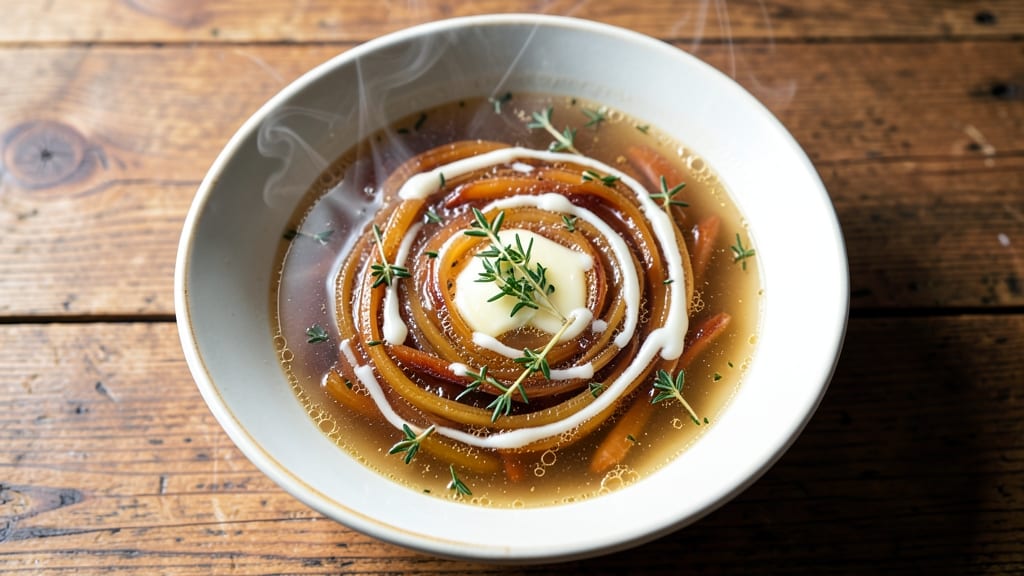
This French onion bouillon soup recipe transforms simple ingredients into a rich, caramelized experience that elevates every bowl. The secret lies in slow-cooked onions that develop deep, sweet layers before becoming the foundation for a fragrant broth.
With just 30 minutes of active prep and 2 hours of simmering, you’ll create a velvety soup that balances savory depth with subtle sweetness. It’s a professional technique made accessible—no special equipment required, just patience and precision.
The result is a bowl of bouillon that’s both comforting and sophisticated, with tender vegetables and aromatic herbs. This soup pairs perfectly with crusty bread, making it ideal for chilly evenings.
For dietary flexibility, adapt the recipe with vegetable bouillon or mushroom-based broth while keeping the caramelized onion technique intact.
Ingredients for bouillon soup
Sixteen ingredients transform into a symphony of caramelized sweetness and savory depth.
| Ingredient | Amount | Notes |
|---|---|---|
| Yellow Onions 🧅 | 4 whole | Medium-sized, thinly sliced for even caramelization |
| Unsalted Butter 🧈 | ½ cup | High-fat content for optimal browning |
| Dry White Wine 🍷 | 1 cup | Sauvignon Blanc or Chardonnay preferred |
| Beef Bouillon Cube 🍲 | 2 whole | Knorr or Maggi brand recommended |
| Chicken Stock 🥫 | 6 cups | Homemade or high-quality store-bought |
| Fresh Thyme 🌿 | ¼ cup | Leaves only, stems removed |
| Fresh Parsley 🌿 | ¼ cup | Chopped, for garnish |
| Garlic Cloves 🧄 | 4 cloves | Minced, for aromatic depth |
| Bay Leaves 🌿 | 2 whole | Dried, for subtle earthiness |
| Salt 🧂 | 1 ½ tsp | Diamond Crystal kosher preferred |
| Black Peppercorns 🌶️ | ½ tsp | Freshly cracked for intensity |
| All-Purpose Flour 🌾 | 1 tbsp | For thickening broth |
| Heavy Cream 🥛 | ½ cup | Full-fat for velvety texture |
| Gruyère Cheese 🧀 | 1 cup | Freshly grated, for richness |
The onions are the heart of this recipe—yellow onions develop the best caramelization. Grab a 4-pound bag from Whole Foods or Trader Joe's for consistent quality. Thinly slice them evenly to ensure uniform cooking. Professional chefs often use a mandoline for precision, but a sharp chef's knife works too. The key is patience: let them cook undisturbed for at least 45 minutes to develop that deep, golden hue. If you're short on time, pre-sliced onions from the grocery store's salad bar section can save 20 minutes of prep work.
No white wine? Dry vermouth or apple cider vinegar work as substitutes, though the flavor profile shifts slightly. For a vegetarian version, replace the beef bouillon with mushroom or vegetable bouillon cubes—just double the amount for equivalent depth. Fresh herbs are ideal, but dried thyme at one-third the quantity suffices in a pinch. The Gruyère can be swapped for Parmesan or Emmental, though Gruyère's nutty notes are preferred. If you're using pre-minced garlic, toast it in butter for 30 seconds to enhance its flavor before adding to the soup.
Store the bouillon base (onions, broth, and aromatics) in the refrigerator for up to 5 days or freeze in airtight containers for 3 months. The finished soup reheats beautifully—simmer gently to preserve its velvety texture. For make-ahead convenience, prepare the caramelized onions a day in advance and refrigerate them. The cheese should be freshly grated just before serving to prevent clumping. This soup freezes exceptionally well, making it perfect for batch cooking—simply reheat and finish with fresh herbs.
Why You'll Love This Recipe
- Pantry-to-Pot Magic: I swear by this recipe because it turns five ingredients into something satisfying without a grocery haul. That beef bouillon cube? It’s the secret weapon—just melt it in butter with onions, deglaze with wine, and boom, depth in minutes. No fancy technique needed.
- Wine-Infused Warmth: The dry white wine might seem fancy, but it’s all about that quick reduction—caramelizing the onions until they’re golden, then letting the wine singe away the sharpness. That first sip? Rich, savory, and just a little sophisticated without trying.
- Leftover Luxury: Make a double batch and stash it in the fridge—this soup only gets better the next day. The flavors meld overnight, and reheating it is the easiest way to feed a crowd or nurse yourself back to health. (Yes, even on a Tuesday night.)
- Budget-Friendly Blanket: Between the bouillon cube and chicken stock, this costs pennies per serving but feels like a restaurant meal. Honestly, I make it when I’m broke or when I’m treating myself—same result, zero guilt. The butter and wine make it taste like I tried.
Step-by-step instructions for French onion bouillon soup
Mastering this classic requires patience and precision—each step builds the rich, caramelized foundation.
Develop Deep Caramelization with Yellow Onions
Heat a large Dutch oven over medium-low heat and melt the 0.5 cup unsalted butter completely. Add the 4 whole yellow onions, sliced into even ¼-inch rounds, ensuring they spread in a single layer. The butter should foam gently before settling into a golden liquid.
Cook undisturbed for 45 minutes, stirring only once to redistribute the onions. This slow process transforms their natural sugars into a deep amber caramel. Here's the thing—if you rush this step, you'll miss that signature sweetness that defines French onion soup. You'll know it's ready when the onions are deep brown with a glossy sheen and the kitchen fills with an intense, molasses-like aroma.
Real talk: Your onions might stick slightly as they caramelize. If they do, use a rubber spatula to gently lift them rather than scraping the bottom. This ensures you capture those precious browned bits that hold all the flavor.
Deglaze and Build Complexity with Wine and Aromatics
Once the onions are perfectly caramelized, increase heat to medium and carefully pour in the 1 cup dry white wine, scraping up any browned bits from the bottom with a wooden spoon. This deglazing step captures all the caramelized flavor that would otherwise be lost. Let the wine simmer for 5 minutes until reduced by half, until it coats the back of a spoon and the alcohol aroma has fully evaporated.
Add the 4 cloves minced garlic, 0.25 cup fresh thyme leaves, 2 whole bay leaves, and 1.5 teaspoons salt. Stir for 1 minute until fragrant—you should detect the bright, herbal notes of thyme and the subtle piney aroma of bay leaves. This aromatic base is the soul of your soup, so don't skip this step. If you're using fresh thyme, remove the stems first; they add bitterness you don't want.
Simmer the Broth with Beef Bouillon and Chicken Stock
Dissolve the 2 whole beef bouillon cubes in 1 cup hot water (from the chicken stock) in a small bowl, then whisk until completely dissolved. Pour this mixture into the Dutch oven along with the remaining 5 cups chicken stock. Bring to a gentle boil, then reduce heat to low and let it simmer uncovered for 30 minutes. This allows the flavors to meld and the broth to develop depth.
Here's where it gets fun—taste the broth now. It should be rich with onion sweetness and savory notes from the bouillon. If it's too thin, whisk in the 1 tablespoon all-purpose flour and cook for another 5 minutes to thicken slightly. The broth should coat the back of a spoon but remain fluid enough to easily spoon. If it's still too thin, repeat with another ½ tablespoon flour.
Finish with Cream and Gruyère for Velvety Texture
Reduce heat to medium-low and stir in the 0.5 cup heavy cream, letting it warm through for 2 minutes without boiling. The cream should become silky and slightly thicken the broth. Add the 1 cup freshly grated Gruyère cheese, stirring until fully melted and the soup reaches a luxurious, velvety consistency. You're aiming for a texture that coats the spoon but isn't gluey—this balance is what makes the soup restaurant-quality.
Season with 0.5 teaspoon freshly cracked black peppercorns and adjust salt if needed. The cheese should add a nutty, slightly tangy depth that complements the caramelized onions. If the soup tastes too rich, a splash of chicken stock can lighten it. Let it simmer gently for 5 more minutes to ensure all flavors are perfectly integrated.
Garnish and Serve with Crispy Cheese Topping
Ladle the soup into 6 oven-safe bowls, dividing it evenly. Top each portion with 2 tablespoons freshly grated Gruyère cheese and 1 tablespoon chopped fresh parsley. For the classic touch, broil the soups for 2-3 minutes until the cheese is golden brown and bubbly—watch closely to prevent burning. The cheese should form a crispy, blistered crust that contrasts beautifully with the silky broth below.
Serve immediately with crusty bread on the side. Each spoonful should deliver layers of flavor: the deep caramelized sweetness of the onions, the savory depth from the bouillon, the creamy richness of the cheese, and the bright herbal finish from the thyme and parsley. This is the moment that matters—when every element comes together in perfect harmony.
Pro Tips For Making Bouillon Soup
- Sweat the Onions: Cut onions into even ¼-inch slices and cook them in the butter over medium heat until they’re golden—not just translucent. I used to rush this, and the soup always tasted flat. Golden onions add depth that raw or pale onions can’t match.
- Deglaze with Patience: After adding wine, let it bubble for 30 seconds before stirring—this helps the alcohol burn off and the flavors meld. Scraping up browned bits from the pan afterward makes a real difference in richness. (Yes, even if you’re impatient like me.)
- Dissolve the Bouillon Properly: Crush the bouillon cube into small pieces before adding it to the stock—this ensures it dissolves completely, not just sinks to the bottom. I learned this the hard way when my soup tasted salty in one spot and bland in another.
- Finish with a Splash of Stock: If your soup seems too thick after simmering, don’t just add more wine—use a splash of the reserved chicken stock to balance the flavors without overpowering them. It’s an easy fix that keeps the dish from tasting one-note.
Pro cooking tips for perfect results
Caramelization Control
Resist the urge to stir those onions during the 45-minute caramelization—this is where the magic happens! The Maillard reaction needs time to develop deep, sweet flavors. If your onions stick slightly, use a heat-resistant silicone spatula to gently lift them rather than scraping the pot.
The stuck bits are flavor gold—just let them dissolve into the butter naturally. 🔥
Wine Reduction Mastery
When deglazing with 1 cup dry white wine, let it reduce by half before adding aromatics. This concentrates the flavors and ensures the alcohol fully evaporates. If your wine reduces too quickly, lower the heat to medium-low—you want a slow, controlled reduction, not a rapid boil.
The goal is a syrupy consistency that coats the back of a spoon. 🍷
Broth Thickness Hacks
If your broth is too thin after simmering, use a slurry of 1 tbsp flour + 2 tbsp cold water instead of plain flour. This creates a smoother thickening agent without lumps.
For extra richness, whisk in 1 tbsp cold butter at the end—it adds fat that emulsifies beautifully with the broth. Taste as you go! 🥄
Cheese Melting Secrets
Always grate your Gruyère cheese fresh before adding it to the soup. Pre-shredded cheese contains anti-caking agents that prevent proper melting. For a restaurant-quality finish, use a microplane to grate the cheese—it creates finer particles that melt more evenly.
If your soup seems too thick after adding cheese, stir in 1-2 tbsp warm chicken stock to restore balance. 🧀
Broiling the Topping
Watch those broiled cheese topping bowls like a hawk! Preheat your broiler to high and place bowls on the top rack for 2-3 minutes max. The cheese should bubble and turn golden brown, but it burns fast.
For extra insurance, place a silicon baking mat under the bowls to catch any drips. 🔥
Make-Ahead Pro Tips
Prepare the caramelized onions 24 hours ahead and store them in an airtight container in the fridge. They'll keep for 5 days and develop even deeper flavor. When reheating the finished soup, warm it gently on the stove over low heat—never microwave it, or the texture will break down.
The cheese topping should always be added fresh before serving. ⏰
Nutrition facts
Frequently asked questions
Can I make this bouillon soup vegetarian?
Replace the beef bouillon cubes with 2 vegetarian bouillon cubes (like mushroom or vegetable-based) and use vegetable stock instead of chicken stock. For extra umami, add 1 tbsp soy sauce or 1 tsp miso paste when simmering the broth. The caramelized onions will still shine as the star ingredient.
Why does my bouillon soup taste bitter?
Overcooking the onions or using too much bouillon cube can create bitterness. For the perfect balance, remove the onions 5 minutes early when they're just starting to brown deeply. Also, reduce the bouillon to 1 cube and add extra chicken stock to dilute any harsh flavors. Taste as you go!
How long can I store leftovers?
Store leftovers in an airtight container in the fridge for 4-5 days. For longer storage, freeze the soup (without the cheese topping) for up to 3 months. Thaw overnight in the fridge and reheat gently on the stove—never microwave, as it can break the velvety texture. Always add fresh cheese when reheating.
Can I use onion powder instead of fresh onions?
Onion powder won't give you the same caramelized depth, but you can use it as a shortcut. For a similar flavor profile, combine 1 tbsp onion powder + 1 tsp sugar with the broth while simmering. However, the authentic French onion experience comes from slow-cooking fresh onions—it's worth the extra time!
What's the best bread to serve with this soup?
Look for a crusty baguette or sourdough loaf with a thick, chewy crust. The contrast between the crispy bread and silky soup is what makes this dish perfect. For extra indulgence, toast the bread with garlic butter before serving. Avoid soft breads—they'll get soggy too quickly.