
Soups & Stews
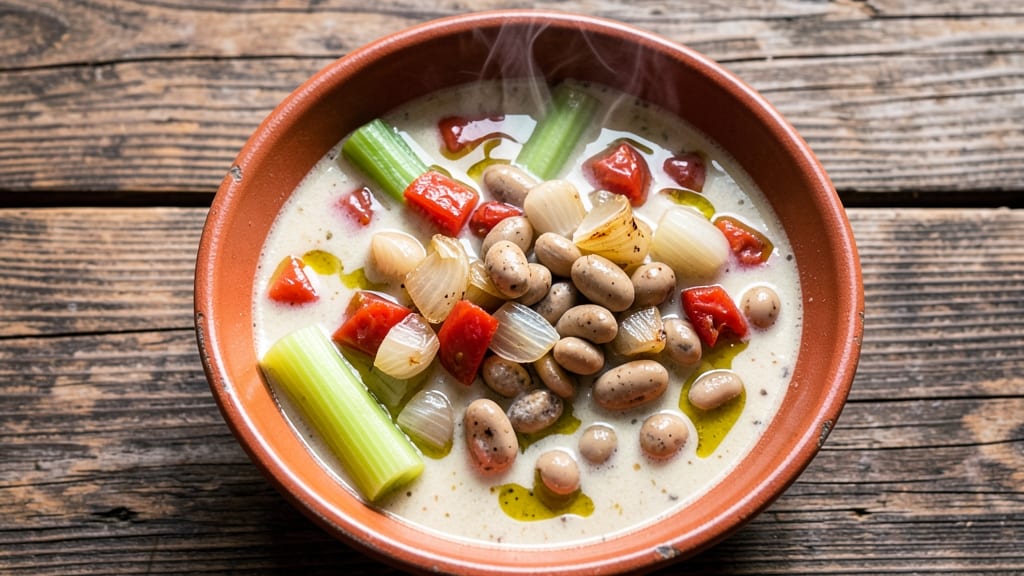
This butterbean soup recipe delivers the kind of hearty, smoky depth that transforms simple ingredients into a restaurant-worthy bowl. The secret lies in slow-cooked tomatoes and aromatic herbs that infuse every spoonful with rich, earthy flavor—perfect for cozy evenings or meal prep.
I developed this vegetarian version after discovering how butterbeans' natural creaminess pairs beautifully with smoky spices, creating a soup that's both comforting and satisfying.
The foundation starts with sautéing onions, garlic, and celery until deeply caramelized—a step that builds flavor without added fat. A blend of canned tomatoes, vegetable broth, and fresh herbs simmers for hours, allowing the butterbeans to soften while absorbing all that aromatic goodness.
The result is a velvety, herb-rich soup with just enough smokiness to make it unforgettable. For extra depth, smoked paprika or a splash of balsamic vinegar elevates it further.
What makes this recipe truly special is its versatility. Serve it as-is for a vegetarian meal, or stir in crispy bacon or chorizo for those craving meat. The soup's texture is perfectly balanced—creamy from the butterbeans, bright from the herbs, and rich from the slow-cooked tomatoes.
Each bowl delivers that "I need more" satisfaction without weighing you down.
Ready in about 1 hour (including prep), this soup is ideal for weeknight dinners or make-ahead lunches. The flavors only deepen as it sits, making it even more delicious the next day.
Garnish with fresh parsley or a drizzle of olive oil for that final touch of professional flair. Let's get cooking!
Ingredients for butterbean soup
Pantry staples plus a few fresh herbs—this soup brings restaurant-quality depth to your kitchen.
| Ingredient | Amount | Notes |
|---|---|---|
| Yellow Onion 🧅 | 1 whole | Diced into small pieces |
| Celery Stalks 🥬 | 3 whole | Diced, including leaves |
| Garlic Cloves 🧄 | 4 cloves | Minced for aromatic base |
| Extra-Virgin Olive Oil 🫒 | ¼ cup | For sautéing vegetables |
| Canned Crushed Tomatoes 🍅 | 28 oz | High-quality, no salt added |
| Dried Butterbeans 🌱 | 1 ½ cups | Soaked overnight, drained |
| Vegetable Broth 💧 | 4 cups | Low-sodium preferred |
| Fresh Thyme Leaves 🌿 | ¼ cup | Chopped, stems removed |
| Fresh Rosemary 🌿 | 1 tbsp | Chopped, leaves only |
| Smoked Paprika 🌶️ | 1 tbsp | For smoky depth |
| Bay Leaves 🍃 | 2 whole | For infusion |
| Salt 🧂 | 1 ½ tsp | Adjust to taste |
| Black Pepper 🌶️ | ½ tsp | Freshly ground |
| Balsamic Vinegar 🍷 | 1 tbsp | For acidity balance |
| Fresh Parsley 🌿 | ¼ cup | Chopped for garnish |
The butterbeans are the star here—Great Northern or lima beans work perfectly, but stick with dried for the best texture. Soak them overnight (or quick-soak with boiling water), then drain well. For the tomatoes, San Marzano cans are ideal—they're sweeter and less acidic, which keeps the soup from tasting canned. Fresh herbs matter too: Trader Joe's or Whole Foods usually have the best thyme and rosemary bundles. If you're short on time, dried herbs work at half the amount, but fresh gives that bright, vibrant flavor you can't replicate.
No smoked paprika? Liquid smoke at one-quarter teaspoon gets you close, though it's more intense. Short on balsamic vinegar? Red wine vinegar or lemon juice works in a pinch, but balsamic adds that caramelized depth. The vegetable broth can be homemade (simmer veggie scraps with herbs) or store-bought—just check the sodium. For extra richness, stir in a spoonful of nutritional yeast at the end. Want more body? Blend half the soup before serving—it'll be velvety smooth. The celery leaves add subtle bitterness, so don't skip them if you've got them.
This soup tastes even better the next day as flavors meld. Store in the fridge for up to 5 days, or freeze portions for 3 months—just thaw overnight in the fridge. Double the batch and freeze half; you'll thank yourself later. The butterbeans soften as it sits, so reheat gently on low heat. Garnish with fresh parsley and a drizzle of extra-virgin olive oil right before serving—trust me, it makes all the difference.
Why You'll Love This Recipe
- No-Chop Nightmare Over: This soup starts with just three chopped ingredients—onion, celery, garlic—and honestly, I often eyeball the measurements. The crushed tomatoes and butterbeans do all the heavy lifting while you sip wine and pretend you’re a fancy chef.
- Tomato-Garlic Magic: That first hit of olive oil sizzling with garlic? Pure alchemy. The crushed tomatoes soften into a rich base that clings to every tender butterbean, balancing creamy and tangy in one spoonful. (Yes, even on a Tuesday night.)
- Lunchbox Hero: Between us, this soup is my go-to for meal prep. It reheats like a dream—no sad, watery leftovers here—and tastes just as good cold in a thermos. My kids pack it for school; my husband brings it to work. That’s the real test.
- Pantry Goldmine: I make this for under $1.50 a serving, and it’s the only soup I keep canned tomatoes for. No fancy ingredients, no last-minute grocery runs—just open, dump, simmer. Budget-friendly doesn’t get much better than this.
Step-by-step instructions for butterbean soup
Here's how to build this rich, smoky butterbean soup from scratch—layer by layer.
Sauté the Vegetable Base
Heat the 0.25 cup extra-virgin olive oil in a large Dutch oven over medium heat. Add the 1 whole diced yellow onion and 3 whole diced celery stalks (including leaves), cooking for 5-6 minutes until softened and translucent. The onions should turn golden without browning—this ensures sweetness rather than bitterness.
Add the 4 minced garlic cloves and cook for 30 seconds until fragrant. Stir in the 1 tablespoon smoked paprika immediately—this releases its smoky aroma. Here's the thing: don't let the garlic burn, or you'll taste bitterness instead of sweetness. If it starts to darken too quickly, reduce heat slightly and keep stirring.
Build the Tomato Foundation
Pour in the 28 oz canned crushed tomatoes and stir to combine with the vegetables. Let it simmer uncovered for 10 minutes until the mixture thickens slightly and the raw tomato flavor mellows. This step develops the soup's depth—don't rush it. The tomatoes should reduce enough to coat the back of a spoon.
Add the 2 whole bay leaves, 1.5 teaspoons salt, and 0.5 teaspoon black pepper. Stir in the 1 tablespoon balsamic vinegar and simmer for another 5 minutes. The vinegar brightens the tomatoes while balancing their acidity. Taste and adjust seasoning—this is your flavor baseline before adding the beans and herbs.
Incorporate Butterbeans and Herbs
Add the 1.5 cups drained dried butterbeans (from overnight soaking) and 4 cups vegetable broth to the pot. Bring to a gentle boil, then reduce heat to low and let it simmer for 30 minutes, partially covered. The butterbeans should soften but maintain their shape—overcooking turns them mushy. Stir occasionally to prevent sticking.
Remove the 2 whole bay leaves after 20 minutes of simmering. Stir in the 0.25 cup chopped fresh thyme leaves and 1 tablespoon chopped fresh rosemary. The herbs should infuse the soup with their bright, earthy notes. Simmer uncovered for another 10 minutes to let the flavors meld—this is where the soup transforms from good to extraordinary.
Finish and Adjust
Taste the soup and adjust seasoning with additional salt or black pepper as needed. The butterbeans should be tender but still hold their shape, and the broth should coat a spoon with a velvety texture. If it's too thick, add 2-4 tablespoons water to reach your desired consistency.
Remove from heat and let it rest for 5 minutes before serving. This resting period allows the flavors to settle and the soup to thicken slightly. Ladle into bowls and garnish with 0.25 cup chopped fresh parsley just before serving. The parsley adds a fresh contrast to the smoky, herby depth of the soup.
Pro Tips For Making Butterbean Soup
- Sweat, Don’t Burn: The onion and celery need to soften, not char—low and slow over medium heat for 8-10 minutes. I used to rush this, and the soup ended up tasting bitter. A pinch of salt at this stage also helps draw out moisture, making them render faster.
- Mince Garlic Fine: No need for fancy knives—just smash the cloves with the flat of your knife first, then mince them tiny. This ensures they dissolve completely into the soup instead of lingering as chewy bits. (Yes, even if you’re impatient like me.)
- Simmer, Don’t Boil: Once the tomatoes and beans go in, keep the heat at a gentle simmer—think tiny bubbles, not rolling. Boiling can turn the soup grainy and break down the butterbeans’ texture. I learned this the hard way after a pot of mushy beans.
- Toast the Tomatoes: Before adding the crushed tomatoes, let them sit in the pot for 2-3 minutes over medium heat. This deepens their flavor and mellows the acidity. Skip this, and you’ll just be tasting canned tomato aftertaste. (Your future self will notice.)
Pro cooking tips for this dish
Caramelize for Depth
The key to building flavor starts with sautéing onions, celery, and garlic until deeply caramelized—this step transforms simple vegetables into aromatic gold. I use a Dutch oven (like the Lodge 5.5-quart) because its heavy base distributes heat evenly and prevents burning.
Cook the vegetables over medium heat for 8-10 minutes, stirring occasionally, until they turn golden brown. The longer you cook them, the sweeter and more complex the flavor becomes. Don’t rush this step—patience here makes all the difference. 🌟
Smoke Infusion Tricks
Smoked paprika is the secret weapon for that restaurant-quality depth, but how you add it matters. Sprinkle it directly over the sautéed vegetables while they’re still hot—this releases its aromatic oils instantly.
For extra smokiness, I sometimes toast 1 teaspoon of the paprika in a dry pan over low heat for 1 minute before adding it to the soup. This deepens the smoky flavor without overpowering the dish.
If you’re feeling adventurous, add a ½ teaspoon of liquid smoke at the end for an even richer effect.
Simmering Perfection
Simmering is where the magic happens, but timing is critical. After adding the butterbeans and broth, maintain a gentle simmer (small bubbles, not a rolling boil) to prevent the beans from breaking down. I cover the pot partially—just enough to let some steam escape—to avoid a soggy texture.
The soup should cook for 45-60 minutes total, with the last 10 minutes uncovered to let excess moisture evaporate. This concentrates the flavors and gives the soup that velvety consistency. 💫
Herb Timing Matters
Fresh herbs like thyme and rosemary should be added toward the end of cooking to preserve their bright, vibrant flavors. I stir them in during the last 10 minutes of simmering so they infuse the soup without losing their freshness.
If you’re using dried herbs, reduce the amount by half and add them with the bay leaves. Pro tip: Remove the herb stems before adding them to the pot—they can turn bitter and ruin the soup’s delicate balance. 🌿
Adjusting Thickness
The ideal butterbean soup should coat the back of a spoon but still be easy to ladle. If your soup is too thick, stir in 2-4 tablespoons of water or broth to reach the perfect consistency.
For extra richness, blend half the soup before serving—this creates a silky texture that contrasts beautifully with the hearty butterbeans. I use an immersion blender for convenience, but a regular blender works too. Just be careful not to over-blend, or the soup will turn gluey. ✨
Resting for Balance
Never skip the 5-minute rest before serving. This allows the flavors to meld and the soup to thicken slightly as it sits. It also gives the butterbeans time to absorb any remaining liquid, ensuring each spoonful is packed with flavor.
I like to garnish the soup with fresh parsley and a drizzle of extra-virgin olive oil right before serving—this adds a final layer of brightness that cuts through the richness. Trust me, this small step elevates the dish from homemade to restaurant-worthy. 💡
Nutrition facts
Frequently asked questions
Can I use canned butterbeans instead of dried?
For convenience, swap 1.5 cups dried butterbeans with 2 (15 oz) cans of canned butterbeans, drained and rinsed. They'll save you time, though dried beans develop deeper flavor when soaked overnight. Just reduce simmering time to 20 minutes after adding them to the pot.
How do I make this soup spicier?
Add ½ teaspoon cayenne pepper or 1 teaspoon red pepper flakes with the smoked paprika. For heat with depth, stir in 1 diced chipotle pepper in adobo sauce (remove seeds for less heat) when adding the tomatoes. Finish with a squeeze of lime juice to brighten the flavors.
Why does my soup taste bland after cooking?
Most likely, the beans weren't cooked long enough or seasoning was added too late. Simmer beans for 45-60 minutes total, and always taste before serving. Boost flavor by adding 1 teaspoon soy sauce or ½ teaspoon fish sauce (for umami depth) during the last 10 minutes of cooking.
Can I make this soup in an Instant Pot?
Yes! Sauté onions, celery, and garlic as directed, then add all remaining ingredients except fresh herbs. Seal the lid and cook on high pressure for 10 minutes, followed by a natural release. Stir in herbs at the end. The Instant Pot version finishes in 30 minutes total, but flavors may be slightly less developed than stovetop.
What's the best way to reheat leftovers?
Gently reheat on the stovetop over low heat with a splash of water or broth to prevent drying. Microwave in 30-second intervals, stirring between each, until warmed through. For best texture, avoid reheating more than once—this soup tastes best fresh or within 2 days of cooking.