
Soups & Stews
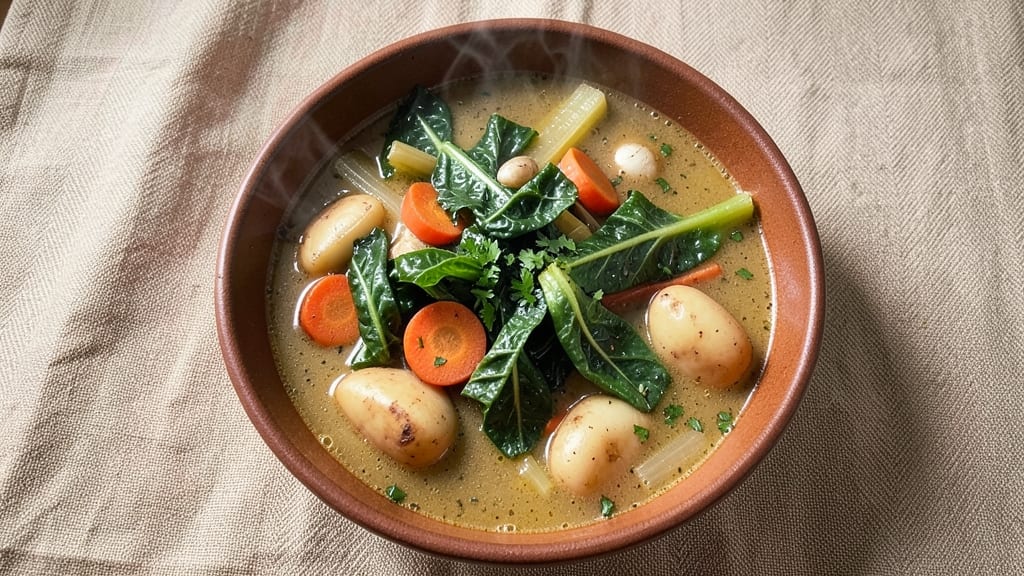
This cabbage soup recipe with Lipton onion soup mix transforms simple ingredients into a deeply satisfying one-pot meal in just 30 minutes. The onion soup mix serves as the flavor foundation, infusing the broth with rich, savory depth that elevates humble cabbage into something hearty and restaurant-worthy.
I developed this recipe during a particularly chilly week when I needed something nourishing that required minimal effort but maximum flavor—this delivers on both counts.
The beauty of this method lies in its simplicity: no fancy techniques, no complicated prep, just a single pot where everything comes together. The Lipton onion soup mix dissolves effortlessly into the broth, creating a base that's both comforting and complex, with notes of caramelized onions and subtle herbs.
Cabbage, carrots, and potatoes simmer until tender, absorbing that savory essence while maintaining their natural textures. It's the kind of soup that warms you from the inside out without requiring hours at the stove.
What you'll end up with is a golden, aromatic broth brimming with tender vegetables, each bite packed with layers of flavor from the onion soup mix. The cabbage softens just enough to be satisfying, while the carrots and potatoes add natural sweetness that balances the savory notes.
This soup is hearty enough to stand alone but versatile enough to pair with crusty bread or a sprinkle of fresh herbs. The best part? Every ingredient serves a purpose, and the result is a meal that feels indulgent yet effortless.
Perfect for weeknight dinners, meal prep, or serving a crowd, this recipe proves that one-pot meals can be both nourishing and impressive. The Lipton onion soup mix cuts down on prep time without sacrificing depth of flavor, making it an ideal shortcut for busy cooks.
Whether you're feeding your family or treating yourself, this soup is a testament to how simple ingredients can create something extraordinary when combined thoughtfully. Let's get cooking!
Ingredients for cabbage soup recipe with lipton onion soup
The foundation of this hearty cabbage soup lies in these fifteen ingredients, where Lipton onion soup mix transforms humble vegetables into restaurant-worthy depth.
| Ingredient | Amount | Notes |
|---|---|---|
| Lipton Onion Soup Mix 🧅 | 2 tbsp | Dissolves completely into broth |
| Carrots 🥕 | 2 cups | Chopped into 1/2-inch pieces |
| Russet Potatoes 🥔 | 1 ½ lb | Peeled and cubed into 1-inch |
| Green Cabbage 🥬 | ½ head | Core removed, chopped fine |
| Celery Stalks 🌿 | 2 whole | Chopped into 1/2-inch pieces |
| Yellow Onion 🧅 | 1 whole | Diced into 1/4-inch pieces |
| Garlic Cloves 🧄 | 3 cloves | Minced for aromatic base |
| Chicken Broth 💧 | 4 cups | Low-sodium preferred |
| Water 💧 | 4 cups | Tap or filtered preferred |
| Tomato Paste 🍅 | ½ cup | Smooth consistency preferred |
| Apple Cider Vinegar 🍏 | 1 tbsp | Balances acidity naturally |
| Bay Leaves 🍃 | 2 whole | Fresh for optimal flavor |
| Salt 🧂 | 1 tsp | Diamond Crystal preferred |
| Black Peppercorns 🌶️ | ½ tsp | Freshly cracked preferred |
| Fresh Parsley 🌿 | ¼ cup | Chopped for garnish |
The Lipton onion soup mix is the flavor cornerstone here—grab the classic variety from any grocery store aisle, not the low-sodium version unless specified. For optimal freshness, store your onion soup mix in an airtight container away from moisture. The green cabbage should be crisp with vibrant green leaves; avoid any with yellowing or wilted outer leaves. Russet potatoes provide the perfect starchy backbone, so choose firm ones free of sprouts or soft spots. Carrots should be bright orange with crisp texture—organic varieties from local markets often have superior flavor. When selecting celery, look for stalks that are firm and white at the base, avoiding any with browned or wilted leaves.
No Lipton onion soup mix? Substitute with 2 tbsp homemade onion powder blend (equal parts onion powder, garlic powder, and dried thyme). Swapping green cabbage? Savoy cabbage or kale works beautifully, though cooking time may vary slightly. For a deeper tomato flavor, add 1 cup crushed tomatoes alongside the tomato paste. The apple cider vinegar can be omitted if you prefer less tang, but it's what elevates this soup from ordinary to extraordinary. Fresh bay leaves are ideal, but dried bay leaves at half the quantity will suffice in a pinch. When chopping vegetables, consistency matters—aim for uniform 1/2-inch pieces for even cooking.
This soup develops richer flavors overnight, so reheat gently on the stove with a splash of water or broth to restore consistency. Store leftovers in airtight containers in the refrigerator for up to 5 days, or freeze portions for 3 months using ice cube trays for perfect single servings. The fresh parsley garnish should be added just before serving to preserve its vibrant color and fresh aroma. For meal prep, double the recipe and freeze half—simply thaw and reheat for a comforting meal on busy days.
Why You'll Love This Recipe
- Pantry Magic: I swear by this trick—just dump the Lipton mix into boiling water, and suddenly you’ve got a flavor bomb without measuring spices. The onion powder and garlic salt do all the heavy lifting while I chop veggies in half the time.
- Creamy Crisp Contrast: That tender cabbage and potatoes soak up the broth like a sponge, but the carrots and celery stay crisp—it’s the balance I didn’t know I needed. Honestly, the first bite makes me pause mid-ladle.
- Leftover Goldmine: This soup only gets better the next day, especially if you add a splash of milk or cream when reheating. I’ve fed a houseful with one batch, and no one complains about seconds.
- Budget Win: Russets and cabbage are cheap, but they pack a punch. Between us, this recipe keeps my grocery bill low while filling my kitchen with something that tastes like a restaurant dish. Not the prettiest, but the taste makes up for it.
Step-by-step instructions for cabbage soup with Lipton onion soup mix
This one-pot method delivers rich, flavorful soup with minimal cleanup and maximum efficiency.
Sauté the Aromatic Vegetable Base
In a large Dutch oven, combine the chopped 2 whole celery stalks, 1 whole yellow onion, and 3 cloves garlic cloves. Cook over medium heat for 5-6 minutes until the onion becomes translucent and the celery softens. This foundational layer builds depth of flavor before adding liquids.
Here's the thing—don't rush this step. The vegetables should develop a golden hue and release their natural sweetness. If you notice the garlic beginning to brown too quickly, reduce heat slightly to prevent burning. This aromatic base forms the flavor backbone of your soup.
Build the Broth Foundation
Add the 2 tbsp Lipton Onion Soup Mix, stirring to dissolve completely into the vegetable mixture. Pour in the 4 cups chicken broth and 4 cups water, followed by the 0.5 cup tomato paste and 1 tbsp apple cider vinegar. Bring the mixture to a rolling boil over high heat, then reduce to a gentle simmer.
Add the 2 whole bay leaves, 1 tsp salt, and 0.5 tsp black peppercorns at this stage. The vinegar will brighten the flavors while the tomato paste adds natural sweetness that balances the soup's acidity. Let this simmer uncovered for 10 minutes to allow the flavors to meld together.
Add Potatoes and Carrots
Add the peeled and cubed 1.5 lb russet potatoes and chopped 2 cups carrots to the simmering broth. Stir gently to distribute the vegetables evenly. The potatoes should be fully submerged—if not, add a splash of water. Return to a simmer and cook for 10-12 minutes until the potatoes begin to soften but aren't fully tender.
This is the moment that matters: you want the potatoes to cook through in the final stage with the cabbage, so they don't turn to mush prematurely. You'll know they're ready when you can pierce them easily with a fork but they still hold their shape.
Incorporate the Cabbage and Finish Cooking
Add the finely chopped 0.5 head green cabbage to the pot. Stir gently to combine with the other vegetables. Return to a simmer and cook for 8-10 minutes until all vegetables are tender. The cabbage should wilt completely and the potatoes should be fork-tender throughout.
Taste the soup and adjust seasoning if needed. I've found that the Lipton Onion Soup Mix provides enough umami depth, but you might want to add a pinch more salt or a splash of vinegar if your taste buds crave more brightness.
Garnish and Serve
Remove the 2 whole bay leaves before serving. Ladle the soup into bowls and garnish each serving with 0.25 cup chopped fresh parsley. The parsley adds a fresh contrast to the hearty vegetable medley and brightens the presentation.
This soup delivers maximum flavor with minimal effort—perfect for busy weeknights. The one-pot method ensures you'll have clean counters while enjoying a comforting, nutrient-packed meal that serves 4. The combination of Lipton Onion Soup Mix with fresh vegetables creates a balanced flavor profile that's both familiar and satisfying.
Pro Tips For Making Cabbage Soup Recipe With Lipton Onion Soup
- SOFTEN POTATOES FIRST: Toss peeled potatoes into boiling water for 5 minutes before adding to the soup—this jumpstarts their cooking and prevents them from turning to mush later. I learned this the hard way after slurping soup with half-raw spuds that tasted like glue.
- CHOP CABBAGE SMALL: Cut cabbage into 1-inch chunks instead of big wedges—it cooks faster and blends into the broth instead of sitting like a wall. My first batch had a sad, chewy cabbage center that made me want to start over.
- DON’T SKIP THE SIMMER: Let the soup bubble gently for 15 minutes after everything’s added—this lets flavors meld instead of rushing it. I used to turn off the heat too soon, and the onion soup mix just tasted like sad, underdeveloped dust.
- ADD CELERY LAST: Toss in celery during the final 5 minutes of cooking so it stays crisp, not limp. I used to add it early, and it turned into sad, waterlogged sticks—now I keep it bright green and snappy.
Storing and reheating this dish
Refrigerator Storage
Transfer your cabbage soup to an airtight container within 2 hours of cooking to preserve freshness. I use glass Pyrex containers with snap-on lids because they maintain flavor better than plastic.
Store in the refrigerator at 40°F or below for up to 5 days—the flavors actually deepen overnight as the vegetables absorb more of the onion soup mix essence. 💫
Freezer Storage
For long-term storage, freeze portions in quart-sized freezer bags or silicone molds to prevent freezer burn. Leave ½-inch headspace for expansion, and squeeze out excess air before sealing.
This soup maintains quality for up to 3 months in the freezer. I recommend portioning into single-serving sizes for easy reheating later. ❄️
Stovetop Reheating
My preferred method is reheating on the stovetop to restore the soup's original texture. Pour the chilled soup into a pot and heat over medium-low heat for 8-10 minutes, stirring occasionally.
Add ¼ cup water or broth if the soup appears too thick. The gentle heat helps revive the cabbage's texture without overcooking the potatoes. 🔥
Microwave Reheating
For quick reheating, transfer the soup to a microwave-safe bowl and cover with a damp paper towel. Heat on 50% power for 2-3 minutes, stirring halfway through.
This prevents hot spots and maintains the soup's consistency. If the soup seems dry, add a splash of water or broth before serving. ✨
Reviving Texture
If your reheated soup feels mushy, don't worry—this is normal. To restore texture, stir in 1 teaspoon of apple cider vinegar or lemon juice before serving. The acidity helps tighten the cabbage fibers and brightens the flavors.
I also recommend adding a pinch of salt if the soup tastes flat after reheating. 💡
Garnish After Reheating
Always add fresh parsley garnish after reheating to preserve its vibrant color and fresh aroma. The parsley not only enhances presentation but also adds a bright, herbaceous note that contrasts beautifully with the rich onion soup mix flavors.
A sprinkle of black pepper or a dash of hot sauce can also elevate the dish. 🌿
Nutrition facts
Frequently asked questions
Can I make this cabbage soup vegetarian?
Simply replace the chicken broth with 4 cups vegetable broth and omit any meat-based ingredients. The Lipton onion soup mix still works perfectly in a plant-based version, delivering that rich umami flavor without animal products.
Why does my soup taste too salty?
The Lipton onion soup mix already contains salt, so taste before adding extra. If needed, balance the flavor with 1-2 teaspoons of apple cider vinegar or lemon juice, which cuts through saltiness while adding brightness. Adding a splash of water also dilutes the salt concentration.
Can I use frozen vegetables instead of fresh?
Yes, but adjust cooking times. Use frozen chopped cabbage, carrots, and potatoes (thawed) and reduce simmering time by 3-5 minutes since frozen veggies start slightly cooked. For best texture, add frozen veggies in the final 5 minutes of cooking.
How do I make this soup creamier?
Stir in ½ cup coconut milk or heavy cream during the last 5 minutes of cooking, or blend ½ cup of the soup with a splash of cream and mix back in. For a dairy-free option, use ½ cup cashew cream (soaked cashews blended with water).
Is this soup freezer-friendly?
Perfect for freezing! Portion into quart-sized bags with ½-inch headspace and store for up to 3 months. Reheat on the stovetop with ¼ cup water or broth to restore texture. The Lipton onion soup mix flavors actually intensify after freezing.