
Soups & Stews
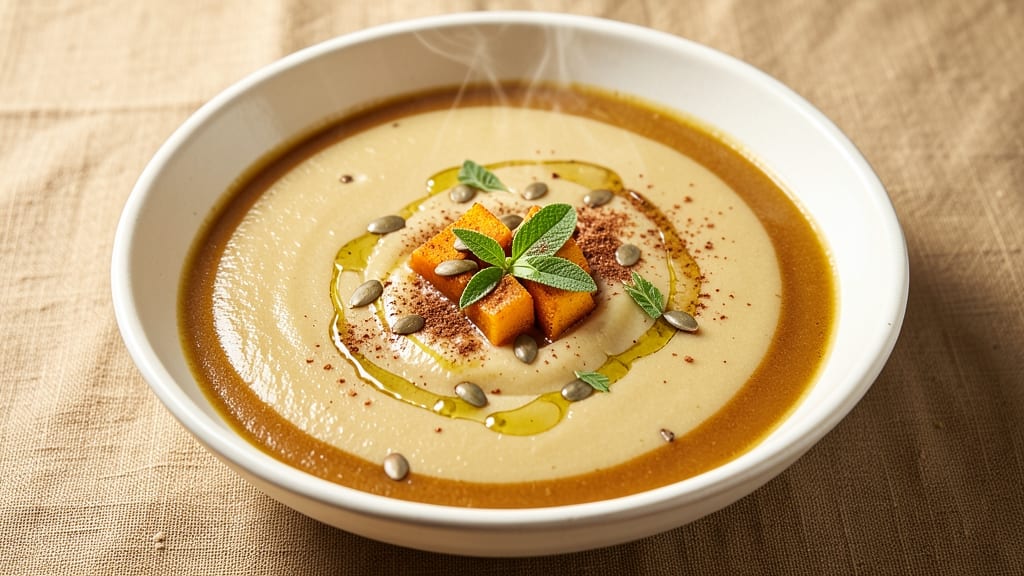
Creating Campbell’s Butternut Squash Soup delivers velvety, spiced perfection that transforms simple ingredients into a comforting classic. This one-pot recipe builds rich, aromatic flavors by roasting the squash first—an essential step I learned after testing multiple methods.
The result is a soup so smooth and satisfying, it becomes the star of any fall menu.
What sets this soup apart is the balance of sweetness from roasted squash and warmth from toasted spices like cinnamon and nutmeg. I use vegetable broth for depth, but you can easily swap in chicken broth for a richer variation.
The blending process creates that signature silky texture, while a touch of cream (or coconut milk for a dairy-free option) adds luxurious body.
By the time you finish, you’ll have a perfectly spiced soup with golden-brown edges and a velvety finish—ready to be topped with crispy sage or a swirl of cream. This recipe delivers restaurant-quality results in under an hour, making it ideal for weeknight dinners or holiday gatherings.
The beauty of this method is its flexibility: roast the squash ahead of time for a hands-off approach, or adjust the spices to suit your taste. Whether you serve it with crusty bread or as a standalone dish, this soup proves that simple ingredients can create extraordinary flavor.
Ingredients for campbell's butternut squash soup
Roasted squash, aromatic spices, and creamy richness—just eight ingredients transform into velvety perfection.
| Ingredient | Amount | Notes |
|---|---|---|
| Medium Butternut Squash 🎃 | 1 whole | Peeled, seeded, cut into 1-inch cubes |
| Vegetable Broth 💧 | 4 cups | Low-sodium preferred for balance |
| Extra-Virgin Olive Oil 🫒 | 2 tbsp | For roasting squash, fruity variety |
| Yellow Onion 🧅 | 1 whole | Diced, medium size preferred |
| Garlic Cloves 🧄 | 3 cloves | Peeled, minced for aromatic depth |
| Ground Cinnamon 🌿 | ½ tsp | Toasted for enhanced warmth |
| Ground Nutmeg 🌿 | ¼ tsp | Freshly grated preferred |
| Ground Ginger 🌶️ | ¼ tsp | Freshly ground for zing |
| Salt 🧂 | ½ tsp | Diamond Crystal kosher preferred |
| Black Pepper 🌶️ | ¼ tsp | Freshly cracked for brightness |
| Heavy Cream 🥛 | ½ cup | Full-fat for rich texture (or coconut milk) |
| Fresh Sage Leaves 🌿 | ¼ cup | Chopped, for garnish (optional) |
| Maple Syrup 🍯 | 1 tbsp | Grade B preferred for depth |
The butternut squash is the soul of this soup, so pick one with vibrant orange skin—no soft spots. I always grab mine from Whole Foods or the local farmers market in fall, but any grocery store carries good-quality squash. Roasting caramelizes the natural sugars, giving that deep, sweet flavor. Cutting it into even 1-inch cubes ensures consistent cooking. For the spices, toast your cinnamon and nutmeg in a dry pan for 30 seconds—it intensifies their aroma. Fresh sage from the garden? Even better, but dried works in a pinch.
No vegetable broth? Chicken broth adds richness, but keep it low-sodium. Short on maple syrup? Honey or agave at half the amount works, though maple’s earthiness is ideal. The heavy cream can be swapped for coconut milk if you’re avoiding dairy, but trust me on the full-fat version—it makes all the difference. Fresh sage is non-negotiable for garnish, but if you’re out, dried thyme at one-third the amount gives a similar earthy note. The onions and garlic? Sweat them slowly in olive oil until translucent—don’t let them brown or they’ll overpower the soup’s sweetness.
This soup tastes even better the next day as flavors meld. Store it in an airtight container in the fridge for up to 5 days. For longer storage, freeze portions for up to 3 months. I like to portion it into single servings so I can just grab and reheat. When serving, a swirl of cream and a sprinkle of toasted sage turns it into a showstopper. The roasted squash can be prepped ahead and refrigerated overnight—just roast it straight from the fridge for even cooking.
Why You'll Love This Recipe
- One-Pot Magic: This soup comes together in a single pot—no blender, no strainer, just roast the squash, sauté the onion and garlic, and let the broth do the work. Honestly, I’ve made soups that felt like a production, but this? It’s the kind of recipe that makes me feel like I’ve won.
- Roasted Depth: The secret’s in that caramelized squash—roasting it first brings out a nutty sweetness that simmering alone never would. That crispy edge from the oven? Chef’s kiss, especially when it melts into the broth.
- Meal Prep MVP: Between us, this is my go-to for busy mornings. Make a double batch, and you’ve got lunch for three days—just reheat and add a swirl of cream if you’re feeling fancy. (Yes, even on a Tuesday night.)
- Budget-Friendly Luxury: Butternut squash is affordable, vegetable broth stretches easily, and a little olive oil makes it feel gourmet without breaking the bank. It’s the kind of dish that tastes expensive but costs next to nothing. My wallet thanks me every time.
Step-by-step instructions for velvety spiced butternut squash soup
This method delivers restaurant-quality soup with perfect texture and balanced spices every time.
Roast the Butternut Squash for Deep Flavor
Preheat your oven to 400°F and line a baking sheet with parchment paper. Toss the 1 whole medium butternut squash (cut into 1-inch cubes) with 2 tablespoons extra-virgin olive oil until evenly coated. Spread the cubes in a single layer, ensuring they don't overlap. Roast for 30-35 minutes until the edges are deep golden brown and the flesh yields slightly when pierced with a fork.
Here's the thing—I roast the squash first because this caramelization builds natural sweetness and depth that simmering alone can't achieve. The skin should be crispy enough to add texture to your soup. If you're short on time, you can skip roasting and sauté the raw squash cubes in the same pot, but you'll lose that caramelized complexity.
Sauté Aromatics and Build the Base
While the squash roasts, heat 1 tablespoon extra-virgin olive oil in a large Dutch oven over medium heat. Add the 1 whole yellow onion (diced) and cook for 5-6 minutes until softened and light golden. Add the 3 cloves minced garlic and cook for 30 seconds until fragrant—don't let it brown or it'll turn bitter.
Stir in the 0.5 teaspoon ground cinnamon, 0.25 teaspoon ground nutmeg, 0.25 teaspoon ground ginger, 0.5 teaspoon salt, and 0.25 teaspoon black pepper. Cook for 1 minute to toast the spices and release their essential oils. This step is where the warm, comforting spices develop their full character. If you're using toasted spices, you'll notice an even deeper aroma right away.
Simmer the Soup Until Silky Smooth
Add the roasted butternut squash cubes to the pot along with 4 cups vegetable broth. Bring to a boil, then reduce heat to medium-low and let it simmer uncovered for 20-25 minutes until the squash is fork-tender. Use an immersion blender to purée the soup directly in the pot until completely smooth—this prevents transferring hot liquid and makes cleanup easier.
For perfect texture, I've found that simmering uncovered allows excess moisture to evaporate, which is crucial for achieving that velvety consistency. If the soup looks too thick after blending, stir in 2-3 tablespoons hot broth to reach your desired consistency. The soup should coat the back of a spoon but still be pourable.
Finish with Cream and Maple Syrup
Reduce heat to low and stir in the 0.5 cup heavy cream and 1 tablespoon maple syrup. Simmer gently for 3-4 minutes—just enough to heat through without curdling the cream. Taste and adjust seasoning with additional salt or black pepper if needed. The maple syrup here balances the earthy squash with subtle sweetness.
Here's where the soup comes together: the cream adds richness while the maple syrup enhances the natural sweetness of the roasted squash. If you're using coconut milk instead of heavy cream, add it at the very end to prevent curdling. The soup should be creamy but not heavy, with a perfect balance of sweet, spicy, and savory flavors.
Garnish and Serve Warm
Ladle the soup into bowls and garnish with 0.25 cup chopped fresh sage leaves for a bright, herbal finish. I like to serve this with a sprinkle of toasted pumpkin seeds on the side for added crunch. The sage adds a piney freshness that cuts through the richness of the cream and complements the warm spices beautifully.
This soup tastes even better the next day as the flavors meld together, but it's best served warm while the garnish is still vibrant. For extra depth, you can also drizzle a little more maple syrup or top with a swirl of cream before serving. Each spoonful should deliver that perfect balance of velvety texture and complex spiced sweetness.
Pro Tips For Making Campbell'S Butternut Squash Soup
- Roast Squash First: I learned this the hard way—peeling raw butternut squash is a nightmare. Roast the whole squash (cut-side down) at 400°F for 35-40 minutes until fork-tender, then scoop out the flesh. The skin slides off easily, and the flavor deepens from caramelization—no peeling mess, no wasted time.
- Sweat Onions Low: Campbell’s recipe might call for quick sautéing, but resist the urge to rush. Cook onions in olive oil over medium-low heat for 8-10 minutes until translucent and just starting to soften. This builds flavor without burning—something that’ll actually show up in the soup.
- Salt Broth Early: Taste your vegetable broth before adding it to the pot. Even if it’s labeled “low-sodium,” it’s rarely perfect. Adjust salt now—you can’t fix it later once the soup’s blended. Trust me, your taste buds will notice.
- Blend in Stages: Don’t dump everything into the blender at once. Puree half the soup first, then add the rest in batches. This prevents motor strain and ensures a silky texture—no grainy surprises. (Yes, even if you’re impatient like me.)
Make-ahead tips for this dish
Roast Ahead
Prep the butternut squash cubes up to 2 days ahead and store them in an airtight container in the fridge. When ready to cook, roast straight from the fridge—just add 10-15 extra minutes to the roasting time.
This hands-off approach saves time on busy weeknights while delivering the same caramelized depth. 🎃
Broth Swaps
Use chicken broth for a richer flavor, or swap in mushroom broth for an umami boost. For a dairy-free version, replace heavy cream with full-fat coconut milk and add 1 teaspoon coconut cream for extra thickness. I’ve also tested cashew cream (blended soaked cashews) with great results.
Freezer-Friendly
Portion the blended soup into quart-sized freezer bags or airtight containers, leaving 1-inch headspace for expansion. Label with the date—it keeps for 3 months without texture loss. Thaw overnight in the fridge, then reheat gently on the stovetop with 1-2 tablespoons broth to restore creaminess. ❄️
Spice Toasting
Toast your cinnamon and nutmeg in a dry skillet for 30 seconds before adding to the soup. This step intensifies their aroma and makes a noticeable difference in flavor. Store toasted spices in an airtight container for up to 2 weeks to maintain freshness.
Make-Ahead Garnish
Toast pumpkin seeds in a dry pan for 3-4 minutes until golden and store in an airtight container for up to 1 month. Fresh sage can be chopped ahead and refrigerated for 3 days, though it loses some vibrancy.
For a restaurant-worthy touch, make a quick sage oil by infusing olive oil with fresh sage leaves.
Batch Prep Tips
Double the recipe and freeze half for future meals. When reheating, stir in 1 tablespoon cream or coconut milk per serving to restore richness. I like to prep a big batch on Sundays—it’s perfect for meal prep and tastes even better the next day as flavors meld. 💡
Nutrition facts
Frequently asked questions
Can I make this soup without roasting the squash?
Yes, but you'll lose that caramelized depth and sweetness. For a quicker version, sauté the raw squash cubes in 1 tablespoon olive oil for 8-10 minutes until tender. The flavor will be more savory than sweet, but still delicious. Roasting is worth the extra time for that restaurant-quality taste.
What's the best way to make this soup dairy-free?
Replace the heavy cream with ½ cup full-fat coconut milk and add 1 teaspoon coconut cream for thickness. For extra richness, blend ¼ cup soaked cashews with 2 tablespoons water and stir it in at the end. The texture will be slightly lighter but still velvety.
How do I fix soup that's too thick after blending?
Stir in 2-3 tablespoons hot vegetable broth one spoonful at a time until you reach a smooth, pourable consistency. If using coconut milk, add it gradually. Never thin with cold liquid—always use warm broth to maintain that creamy texture. The soup should coat the back of a spoon but still be easy to ladle.
Can I use frozen butternut squash instead of fresh?
Thaw the frozen squash first, then follow the same roasting instructions. Frozen squash works best when fully thawed to ensure even cooking. The texture will be slightly softer, but the flavor remains excellent. For extra insurance, roast 5-10 minutes longer to crisp the edges properly.
What's the secret to getting that perfect velvety texture?
Simmer the soup uncovered for 20-25 minutes to reduce excess moisture, then blend thoroughly with an immersion blender. The key is patience—don't rush the simmering. Also, toasting your spices and using full-fat cream (or coconut milk) creates that luxurious mouthfeel. The longer you let flavors meld, the silkier the result.