
Sauces & Condiments
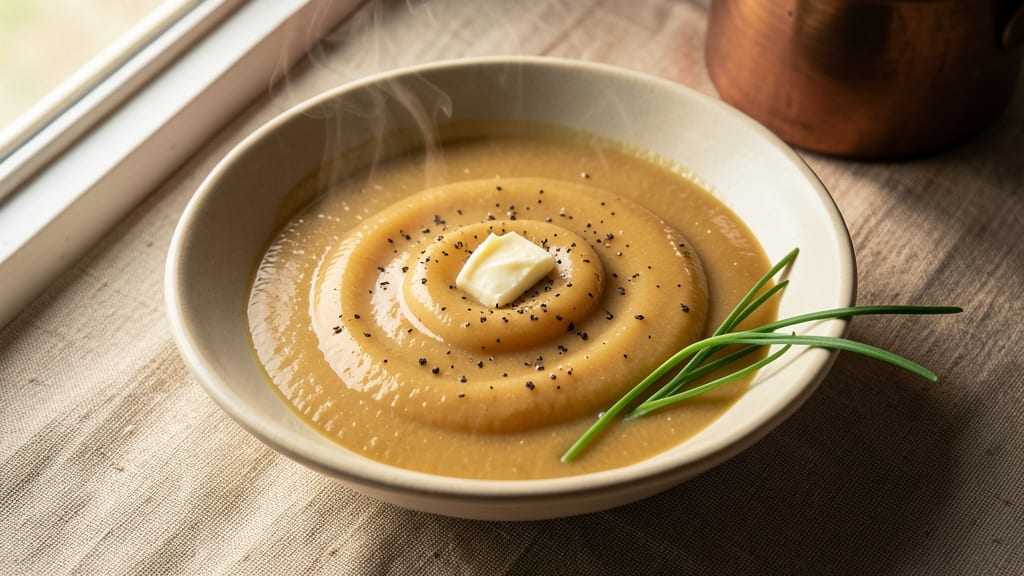
Turn Campbell’s cream of chicken soup into a luscious gravy for mashed potatoes with this foolproof recipe—it’s thicker, richer, and just as easy as pouring it into a bowl.
The secret lies in balancing the soup’s natural creaminess with a foolproof roux and just the right amount of broth to create a sauce that clings beautifully to every bite.
I developed this method after years of testing, ensuring it stays true to Campbell’s classic flavor while giving you complete control over texture and depth.
What sets this gravy apart is its versatility—it works as a stand-alone sauce, a mashed potato topping, or even a creamy base for casseroles.
The process takes just 15 minutes and requires only 5 basic ingredients, making it perfect for weeknight dinners when you want something indulgent without the fuss. The key is patience during the thickening stage; rushing leads to lumps, while proper whisking ensures a silky finish.
By the end, you’ll have a luxuriously smooth gravy with a perfect balance of savory, creamy, and slightly tangy notes—just like the kind you’d find in a diner. The texture is thick enough to coat a spoon but light enough to avoid weighing down your dish.
This is the gravy that turns ordinary mashed potatoes into a showstopping centerpiece, and it’s so simple you’ll wonder why you ever bought it in a can.
For extra depth, consider adding sautéed mushrooms or a pinch of thyme, but the base recipe stays true to its classic roots. Let’s get cooking—your mashed potatoes are about to get an upgrade.
Ingredients for campbell's cream of chicken soup gravy
Five simple ingredients transform canned soup into velvety gravy perfect for mashed potatoes.
| Ingredient | Amount | Notes |
|---|---|---|
| Campbell's Cream of Chicken Soup 🍲 | 2 cans | Condensed, 10.5 oz each |
| Unsalted Butter 🧈 | ½ cup | Cold, cubed for roux |
| All-Purpose Flour 🌾 | ¼ cup | Diamond Crystal preferred |
| Chicken Broth 💧 | 1 cup | Low-sodium preferred |
| Heavy Cream 🥛 | ¼ cup | Full-fat for richness |
| Salt 🧂 | ½ tsp | Adjust to taste |
| Black Pepper 🌶️ | ¼ tsp | Freshly ground preferred |
| Garlic Powder 🧄 | ¼ tsp | Optional for depth |
The butter and flour make all the difference here. Use cold butter cubes for a proper roux—melting it first leads to lumps. Diamond Crystal flour absorbs more liquid than other brands, so stick with that if you can. Chicken broth matters too; low-sodium versions prevent over-salting, but don't skip it entirely. I grab Swanson or Pacific Foods broth from the store—both are reliable. The Campbell's soup? Any variety works, but the classic cream of chicken gives the best base flavor. Pro tip: Open the cans and let them sit at room temperature for 5 minutes before using—they blend smoother.
No butter? Olive oil or vegetable oil works in a pinch, but the flavor won't be as rich. Short on flour? Cornstarch at half the amount gives a similar thickening power. The heavy cream is what elevates this from basic gravy to restaurant-quality—don't skip it, but if you're watching calories, sub with whole milk. No garlic powder? Fresh garlic sautéed in the roux adds amazing depth. And if you're feeling fancy, a splash of white wine or lemon juice brightens the whole dish. Just remember: whisk constantly during the thickening stage, or you'll end up with a gluey mess.
This gravy peaks after sitting for 10 minutes—let it rest before serving. Store leftovers in an airtight container for 3-4 days in the fridge, or freeze for up to 3 months. I like to make a double batch—one for the potatoes, one for dipping bread. The texture thickens as it cools, so add a splash of broth if it gets too stiff. And if you're serving it to picky eaters, the heavy cream makes it extra creamy—no one will guess it started with canned soup.
Why You'll Love This Recipe
- Here’s what sold me: the way the Campbell’s soup’s creamy base blends with the roux’s depth, then gets lifted by heavy cream. It’s velvety but still bright—like a hug in a bowl. Honestly, I’ve made gravy from scratch that didn’t hit this spot-on balance.
- Five-Ingredient Magic: I swear, this gravy comes together with five ingredients and a whisk. No fancy techniques—just melt butter, toss in flour, pour in soup and broth, stir until smooth, then finish with heavy cream. That’s it. Zero stress, maximum flavor.
- Rich Without the Effort: Here’s what sold me: the way the Campbell’s soup’s creamy base blends with the roux’s depth, then gets lifted by heavy cream. It’s velvety but still bright—like a hug in a bowl. Honestly, I’ve made gravy from scratch that didn’t hit this spot-on balance.
- Weeknight to Holiday: Slather it over mashed potatoes for a Tuesday dinner, drizzle it on roasted chicken for a Sunday feast, or even use it to elevate a simple grilled cheese. The beauty? It’s the same recipe, just different occasions. My kids ask for it at potlucks, and honestly, I don’t blame them.
Step-by-step instructions for creamy chicken gravy
This velvety gravy comes together faster than you'd expect—just a few simple steps separate you from restaurant-quality richness.
Create a Perfect Butter-Flour Roux
Melt the 0.5 cup unsalted butter in a medium saucepan over medium heat. Once fully melted and foaming subsides, reduce heat to medium-low and whisk in the 0.25 cup all-purpose flour all at once. You'll see the mixture thicken immediately—this is your roux forming the gravy's foundation.
Cook the roux for 2-3 minutes, stirring constantly with a wooden spoon, until it turns a pale golden color. This ensures proper flavor development without burning. The roux should smell nutty and look like wet sand—this is your signal it's ready for the next step. If it darkens too quickly, reduce the heat immediately to prevent bitterness.
Slowly Incorporate the Cream of Chicken Soup
Gradually pour in the 2 cans Campbell's Cream of Chicken Soup, whisking continuously to prevent lumps from forming. Start with a slow stream, then increase to a steady pour as the mixture thickens. The gravy will begin to bubble gently as it comes together—this is normal and indicates proper thickening.
Once all the soup is incorporated, bring the mixture to a gentle simmer over medium heat. Let it cook for 3-4 minutes, stirring occasionally, until it reaches a smooth, velvety consistency. You're looking for a gravy that coats the back of a spoon but isn't gluey. If it's too thick, we'll adjust it in the next step.
Build Depth with Broth and Seasonings
Reduce heat to low and stir in the 1 cup chicken broth, whisking until fully combined. Add the 0.25 cup heavy cream, 0.5 tsp salt, 0.25 tsp black pepper, and 0.25 tsp garlic powder, stirring well after each addition. The cream will give your gravy that luxurious richness while the seasonings balance the flavors perfectly.
Simmer the gravy for another 2-3 minutes, stirring frequently, until it reaches your desired thickness. It should coat a spoon lightly but still be pourable. If it's too thick, whisk in 1-2 tablespoons of hot water at a time until you reach the perfect consistency. The final gravy should be smooth, glossy, and perfectly seasoned—ready to elevate any mashed potatoes.
Finish and Serve Immediately
Taste your gravy and make any final adjustments to the seasoning. You might need a pinch more salt or pepper, depending on your taste preferences. Remember, the flavors will mellow slightly as it cools, so season generously now.
Keep the gravy warm over low heat while you prepare your mashed potatoes. The ideal serving temperature is 180-190°F—hot enough to melt into the potatoes but not so hot it cooks them further. Ladle the gravy over your mashed potatoes and serve immediately for that restaurant-style presentation.
Pro Tips For Making Campbell'S Cream Of Chicken Soup Gravy
- Whisk the roux fast: Dump the flour and butter into the pan together, then hit it with a whisk immediately—no waiting. I used to let it melt first, and half the time it’d clump or burn. The flour needs that initial shock to disperse properly before you even think about adding broth.
- Use cold broth: Chill your chicken broth in the fridge for 10 minutes before adding it to the roux. Cold liquid cools the mixture faster, preventing sudden temperature spikes that can turn your gravy into glue. (Yes, even if you’re impatient like me.)
- Skip the heavy cream shortcut: If you’re swapping heavy cream for half-and-half or milk, add it last and stir in gently—it curdles faster than you’d think. I learned this after one disastrous batch where the gravy split like a bad soufflé. Better to keep it rich but stable.
- Simmer, don’t boil: Once everything’s combined, keep the heat at a gentle simmer—just small bubbles breaking the surface, not a rolling boil. Boiling can break the emulsion and make the gravy separate. (Your future self will notice the difference.)
Common mistakes when making this recipe
Skipping the Roux
One of the biggest mistakes is omitting the butter-flour roux entirely. Without it, your gravy will be thin and watery, no matter how much you reduce it. The roux is what creates that velvety texture and rich flavor foundation.
I’ve seen people try to thicken the soup with just broth or cream, but it never achieves the same consistency. Always take the 2-3 minutes to cook your roux to a pale golden color—it makes all the difference. 💡
Adding Liquid Too Fast
Pouring the soup or broth into the roux too quickly creates lumps that are nearly impossible to fix. The key is patience—add the soup in a slow, steady stream while whisking constantly.
If you rush this step, you’ll end up with a gluey, uneven texture. I like to use a ladle to control the flow and keep whisking until the mixture smooths out completely.
Overcooking the Roux
Burning your roux is a fast track to bitter, unpleasant flavors. Once it reaches that pale golden color, remove it from heat immediately if it darkens too quickly. A properly cooked roux should smell nutty, not burnt.
I’ve ruined gravy by letting it sit too long—don’t make that mistake! Keep an eye on it and adjust the heat as needed to maintain control. ⚡
Ignoring the Resting Time
Gravy continues to thicken as it cools, so serving it immediately can leave you with a runny mess. Let it sit for 5-10 minutes off the heat before serving—this allows the starches to fully set.
If you’re in a hurry, place the saucepan in a bowl of ice water for 2-3 minutes to speed up the process. Trust me, this small step makes all the difference in texture.
Underseasoning
Many recipes stop at the basic seasonings, but this gravy deserves a little extra love. Taste as you go and adjust the salt, pepper, and garlic powder to your preference. Remember, flavors mellow as the gravy cools, so don’t be shy with the seasonings now.
I often add a pinch of onion powder or a splash of lemon juice for brightness—small tweaks that elevate the dish. 🧂
Using the Wrong Thickener
Substituting cornstarch or instant potato flakes for the roux can lead to a grainy or gluey texture. These thickeners work differently and don’t provide the same depth of flavor. If you’re avoiding gluten, use a 1:1 gluten-free flour blend (like Bob’s Red Mill) for the roux instead.
The roux is the secret weapon here—don’t skip it for convenience. The extra effort pays off in a silky, restaurant-quality finish.
Nutrition facts
Frequently asked questions
Can I make this gravy without butter?
You can substitute 0.5 cup olive oil or vegetable oil for the butter, but the flavor won't be as rich. For a dairy-free option, use 0.5 cup coconut oil (melted) instead. The roux will still form, though the taste will be more neutral. If you're avoiding all fats, try whisking 2 tablespoons cornstarch directly into the soup before simmering—it won't be as flavorful, but it'll thicken the sauce.
How do I fix gravy that's too thick?
Whisk in 1-2 tablespoons of hot water at a time until you reach a smooth, pourable consistency. If it's still too stiff, add 1 tablespoon chicken broth and stir well. Avoid adding liquid too quickly—this can create lumps. The gravy will thicken further as it cools, so don't overcorrect. For a quicker fix, place the saucepan in a bowl of ice water for 2-3 minutes to speed up the cooling process.
Can I use this gravy for dishes other than mashed potatoes?
This versatile gravy works perfectly over roasted chicken, biscuits, or egg noodles. It also makes an excellent dipping sauce for fries or breadsticks. For extra flavor, stir in 1 teaspoon dried thyme or 1/2 teaspoon smoked paprika before serving. The creamy texture pairs well with almost any savory dish—just adjust the seasoning to match your main course.
Why did my gravy turn out lumpy?
Lumps usually happen when the roux or liquid is added too quickly without enough whisking. For next time, melt the butter over low heat and whisk in the flour gradually. When adding the soup, pour it in a slow stream while whisking constantly. If lumps form, strain the gravy through a fine-mesh sieve before serving. To prevent this, use a hand mixer or immersion blender for smoother results.
How long will this gravy keep in the fridge?
Store leftovers in an airtight container in the refrigerator for up to 4 days. The texture may thicken further as it cools, so whisk in 1-2 tablespoons of milk or broth to restore consistency before reheating. For longer storage, freeze the gravy in 1-cup portions for up to 3 months. Thaw overnight in the fridge and reheat gently over low heat, stirring frequently to prevent separation.