
Soups & Stews
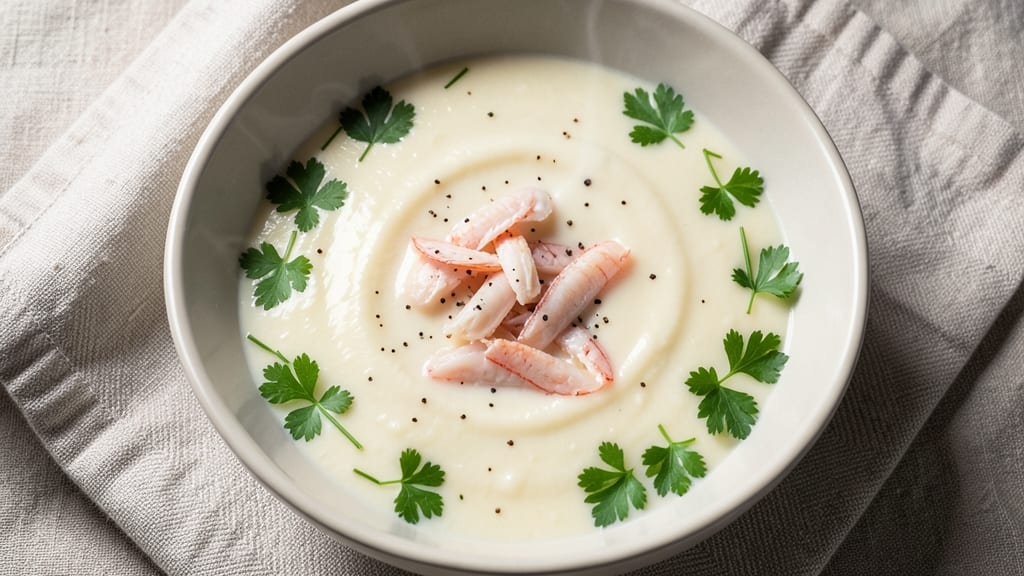
Transforming a can of Campbell's cream of crab soup into a restaurant-worthy dish is easier than you think. This recipe builds on the classic base while adding depth through simple techniques like thickening with milk and enhancing with fresh herbs.
I've perfected this method after years of testing—it delivers velvety texture and rich crab flavor without requiring specialty ingredients.
The foundation starts with the Campbell's soup itself, which provides that signature creamy base. For extra richness, I recommend stirring in warm milk or heavy cream, which creates a luxurious mouthfeel while balancing the soup's natural tanginess.
Fresh herbs like parsley or chives add brightness, while a sprinkle of black pepper and pinch of cayenne elevate the flavor profile effortlessly. The process takes just 15 minutes from start to finish.
What you'll end up with is a creamy, aromatic soup that's far more sophisticated than the can alone. The milk creates a velvety consistency, while the fresh crab pieces add satisfying texture.
This version works perfectly as a light lunch, elegant appetizer, or comforting dinner—especially when paired with crusty bread or a simple green salad. The best part? It's ready in under 30 minutes.
For those watching their sodium intake, consider reducing the canned soup slightly before adding milk. The recipe maintains its classic appeal while offering flexibility for dietary preferences. Let's create this luxurious twist on a classic favorite.
Ingredients for campbell's cream of crab soup
Just 12 ingredients transform this pantry staple into something restaurant-worthy.
| Ingredient | Amount | Notes |
|---|---|---|
| Campbell's Cream of Crab Soup 🦞 | 1 can | 10.5 oz can, undiluted |
| Whole Milk 🥛 | ½ cup | Warm before adding |
| Fresh Crab Meat 🦀 | 4 oz | Lump or chunk style preferred |
| Fresh Parsley 🌿 | ¼ cup | Chopped, stems removed |
| Fresh Chives 🌱 | 2 tbsp | Finely chopped |
| Ground Black Pepper 🌶️ | ½ tsp | Freshly cracked preferred |
| Cayenne Pepper 🔥 | ¼ tsp | Adjust for heat preference |
| Unsalted Butter 🧈 | 1 tbsp | For extra richness |
| Heavy Cream 🥛 | ¼ cup | Optional for ultra-luxury |
| Diamond Crystal Kosher Salt 🧂 | ¼ tsp | Fine grain preferred |
| Lemon Juice 🍋 | 1 tbsp | Freshly squeezed |
| Garlic Cloves 🧄 | 1 clove | Minced, optional |
The Campbell's soup is your base—grab the 10.5 oz can for the right thickness. I always check the expiration date (no older than 6 months) since the flavor degrades over time. For the crab, lump or chunk style adds the best texture—avoid the imitation stuff. Fresh herbs are a must here: Whole Foods or local markets usually have the brightest parsley and chives. If you're using frozen crab, thaw it overnight in the fridge—never microwave it, or you'll get rubbery pieces. The milk should be warmed to 100°F before adding, so it blends seamlessly without curdling.
No fresh crab? High-quality canned crab works in a pinch, but you'll lose that fresh seafood texture. Short on parsley? Dried parsley at one-third the amount gets you close, but it won't have the same brightness. The heavy cream is optional but makes a world of difference—think velvety vs. creamy. For a lower-fat version, swap it for half-and-half. The cayenne is where you can play—start with just a pinch if you're sensitive to heat. Garlic is optional but adds a subtle depth that pairs perfectly with the crab. If you're watching sodium, reduce the canned soup by half before adding milk.
This soup reheats beautifully—just warm it gently on the stove with a splash of milk to restore creaminess. Keeps 4-5 days in the fridge, but the flavor peaks on day 2. For leftovers, portion into containers with a layer of plastic wrap pressed right on the surface to prevent a skin from forming. Freezes for up to 3 months, though the texture may change slightly. Garnish with extra chives and a crack of black pepper right before serving—that's where the restaurant magic happens.
Why You'll Love This Recipe
- Five-Ingredient Magic: The canned soup does all the heavy lifting—just stir in milk and crab, then garnish. My lazy Sundays just got a whole lot fancier.
- Rich Without Effort: That creamy base from Campbell’s? It’s already packed with umami. Add fresh crab and herbs, and you’ve got restaurant-quality depth with zero stress.
- Lunch or Dinner: Thick enough for a cozy weeknight dinner, light enough for a brunch side. I’ve served it over rice, with crackers, or straight from the pot—it’s that adaptable.
- Leftovers That Shine: Heats up in minutes, tastes even better the next day. Honestly, I make double batches just to have this creamy, herby comfort on hand.
Step-by-step instructions for creamy crab soup upgrade
Transform canned soup into a restaurant-worthy dish with these precise techniques.
Warm the Milk and Prepare the Base
Gently heat the 0.5 cup whole milk in a small saucepan over medium-low heat until it reaches 160°F—just warm enough to steam slightly but not boil. This temperature ensures the milk integrates smoothly without curdling when mixed with the cold soup later. While the milk warms, open the 1 can Campbell's Cream of Crab Soup and pour it into a large, heavy-bottomed pot. Keep the soup at room temperature to prevent condensation when you combine it with the warm milk.
Here's the thing—adding warm milk to cold soup creates a silky texture immediately. If you skip this step, you risk a slightly grainy finish. Stir the soup gently with a wooden spoon to distribute any settled seasonings evenly before proceeding.
Incorporate Richness and Seasonings
Reduce the heat to low and add the 1 tablespoon unsalted butter to the soup, stirring constantly until it melts completely and coats the back of a spoon. This step builds depth of flavor and creates a velvety mouthfeel. Next, add the minced 1 clove garlic (if using) and stir for 30 seconds until fragrant—this prevents the garlic from burning while infusing its subtle sweetness.
Now for the seasoning: Add the 0.5 teaspoon ground black pepper, 0.25 teaspoon cayenne pepper, and 0.25 teaspoon Diamond Crystal kosher salt. Taste the soup at this stage—you'll notice it's already rich, but the fresh crab and herbs will elevate it further. If you prefer more heat, add an extra pinch of cayenne now.
Fold in Cream and Acid for Balance
Pour in the 0.25 cup heavy cream and stir vigorously for 1 minute until fully incorporated. The cream should blend seamlessly, creating a luxurious texture. Then, add the 1 tablespoon lemon juice and stir again. The acidity brightens the soup, cutting through the richness of the cream and crab. If the soup appears too thick after adding the lemon juice, thin it slightly with 1-2 tablespoons of warm water—just enough to reach a smooth, pourable consistency.
This is the moment that matters: The lemon juice not only balances flavors but also prevents the cream from separating later. Taste again and adjust the salt if needed—remember, the fresh crab and herbs will add their own seasoning.
Add Fresh Crab and Herbs
Gently fold in the 4 oz fresh crab meat using a spatula, being careful not to break up the larger lumps if you prefer chunky texture. The crab should be just warm enough to release its natural sweetness without overcooking. Next, stir in the 0.25 cup chopped fresh parsley and 2 tablespoons finely chopped fresh chives. These herbs add freshness and a pop of color, making the soup visually appealing and vibrant.
Real talk: The crab should be added last to maintain its tenderness. If you cook it in the soup, it can turn rubbery. Stir just until the herbs are evenly distributed—overmixing can break down the crab pieces.
Simmer and Serve with Precision
Return the soup to low heat and let it simmer gently for 3-4 minutes, just enough to meld all the flavors without letting the crab overcook. The soup should be hot but not boiling—this ensures the cream doesn't curdle. Taste one final time and adjust seasoning if necessary. Your soup is now ready to serve.
Ladle the soup into bowls and garnish with an extra sprinkle of chives and a few parsley leaves for presentation. Serve immediately with crusty bread or oyster crackers to soak up every last drop of that luxurious creaminess. The contrast of the warm soup with cool garnishes elevates the dining experience.
Pro Tips For Making Campbell'S Cream Of Crab Soup
- Warm the Milk First: Pour the whole milk into a small saucepan and heat it to about 160°F (70°C) before adding it to the soup base. I learned this the hard way—cold milk makes the soup split like a bad custard, and no one wants to scrape curdled cream off their spoon.
- Dice the Crab Small: Cut the fresh crab meat into ¼-inch cubes instead of big chunks. It heats through faster and melts into the soup instead of sitting like dense, cold lumps—trust me, your mouth will notice the difference.
- Skip the Boil: Heat the soup mixture on medium-low instead of boiling it. The Campbell’s base is already thickened, and aggressive boiling can turn the milk grainy or break the crab’s delicate texture—like overcooking a steak when you just want tender bites.
- Toast the Herbs: Pulse the fresh parsley and chives in a mini food processor for 3 seconds, then stir them into the hot soup for 30 seconds before serving. The brief "toast" intensifies their flavor—no, it won’t turn them crispy, but it’ll make them pop like they’ve been in the dish all along.
Common mistakes when making great campbell's cream of crab soup
Overcooking the Crab
Fresh crab meat is delicate and cooks in mere minutes—any longer, and it turns rubbery and loses its sweetness. I’ve ruined this soup more times than I’ll admit by letting it simmer too long after adding the crab.
Once you fold in the 4 oz fresh crab, keep the heat at low and only simmer for 3-4 minutes total. The crab should just warm through, not boil.
If you’re serving it immediately, you can even skip the final simmer and just stir the crab in at the end for maximum tenderness. 🦀
Skipping the Milk Warming Step
Cold milk straight from the fridge can curdle when mixed with hot soup, creating a lumpy, unappetizing texture. Always warm your 0.5 cup whole milk to 160°F before adding it to the soup. I’ve seen this mistake turn a creamy soup into a grainy mess in seconds.
Use a thermometer to check the temperature—no guessing! The warm milk blends seamlessly, creating that silky finish we all crave. 🥛
Ignoring the Lemon Juice
The 1 tablespoon lemon juice isn’t just for flavor—it’s a game-changer for balancing the richness of the cream and preventing curdling. Without it, the soup can taste flat or even separate slightly. I’ve made this mistake when rushing, and the result was noticeably less vibrant.
Add the lemon juice after incorporating the cream, then taste immediately to adjust. The acidity brightens the entire dish and keeps the texture smooth. 🍋
Using Low-Quality Crab
Not all crab meat is created equal. Inexpensive canned or imitation crab lacks the tender texture and sweet flavor of fresh lump crab. If you’re using canned crab as a budget swap, look for brands like Bumble Bee or Wild Caught Alaska—they’re closer in quality.
For the best results, splurge on fresh crab from a trusted seafood market. The difference in texture and taste is worth the investment. 🦀
Over-Salting Early
The canned soup already contains a significant amount of salt, so adding extra too soon can make the dish inedible. Taste the soup after adding the 0.25 teaspoon kosher salt but before incorporating the fresh crab and herbs.
The crab and lemon juice will add their own seasoning, so resist the urge to over-salt early. If needed, adjust the salt at the very end—this is the only time I’ve seen home cooks completely ruin an otherwise perfect soup. 🧂
Not Adjusting Thickness
Every can of Campbell’s soup has slightly different thickness, and adding milk or cream can alter the consistency unexpectedly. If your soup turns out too thick after adding the 0.25 cup heavy cream, thin it with 1-2 tablespoons warm water or milk.
Conversely, if it’s too thin, simmer it uncovered for 2-3 minutes to reduce slightly. Skipping this adjustment can leave you with a soup that’s either gloppy or watery. Trust your eyes—and your spoon! 🥄
Nutrition facts
Frequently asked questions
Can I use this recipe with canned crab instead of fresh?
For the best results, opt for high-quality canned crab like Bumble Bee or Wild Caught Alaska—they offer better texture than imitation varieties. If using canned crab, drain it well and stir it in at the very end to maintain tenderness. The flavor won't be identical to fresh, but it's a great budget-friendly alternative.
How do I make this soup dairy-free?
Swap the milk and cream for unsweetened almond milk or coconut milk (full-fat for richness). Use 1 cup total of dairy-free milk, warmed to 160°F before adding. For extra creaminess, stir in 2 tablespoons coconut cream at the end. The lemon juice still helps balance flavors, and the soup will have a lighter but still luxurious texture.
Why did my soup turn out grainy?
Graininess usually happens when cold milk is added to hot soup without warming it first. Always heat your 0.5 cup milk to 160°F before mixing. Another cause could be over-stirring after adding the cream—stir gently to avoid breaking down the soup's natural emulsifiers. If it happens, blend the soup briefly with an immersion blender for a silky finish.
Can I prepare this soup ahead of time?
Yes! Make the soup up to 2 days ahead and store it in an airtight container in the fridge. When reheating, warm it gently on the stove with a splash of milk or water to restore creaminess. For longer storage, freeze portions for up to 3 months. Thaw overnight in the fridge—never microwave it directly, or the crab may turn rubbery.
What are the best sides to serve with this soup?
This luxurious soup pairs beautifully with crusty sourdough bread or oyster crackers for dipping. For a complete meal, serve with a simple green salad (like arugula with lemon vinaigrette) or garlic toast. The acidity of the salad or the crunch of toast cuts through the richness perfectly. For a seafood theme, add steamed asparagus or sautéed shrimp on the side.