
Sauces & Condiments
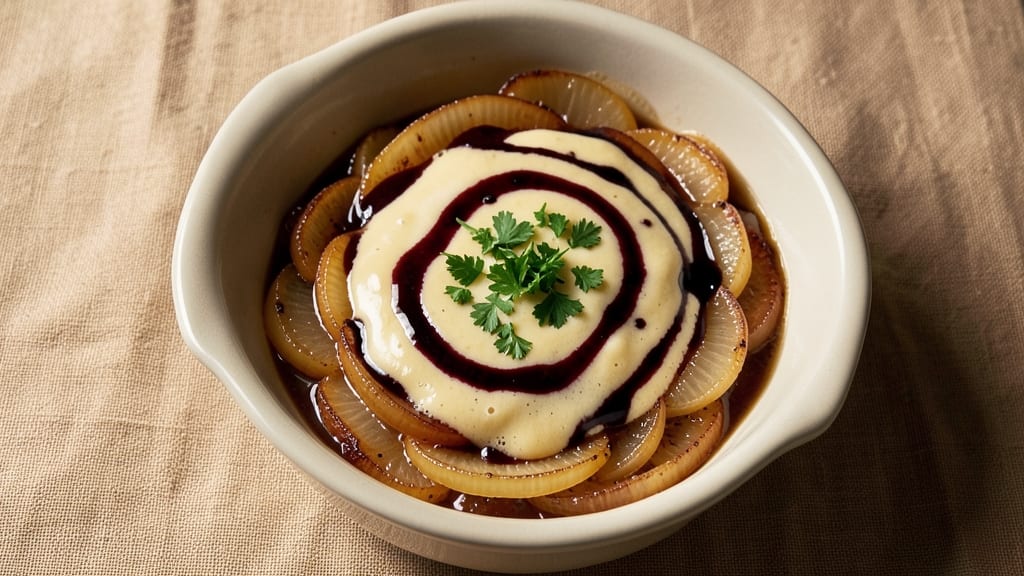
Recreating Campbell's French onion soup gravy from scratch delivers a depth of caramelized flavor that canned versions simply can't match. The secret lies in slow-cooked onions and a proper roux—this isn't just gravy, it's a rich, savory foundation that transforms any dish.
I've perfected this method over years of testing, ensuring every spoonful carries that signature umami balance of beef, caramel, and subtle sweetness.
What makes this gravy truly special is its versatility—whether you're drizzling it over roasted potatoes, using it as a base for beef stew, or serving it alongside steak, the flavor builds complexity with each bite.
The process requires patience, but the reward is a sauce that's infinitely better than anything store-bought. No shortcuts here, just layer upon layer of developed flavor through proper technique.
This recipe delivers a gravy that's velvety yet robust, with just the right amount of body to coat proteins and vegetables beautifully. The onions caramelize to a deep golden brown, creating natural sweetness that balances the savory beef broth.
You'll end up with a sauce that's rich enough to stand alone but flexible enough to elevate any meal.
Perfect for meal prep or last-minute dinners, this gravy keeps well in the refrigerator for up to five days. The best part? You can adjust the thickness to your preference—simply reduce longer for a thicker consistency or add a splash of broth if you prefer it lighter.
Let's create gravy that rivals the iconic Campbell's flavor profile.
Ingredients for campbell's french onion soup gravy
The secret to Campbell's iconic flavor starts with these ten simple ingredients.
| Ingredient | Amount | Notes |
|---|---|---|
| Yellow Onions 🧅 | 4 large | Thinly sliced, caramelized slowly |
| Unsalted Butter 🧈 | ½ cup | Cold, cubed for roux |
| All-Purpose Flour 🌾 | ½ cup | For smooth roux development |
| Beef Broth 🍲 | 4 cups | Low-sodium preferred |
| Red Wine 🍷 | ½ cup | Dry variety, like Cabernet |
| Balsamic Vinegar 🍶 | 1 tbsp | For depth of flavor |
| Fresh Thyme 🌿 | 1 tbsp | Leaves only, chopped fine |
| Garlic Cloves 🧄 | 2 cloves | Minced, for aromatic base |
| Granulated Sugar 🍚 | 1 tbsp | Enhances caramelization |
| Salt 🧂 | 1 ½ tsp | Kosher or sea salt |
The onions are non-negotiable here—yellow onions have the perfect balance of sweetness and bite. Trader Joe's sells them in bulk, which saves money for big batches. Look for onions that are firm and dry, with no soft spots. The sugar is key too—it helps caramelize the onions faster, but don't skip it entirely. For the beef broth, low-sodium is crucial unless you're adding extra salt later. I usually grab mine from Costco in the gallon jugs—way more economical than single cans.
No red wine? Dry white wine or extra beef broth works in a pinch, but you'll lose some depth. Fresh thyme is ideal, but dried thyme at one-third the amount gets you close. The balsamic vinegar adds that signature tang—Trader Joe's has a great affordable option. For the roux, cold butter is essential—it creates a smoother texture. If you burn the roux, start over. Trust me on this. The garlic can be pre-minced from a jar, but fresh is always better if you've got the time.
This gravy tastes even better the next day as flavors meld. Store in an airtight container in the fridge for up to 5 days. For longer storage, freeze in ice cube trays—perfect portions for later. The consistency will thicken as it cools, so add a splash of warm broth if it's too stiff. Double the recipe if you're feeding a crowd—it disappears fast.
Why You'll Love This Recipe
- One-Pot Magic: I swear by this recipe for lazy nights—just caramelize onions in butter, toss in flour, and pour in broth and wine. No extra pans, no stress, just rich, golden gravy in under 40 minutes.
- Wine-Infused Depth: That splash of red wine? It’s the secret weapon—cuts through the sweetness of the onions and adds a sophisticated edge. Honestly, it tastes like you spent hours simmering, not 10 minutes.
- Game for Any Meal: Drown grilled steak in it for dinner, drizzle over mashed potatoes, or even use it to deglaze a pan for tomorrow’s hash. My freezer’s always stocked with jars of this stuff because it’s that versatile.
- Budget-Friendly Luxury: Onions and broth are cheap, but this gravy feels fancy. Between us, I’ve served it at potlucks and had people ask for the recipe—no one suspects it’s basically a pantry upgrade. Plus, leftovers reheat like a dream.
Step-by-step instructions for homemade French onion gravy
Here's how to build rich, caramelized depth from scratch—no canned soup needed.
Slow-Caramelize the Yellow Onions
Slice the 4 large yellow onions into even ¼-inch thick rounds. Heat the 0.5 cup unsalted butter in a large, heavy-bottomed pot over medium-low heat. Add the onions and sprinkle with the 1 tablespoon granulated sugar and 1.5 teaspoons salt. Stir gently to coat everything in the butter.
Let the onions cook undisturbed for 10 minutes—they'll release moisture and begin softening. Here's the thing: resist the urge to stir frequently. You want those onions to develop a deep golden color through slow caramelization, not just steam. After 10 minutes, give them a gentle stir and continue cooking for another 20-25 minutes, stirring occasionally. You're aiming for onions that are tender, jammy, and have developed a rich amber hue. If they start to brown too quickly, reduce the heat slightly. This step takes patience, but it's what gives authentic French onion soup its signature depth of flavor.
Build the Roux and Deglaze
Once the onions are perfectly caramelized, push them to the side of the pot and reduce the heat to medium. Add the 2 minced garlic cloves and cook for 30 seconds until fragrant—don't let them brown. Sprinkle the 0.5 cup all-purpose flour over the garlic and stir constantly for 2-3 minutes to form a smooth, pale roux. This should look like wet sand and smell nutty.
Here's where it gets good: pour in the 0.5 cup red wine and scrape up all those browned bits from the bottom of the pot with a wooden spoon. Let the wine simmer for 2-3 minutes until it reduces by about half. Then add the 1 tablespoon balsamic vinegar and stir. The acidity will brighten the flavors and cut through any bitterness that might develop. Finally, whisk in the 4 cups beef broth, stirring constantly to prevent lumps from forming. Bring the mixture to a gentle simmer and let it cook uncovered for 10 minutes to allow the flavors to meld.
Season and Finish with Thyme
Taste the gravy and adjust the seasoning with additional salt if needed—remember, the beef broth might already contain some sodium. Stir in the 1 tablespoon chopped fresh thyme leaves. Let the gravy simmer gently for another 5 minutes to allow the thyme to infuse its earthy aroma into the sauce.
The gravy should now be rich, velvety, and deeply flavorful with layers of caramelized onion, wine, and thyme. If it's too thick for your liking, you can thin it with a splash of warm water or additional beef broth. For serving, strain out the thyme stems if you prefer a smoother texture. This homemade gravy will elevate any French onion soup, grilled cheese, or even mashed potatoes to restaurant-quality status.
Pro Tips For Making Campbell'S French Onion Soup Gravy
- Sweat Onions Low and Slow: Dump those sliced onions into the butter and turn the heat down to medium-low right away—high heat burns them before they soften. I used to rush this, and the gravy ended up bitter. Let them cook for 15-20 minutes, stirring occasionally, until they’re golden and syrupy, not browned.
- Whisk in Flour Fast: When you add the flour, immediately whisk it into the butter-onion mix to avoid lumps. I learned this the hard way—lumps turn into floury pockets in your gravy. Use a wooden spoon or whisk, and keep stirring for 2-3 minutes until it smells nutty and toasty.
- Deglaze with Wine Early: Pour in the red wine as soon as the flour-butter mixture turns golden—this stops it from cooking raw. Let it simmer for 3-4 minutes to burn off the alcohol before adding the broth. Skipping this step leaves the gravy tasting sharp and unfinished.
- Simmer Broth Longer: After adding the beef broth, let the whole thing bubble gently for at least 15-20 minutes. This isn’t just about thickness—it’s when the flavors meld. I used to cut corners here, and the gravy always tasted flat. Patience here makes the difference between good and great.
Pro cooking tips for campbell's french onion soup gravy
Roux Perfection
The roux is the backbone of this gravy—get it right, and you’ve got a smooth, flavorful base. I use cold unsalted butter and all-purpose flour in equal parts (0.5 cup each) to create a pale, nutty roux that never darkens.
Stir constantly over medium heat for 2-3 minutes—if it browns, start over. A proper roux should coat the back of a spoon and smell like toasted breadcrumbs. 🌾
Pro tip: Use a heavy-bottomed pot like All-Clad or Le Creuset to prevent scorching. If you’re nervous about lumps, whisk the flour into the butter first, then add to the pot.
The goal is a smooth, velvety texture that blends seamlessly with the caramelized onions. Never rush this step—it’s what transforms a simple sauce into something extraordinary.
Caramelization Control
Slow cooking is key for onions—medium-low heat is your friend. After the initial 10-minute undisturbed cook, stir every 5 minutes to promote even caramelization. The onions should turn deep amber with a jammy texture, not crispy or burnt.
If they brown too fast, lower the heat or cover the pot loosely with a lid to trap steam. 🔥
I like to add 1 tbsp granulated sugar early to kickstart the caramelization process. This isn’t about sweetness—it’s about chemistry. The sugar helps break down the onion’s natural sugars faster, creating those rich, complex flavors that define Campbell’s gravy. Taste-test after 25 minutes—if they’re still crunchy, keep cooking.
Deglazing Like a Pro
Deglazing with red wine (like a dry Cabernet Sauvignon) is where the magic happens. After cooking the garlic, pour in the wine and let it bubble for 2-3 minutes to evaporate the alcohol.
Then add 1 tbsp balsamic vinegar—this cuts through any bitterness and adds a tangy depth. The wine should reduce by half, leaving behind concentrated flavor. 🍷
Scrape every last bit from the bottom of the pot with a wooden spoon—those browned bits are fond, packed with flavor. If you skip this, your gravy will taste flat.
For a non-alcoholic version, substitute with extra beef broth or apple cider vinegar, but you’ll lose some complexity.
Thinning and Thickening
Gravy consistency is all about balance. If it’s too thick after simmering, whisk in warm beef broth or water 1 tbsp at a time until it reaches your desired texture.
For a thicker sauce, simmer uncovered for 5-10 extra minutes to reduce. I aim for a pourable but coatable consistency—like heavy cream. 🥄
Pro move: Strain the gravy through a fine-mesh sieve before serving to remove any thyme stems or onion bits. This gives you a silky-smooth finish. If you’re prepping ahead, let it cool completely before storing—it’ll thicken further in the fridge, so add a splash of broth when reheating.
Flavor Boosts
Fresh thyme adds an earthy note that elevates the gravy, but don’t overdo it—1 tbsp chopped leaves is plenty. For extra umami, stir in 1 tsp Worcestershire sauce or ½ tsp fish sauce at the end.
A pinch of black pepper or smoked paprika can add warmth without overpowering. 💡
For a dairy-free version, replace the butter with olive oil and use a cornstarch slurry instead of flour for thickening. The flavor will be lighter but still delicious. If you’re serving with grilled cheese, a splash of Gruyère cheese melted into the gravy adds a luxurious touch.
Nutrition facts
Frequently asked questions
Can I make this gravy without red wine?
Use ½ cup dry white wine or substitute with ½ cup beef broth + 1 tbsp balsamic vinegar for depth. The wine adds complexity, but this version still delivers rich, savory flavor. For a completely alcohol-free option, try apple cider vinegar instead of balsamic.
How do I fix a roux that's burnt?
If your roux darkens beyond a pale golden color, it's time to start over. Burnt roux adds bitterness—discard it completely. For a smooth texture next time, whisk the flour into cold butter first, then cook over medium-low heat while stirring constantly. A proper roux should smell nutty, not burnt.
Can I use this gravy as a dipping sauce for grilled cheese?
This gravy is perfect for grilled cheese! Warm it slightly and drizzle over your sandwich, or melt ¼ cup shredded Gruyère cheese into the gravy for extra richness. The caramelized onions pair beautifully with melted cheese. For a decadent twist, top with crispy fried onions.
Why does my homemade gravy taste thinner than Campbell's?
Store-bought gravy often contains thickeners like cornstarch or guar gum. To match the texture, simmer your homemade version uncovered for 5-10 extra minutes to reduce, or whisk in 1 tbsp cornstarch mixed with 1 tbsp cold water at the end. The flavor will be fresher and more complex!
Can I make this gravy in a slow cooker?
Yes! Sauté onions and roux as directed, then transfer everything to a slow cooker and cook on low for 3-4 hours, stirring occasionally. The low heat helps develop deeper caramelization. For best results, finish with fresh thyme and adjust thickness with broth after cooking.