
Soups & Stews
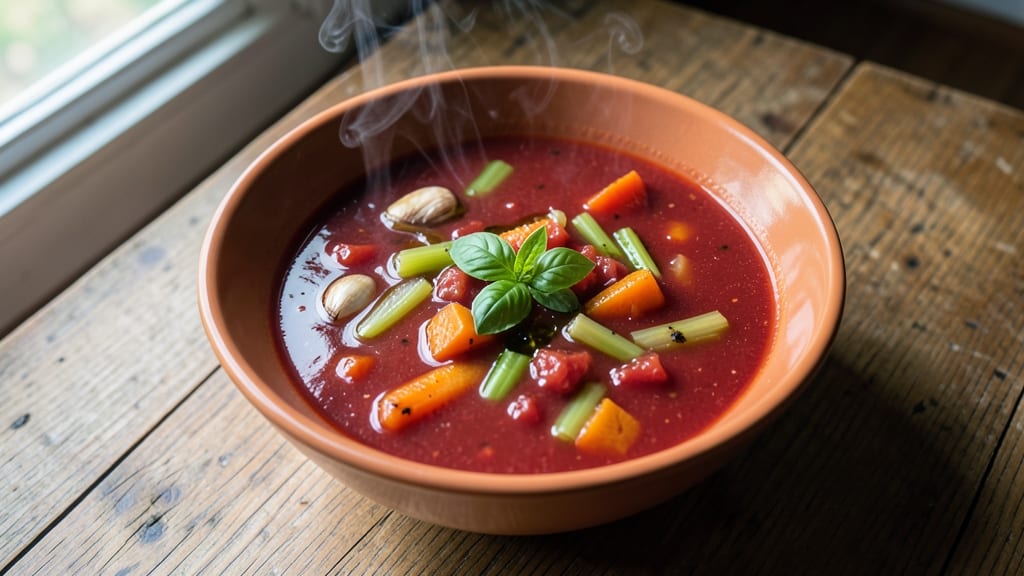
Creating a Campbell's-style tomato vegetable soup from scratch delivers that same comforting, velvety texture and rich flavor you love—just with fresh ingredients and a homemade touch. The secret lies in slow-simmered vegetables, a well-built broth, and the perfect balance of acidity and creaminess that makes this soup so universally adored.
I’ve perfected this recipe over years of testing, ensuring every spoonful captures that nostalgic warmth without relying on canned shortcuts.
This recipe builds on classic techniques while allowing room for customization—whether you prefer a traditional version with just tomatoes and carrots or a modern twist with added cream, herbs, or even protein.
The process is straightforward: sauté onions and garlic, add your vegetables, simmer until tender, then blend for that signature smoothness. No fancy equipment needed, just patience and attention to detail for that restaurant-quality result at home.
What you’ll end up with is a velvety soup with deep tomato flavor, tender vegetables, and a perfectly balanced seasoning that’s rich yet not overly heavy.
The texture is unmistakably creamy (thanks to a touch of cream or blended vegetables), while the taste remains bright and fresh—like a cozy hug in a bowl. This is the kind of soup that warms up a cold day, satisfies a hungry family, and tastes even better the next day.
Best of all, it’s incredibly versatile—serve it as-is for a classic meal, or add grilled cheese sandwiches for the ultimate comfort food combo. The recipe scales easily too, so you can make a single serving or feed a crowd.
Let’s get started on creating your homemade version of this timeless favorite.
Ingredients for campbell's tomato vegetable soup
Fresh veggies and pantry staples transform into velvety soup with that nostalgic Campbell's flavor—just better.
| Ingredient | Amount | Notes |
|---|---|---|
| Yellow Onion 🧅 | 1 ½ cups | Diced for sweet flavor base |
| Garlic Cloves 🧄 | 4 cloves | Peeled and minced |
| Carrots 🥕 | 2 cups | Peeled and chopped |
| Celery Stalks 🌿 | 2 cups | Chopped, includes leaves |
| Canned San Marzano Tomatoes 🍅 | 28 oz | Crushed by hand |
| Vegetable Broth 💧 | 4 cups | Low-sodium preferred |
| Heavy Cream 🥛 | ½ cup | Full-fat for richness |
| Fresh Basil Leaves 🌿 | ¼ cup | Chopped for fresh aroma |
| Olive Oil 🫒 | ¼ cup | Extra-virgin for flavor |
| Salt 🧂 | 1 ½ tsp | Kosher or sea salt |
| Black Pepper 🌶️ | ½ tsp | Freshly ground preferred |
| Sugar 🍚 | 1 tsp | Balances acidity |
| Bay Leaves 🌿 | 2 whole | For deep flavor |
| Dried Thyme 🌿 | ½ tsp | Or 1 tsp fresh thyme |
The San Marzano tomatoes are a game-changer here—look for the 28 oz cans at Whole Foods or Trader Joe's for that perfect balance of sweetness and acidity. If you can't find them, any high-quality canned tomatoes work, but avoid the watery ones. The celery leaves add extra flavor, so don't toss them! For the broth, low-sodium is key—you'll be adding plenty of salt later. Fresh basil is ideal, but dried works in a pinch (use half the amount). The heavy cream is what gives it that signature velvety texture—full-fat makes all the difference.
No San Marzano tomatoes? Crushed tomatoes in a jar work fine, but add a splash of tomato paste for depth. Short on celery? Extra carrots or zucchini keep the veggie count high. The thyme is non-negotiable—it's what makes this taste like a classic tomato soup. No fresh basil? Dried oregano at half the amount gets you close. Want it even creamier? Blend in 1/4 cup of cooked potatoes with the cream. The sugar balances the acidity, so don't skip it—brown sugar works too.
This soup tastes even better the next day—make a double batch and freeze half. Keeps 5 days in the fridge or 6 months frozen. I always portion it into containers so lunches are ready to grab. For serving, a sprinkle of Parmesan cheese or a dollop of sour cream takes it to the next level. The leftovers reheat beautifully—just add a splash of broth if it gets too thick.
Why You'll Love This Recipe
- Minimal Chopping Required: I swear by this recipe when I’m too tired to dice anything smaller than a carrot. The onion and celery get a rough chop—no fancy julienne needed—and the San Marzano tomatoes handle all the sweet, rich work. Between us, that’s 10 minutes of prep I’ll never argue with.
- San Marzano Magic: Honestly, the difference between this soup and every other canned tomato soup is those plump, juicy San Marzano tomatoes. They’re like the secret handshake of tomato flavor—no added sugar, just deep, velvety sweetness that makes you forget you’re using a shortcut.
- Lunchbox Hero: This is my go-to for meal prep because it reheats like a dream and keeps its texture for days. Pack it in a thermos for work, or let the kids assemble their own bowls with grated cheese and crackers—it’s the kind of soup that makes weeknights feel like a win.
- Budget-Friendly Pantry Staple: I’ve made this soup for under $2 a serving, and it still feels special. Carrots, celery, and onions stretch the tomatoes, while garlic and a pinch of salt turn simple ingredients into something that tastes like you slaved over it. (Yes, even on a Tuesday night.)
Step-by-step instructions for creamy tomato vegetable soup
This velvety soup comes together beautifully with simple, fresh ingredients.
Sauté the Vegetable Base
Heat the 0.25 cup olive oil in a large pot over medium heat. Add the 1.5 cups diced yellow onion and cook for 5 minutes until softened and translucent. This foundational step builds flavor—don't rush it.
Add the 2 cups chopped carrots and 2 cups chopped celery stalks (including leaves) to the pot. Stir occasionally for 8-10 minutes until the vegetables begin to soften and release their natural sweetness. You'll smell that comforting garden-fresh aroma developing—this is the soul of your soup.
Push the vegetables to one side of the pot and add the 4 cloves minced garlic cloves. Cook for 30 seconds until fragrant—this prevents burning and ensures the garlic flavor shines through without bitterness.
Build the Tomato Foundation
Pour in the 28 oz crushed canned San Marzano tomatoes and stir to combine with the sautéed vegetables. Add the 4 cups vegetable broth, 1.5 tsp salt, 0.5 tsp black pepper, 1 tsp sugar, 2 whole bay leaves, and 0.5 tsp dried thyme. Bring the mixture to a gentle boil over medium-high heat, then reduce to a simmer.
Let the soup simmer uncovered for 20-25 minutes, stirring occasionally. This slow cook time allows the vegetables to break down completely and the flavors to meld together. You'll notice the soup thickens slightly as it reduces—this is perfect for developing that rich, velvety texture.
Here's the thing—taste the soup after 15 minutes to check seasoning. The tomatoes might need more salt or sugar to balance their natural acidity. Adjust as needed, but remember you'll be adding cream later, so don't over-salt now.
Finish with Cream and Fresh Herbs
Once the vegetables are completely tender and the soup has reduced slightly, remove the 2 whole bay leaves (they've done their job). Stir in the 0.5 cup heavy cream over low heat. The cream will immediately begin to thicken the soup—keep stirring gently to prevent curdling.
Add the 0.25 cup chopped fresh basil leaves and let the soup simmer for another 5 minutes. The basil will infuse the soup with its bright, fresh aroma. For the best flavor, use basil that's been washed and dried thoroughly—any moisture will dilute the soup's richness.
Taste and adjust seasoning one final time. The cream adds a luxurious texture, but the soup should still taste vibrant and vegetable-forward, not overly heavy. If needed, add a splash more vegetable broth to reach your preferred consistency.
Serve Warm with Crusty Bread
Ladle the soup into bowls and serve immediately while steaming hot. The contrast between the warm, velvety soup and crusty bread makes this dish truly satisfying. Each spoonful should deliver that perfect balance of sweet carrots, earthy celery, rich tomatoes, and creamy finish.
For extra flavor, garnish with additional fresh basil leaves or a drizzle of olive oil. The soup tastes even better the next day as the flavors continue to develop, but it's best enjoyed fresh when the vegetables are at their peak tenderness.
Pro Tips For Making Campbell'S Tomato Vegetable Soup
- SWEAT THE VEGETABLES FIRST: Dump the raw onion, garlic, carrots, and celery straight into the pot with a splash of water or broth, then simmer uncovered for 8–10 minutes before adding the tomatoes. This softens them properly and deepens the flavor—no one wants mushy veggies lurking in the background.
- USE WHOLE GARLIC, SMASH IT: Peel the cloves but leave them whole, then crush them flat with the side of your knife before adding to the pot. This releases more aroma and prevents bitter, almond-y aftertaste—trust me, you’ll notice the difference.
- SKIP THE BOILING MADNESS: After adding the tomatoes, reduce the heat to medium-low and let it bubble gently instead of boiling hard. Boiling turns the soup into a thin, watery mess, and you’ll end up with a pot of tomato juice instead of rich, velvety soup.
- SWAP THE WATER FOR BROTH: The recipe calls for water, but a 1:1 swap with low-sodium chicken or vegetable broth adds instant depth. If you’re short on time, even a splash of bouillon powder cut with water works—it’s the easiest upgrade that actually matters.
Perfect pairings for this dish
Classic Grilled Cheese
This timeless pairing is a match made in comfort food heaven. The crispy, buttery layers of a grilled cheese sandwich cut through the velvety richness of the soup perfectly. I recommend using sourdough bread for its slightly tangy flavor and sturdy texture.
Layer sharp cheddar and Gruyère for a melty, flavorful bite that stands up to the soup's depth. Toast the sandwiches in butter or olive oil until golden brown—this adds an extra layer of richness that complements the soup beautifully.
Serve each bowl with two sandwiches on the side for dipping. 🥪
Crusty Bread Basket
A basket of warm, crusty bread is essential for soaking up every last drop of that creamy tomato goodness. I love using baguettes or ciabatta rolls—their open crumb structure makes them ideal for sopping.
For extra flair, brush the bread with garlic-infused olive oil and sprinkle with flaky sea salt before serving. The bread should be fresh from the oven or warmed in a 350°F oven for 5-7 minutes to maintain its crispiness.
A simple side salad with arugula and lemon vinaigrette balances the richness of the soup and sandwich. 🥖
Protein Additions
Want to make this a heartier meal? Add a protein element that pairs beautifully with the soup. I often serve crispy roasted chicken thighs or pan-seared pork chops—both add a satisfying bite and soak up the soup's flavors.
For vegetarians, grilled halloumi cheese or crispy tofu cubes provide a delightful contrast. The key is to cook the protein separately and serve it alongside the soup so it stays warm and doesn't make the soup watery.
A sprinkle of fresh herbs like parsley or thyme on top elevates the presentation. 🍗
Warm Beverage Pairings
A warm drink enhances the cozy experience of this soup. I love serving it with a mug of hot black tea—Earl Grey or chamomile complement the soup's richness without overpowering it. For something heartier, a spiced apple cider (warm with cinnamon sticks) adds a touch of autumnal warmth.
Coffee lovers can enjoy a light roast with a splash of cream—the acidity cuts through the soup's creaminess beautifully. Avoid overly sweet drinks, as they can clash with the soup's natural flavors. ☕
Garnish Ideas
Fresh garnishes add a pop of color and brightness to your bowl. I always finish with a sprinkle of fresh basil leaves—their bright aroma contrasts perfectly with the soup's depth.
A drizzle of high-quality extra-virgin olive oil adds richness, while a pinch of crushed red pepper flakes brings a subtle heat. For a cheesy touch, top with grated Parmesan or shaved Pecorino Romano. The garnishes should enhance, not overpower—the goal is to let the soup's natural flavors shine. 🌿
Leftovers Reinvented
Turn tomorrow's soup into today's lunch with creative reinventions. Use leftover soup as a base for soup-stuffed baked potatoes—top with cheese and broil until bubbly. Or blend the soup into a creamy sauce for pasta, tossing with penne or orzo.
For a quick lunch, serve the soup over crispy roasted potatoes with a side of greens. The beauty of this soup is its versatility—it adapts to whatever you're craving. Store leftovers in an airtight container for up to 5 days in the fridge. 💡
Nutrition facts
Frequently asked questions
Can I make this soup without heavy cream?
For a lighter version, replace the 0.5 cup heavy cream with 0.5 cup coconut milk or 0.5 cup Greek yogurt. Stir it in at the end and simmer for 3-5 minutes to thicken. You can also blend 1/4 cup of cooked potatoes with the vegetables before adding broth for a naturally creamy texture.
How do I fix soup that's too thick or too thin?
If your soup is too thick, stir in 1/4 cup warm vegetable broth at a time until it reaches your desired consistency. For a thinner soup, simmer uncovered for 5-10 extra minutes to reduce the liquid naturally. The cream will help thicken it slightly as it cools, so don't worry about adjusting it too early.
Can I use fresh tomatoes instead of canned?
Yes, but you'll need to prep them differently. Use 4-5 large ripe tomatoes, roasted or simmered until soft before blending. Roast them at 400°F for 20 minutes, then blend with 1/2 cup water to mimic canned tomatoes. This adds a fresher flavor but requires extra prep time.
What if I don't have fresh basil?
No problem! Use 1/2 tsp dried basil or 1/4 tsp dried oregano instead. For a different flavor profile, try 1/4 tsp dried thyme or a pinch of red pepper flakes for warmth. The key is to add herbs at the end to preserve their fresh aroma.
How long can I store leftovers?
Store leftovers in an airtight container in the fridge for up to 5 days. For longer storage, freeze in portions for up to 6 months. Reheat gently on the stove with a splash of broth to restore creaminess. The soup actually tastes better the next day as flavors meld!