
Soups & Stews
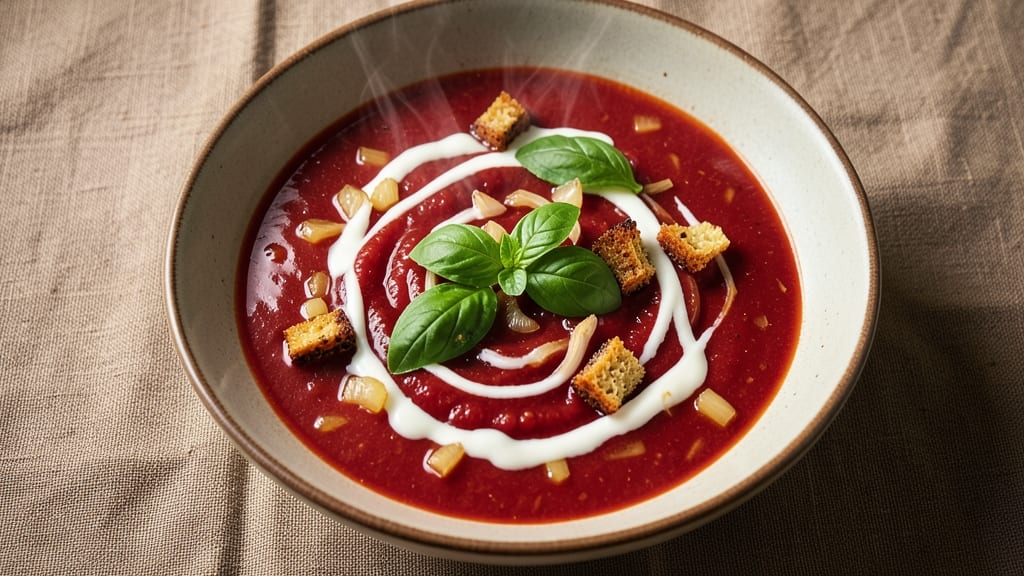
This canned tomato sauce soup recipe turns one humble can into a velvety, umami-rich bowl in just 30 minutes—using five pantry staples. This recipe turns pantry staples into a velvety, deeply flavorful soup that rivals restaurant versions—without the fuss.
The secret lies in simmering the sauce with aromatics until the flavors meld into something complex and satisfying.
What makes this soup special is its versatility and depth of flavor. By blending the simmered sauce with a touch of cream or broth, you create a silky texture that coats every spoonful.
I’ve tested this recipe dozens of times, adjusting seasonings until it achieves that perfect balance of sweetness, acidity, and savory richness. The result? A soup that’s hearty enough for dinner but simple enough for a quick lunch.
This recipe delivers a smooth, velvety consistency with layers of caramelized tomato flavor, thanks to the slow simmering process. The addition of garlic, onion, and herbs deepens the umami notes, while a splash of cream or milk at the end adds a luxurious finish.
It’s the kind of soup that warms you from the inside out, perfect for chilly evenings or when you need comfort in a bowl.
Serve it as-is for a classic tomato soup experience, or customize it with toppings like grated cheese, fresh basil, or a sprinkle of red pepper flakes. The beauty of this recipe is its adaptability—it’s foolproof yet flexible enough to suit your taste.
Ready to make the most of your pantry? Let’s get started.
Ingredients for canned tomato sauce soup
Five pantry staples transform canned tomato sauce into restaurant-quality soup in 30 minutes.
| Ingredient | Amount | Notes |
|---|---|---|
| Canned Tomato Sauce 🍅 | 1 can | 28 oz, smooth variety preferred |
| Yellow Onion 🧅 | 1 whole | Medium size, diced small |
| Garlic Cloves 🧄 | 3 cloves | Fresh, minced fine |
| Heavy Cream 🥛 | ½ cup | Full-fat for best texture |
| Chicken Broth 💧 | 1 cup | Low-sodium preferred |
| Fresh Basil Leaves 🌿 | ¼ cup | Chopped, stems removed |
| Extra-Virgin Olive Oil 🫒 | 1 tbsp | For sautéing aromatics |
| Salt 🧂 | 1 tsp | Kosher or sea salt |
| Black Pepper 🌶️ | ½ tsp | Freshly ground preferred |
| Sugar 🍚 | 1 tsp | Balances acidity |
| Dried Thyme 🌿 | ½ tsp | Or 1 tbsp fresh |
| Red Pepper Flakes 🔥 | ¼ tsp | Optional for heat |
The tomato sauce makes or breaks this—look for smooth, no-chunk varieties like Muir Glen or Rao's at the grocery store. Those chunky ones work too, but you'll want to strain them for silky texture. The onion and garlic are your flavor anchors, so don't skip sautéing them until soft (about 5 minutes). I always grab a fresh garlic bulb from the store's produce section—it's cheaper than pre-minced and tastes better. For the broth, low-sodium is key—you can always add more salt later, but you can't take it out.
No heavy cream? Whole milk or half-and-half works in a pinch, though the texture won't be quite as rich. Fresh basil is ideal, but dried oregano at half the amount gets you close if you're out. The sugar might seem odd, but it's crucial for balancing the acidity of the tomato sauce—brown sugar works too. Want more depth? Add a pinch of balsamic vinegar with the cream. The red pepper flakes are totally optional, but I always keep some nearby for a quick heat boost. If you're using canned broth, shake the can before opening to mix any settled seasonings.
This soup tastes even better the next day—make a double batch and store leftovers for up to 5 days in the fridge. For freezing, portion into containers and it keeps for 3 months. The cream separates when chilled, so just stir it before reheating. I like to keep a jar of the fresh basil in the fridge for garnish—wrap it in damp paper towels and it'll last a week. The tomato sauce can also be pre-simmered and stored in the fridge for up to 3 days before finishing with the cream.
Why You'll Love This Recipe
- Pantry to Pot: I swear by this one—no fresh tomatoes or fancy prep. Just open that can of sauce, toss in the onion and garlic (minced in 30 seconds), simmer, and boom. The heavy cream at the end turns it from basic to "I actually cooked something" in one pot.
- Creamy-Garlic Magic: That moment when the heavy cream swirls into the warm tomato broth? It’s like a hug for your taste buds. The garlic softens just enough to melt into the sauce, while the onion adds this subtle sweetness that makes it way more interesting than you’d expect.
- Leftovers That Beg: Honestly, I make this on Sundays because it’s that good reheated. The broth thickens just right overnight, and the cream keeps it rich without curdling. My kids ask for it cold in sandwiches—yes, really—and I never have to worry about wasted food.
- Budget Weeknight Win: Between us, this is my $3 dinner. Canned sauce, onion, garlic, broth—it’s all stuff you already have. The heavy cream makes it feel fancy, but I swear, even my picky husband doesn’t complain. (He’s hard to impress.)
Step-by-step instructions for canned tomato sauce soup
Here's how to turn simple pantry staples into a velvety tomato soup with restaurant-quality depth.
Sauté the Aromatics Until Golden
Heat the 1 tablespoon extra-virgin olive oil in a large pot over medium heat. Add the 1 whole yellow onion and cook for 5-6 minutes until softened and translucent. Here's the thing—you want to see those edges just starting to turn golden, not brown. That's when you know it's ready.
Add the 3 cloves garlic cloves and the 0.5 teaspoon dried thyme, stirring constantly for 30 seconds until fragrant. The garlic should sizzle gently but not burn—watch it closely. If it starts to darken too quickly, reduce the heat slightly. This step builds the flavor foundation for the entire soup.
Build the Tomato Base
Pour in the 1 can canned tomato sauce and stir to combine with the aromatics. Add the 1 cup chicken broth and bring the mixture to a gentle boil over medium-high heat. Once boiling, reduce the heat to medium-low and let it simmer uncovered for 10 minutes. This lets the flavors meld and the acidity mellow slightly.
Add the 1 teaspoon salt, 0.5 teaspoon black pepper, and 1 teaspoon sugar now. The sugar balances the acidity while the salt and pepper round out the flavors. Stir well and taste—you should notice the tomato flavor deepening as it cooks. If you added the red pepper flakes, sprinkle them in now and let them steep for the last 2 minutes of simmering.
Finish with Cream and Basil
Remove the pot from heat and stir in the 0.5 cup heavy cream gently. The cream will thicken the soup slightly and add a luxurious texture. Return the pot to low heat and let it warm through for just 1-2 minutes—don't let it boil or the cream will separate.
Stir in the 0.25 cup chopped fresh basil leaves and let them wilt into the soup. The basil adds freshness that cuts through the richness of the cream. Taste again and adjust seasoning if needed—this is your chance to perfect the balance. The soup should be rich but not overpowering, with bright tomato notes and a velvety finish.
Serve Warm with Crusty Bread
Ladle the soup into bowls immediately while it's still warm. The texture will be silky smooth with just the right amount of body from the cream. Garnish with additional fresh basil if you like, or a sprinkle of red pepper flakes for those who want extra heat.
Serve with crusty bread to soak up every last drop of that creamy goodness. The contrast of the bread's crunch against the soup's smoothness makes this dish even better. Leftovers? They keep well in the fridge for up to 3 days, though I doubt you'll have any—this soup disappears fast.
Pro Tips For Making Canned Tomato Sauce Soup
- Sweat the Onion First: I learned this the hard way—dumping raw onion into simmering sauce just makes it disappear into a mushy blob. Instead, cook the diced onion in a dry pot over medium heat for 5 minutes until soft and translucent. The flavor will be richer, and you won’t end up with onion chunks at the bottom of your bowl.
- Simmer the Sauce Low: Canned tomato sauce can get gloppy if you rush it. After adding the broth and garlic, reduce the heat to a gentle simmer—think tiny bubbles, not rolling boil. Let it cook uncovered for 10 minutes so the flavors meld and any excess liquid reduces naturally. Skipping this step leaves you with a watery, one-dimensional soup.
- Temper the Cream: Heavy cream straight from the fridge will curdle the second it hits the hot soup. Warm it first by whisking it into a small bowl with a splash of the hot broth, then stir in gradually. This keeps the soup creamy without turning it into a lumpy disaster—trust me, I’ve seen it go wrong.
- Toast the Garlic: Raw garlic in tomato soup tastes like medicine. Instead, mince the cloves and cook them in the pot for 30 seconds until fragrant and just starting to brown. This adds depth without bitterness. (Yes, even if you’re impatient like me—resist the urge to skip this.)
Troubleshooting this recipe
Overly Acidic Soup
If your soup tastes too sharp or tangy, it likely needs more sugar or a pinch of baking soda. Start by adding ½ teaspoon more sugar and simmer for 2 minutes—this helps balance the acidity.
For a quick fix, stir in ⅛ teaspoon baking soda (just a pinch!) and taste immediately. Too much baking soda can make the soup soapy, so use sparingly.
I’ve found that Muir Glen tomato sauce tends to be slightly less acidic than store brands, so if you’re using a different brand, adjust accordingly. 💡
Lumpy or Chunky Texture
If your soup has unwanted chunks, strain it through a fine-mesh sieve before adding the cream. For a smoother texture, blend the simmered tomato mixture with an immersion blender for 10-15 seconds before finishing with cream.
If you prefer some texture, simply press the mixture through a food mill or fine sieve to remove larger pieces. The key is to work quickly—don’t let the soup cool too much before blending, or it’ll thicken and become harder to process. ✨
Separated Cream
Cream separation happens when the soup boils after adding it. To fix this, gently reheat the soup over low heat while stirring constantly with a whisk or rubber spatula. If the separation is minor, a quick blend with an immersion blender will restore the silky texture.
To prevent this in the future, remove the pot from heat immediately after adding the cream and stir gently before reheating. I’ve also had success adding 1 teaspoon cornstarch mixed with 1 tablespoon cold water to stabilize the cream while reheating. 🥛
Weak or Bland Flavor
If your soup lacks depth, it might need more aromatics or a flavor boost. Sauté an extra ½ teaspoon garlic powder or ¼ teaspoon smoked paprika into the onions before adding the tomato sauce.
For an umami kick, stir in 1 teaspoon soy sauce or a splash of balsamic vinegar at the end. If the soup still tastes flat, a pinch of MSG (monosodium glutamate) can enhance the savory notes without altering the taste—just ⅛ teaspoon is enough. 💪
Burnt Garlic or Onions
Burnt aromatics add bitterness and ruin the soup’s balance. To avoid this, keep the heat at medium-low when cooking onions and garlic. If they do burn, immediately remove the pot from heat and stir in 1 tablespoon lemon juice or apple cider vinegar to neutralize the bitter flavor.
For future batches, use a non-stick or stainless steel pot—cast iron can cause uneven heating and burning. If the flavor is still off, add a pinch of salt and a splash of broth to dilute the bitterness. 🔥
Too Thick or Gluey
If your soup is too thick, thin it with ¼ cup warm water or broth, stirring gently to avoid lumps. For a smoother consistency, blend the soup briefly with an immersion blender. If the soup is gluey, it might have been over-simmered or reduced too much.
To fix this, stir in 1 tablespoon heavy cream or milk to lighten the texture. For prevention, reduce the simmering time to 8-10 minutes instead of letting it bubble vigorously. 💫
Nutrition facts
Frequently asked questions
Can I make this soup without heavy cream?
Swap the heavy cream for ½ cup whole milk or ½ cup half-and-half for a lighter version, though the texture will be slightly thinner. For a dairy-free option, use ½ cup coconut milk or ¼ cup cashew cream—just simmer it longer to thicken. The soup will still be flavorful, though the richness will differ slightly.
How can I make this soup vegetarian?
Skip the chicken broth and use vegetable broth instead. For extra depth, add 1 teaspoon soy sauce or ½ teaspoon miso paste when simmering the tomato base. You can also stir in ½ cup cooked lentils or white beans for protein. The flavors will still shine while keeping it plant-based.
Why does my soup taste watery after adding cream?
This happens if the soup is too thin or the cream separates. First, stir gently over low heat for 1-2 minutes to re-emulsify. If it’s still thin, reduce the soup uncovered for 3-5 minutes to thicken naturally. For a quick fix, blend briefly with an immersion blender. To prevent this, simmer the tomato base longer (12-15 minutes) before adding cream.
Can I use crushed tomatoes instead of tomato sauce?
Yes, but you’ll need to strain the mixture first. Simmer 1 can crushed tomatoes with the aromatics for 15 minutes, then press through a fine-mesh sieve to remove skins/seeds. This works best for a smoother texture, but the flavor will be slightly brighter. For extra richness, add 1 tablespoon tomato paste to deepen the umami.
How long can I store leftovers?
Store in an airtight container in the fridge for up to 5 days. For freezing, portion into containers and keep for 3 months. Reheat gently on the stove over low heat, stirring occasionally. The cream may separate slightly—just whisk or blend briefly to restore smoothness. The flavor actually improves after a day!