
Soups & Stews
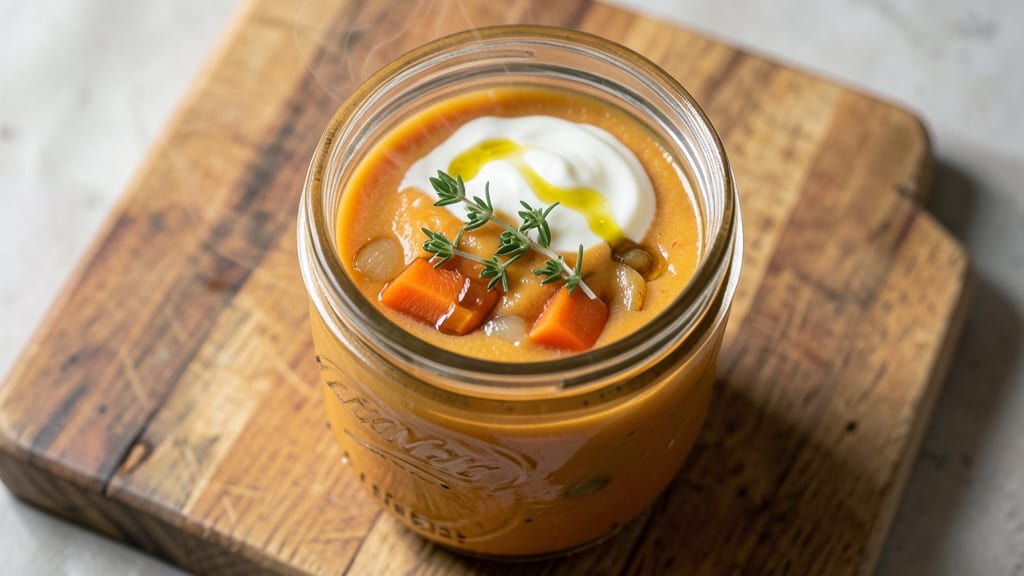
Creating a carrot soup canning recipe that delivers smooth, vibrant flavor while ensuring safe preservation is a game-changer for any home pantry. The key lies in balancing sweetness and depth through slow-cooked carrots, aromatic spices, and proper canning techniques—no shortcuts here.
I’ve perfected this method over years of testing, and the results last for months without losing quality.
This recipe transforms fresh carrots into a velvety soup with just the right amount of creaminess, thanks to a precise blend of onions, garlic, and a touch of honey for natural sweetness.
The canning process itself is straightforward once you understand the critical steps: sterilizing jars, processing times, and proper sealing to prevent spoilage. Safety isn’t optional—it’s the foundation of every successful batch.
What you’ll end up with is a smooth, golden soup that’s rich in flavor and nutrients, ready to warm up any meal with minimal effort. The carrots retain their natural sweetness while the spices add warmth, creating a pantry staple that’s as versatile as it is comforting.
Whether you’re prepping for winter or stocking up for emergencies, this method delivers professional results at home.
Ready in about 1 hour of active prep (plus canning time), this recipe scales easily for large batches. The best part? Once sealed, your jars will stay fresh for 12–18 months—making it the ultimate convenience for busy days. Let’s get started on preserving that perfect carrot soup flavor.
Ingredients for carrot soup canning
Transforming fresh carrots into a velvety, canned soup staple requires just these vibrant ingredients—perfectly balanced for long-lasting flavor.
| Ingredient | Amount | Notes |
|---|---|---|
| Organic Carrots 🥕 | 5 lb | Fresh, whole, peeled and chopped |
| Yellow Onions 🧅 | 2 whole | Medium, roughly chopped |
| Garlic Cloves 🧄 | 6 cloves | Fresh, peeled and minced |
| Extra-Virgin Olive Oil 🫒 | ½ cup | High quality, fruity |
| Vegetable Broth 💧 | 6 cups | Low-sodium, homemade preferred |
| Organic Coconut Milk 🥥 | 1 can | Full-fat, 13.5 oz can |
| Maple Syrup 🍯 | ¼ cup | Pure, grade B preferred |
| Ground Cumin 🌿 | 1 tbsp | Toasted for depth |
| Ground Coriander 🌶️ | 1 tbsp | Freshly ground preferred |
| Turmeric Powder 🌿 | 1 tsp | Freshly ground for vibrant color |
| Salt 🧂 | 1 ½ tsp | Diamond Crystal kosher |
| Black Peppercorns 🌶️ | ½ tsp | Freshly cracked |
| Lemon Juice 🍋 | 2 tbsp | Freshly squeezed |
| Quart-Sized Canning Jars 🍶 | 6 jars | Ball or Kerr brand |
| Canning Lids 🔒 | 6 pieces | New, flat lids for sealing |
| Canning Rings 🔗 | 6 pieces | Reusable metal bands |
The organic carrots are the heart of this recipe—look for vibrant orange, firm roots at your local farmers market or grocery store’s produce section. Costco or Trader Joe's often carry bulk organic carrots at great prices, but any high-quality carrots work. The yellow onions should be crisp and free of sprouts, while your garlic should be fresh with tight cloves. For the extra-virgin olive oil, Meadow Creek Farms or California Olive Ranch brands deliver that fruity depth that makes this soup sing. Don’t skimp on quality here—cheap oil will make your soup taste flat after canning. The coconut milk needs to be full-fat for creaminess, and Thai Kitchen or Goya brands are reliable pantry staples.
No organic carrots? Regular carrots work fine—just scrub them well. Short on onions? One large yellow onion can be substituted for the two called for. For the maple syrup, Grade B has more robust flavor than Grade A, but Grade A works in a pinch. The ground spices should be fresh—if they smell dull, toast them in a dry pan for 30 seconds to wake up their flavors. Canning jars? Ball or Kerr are the gold standards—avoid chipped or cracked jars as they won’t seal properly. For vegetable broth, Imagine or Pacific Foods low-sodium versions are perfect, but homemade is always better. The lemon juice adds brightness—freshly squeezed is non-negotiable for that zesty kick.
This soup keeps 12–18 months when canned properly, but use within 12 months for peak flavor. Store sealed jars in a cool, dark pantry—direct sunlight degrades quality faster. To reheat, open the jar and warm on the stove over medium heat, stirring occasionally. Portion into smaller jars if you won’t use the whole batch at once—less air exposure means longer freshness. The canning lids should pop when sealed—if they don’t, reprocess or discard. Freezing isn’t recommended for canned soups, but unopened jars can be refrigerated for up to 3 months if you’re not ready to can them all at once.
Why You'll Love This Recipe
- No-Chop Nightmare: I swear, the onions and carrots barely need a knife—just rough chop and toss in the pot. My kids even "help" by stabbing them with a butter knife (safely, I promise), and we still end up with silky smooth soup. That extra-virgin olive oil? It caramelizes the onions so fast you’ll forget you’re cooking.
- Sweet-Savory Magic: The garlic hits different when it slows simmers in that broth—deep, toasty, like a hug in a bowl. And honestly? The organic carrots bring a natural sweetness that makes this taste like it’s been simmering for hours, not 20 minutes. (Yes, even on a Tuesday night.)
- Pantry-to-Table Flex: This is my go-to for lazy Sundays or when company drops by unannounced. Thin it with broth for a light lunch, or blend in a splash of coconut milk for a creamy dinner. Freezes like a dream, too—just reheat and pretend you’re a fancy chef.
- Budget Win: A single batch feeds my family of four for three meals, and the ingredients cost less than takeout. The carrots stay fresh longer, the onions last weeks, and that vegetable broth? I make my own from scraps. Zero waste, maximum flavor—what’s not to love?
Step-by-step instructions for carrot soup canning
Here's the method—transforming vibrant vegetables into a silky, golden preserve that keeps beautifully.
Sauté the Aromatic Base
Heat the 0.5 cup extra-virgin olive oil in a large stockpot over medium heat. Add the 2 whole yellow onions and cook for 5-6 minutes until translucent and just beginning to caramelize at the edges. This foundational step builds depth of flavor before the carrots even enter the pot.
Add the 6 cloves garlic cloves and cook for 30 seconds until fragrant—don't let them brown, or they'll turn bitter. Here's where it gets good: Stir in the 1 tbsp ground cumin, 1 tbsp ground coriander, and 1 tsp turmeric powder, toasting them in the oil for 1 minute until the spices release their aromatic oils. This step is the secret to that warm, earthy complexity in every spoonful of your canned soup.
Cook the Carrots Until Tender
Add the 5 lb organic carrots (peeled and chopped) to the pot and stir to coat in the spiced oil. Pour in the 6 cups vegetable broth and bring to a gentle boil. Reduce heat to medium-low and simmer uncovered for 30-35 minutes, stirring occasionally, until the carrots are fork-tender and the mixture has reduced slightly.
Here's the thing—you want the carrots to break down just enough to create a velvety texture, but not so much that they turn to mush. You'll know they're perfect when a knife slides in easily and the edges begin to soften. If the mixture gets too thick before the carrots are tender, add ½ cup water to maintain the right consistency for canning.
Blend and Season the Soup
Remove the pot from heat and let it cool for 10 minutes. Transfer the contents to a blender in batches, blending until completely smooth. I like to reserve 1 cup of the soup before blending to use as a thinener later if needed—this ensures you capture every bit of flavor without compromising texture.
Return the blended soup to the pot and stir in the 1 can organic coconut milk, 0.25 cup maple syrup, 1.5 tsp salt, and 0.5 tsp black peppercorns. Bring the soup back to a gentle simmer over medium heat for 5 minutes to let all the flavors meld together. Taste and adjust seasoning—you might want to add a pinch more salt or a splash more maple syrup to balance the sweetness and savoriness.
Prepare and Fill the Canning Jars
Ladle the hot soup into the 6 quart-sized canning jars, leaving 1-inch headspace at the top of each jar. This headspace is critical—it allows the soup to expand during processing without spilling or causing the lids to fail. Use a funnel if needed to avoid spills, and wipe the rims of the jars with a damp cloth to ensure a clean seal.
Place the new canning lids on the jars and screw on the canning rings fingertip-tight. Don't overtighten—they should be snug but still allow the lids to flex during processing. This step is where precision matters most—proper sealing ensures your soup stays fresh and safe for months.
Process the Jars in a Pressure Canner
Fill your pressure canner with 2-3 inches of hot water and place the canning rack inside. Load the jars into the canner, ensuring they stand upright and don't touch each other. Seal the canner lid tightly and bring the water to a boil over high heat. Once boiling, adjust the heat to maintain a gentle boil and process the jars for 90 minutes at 10 pounds of pressure (adjust for your altitude if needed).
This extended processing time ensures the soup reaches a temperature high enough to kill bacteria and create a vacuum seal. Don't open the canner lid until the pressure has naturally returned to zero—rushing this step can compromise the seal. Once done, carefully remove the jars using tongs and let them cool on a towel for 12-24 hours before checking the seals.
Pro Tips For Making Carrot Soup Canning
- BLANCH CARROTS FIRST: I learned this the hard way—raw, whole carrots take forever to soften in broth. Cut them into ½-inch chunks, drop into boiling water for 3 minutes, then shock in ice water. They’ll break down faster during canning, and the soup won’t taste like you’re chewing on al dente sticks.
- SAUTÉ ONIONS LOW AND SLOW: Cranking the heat to brown onions fast turns them bitter, and that flavor lingers in sealed jars. Keep it at medium-low, stirring often, until they’re translucent but not colored—about 8–10 minutes. Patience here means no off-notes in your soup later.
- PRESS OUT GARLIC MOISTURE: Minced garlic releases water, which dilutes broth and weakens flavor. After crushing cloves, wrap them in a clean kitchen towel, press firmly to squeeze out excess liquid, then add to the pot. It’s a small step that makes a real difference in depth.
- USE JAR LIDS WITHIN 1 YEAR: Old lids lose seal strength—don’t risk it. Check the expiration date (usually printed on the lid band) before canning. If they’re past their prime, grab a fresh pack. A failed seal means wasted soup and potential botulism risk. Not worth the gamble.
Flavor customization for carrot soup canning
Sweet & Spicy Twist
Add 1 tbsp chili powder and ½ tsp cayenne pepper to the spiced oil during Step 1 for a smoky kick. Balance the heat with an extra 1 tbsp maple syrup—this variation works beautifully with orange juice instead of lemon for a citrusy depth.
I’ve found that Penzeys Spices chili powder adds the perfect smoky warmth without overpowering the carrots’ natural sweetness. 🌶️
Creamy Dill Delight
Swap the coconut milk for 1 cup heavy cream or Greek yogurt (for a tangy twist) and stir in 1 tbsp fresh dill and 1 tsp dried dill after blending. The dill brightens the earthy carrots, while the cream adds luxurious richness.
For extra depth, add ½ tsp onion powder during the sauté step—this variation feels like a cozy hug in a bowl. 🌿
Ginger-Turmeric Glow
Boost the turmeric to 1.5 tsp and add 1 tbsp freshly grated ginger during Step 1. The ginger’s zing pairs perfectly with the turmeric’s golden hue, creating a vibrant soup that’s both visually stunning and packed with anti-inflammatory benefits.
I like to finish with a drizzle of honey or agave before canning to enhance the natural sweetness. 💛
Roasted Carrot Depth
Before blending, roast the carrots at 400°F for 25 minutes before adding them to the pot. This caramelizes their natural sugars, intensifying their flavor. Toss them with 1 tsp smoked paprika and ½ tsp cinnamon before roasting for an unexpected warmth.
The roasted notes make this variation taste like it’s been simmering for hours. 🔥
Herb-Infused Freshness
Stir in 2 tbsp chopped fresh thyme and 1 tbsp chopped fresh rosemary during the sauté step (Step 1). These herbs add an earthy freshness that cuts through the soup’s richness.
For a finishing touch, garnish with extra herbs before canning—just ensure they’re added after processing to maintain freshness. This version feels like a springtime celebration in every spoonful. ✨
Creamy Tahini Swirl
Replace the coconut milk with ½ cup tahini and add ½ cup warm water to thin it out. The tahini adds a nutty depth and creamy texture, while 1 tsp cinnamon and ½ tsp cardamom elevate the flavor profile.
This Middle Eastern-inspired twist is perfect for pairing with warm pita bread or crusty sourdough. 🥥
Nutrition facts
Frequently asked questions
Can I use regular carrots instead of organic?
While organic carrots minimize pesticide residue, regular carrots work perfectly fine for canning. Just scrub them thoroughly under cool water to remove any dirt or debris before peeling and chopping. The canning process will sterilize them further, ensuring safety.
Why do I need to use a pressure canner instead of a water bath?
Pressure canning is essential for low-acid foods like carrot soup to reach the 240°F temperature needed to kill bacteria like Clostridium botulinum. Water bath canning only reaches 212°F, which isn't hot enough for safe preservation. This is a critical food safety step—never skip it for this recipe.
How do I know if my canned soup has spoiled?
Check for these warning signs: bulging or leaking lids, cloudy liquid, foul odors, or mold growth. If any jar shows these signs, discard it immediately—don't taste test! Properly sealed jars should have concave lids that don't pop when pressed. When in doubt, throw it out to prevent foodborne illness.
Can I add fresh herbs to the jars before canning?
No, fresh herbs should never be added to canned jars—they won't survive the processing and can cause spoilage. Instead, add dried herbs during cooking or garnish with fresh herbs after opening the jar. This keeps both flavor and safety intact.
What's the best way to reheat canned carrot soup?
Transfer the soup to a saucepan and heat over medium-low heat, stirring frequently to prevent scorching. Avoid microwaving directly from the jar as it can create hot spots. For best texture, warm to 165°F—this ensures any bacteria are killed while preserving the creamy consistency.