
Soups & Stews
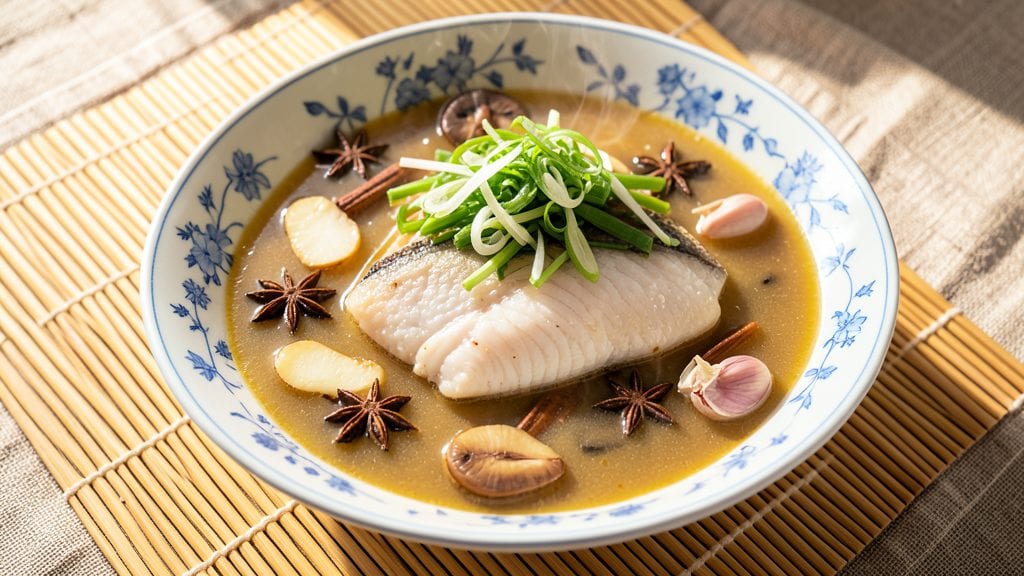
This Chinese fish soup recipe transforms humble ingredients into a fragrant elixir that carries the warmth of home-cooked tradition. The secret lies in balancing star anise, ginger, and cinnamon to create a broth so clear and aromatic it feels like liquid sunshine.
I first made this during a rainy afternoon when I needed comfort in a bowl—now it's my go-to when guests arrive, because nothing says "welcome" like a steaming pot of perfectly seasoned soup.
The foundation of this dish is a clear, fragrant broth built through careful layering of aromatics and slow simmering. We use whole fish fillets that break apart beautifully, releasing their natural oils into the broth while maintaining a delicate texture.
The star anise and cinnamon infuse the liquid with subtle warmth, while fresh ginger adds a bright, zesty contrast that cuts through the richness.
What you'll end up with is a bowl of golden, translucent soup where tender fish pieces float in a silky broth that's both comforting and sophisticated. The aroma alone will have everyone gathering around the table, while the first spoonful delivers a perfect harmony of savory, sweet, and herbal notes.
This is the kind of dish that elevates simple weeknight dinners into memorable meals.
The beauty of this recipe lies in its adaptability—use fresh or dried ingredients based on what you have, and adjust the fish quantity to serve a crowd or just two.
The broth keeps well for days, making it ideal for meal prep or feeding hungry families. Let's create this fragrant elixir that tastes like home.
Ingredients for chinese fish soup
Simple ingredients that build layers of aroma and warmth for this comforting Chinese fish soup.
| Ingredient | Amount | Notes |
|---|---|---|
| White Fish Fillets 🐟 | 1 ½ lb | Cod, haddock, or snapper preferred |
| Fresh Ginger Root 🧄 | 2 tbsp | Grated, skin removed |
| Star Anise Pods 🌿 | 4 whole | Whole, not ground |
| Cinnamon Sticks 🍃 | 2 whole | 1-inch pieces |
| Green Onions 🧅 | 3 whole | White and green parts separated |
| Garlic Cloves 🧄 | 4 cloves | Peeled, smashed |
| Light Soy Sauce 🥢 | ½ cup | Kikkoman preferred |
| Dried Shiitake Mushrooms 🍄 | 4 whole | Rehydrated, stems removed |
| Water 💧 | 4 cups | Filtered preferred |
| Fish Stock 🍲 | 2 cups | Homemade or high-quality |
| Cornstarch 🌾 | 1 tbsp | For thickening |
| Sesame Oil 🫒 | 1 tsp | Toasted, for finishing |
| Salt 🧂 | 1 tsp | Sea salt preferred |
| White Peppercorns 🌶️ | ½ tsp | Freshly cracked |
The fish is the star, so pick firm, white fillets—cod or haddock hold up best to slow simmering. I always grab mine from the seafood counter at Whole Foods or the frozen section at Trader Joe's if I'm in a hurry. For the ginger, fresh is non-negotiable—dried lacks the bright zing. Look for plump, firm roots with no soft spots. Star anise and cinnamon? Bulk bins at Asian markets have the freshest, most aromatic varieties. If you can't find them, Penzeys sells whole spices that last forever. The shiitake mushrooms should be dry and plump—soak them in warm water for 20 minutes to rehydrate.
No fresh ginger? Dried powdered works at half the amount, but you'll lose that bright snap. Star anise hard to find? Anise seeds in a pinch, though the flavor's slightly different. Using canned fish stock? Kettle One or Pacific brand have the cleanest taste. The soy sauce can be tamari for gluten-free, and if you're out of cornstarch, arrowroot powder does the same job. For the green onions, the white parts add depth to the broth while the greens finish the dish—don't skip either. The sesame oil is just for finishing—skip it if you're avoiding oil, but trust me, that nutty aroma ties everything together.
This soup tastes even better the next day as flavors meld. Store in an airtight container in the fridge for up to 4 days. The broth freezes beautifully for 3 months—just thaw and reheat gently. I always make a double batch because it disappears fast. For meal prep, portion into bowls with a scoop of broth and store separately. Reheat the broth first, then add the fish to keep it tender. The aroma alone will have everyone at the table before the pot even boils.
Why You'll Love This Recipe
- Minimal Ingredient List: I swear by this recipe because it only needs five things—no crowded pantry runs or last-minute shopping. White fish fillets stay fresh longer than I expected, and the star anise and cinnamon sticks? I buy them in bulk for tea, so they’re always lurking in my spice drawer.
- Star Anise Magic: Between us, that tiny pod transforms the broth into something ridiculously good. It’s not just ginger’s sharp kick or the green onions’ fresh bite—it’s the warm, licorice-like depth from the star anise that makes this soup feel like a hug in a bowl. (Yes, even on a Tuesday night.)
- Leftovers That Don’t Suffer: I make this on Sundays, and by Thursday, I’m still eating it. The broth thickens beautifully overnight, and reheating it just brings out more flavor—no sad, watery leftovers here. The fish stays tender, and the ginger’s zing cuts through any richness.
- Weeknight-Friendly Flex: This soup is my go-to when I’m too tired to think. Simmer the spices with water, toss in the fish at the last minute, and—boom—dinner’s ready. Add a splash of soy sauce if I’m feeling fancy, or serve it over rice for extra heartiness. Honestly, it’s the kind of dish that makes me feel like a home cook hero.
Step-by-step instructions for Chinese fish soup
Here's how to create a fragrant, aromatic soup where every ingredient plays its part.
Prepare the Aromatics and Rehydrate Mushrooms
Begin by rehydrating the 4 whole dried shiitake mushrooms in 4 cups of hot water for 20 minutes until softened. Drain, reserving the soaking liquid, and remove the stems. In a large pot, combine the reserved mushroom water, 2 cups fish stock, and the 2 tbsp grated fresh ginger root. Bring to a gentle simmer over medium heat.
Add the 4 whole star anise pods, 2 whole cinnamon sticks, and 4 smashed garlic cloves. Let the aromatics steep for 5 minutes until the liquid becomes fragrant and slightly cloudy. This step builds the soup's complex flavor foundation—don't skip it. The star anise and cinnamon will infuse the broth with warm, earthy notes that pair beautifully with the fish.
Season the Broth and Add Fish
Stir in the 0.5 cup light soy sauce, 1 tsp salt, and 0.5 tsp cracked white peppercorns to season the broth. Add the 1.5 lb white fish fillets (cod, haddock, or snapper work best) and gently poach for 4-5 minutes until the fish becomes opaque and flakes easily with a fork. The broth should remain clear, not cloudy from fish juices.
Here's the thing—fish cooks fast, so keep an eye on it. Remove the fish with a slotted spoon and set aside. If the broth tastes too salty, add 1 cup water to dilute slightly. The fish should be tender but still hold together when lifted—overcooking makes it dry and flaky.
Thicken the Broth and Finish with Fresh Herbs
Return the broth to a gentle simmer and stir in the 1 tbsp cornstarch mixed with 2 tablespoons water to thicken slightly. Simmer for 1-2 minutes until the broth reaches your desired consistency—it should coat the back of a spoon lightly. Add the rehydrated shiitake mushrooms back into the broth.
Finally, stir in the 1 tsp toasted sesame oil and the white and green parts of the 3 whole green onions, separated. The sesame oil adds a nutty depth, while the green onions provide freshness. Taste and adjust seasoning—you might need a touch more soy sauce or salt to balance the flavors.
Serve Immediately with Fish and Garnish
Return the fish to the pot and let it warm through for 1 minute. Ladle the soup into bowls, ensuring each serving gets a piece of fish. Garnish with the remaining green parts of the green onions for color and freshness. Serve immediately while the broth is steaming and the fish is still tender.
This soup is all about balance—warm spices, umami from the mushrooms and soy sauce, and the delicate sweetness of the fish. The broth should be fragrant with star anise and ginger, while the fish remains moist and flaky. If you have leftovers, store them in the fridge for up to 2 days, but reheat gently to preserve the fish's texture.
Pro Tips For Making Chinese Fish Soup
- PARBOIL GINGER FIRST: Toss your ginger slices into boiling water for 30 seconds before adding to the broth—this softens them instantly and keeps them from floating like stubborn corks. I learned this the hard way when my soup looked like it had been raided by a ginger shark.
- SALT THE WATER: Add 1 tablespoon of salt to the broth before the fish hits the pot—this seasons the water itself, not just the surface. My first few batches tasted bland until I realized the fish was soaking up unsalted broth like a sponge.
- DON’T OVERCOOK STAR ANISE: Remove those pods after 10 minutes—any longer and they’ll turn bitter. I used to leave them in "just to be sure," and the soup tasted like a spice cabinet exploded. Trust the timer.
- SEAR FISH IN BATCHES: Crowd the pan and you’ll steam the fish instead of sear it. Work in 2-3 batches over medium-high heat for 1-2 minutes per side—golden crust, no soggy centers. (Yes, even if you’re impatient like me.)
Serving suggestions for leftovers
Garnish Like a Pro
Finish your soup with fresh cilantro leaves instead of green onions for a vibrant, herbaceous touch—about 2 tbsp chopped per bowl. I like to add thinly sliced red chili (just ¼ tsp) for a subtle heat that wakes up the palate.
For extra elegance, sprinkle toasted sesame seeds (1 tsp) on top—they add crunch and a nutty aroma that complements the broth beautifully. 🌿
Bread Pairings
This soup pairs perfectly with steamed mantou buns—soft, pillowy, and slightly sweet. I keep a batch in my freezer for quick reheating. For a Western twist, crusty baguette slices toasted with garlic butter work wonderfully. The bread soaks up the fragrant broth while adding a satisfying texture contrast. 🥖
Side Dish Harmony
Serve with jasmine rice cooked in light fish stock for extra depth—just 1 cup rice to 2 cups stock with a pinch of salt. Alternatively, stir-fried bok choy with 1 tsp oyster sauce adds a fresh, slightly bitter contrast.
For a heartier meal, include steamed dumplings—the soup's delicate flavors complement their chewy texture perfectly. 🥢
Drink Pairings
A jasmine green tea with its floral notes enhances the soup's herbal aromatics without overpowering it. For something stronger, dry Chinese white wine like Shaoxing wine (just 1 tbsp) deglazed in the pot adds depth.
If you prefer beer, a light lager like Tsingtao keeps the meal refreshing and crisp. 🍶
Presentation Tips
Use wide, shallow bowls to showcase the soup's clarity and garnishes. I like to place a small fish piece prominently in each bowl so guests can see the quality of the fish.
For extra flair, add a drizzle of chili oil (just ½ tsp) before serving—it adds color and a gentle kick. The aroma alone will make your table look inviting. ✨
Family-Style Serving
For gatherings, serve the soup in a large tureen at the center of the table with individual bowls on the side. This encourages sharing and keeps the broth warm longer.
Keep a small pot of hot water nearby to reheat any leftover broth—just ladle a little into bowls and stir. The communal experience makes this dish even more special. 👨👩👧👦
Nutrition facts
Frequently asked questions
What kind of fish works best for this Chinese fish soup?
Firm, mild white fish like cod, haddock, or snapper hold up beautifully to slow simmering. Avoid oily fish like salmon—they can make the broth cloudy. For extra flavor, ask your fishmonger for sustainably sourced options from the North Atlantic.
Can I make this soup vegetarian?
Yes! Swap the fish for firm tofu (pressed and cubed) or shiitake mushrooms (extra for texture). Boost umami with 1 tbsp vegetarian fish sauce or mushroom powder. The broth will still be fragrant, though the texture will differ.
Why does my broth turn cloudy when cooking the fish?
Cloudiness usually means the fish released too many oils or proteins. To fix it, remove the fish immediately after 3-4 minutes and strain the broth through a fine-mesh sieve. For next time, use fresh fish stock and avoid overcrowding the pot.
How do I adjust the spice level?
Start with the base recipe, then add ½ tsp red chili flakes for heat or extra ginger for brightness. For a milder version, reduce the star anise to 2 pods and omit the cinnamon. Taste as you go—Chinese soups rely on balance!
Can I make this soup ahead of time?
Prepare the broth and aromatics up to 2 days ahead, then store in an airtight container. Reheat gently, add fresh fish when serving, and garnish with herbs. The flavors deepen overnight, making it even more aromatic.