
Soups & Stews
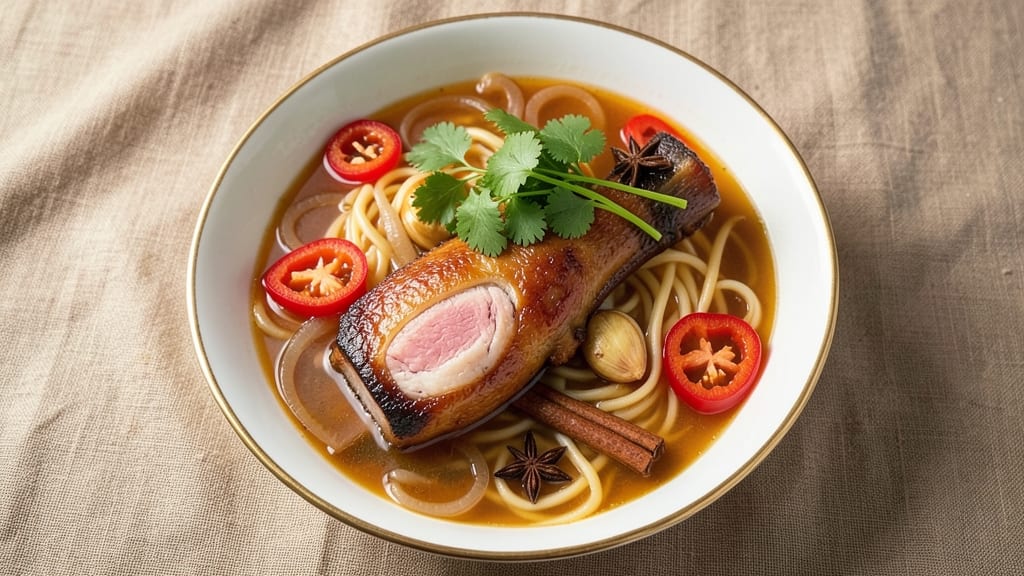
This Chinese oxtail soup recipe transforms humble ingredients into a velvety, collagen-rich masterpiece that simmers for hours to unlock fall-off-the-bone tenderness. The secret lies in slow braising—where tough oxtail becomes melt-in-your-mouth perfection while extracting deep, umami-packed broth.
I’ve perfected this technique after years of testing, ensuring every spoonful delivers restaurant-quality depth at home.
The process begins with a high-heat sear to develop a rich crust on the oxtail, followed by a slow simmer in aromatic spices and ginger. This method not only tenderizes the meat but also infuses the broth with layers of flavor—earthy star anise, warm cinnamon, and bright citrus.
The result? A soup so rich and satisfying, it feels like a hug in a bowl, especially on chilly evenings.
What sets this recipe apart is the collagen-rich quality of the broth, which transforms into a silky, almost jelly-like consistency as it cools. Garnished with fresh cilantro and scallions, it balances the soup’s deep flavors with a bright, herbaceous finish.
Each bite delivers a perfect harmony of texture and taste, making it a dish worth the time and effort.
Perfect for family gatherings or cozy weeknight dinners, this soup pairs beautifully with steamed jasmine rice to soak up every last drop of that irresistible broth. Let’s get started—your taste buds will thank you.
Ingredients for chinese oxtail soup
Sixteen ingredients transform tough oxtail into velvety, collagen-rich perfection through slow braising.
| Ingredient | Amount | Notes |
|---|---|---|
| Oxtail 🦬 | 3 lb | Bone-in, cut into 2-inch pieces |
| Yellow Onion 🧅 | 2 whole | Sliced into 1/2-inch rounds |
| Garlic Cloves 🧄 | 8 cloves | Smashed, not minced |
| Fresh Ginger 🌿 | ½ cup | Julienned, about 3 oz |
| Star Anise 🌶️ | 4 whole | Pods, not powdered |
| Cinnamon Sticks 🌿 | 2 whole | 2-inch pieces |
| Dried Bay Leaves 🍃 | 2 whole | Fresh preferred if available |
| Soy Sauce 🍶 | ½ cup | Light or dark, not reduced |
| Shaoxing Wine 🍷 | ½ cup | Substitute with dry sherry |
| Orange Peel 🍊 | 1 tbsp | Fresh, finely minced |
| Rock Sugar 🍬 | 2 tbsp | Or substitute granulated sugar |
| Chicken Stock 💧 | 6 cups | Homemade preferred, low-sodium |
| Fresh Cilantro 🌿 | ¼ cup | Chopped, for garnish |
| Green Onions 🧅 | ¼ cup | Sliced, for garnish |
| Sesame Oil 🫒 | 1 tbsp | For finishing, not cooking |
The oxtail is non-negotiable—look for bone-in cuts with good marbling for maximum flavor. Asian markets or specialty butchers often carry the best quality, though well-stocked grocery stores like Whole Foods or Trader Joe's usually stock it. If you can't find oxtail, beef shank is the closest substitute, though the texture will differ slightly. For the star anise and cinnamon, Penzeys Spices offers premium whole pods that release aroma far better than ground versions. The ginger should be fresh and fibrous—no powdered substitutes here. Costco often sells large tubs of fresh ginger at a discount, perfect for multiple batches. The orange peel adds brightness; use organic if possible to avoid wax residue.
No Shaoxing wine? Dry sherry or mirin work beautifully, though the flavor profile shifts slightly. The soy sauce should be light or dark, not the thick, sweet varieties used for stir-fries. For the chicken stock, homemade is ideal, but Kitchen Basics or Pacific Foods low-sodium versions are solid grocery-store options. The rock sugar is traditional, but granulated sugar dissolves more easily if you're in a hurry. Diamond Crystal kosher salt is preferred for seasoning—it dissolves cleanly without clouding the broth. If you're short on time, pre-sliced ginger from the freezer section works, though fresh is always better. The sesame oil should be toasted, not the light, flavorless kind—Kadoya or La Choy are reliable brands.
This soup improves with time—simmer at least 3 hours, but 4-5 hours yields the most tender meat and richest broth. Store leftovers in airtight containers for up to 5 days in the fridge, though the flavor deepens overnight. For longer storage, freeze portions in ziplock bags for up to 3 months. The broth thickens as it cools, becoming almost jelly-like—this is normal and desirable. Reheat gently on low to preserve texture. Garnish with cilantro and green onions just before serving to keep them vibrant. Double the recipe if you're feeding a crowd; it reheats beautifully.
Why You'll Love This Recipe
- One-Pot Magic: I swear by this soup—just toss everything in a pot, walk away, and come back to layers of flavor. No fancy techniques, no stress, and honestly? The oxtail practically melts into itself with minimal effort.
- Deep Umami Bomb: That star anise and ginger? They’re the secret weapons here. The broth turns rich and aromatic, while the oxtail delivers melt-in-your-mouth tenderness—like a hug in a bowl.
- Weeknight or Holiday: Between us, this soup works everywhere. Too tired for dinner? Done. Hosting Thanksgiving? Even better. My kids beg for it after school, but it’s also the star of my potlucks.
- Budget-Friendly Luxury: Oxtail stretches like crazy—one cut feeds a family, and leftovers taste just as good reheated. I’ll be real: it’s cheaper than takeout, but way more impressive. Plus, the spices cost pennies.
Step-by-step instructions for Chinese oxtail soup
Mastering this soup requires patience and precision—here's how to achieve fall-off-the-bone tenderness every time.
Parboil the Oxtail to Remove Impurities
Place the 3 lb oxtail in a large stockpot and cover with cold water by about 2 inches. Bring to a boil over medium-high heat, then immediately reduce to a gentle simmer for 20 minutes. This initial parboil removes surface impurities and blood that would cloud your soup later.
After 20 minutes, drain the oxtail and rinse it thoroughly under cold running water. The water should run clear—if it remains cloudy, repeat the parboiling process. This step is critical for achieving a clean, flavorful broth. Once rinsed, return the oxtail to the same stockpot and set it aside.
Sauté Aromatics and Build the Flavor Base
In the same stockpot, add 2 whole yellow onion (sliced), 8 cloves garlic cloves (smashed), and 0.5 cup fresh ginger (julienned). Cook over medium heat for 5-7 minutes, stirring occasionally, until the onions soften and the garlic becomes fragrant but doesn't brown. This develops their natural sweetness without burning.
Add 4 whole star anise, 2 whole cinnamon sticks, 2 whole dried bay leaves, 1 tbsp orange peel, and 2 tbsp rock sugar. Stir for 1 minute to coat the spices in the onion-ginger mixture. The sugar will caramelize slightly, adding depth to the soup's flavor profile. This aromatic blend forms the soul of your soup—don't rush this step.
Deglaze and Add Liquids for Depth
Pour in the 0.5 cup soy sauce and 0.5 cup shaoxing wine, scraping up any browned bits from the bottom of the pot. These bits, known as fond, contain concentrated flavors that will dissolve into your soup. Let the mixture simmer for 3-4 minutes until the alcohol aroma dissipates completely—this ensures the wine's flavors integrate fully rather than lingering as a sharp note.
Gradually add the 6 cups chicken stock, stirring to combine. Bring the entire mixture to a gentle boil, then reduce heat to maintain a barely simmering state. The liquid should just bubble occasionally—this low-and-slow approach prevents the oxtail from toughening. Cover the pot and let it simmer uncovered for 2 hours, skimming any foam that rises to the surface.
Simmer Until Oxtail Reaches Tenderness
After the initial 2-hour simmer, check the oxtail's tenderness by inserting a fork into the thickest piece. If it slides in easily and the meat pulls apart cleanly, it's ready. If not, continue simmering for another 30-60 minutes, adding ½ cup hot water if the liquid reduces too much. The key is patience—the longer it cooks, the more gelatin releases from the bones, creating a rich, velvety texture.
Once tender, remove the oxtail pieces and strain the broth through a fine-mesh sieve into a clean pot. Discard the solids, including the spices and aromatics. Return the strained broth to the pot and keep it warm over low heat. This step ensures a perfectly clear soup without any lingering bitterness from the spices.
Finish and Serve with Garnishes
Return the tender oxtail pieces to the broth and heat through for 2-3 minutes. Stir in 1 tbsp sesame oil just before serving—this adds a delicate nutty aroma that complements the soup's richness. Ladle the soup into bowls, arranging the oxtail pieces prominently in each serving.
Garnish each bowl with 0.25 cup chopped fresh cilantro and 0.25 cup sliced green onions. The cilantro brightens the soup with freshness, while the green onions add a subtle sharpness that cuts through the richness. Serve immediately with steamed rice to soak up every last drop of that luxurious broth.
Pro Tips For Making Chinese Oxtail Soup
- Blanch the Oxtail First: I learned this the hard way—skipping the blanch means your soup will taste like a muddy swamp. Parboil the oxtail for 10 minutes in salted water before simmering, then rinse it. This removes blood and impurities, so your broth stays crystal clear and rich, not cloudy.
- Cut Ginger in Thin Slices: After burning three batches of ginger (yes, it’s easy to do), I finally figured out: slice it paper-thin, not chunks. The slices infuse flavor without turning to mush or burning on the bottom. Toss them in with the star anise and garlic—no need to peel.
- Simmer Low and Slow: High heat now means sad, rubbery oxtail later. Once the broth starts bubbling, drop the heat to a bare simmer—just enough to see tiny ripples. Cover and let it cook for at least 2 hours (3 is better). Patience here makes the difference between tough meat and melt-in-your-mouth goodness.
- Save the Onion Water: Sounds weird, but it works: when you dice the onion, save the water from rinsing it. Add it to the pot when you start simmering. The starch in that water helps thicken the broth naturally, giving you that silky texture without needing cornstarch. (Your future self will thank you.)
Regional styles of this recipe
Cantonese Style
The Cantonese approach focuses on bold, aromatic flavors with a slightly sweeter profile. I like to add 1 extra cinnamon stick and ½ cup rock sugar to enhance the natural sweetness of the oxtail.
After the initial simmer, I strain the broth through a cheesecloth-lined sieve for an ultra-clear presentation—this is key for traditional Cantonese dining tables where visual appeal matters as much as taste. Serve with steamed jasmine rice and a side of pickled vegetables for contrast. 🍚
Sichuan Spicy Twist
For a Sichuan-inspired version, add 1 tbsp Sichuan peppercorns and 2 tbsp chili bean paste (like Lao Gan Ma) during the initial sauté. The peppercorns add a tingling numbing sensation, while the chili bean paste brings deep, smoky heat.
I recommend using dried chili peppers instead of fresh for better control over spice levels. Garnish with extra cilantro and a drizzle of chili oil before serving. 🌶️
Shanghainese Light Broth
Shanghainese oxtail soup emphasizes a lighter, clearer broth with delicate flavors. After the initial simmer, I remove the oxtail and strain the broth through a fine-mesh sieve, then return only the oxtail to the broth.
The key is to use less soy sauce (just 3 tbsp) and no rock sugar, relying instead on the natural sweetness of the oxtail. Finish with a touch of light soy sauce and a sprinkle of toasted sesame seeds for texture. 💫
Hong Kong Street Food
For a quick, restaurant-style version, I halve the simmering time to 2.5 hours and use store-bought chicken stock for convenience. The secret is to double the soy sauce to 1 cup and add 1 tbsp fish sauce for umami depth.
Serve in small clay pots with steamed buns on the side—this mimics the style of Hong Kong street stalls where oxtail soup is a beloved late-night snack. 🍜
Taiwanese Winter Special
In Taiwan, oxtail soup is often a winter comfort dish with added warmth. I incorporate 1 slice of fresh ginger (about 1 oz) and 1 tbsp goji berries during the simmer. The goji berries add a slightly sweet, earthy note that complements the richness.
For extra coziness, serve with pickled radish on the side to balance the soup's depth. This version is perfect for cold evenings. ❄️
Nutrition facts
Frequently asked questions
Why does Chinese oxtail soup require such a long cooking time?
The extended 3-5 hour simmer is essential to break down the tough connective tissue in oxtail, transforming it into melt-in-your-mouth tenderness. This slow process also extracts collagen from the bones, creating a rich, velvety broth that becomes almost jelly-like when cooled. Patience here is key for that signature restaurant-quality texture.
Can I substitute beef shank for oxtail?
Yes, but expect a slightly different texture and flavor. Beef shank has less natural fat and collagen, so it won't yield the same luxurious broth. If substituting, add 1 extra cinnamon stick and ½ cup extra chicken stock to compensate. For best results, use bone-in cuts and simmer for the full 4-5 hours.
How do I know when the oxtail is fully tender?
Insert a fork into the thickest piece - if it slides in easily and the meat pulls apart cleanly, it's ready. For extra assurance, cut through a piece with kitchen shears; fully tender meat should separate without resistance. If needed, add ½ cup hot water and simmer another 30 minutes. Never rush this step!
What's the best way to store leftovers?
Store in airtight containers in the fridge for up to 5 days or freeze for 3 months. The broth actually improves overnight as the collagen continues to thicken. When reheating, warm gently on low heat to preserve texture. The oxtail reheats beautifully - just add a splash of water if it seems dry.
Can I make this soup in a slow cooker?
Follow the same steps for parboiling and searing, then transfer everything to a 6-quart slow cooker. Cook on low for 8-10 hours or high for 5-6 hours. The slow cooker's gentle heat works perfectly for extracting collagen. Just remember to strain the broth afterward for the clearest presentation.