
Soups & Stews
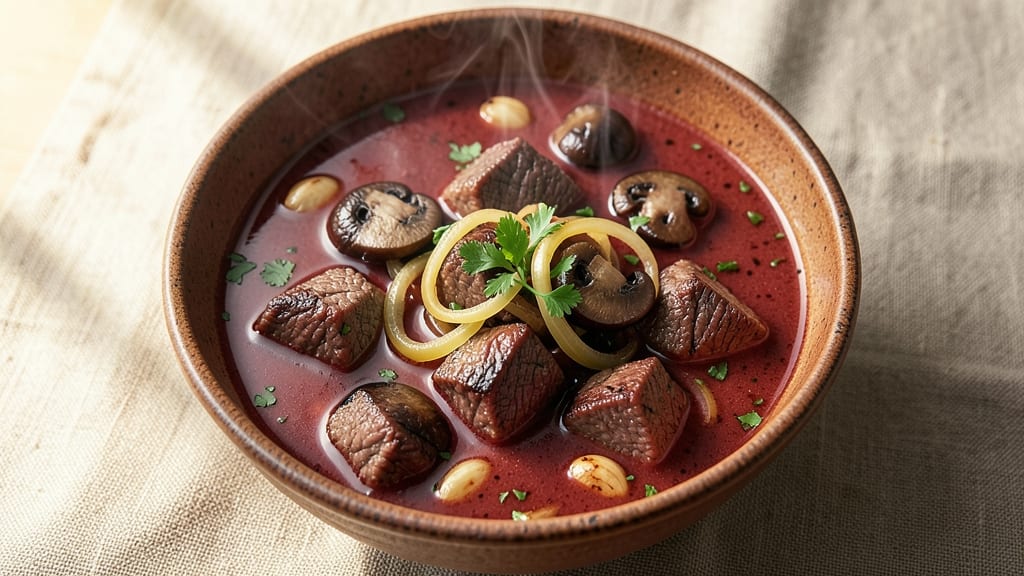
This copycat Black Angus Steak Soup delivers the same deep, beefy richness you’d expect from a high-end steakhouse—perfectly tender steak, aromatic broth, and layers of savory depth in every spoonful. The secret lies in slow-simmered beef stock, properly seared steak, and a technique that transforms tough cuts into melt-in-your-mouth pieces.
I’ve replicated the signature method used in restaurants, where the steak is first browned deeply before being submerged in a rich, herb-infused broth.
The recipe starts with a foolproof searing process to build flavor, followed by a slow simmer that tenderizes the steak while infusing the broth with umami. Mushrooms and onions add earthy depth, while a touch of Worcestershire sauce and black pepper elevate the complexity.
This isn’t just a soup—it’s a restaurant-quality dish that transforms a simple pot into a centerpiece meal.
By the time you’re done, you’ll have a steaming bowl of velvety soup with perfectly cooked steak that holds its shape yet melts easily. The aroma alone will have everyone gathered around the table, and the first bite delivers that same satisfaction as the original.
It’s the kind of dish that makes copycat recipes worth the effort—bold, hearty, and impossible to resist.
Best served with crusty bread to soak up every last drop of that rich, flavorful broth. Whether you’re feeding a crowd or treating yourself to a cozy night in, this recipe delivers authentic results without the restaurant price tag. Let’s get started on recreating this steakhouse classic at home.
Ingredients for copycat black angus steak soup
Sixteen ingredients, one restaurant-quality pot. The beefy heart of this copycat soup starts with Black Angus chuck.
| Ingredient | Amount | Notes |
|---|---|---|
| Black Angus Beef Chuck Roast 🥩 | 2 ½ lb | Cut into 1-inch cubes, trimmed of fat |
| Yellow Onion 🧅 | 2 whole | Medium, thinly sliced |
| Garlic Cloves 🧄 | 6 cloves | Peeled, smashed for aroma |
| Cremini Mushrooms 🍄 | 16 oz | Whole, cleaned, halved |
| Beef Stock 🥫 | 6 cups | High-quality, homemade or store-bought |
| Dry Red Wine 🍷 | 1 cup | Bold Cabernet Sauvignon |
| Tomato Paste 🍅 | 2 tbsp | Smooth, no sugar added |
| Worcestershire Sauce 🍶 | 1 tbsp | Lea & Perrins preferred |
| Fresh Thyme 🌿 | 2 tbsp | Leaves only, finely chopped |
| Fresh Bay Leaves 🍃 | 2 whole | For deep aroma |
| Black Peppercorns 🌶️ | 1 tbsp | Freshly cracked |
| Diamond Crystal Kosher Salt 🧂 | 1 ½ tsp | Adjust to taste |
| Unsalted Butter 🧈 | 2 tbsp | For finishing |
| All-Purpose Flour 🌾 | 2 tbsp | For thickening |
| Fresh Parsley 🌿 | ¼ cup | Chopped, for garnish |
The beef is non-negotiable—Black Angus chuck roast delivers that deep, beefy flavor you crave (sirloin won’t cut it). Grab it from Costco or your butcher—look for good marbling. If you’re short on time, pre-cubed chuck from the meat counter works fine. The mushrooms should be firm and clean—no slimy stems. For the wine, Cabernet Sauvignon is the classic choice, but any bold, dry red will do. The beef stock? Homemade is ideal, but Swanson or Kettle & Fire are solid shortcuts. Fresh thyme and bay leaves elevate the broth—don’t skip them.
No red wine? Beef broth with a splash of balsamic vinegar works in a pinch. The tomato paste can be swapped for 1 cup crushed tomatoes if you’re avoiding it. Fresh thyme out of season? Dried thyme at one-third the amount gets you close. The Worcestershire sauce is key—Lea & Perrins is the gold standard, but any good brand will do. For the mushrooms, shiitake or oyster mushrooms add extra umami if you’re feeling fancy. The butter and flour at the end are for that silky finish—don’t skip the butter, trust me.
This soup tastes even better the next day—make extra. Keeps for 5 days in the fridge, freezes for 3 months. For serving, I like to portion it into bowls with a dollop of butter on top and a sprinkle of fresh parsley. The broth reduces slightly overnight, so it’s even more concentrated. If you’re making this ahead, add the butter and flour just before serving—they’ll thicken the soup as it reheats.
Why You'll Love This Recipe
- No-Fuss Simmer: I swear by this as my "I have 20 minutes and nothing planned" go-to. Sear the beef chuck in one pot, toss in chopped onions and garlic—no fancy prep—and let the stock do the work. The mushrooms melt into the broth like they’ve been simmering for hours, but honestly? It’s ready in under 30.
- Umami Bomb: That first bite of tender beef falling apart in rich, savory broth? The Black Angus chuck delivers deep, beefy flavor without needing fancy seasonings. The caramelized onions and earthy mushrooms add layers—like a hug in soup form.
- Leftovers That Beg: Between us, this soup only gets better the next day. The flavors meld into something deeper, and reheating it warms up a cold kitchen faster than takeout. I freeze portions too—perfect for lazy nights when I’d rather not cook.
- Budget Steakhouse Feel: You’re basically making a steakhouse-worthy dish for a fraction of the cost. The chuck roast is cheaper than steaks but just as satisfying, and the stock stretches it into three meals. My wallet and my family thank me every time.
Step-by-step instructions for Black Angus steak soup
Here's the method that delivers that signature restaurant-style depth and richness in every spoonful.
Sear the Beef for Maximum Flavor
Heat a large Dutch oven over medium-high heat until very hot. Add the 2.5 lb Black Angus Beef Chuck Roast cut into 1-inch cubes, working in batches if needed, and sear for 3-4 minutes per side until deeply browned. This step creates the Maillard reaction that forms the rich, caramelized foundation of your soup.
Don't crowd the pan—give each piece space to develop that perfect crust. I press down gently on the cubes during the first minute to prevent them from curling and ensure even contact with the pan. As they brown, remove them and set aside temporarily. You'll be adding them back later once all the aromatics are cooked.
Build the Aromatic Base
In the same Dutch oven, add 2 tablespoons of unsalted butter and let it melt completely. Add the 2 whole Yellow Onion thinly sliced and cook for 5-6 minutes until softened and beginning to caramelize. Here's where it gets good—add the 6 cloves Garlic Cloves that have been peeled and smashed, and cook for another 30 seconds until fragrant.
Stir in the 16 oz Cremini Mushrooms halved, cooking for 5-6 minutes until they release their moisture and begin to brown. The mushrooms should be tender but still hold their shape. This step develops the umami depth that makes this soup truly special. Don't rush this—you want those mushrooms to really break down and develop flavor.
Deglaze and Develop the Sauce
Pour in the 1 cup Dry Red Wine and scrape up all those delicious browned bits from the bottom of the pot with a wooden spoon. This deglazing step captures all that concentrated flavor that would otherwise be lost. Let the wine simmer for 3-4 minutes until it reduces by about half and the alcohol burns off completely.
Add the 2 tablespoons Tomato Paste and stir to combine, cooking for another 2 minutes until it darkens slightly. This is where the soup starts to take on its characteristic rich, velvety texture. Now add the 1 tablespoon Worcestershire Sauce and stir well. The Worcestershire adds that signature umami punch that makes this soup so addictive.
Simmer and Infuse the Flavors
Return all the seared beef to the pot. Add the 6 cups Beef Stock, 2 whole Fresh Bay Leaves, 1 tablespoon Black Peppercorns, and 1.5 teaspoons Diamond Crystal Kosher Salt. Bring everything to a gentle boil, then reduce heat to low, cover partially, and let it simmer for 1 hour and 15 minutes. This long simmering time is crucial—it allows all the flavors to meld together and the beef to become fork-tender.
About halfway through cooking, add the 2 tablespoons Fresh Thyme leaves. Stir in the 2 tablespoons All-Purpose Flour to help thicken the soup slightly. The soup should be rich but still have a pleasant mouthfeel. If it gets too thick, you can add a splash of water or beef stock to adjust the consistency. This is the moment that matters: patience pays off with incredibly tender beef and deeply flavorful broth.
Finish and Serve with Confidence
Remove the 2 whole Fresh Bay Leaves and discard them. Stir in the 2 tablespoons Unsalted Butter and let it melt completely into the soup. Taste and adjust seasoning if needed—this is where you can really make it your own. The soup should be rich, hearty, and full of beefy flavor with just the right balance of acidity from the wine and umami from the mushrooms.
Ladle the soup into bowls and garnish each serving with 0.25 cup Fresh Parsley chopped. Serve immediately with crusty bread to soak up every last drop of that delicious broth. The beef should be fork-tender, falling apart easily, and the broth should be rich enough to coat the back of a spoon. This is the kind of soup that tastes even better the next day as the flavors continue to develop.
Pro Tips For Making Copycat Black Angus Steak Soup
- SEAR THE ROAST FIRST: The chuck roast won’t brown properly if you toss it straight into the pot. Pat it dry, then sear it in a hot skillet with oil until it hits a deep crust—about 3-4 minutes per side. This locks in flavor and makes the soup richer when it simmers.
- SWEAT ONIONS LOW AND SLOW: I used to rush the onions and end up with bitter, browned bits. Instead, cook them on medium-low for 8-10 minutes until soft and translucent—no color yet. This builds a sweet base that won’t overpower the beef.
- DON’T SKIP THE MUSHROOM HEAD START: Slice the cremini mushrooms thin and sauté them in the same pan after the onions, for 5 minutes before adding stock. This concentrates their umami and prevents them from turning to mush later in the simmer.
- USE A DARK BROWN STOCK: Light or pale stock will make your soup taste watery. For depth, use a homemade or high-quality store-bought stock that’s deep amber in color—it’s the difference between "meh" and "wow." No shortcut here.
Troubleshooting great copycat black angus steak soup
Searing Failures
If your beef isn’t browning properly, your Dutch oven isn’t hot enough. Test with a drop of water—if it sizzles immediately, you’re ready. I’ve found that preheating for 10 minutes on medium-high ensures proper searing. Overcrowding the pan also prevents even browning, so work in 2 batches if needed.
If your beef tastes bland after searing, you likely didn’t let it develop a deep crust—aim for 3-4 minutes per side with no rushing. 🔥
Broth Too Thin
If your soup ends up watery, you likely didn’t reduce the wine or simmer long enough. Let the wine reduce by half before adding stock, and simmer uncovered for the final 15 minutes to thicken naturally.
For extra richness, I sometimes add 1 tablespoon cornstarch mixed with 2 tablespoons cold water at the end and simmer for 2 minutes—this adds body without overpowering the flavor.
Mushrooms Too Slimy
Overcooking mushrooms turns them mushy and unappetizing. Cook them for only 5-6 minutes until they just begin to brown at the edges. If you’re using shiitake mushrooms, trim the tough stems first—they never soften properly.
For extra umami, I like to add 1 teaspoon soy sauce when stirring in the Worcestershire sauce. This prevents the mushrooms from absorbing too much liquid and becoming waterlogged. 🍄
Steak Overcooked
If your beef turns out tough, you likely simmered it too long. The ideal time is 1 hour and 15 minutes—any longer and the meat will turn to mush. To check doneness, use a meat thermometer: the internal temperature should reach 195-200°F for fork-tender results.
If your beef is still firm after simmering, try adding ½ cup hot water and simmering uncovered for another 10 minutes—this helps break down the collagen without overcooking.
Wine Taste Overpowering
A strong wine flavor can dominate if you don’t reduce it properly. Always let the wine simmer until it’s reduced by half before adding stock. If you’re using a particularly bold wine like Cabernet Sauvignon, consider reducing it by two-thirds to balance the intensity.
For a more subtle flavor, I sometimes swap the wine for an extra ½ cup beef stock and add 1 teaspoon balsamic vinegar instead—it adds depth without overpowering the beef. 🍷
Salt Imbalance
If your soup tastes flat or bland, you likely didn’t season properly. Add the 1.5 teaspoons kosher salt gradually—taste as you go. The beef stock may already be salty, so start with 1 teaspoon and adjust.
For extra depth, I add a pinch of smoked paprika when stirring in the Worcestershire sauce. This enhances the overall flavor without adding salt. Remember, you can always add more salt, but you can’t take it out! 🧂
Nutrition facts
Frequently asked questions
Can I use a different cut of beef?
While Black Angus chuck roast is ideal for its rich flavor and tenderness, you can substitute with beef short ribs or brisket for extra depth. Avoid lean cuts like sirloin—they won’t become tender enough. If using short ribs, trim excess fat and simmer for 2 hours instead of 1 hour 15 minutes to break down the collagen.
How do I make this soup vegetarian?
Replace the beef with portobello mushrooms or extra-firm tofu (pressed and cubed). Use vegetable stock instead of beef stock, and add 1 tablespoon soy sauce for umami. Skip the Worcestershire sauce—substitute with 1 teaspoon liquid smoke for depth. The mushrooms should still sear for 5 minutes to develop flavor.
Can I make this in a slow cooker?
Yes! Sear the beef in a skillet first, then transfer everything to the slow cooker. Cook on low for 6-7 hours or high for 3-4 hours. Add the flour and butter at the end, stirring until thickened. The slow cooker method is perfect for hands-off prep, but the flavor develops more gradually—taste and adjust seasoning before serving.
Why does the recipe call for red wine?
The wine adds acidity and complexity that balances the richness of the beef. If you prefer not to use alcohol, reduce the wine by half (to ½ cup) and add 1 teaspoon balsamic vinegar for depth. The wine also helps tenderize the beef during the long simmer. For a non-alcoholic version, use ½ cup beef stock + 1 teaspoon apple cider vinegar instead.
How do I store leftovers?
Let the soup cool completely, then store in an airtight container in the fridge for up to 5 days. For freezing, portion into meal-sized containers and freeze for up to 3 months. Thaw overnight in the fridge—never microwave directly from frozen. Reheat gently on the stove with a splash of water or broth to restore texture. The flavor actually improves after the first night!