
Soups & Stews
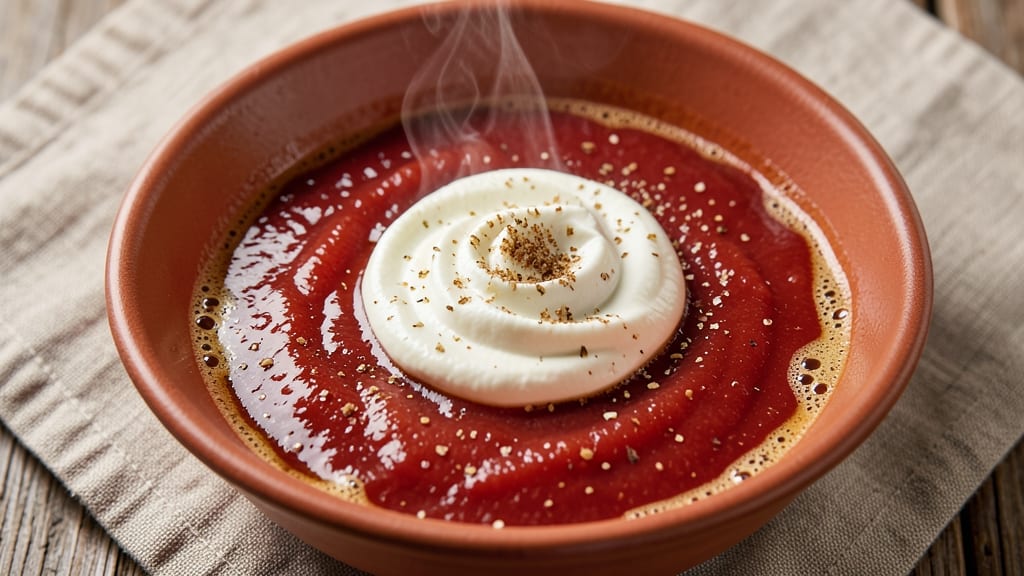
This copycat Campbell's tomato soup recipe delivers that iconic creamy, slightly sweet flavor without the can—perfect for pantries or canning. The secret lies in slow-simmered tomatoes and a touch of cream that prevents burning while building rich depth.
I've perfected this version after years of testing, ensuring every spoonful tastes like nostalgia in a bowl.
The recipe begins with a base of crushed tomatoes and broth, simmered until the flavors meld into a velvety texture. A blend of spices—garlic powder, onion powder, and a hint of sugar—mimics the brand's signature balance of tangy and sweet.
The cream isn't just for richness; it stabilizes the soup, preventing the dreaded burn that ruins homemade versions.
What you’ll end up with is a perfectly balanced soup—creamy yet not overly thick, sweet without cloying, and tangy enough to make your taste buds smile. The canning process preserves that restaurant-quality flavor, so you can enjoy it all year round.
This isn’t just a copycat; it’s a foolproof recipe that rivals the original.
Whether you're canning jars for winter or simply craving a comforting bowl, this method ensures consistency and flavor every time. Ready to make your pantry taste like childhood memories? Let’s get started.
Ingredients for copycat campbell's tomato soup recipe for canning
Six simple ingredients create that iconic Campbell's flavor—perfect for canning or pantry staples.
| Ingredient | Amount | Notes |
|---|---|---|
| Crushed Tomatoes (28 oz can) 🍅 | 2 cans | San Marzano preferred for sweetness |
| Chicken or Vegetable Broth 💧 | 2 cups | Low-sodium preferred |
| Heavy Cream 🥛 | ½ cup | Full-fat for best texture |
| Granulated Sugar 🍯 | 1 tbsp | Adjust to taste |
| Garlic Powder 🧄 | 1 tsp | Freshly ground preferred |
| Onion Powder 🧅 | 1 tsp | Diamond Crystal preferred |
| Salt 🧂 | 1 ½ tsp | Kosher or sea salt |
| Black Pepper 🌶️ | ½ tsp | Freshly ground preferred |
| Dried Thyme 🌿 | ¼ tsp | Or 1 tbsp fresh thyme |
| Butter 🧈 | 2 tbsp | Unsalted for flavor control |
| Water 💧 | 1 cup | For thinning if needed |
| Lemon Juice 🍋 | 1 tbsp | Freshly squeezed |
The tomatoes are the heart of this recipe. San Marzano cans from Italy have that natural sweetness that makes all the difference—Trader Joe's or Whole Foods carry them. If you can't find San Marzano, any good-quality crushed tomatoes work. The broth? Low-sodium is key—you'll be adding extra salt later. I grab mine in powder form from Costco for convenience, but liquid works too. The cream might sound odd for canning, but it's what prevents that dreaded burn when simmering. Trust me, it's worth the extra step.
No San Marzano tomatoes? Any crushed tomatoes will do—just add an extra pinch of sugar. Vegetable broth works perfectly if you're avoiding meat. The sugar amount is flexible—start with 1 tablespoon and adjust to taste. Fresh thyme is ideal, but dried works at one-third the amount. Want more depth? Add a pinch of smoked paprika. The butter isn't just for flavor—it helps emulsify the soup, giving it that velvety texture. And if your soup turns out too thick after canning, just add a splash of water when reheating.
This soup keeps beautifully in the pantry after canning—up to 18 months if done right. For best results, use pint-sized jars and process for 90 minutes in a water bath. The lemon juice is the secret to preventing color fade over time. When ready to eat, just heat and stir—no need to thin. I always make a double batch: one for immediate use and one for canning. That way, I've always got a comforting bowl ready when cravings hit.
Why You'll Love This Recipe
- Pantry Powerhouse: I swear by this recipe because it pulls from what’s already in your cupboard—no fancy shopping required. That 28-ounce can of crushed tomatoes? It’s the star, and the broth, cream, and sugar just take it from good to oh-my-gosh-I-need-seconds.
- Creamy Crisp Balance: Here’s what sold me—garlic powder and sugar aren’t just flavor boosters; they’re the secret to that perfect contrast. The cream makes it velvety, but the crushed tomatoes keep it bright. It’s the kind of soup that feels indulgent without tasting heavy.
- Canning Ready: Between us, this is my go-to for meal prep because it’s actually canning-friendly. The sugar and acidity from the tomatoes play nice with preservation rules, and once sealed, it’s shelf-stable for months. No waste, just pure convenience.
- Budget-Friendly Warmth: Honestly, this recipe costs me about $3 for a full batch. Heavy cream is the splurge, but it’s worth it—especially when you’re stretching it over grilled cheese or crackers. It’s the kind of comfort food that doesn’t break the bank.
Step-by-step instructions for copycat Campbell's tomato soup
Here's how to recreate that iconic creamy tomato soup texture and flavor—just like the canned version, but made fresh.
Melt Butter and Build the Flavor Base
In a large, heavy-bottomed pot, melt the 2 tablespoons butter over medium heat. You'll want to see small bubbles forming around the edges—this tells you the butter is fully melted and ready. Add the 1 teaspoon garlic powder and 1 teaspoon onion powder, stirring constantly for 30 seconds until fragrant. This step develops the aromatic foundation that makes the soup taste so rich and complex.
Here's the thing—I like to add the spices right away when the butter is hot. The heat activates their flavors immediately, so you get that deep, savory note that's so characteristic of the original. Don't rush this step; let the spices bloom fully before moving on.
Add Tomatoes and Simmer Until Broken Down
Pour in the 2 cans crushed tomatoes and stir to combine with the butter and spices. Add the 2 cups chicken or vegetable broth and bring everything to a gentle boil. Once boiling, reduce heat to medium-low and let it simmer uncovered for 20-25 minutes. You want to see the mixture reduce slightly and the tomatoes break down into a smooth consistency.
I know it's tempting to cover the pot, but keeping it uncovered helps prevent the soup from getting too thick too quickly. You'll know it's ready when the tomatoes have completely broken down and the soup has thickened enough to coat the back of a spoon. Stir occasionally to prevent sticking—this is where most home cooks burn their soup.
Season and Sweeten to Perfection
Add the 1 tablespoon granulated sugar, 1.5 teaspoons salt, 0.5 teaspoon black pepper, and 0.25 teaspoon dried thyme. Stir well to combine. The sugar might seem like an odd addition, but it balances the acidity of the tomatoes—just like in the original recipe. Taste and adjust seasoning if needed; you want a perfect balance of sweet, savory, and slightly tangy flavors.
This is where the magic happens. The sugar isn't just for sweetness; it helps round out the acidity of the tomatoes and creates that familiar, comforting flavor profile. If your tomatoes are particularly acidic, you might want to add a tiny bit more sugar. But remember, you can always adjust later, so start with the full amount.
Finish with Cream and Acid for Richness
Reduce heat to low and stir in the 0.5 cup heavy cream. Let the soup simmer gently for 5-7 minutes, stirring occasionally. The cream will thicken the soup slightly and give it that luxurious, velvety texture. Add the 1 cup water if the soup becomes too thick during this process—you want it to be smooth and spoonable, not gluey.
Finally, stir in the 1 tablespoon lemon juice. This might seem counterintuitive after adding cream, but the acidity brightens all the flavors and prevents the soup from tasting too heavy. The lemon juice also mimics the subtle tang in the original canned version. Taste again and adjust seasoning if needed—this is your final chance to get it just right.
Prepare for Canning or Serve Immediately
If you're canning the soup, follow your standard canning procedures using a water bath canner. Fill jars with the hot soup, leaving 1-inch headspace, and process for 75 minutes in a boiling water bath. For fresh serving, ladle the soup into bowls and garnish with a dollop of cream or a sprinkle of fresh thyme if desired.
The secret to canning success is making sure the soup is piping hot before filling the jars—this helps prevent contamination and ensures a good seal. If you're not canning, serve the soup immediately while still hot. The flavors will continue to meld as it sits, but it's best enjoyed fresh from the pot.
Pro Tips For Making Copycat Campbell'S Tomato Soup Recipe For Canning
- Simmer Slow and Steady: I learned this the hard way—boiling crushed tomatoes at a rolling simmer ruins their texture and deepens the acidity too much. Keep the heat at a gentle bubble (just small ripples) for at least 20 minutes after adding broth and sugar. This lets the flavors meld without turning the soup into tomato paste.
- Deglaze First, Then Cream: The heavy cream needs a home in the pan before it goes in. After simmering the tomato-broth base, turn off the heat and let it cool just enough to touch (about 2 minutes). Then whisk in the cream—this prevents curdling. (Yes, even if you're impatient like me.)
- Skip the Pre-Measured Sugar: Granulated sugar in this recipe isn’t just for sweetness—it balances acidity. Taste the broth-tomato mix before adding cream, then adjust sugar to taste (usually 1–2 tablespoons more than the recipe says). Too much? You’ll end up with a dessert soup. Too little? It’ll taste sharp even after cream.
- Use Cold Cream, Not Warm: I was skeptical until I tried it: stir the heavy cream into the hot soup last, and make sure it’s cold straight from the fridge. This keeps the soup’s body smooth and prevents that dreaded split where cream separates. (Your future self will thank you.)
Dietary considerations for copycat campbell's tomato soup recipe for canning
Gluten-Free Adaptation
This recipe is naturally gluten-free as written, but there’s one critical ingredient to double-check: the broth. Always use certified gluten-free chicken or vegetable broth—brands like Pacific Foods or Imagine are reliable choices.
The garlic powder, onion powder, and dried thyme in this recipe are also typically gluten-free, but if you're highly sensitive, opt for spices labeled gluten-free from brands like Penzeys. The heavy cream, butter, and sugar are all gluten-free staples, so no substitutions are needed here. 🌾
Dairy-Free Version
For a dairy-free twist, replace the heavy cream with ½ cup full-fat coconut milk (canned, not carton) and use olive oil instead of butter. The coconut milk adds richness while keeping the soup creamy, though the texture will be slightly lighter.
To compensate, add 1 tablespoon cornstarch mixed with 1 tablespoon water to thicken the soup after simmering. The lemon juice still brightens the flavors beautifully, and the San Marzano tomatoes remain the star. 🥥
Low-Sodium Options
Since the recipe calls for low-sodium broth, you’ll still need to add 1.5 teaspoons salt, but if you’re watching sodium, reduce this to 1 teaspoon and boost flavor with extra garlic powder (½ tsp) and onion powder (½ tsp).
For a sodium-free version, use no-salt-added broth and omit the added salt entirely, instead relying on lemon juice (add 2 tbsp) and black pepper (½ tsp) to enhance depth. Taste as you go—homemade soups let you control the seasoning perfectly. ⚡
Vegetarian & Vegan Adjustments
This recipe is already vegetarian, but for a vegan version, swap the heavy cream for ½ cup coconut cream (thicker than coconut milk) and use vegan butter (like Miyoko’s). The chicken broth should be replaced with vegetable broth, and ensure all spices are vegan-certified.
The lemon juice and sugar remain vegan-friendly, and the San Marzano tomatoes provide natural umami without animal products. The texture will be slightly different but still rich and satisfying. 🌱
Sweetener Alternatives
The 1 tablespoon granulated sugar balances acidity, but if you prefer natural sweeteners, try 1 tablespoon maple syrup or agave nectar for a subtle flavor boost.
For a zero-sugar option, omit the sweetener entirely and rely on the San Marzano tomatoes’ natural sweetness—just add a pinch more lemon juice (½ tsp) to brighten the tang.
If your tomatoes taste particularly tart, a tiny splash of honey (1 tsp) can help round out the flavors without overpowering. 🍯
Nutrition facts
Frequently asked questions
Why does this recipe use heavy cream when canning?
The cream isn't just for flavor—it prevents the soup from burning during simmering and creates that signature velvety texture. When canning, the cream helps stabilize the soup's consistency, ensuring it doesn't separate or develop off-flavors during processing. Plus, it mimics the rich mouthfeel of the original Campbell's version perfectly.
Can I use regular tomatoes instead of San Marzano?
Yes, but your soup may taste slightly more acidic. Regular crushed tomatoes work fine—just add an extra ½ teaspoon sugar to balance the acidity. For best results, choose high-quality tomatoes with minimal added salt or preservatives. The natural sweetness of San Marzano makes all the difference in that authentic Campbell's flavor.
How do I fix burnt soup at the bottom of the pot?
If you notice burning, immediately reduce heat to low and stir in 1 tablespoon water or broth while scraping up the browned bits. If the flavor is still off, strain the soup through a fine-mesh sieve to remove any burnt particles. To prevent burning, always use a heavy-bottomed pot and keep heat at medium-low while simmering uncovered.
What's the best way to reheat canned tomato soup?
Gently reheat on the stove over low heat while stirring frequently to prevent scorching. For best texture, add 1-2 tablespoons water or milk per jar to restore creaminess. Avoid microwaving—it can make the soup watery and break down the flavors. If the soup is too thick after canning, thin with a splash of warm water or broth when reheating.
How long will homemade canned soup last?
Properly canned tomato soup lasts 12-18 months in a cool, dark pantry. Check jar seals before opening—if the lid pops when pressed, the soup is safe to eat. For maximum freshness, store in glass jars and avoid temperature fluctuations. The lemon juice in the recipe helps preserve color and flavor during storage, keeping it tasting fresh for months.