
Soups & Stews
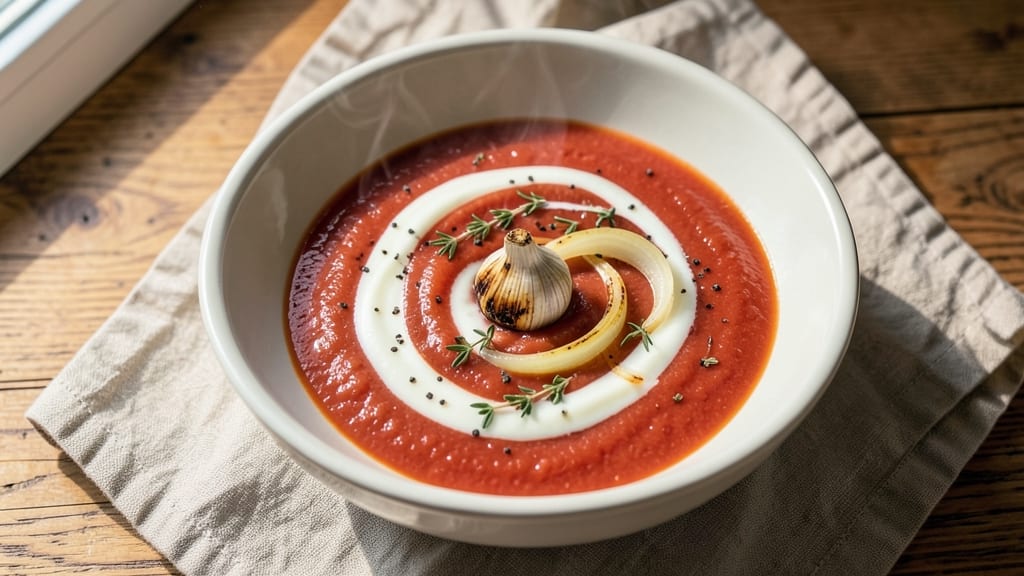
This creamy canned tomato soup proves that pantry staples can deliver restaurant-quality results without fresh chopping or fancy ingredients. Growing up in Nana Mae's Atlanta diner, I learned that the secret to velvety soups lies in technique—not just ingredients.
The key here is blending canned tomatoes with cream until perfectly smooth, then balancing with just the right amount of acidity.
What makes this recipe stand out is how it transforms simple canned tomatoes into something luxurious. You'll start with basic ingredients—canned tomatoes, cream, and aromatics—but the slow simmering and precise blending create a texture that's impossibly smooth.
The soup develops deep, caramelized flavors while maintaining that bright tomato essence, and the cream adds richness without overpowering the natural taste.
By the time you serve it, you'll have a bowl of soup that's velvety, comforting, and perfectly balanced—ideal for chilly evenings or cozy gatherings. The method is straightforward enough for weeknight cooking but delivers professional results.
This is the kind of soup that disappears from bowls faster than you can say "second serving."
Pair it with crusty bread or grilled cheese for the ultimate comfort meal. The beauty of this recipe is its versatility—it works as a starter, light lunch, or even a base for creative twists like adding herbs or spices. Let's get cooking!
Ingredients for creamy tomato soup recipe with canned tomatoes
Pantry staples plus a few fresh touches—this soup proves quality starts with technique.
| Ingredient | Amount | Notes |
|---|---|---|
| Canned San Marzano Tomatoes 🍅 | 2 cans | 28 oz each, no salt added |
| Heavy Cream 🥛 | 1 cup | Full-fat for best creaminess |
| Unsalted Butter 🧈 | 2 tbsp | Cold, for blending texture |
| Yellow Onion 🧅 | 1 whole | Medium, roughly chopped |
| Garlic Cloves 🧄 | 3 cloves | Peeled, whole for roasting |
| Vegetable Broth 💧 | 2 cups | Low-sodium preferred |
| Lemon Juice 🍋 | 1 tbsp | Freshly squeezed |
| Dried Thyme 🌿 | 1 tsp | Or 1 tbsp fresh thyme |
| Kosher Salt 🧂 | ½ tsp | Adjust to taste |
| Black Pepper 🌶️ | ¼ tsp | Freshly cracked |
| Granulated Sugar 🍚 | 1 tbsp | Balances acidity |
| Extra-Virgin Olive Oil 🫒 | 1 tbsp | For roasting aromatics |
The tomatoes are the foundation, and San Marzano makes all the difference—their sweet, meaty texture dissolves beautifully. Grab the 28 oz cans (no salt added) from Whole Foods or any well-stocked grocery store. If you can't find San Marzano, Muir Glen is a solid backup. The onion and garlic get roasted first—this caramelization builds deep flavor without chopping. Trader Joe's sells pre-chopped onions if you're short on time, but fresh roasted aromatics take this soup to the next level. For the cream, full-fat heavy cream (not light) ensures that velvety texture you're after—don't skimp here.
No San Marzano tomatoes? Any high-quality canned tomatoes work—just drain them well to avoid watering down the soup. Swap dried thyme for fresh at three times the amount, but toast it first in a dry pan for 30 seconds to wake up the flavor. The broth can be homemade or store-bought—just check for low sodium. If you're avoiding dairy, coconut cream works surprisingly well, though the texture will be slightly different. For extra richness, stir in 1 oz cream cheese at the end, but keep it optional so the soup stays bright. The sugar might seem odd, but it rounds out the acidity from the tomatoes and lemon—trust the process.
This soup tastes even better the next day as flavors meld. Store in an airtight container for up to 5 days in the fridge. For longer storage, freeze portions in 1-cup containers—they thaw beautifully. The roasted aromatics can be prepped ahead and refrigerated for 2 days before cooking. Double the batch and freeze half—you'll thank yourself when soup season hits. Reheat gently on the stove, stirring occasionally, until just warm. Never microwave, or you'll break that silky texture.
Why You'll Love This Recipe
- No-Fuss Pantry Hero: I swear by this when my fridge is empty but my cravings aren’t. Just open a can of San Marzanos, melt butter, and let the onions caramelize—no fresh tomatoes to peel, no blender cleanup. That first spoonful of velvety, garlic-kissed cream tells you all you need to know.
- San Marzano Magic: Honestly, nothing beats the sweet, meaty depth of quality canned tomatoes here. The cream smooths it out, but you still taste that sun-ripened richness—like summer in a bowl. (Yes, even on a Tuesday night.)
- Leftovers That Beg for More: This soup tastes better the next day—thicker, richer, and perfect for lunches or quick reheats. I make a double batch and freeze half; thaw it in the microwave, stir in a splash of cream, and boom—dinner’s saved.
- Budget Creamy Luxury: Heavy cream makes it feel fancy, but the cost adds up fast. Here’s my trick: use half-and-half or even a splash of coconut milk—still luscious, still satisfying, but without the sticker shock. The onions and garlic stretch the flavor so far, you’ll wonder why you ever bought expensive stock.
Step-by-step instructions for creamy tomato soup
Here's how to transform simple pantry staples into velvety tomato soup with rich texture and balanced flavor.
Roast the Aromatics for Deep Flavor
Preheat your oven to 400°F. In a small bowl, toss the 1 whole yellow onion and 3 cloves garlic cloves with 1 tablespoon extra-virgin olive oil until evenly coated. Spread them on a rimmed baking sheet in a single layer.
Roast for 20-25 minutes until the onion is deeply caramelized with browned edges and the garlic cloves are soft and fragrant. This roasting process develops complex, sweet notes that form the flavor foundation of your soup. When they're done, you'll see the onion turning golden and smell that irresistible roasted aroma filling your kitchen.
Build the Tomato Base
In a large pot over medium heat, melt the 2 tablespoons unsalted butter. Add the roasted onion and garlic, scraping up any browned bits from the bottom of the pan. Cook for 2 minutes to release their flavors.
Pour in the 2 cans canned San Marzano tomatoes, crushing them slightly with your hands as you add them. Stir in the 2 cups vegetable broth, 1 tablespoon granulated sugar, 1 teaspoon dried thyme, 0.5 teaspoon kosher salt, and 0.25 teaspoon black pepper. Bring to a gentle simmer, then reduce heat to medium-low and let it cook uncovered for 15 minutes, stirring occasionally. You want the mixture to reduce slightly and develop a rich, concentrated tomato flavor.
Create the Creamy Texture
After the tomato mixture has simmered, carefully stir in the 1 cup heavy cream using a wooden spoon. The heat should be low enough that the cream doesn't curdle immediately. Add the 1 tablespoon lemon juice and continue cooking for another 5-7 minutes, stirring frequently.
This is where the magic happens—the cream will blend smoothly with the tomatoes, creating that luxurious velvety texture. You'll notice the soup thickening slightly as it cooks. If it becomes too thick, you can thin it with a splash of warm vegetable broth. The lemon juice brightens the flavors and balances the richness of the cream.
Blend to Silky Perfection
Using an immersion blender, carefully blend the soup directly in the pot until completely smooth. If you prefer a chunkier texture, you can skip blending, but for that restaurant-quality velvety consistency, blending is essential. The soup should be completely homogeneous with no visible tomato pieces.
Taste and adjust seasoning if needed. You might need a bit more salt to balance the acidity from the lemon juice, or perhaps a touch more sugar if the tomatoes were particularly tart. The soup should be rich, creamy, and perfectly balanced—not too sweet, not too acidic, just perfectly harmonious.
Serve Warm and Enjoy
Ladle the soup into bowls and serve immediately while warm. The aroma alone will make your kitchen smell like a cozy Italian trattoria. Garnish with a sprinkle of freshly cracked black pepper and a drizzle of extra-virgin olive oil if desired.
This soup keeps well in the refrigerator for up to 3 days, though it's best enjoyed fresh. The creaminess will remain intact if you reheat it gently on the stovetop, stirring constantly to prevent separation. Each spoonful should deliver that perfect balance of rich tomato flavor, creamy texture, and subtle herbal notes.
Pro Tips For Making Creamy Tomato Soup Recipe With Canned Tomatoes
- Simmer, Don’t Boil: After crushing the tomatoes and adding aromatics, keep the heat at a gentle simmer—not a rolling boil. I learned this the hard way when my first batch turned watery and lost all that rich, concentrated flavor. A steady simmer (about 15–20 minutes) lets the natural sugars caramelize and the acidity mellow out.
- Sweat, Don’t Burn: Cook the onions and garlic in butter until they’re soft and translucent, not golden—this isn’t a caramelization. After about 5 minutes, the onions should look like they’ve given up their sharpness, and the garlic should smell sweet, not bitter. Rushing this step adds a harsh note that heavy cream can’t fix.
- Salt the Pot First: Add a pinch of salt to the pot before you start cooking the onions. It seasons the butter better and prevents the soup from tasting flat later, especially since San Marzano tomatoes are naturally low in salt. Trust me, your spoonful of heavy cream at the end will taste even richer.
- Strain for Silkiness: If you want a velvety texture, strain the cooked tomatoes through a fine-mesh sieve before adding the cream. I know, it’s extra work—but it removes skins and seeds, which can make the soup grainy. (Skip this if you like rustic texture, but your blender won’t cut it for true smoothness.)
Common mistakes when making your creamy tomato soup recipe with canned tomatoes
Skipping the Blend Step
Here's where many home cooks go wrong—they assume blending isn't necessary. But without blending, you'll end up with a chunky soup that lacks that luxurious, velvety texture we're after.
I've seen people skip this step because they're afraid of breaking their blender, but trust me, an immersion blender makes this effortless. If you're using a regular blender, transfer the soup in batches while it's hot (not boiling) to prevent splattering.
The key is to blend until completely smooth—no visible tomato pieces should remain. 💫
Adding Cream Too Early
Adding the cream before the tomatoes have fully simmered and reduced is a common mistake that can cause curdling. The acidity in tomatoes needs to cook off slightly first.
I learned this the hard way when I rushed the process and ended up with a soup that looked like lumpy cottage cheese. Always wait until the tomato mixture has simmered for at least 15 minutes before adding the cream.
And remember—low and slow is the name of the game when it comes to cream-based soups.
Overlooking the Roast Step
Many recipes call for sautéing onions and garlic, but roasting takes flavor development to another level. When I first started making this soup, I sautéed the aromatics like I always did, and the results were just okay.
Then I tried roasting them at 400°F until caramelized, and the difference was night and day. The roasted onions add a sweet, deep complexity that sautéing simply can't match. Don't skip this step—it's what transforms good soup into exceptional soup.
Using Low-Quality Tomatoes
Not all canned tomatoes are created equal. I've had readers tell me their soup turned out watery or bland, and 9 times out of 10, it's because they used generic store-brand tomatoes.
Invest in San Marzano tomatoes—they're sweeter, meatier, and have fewer seeds, which means less water in your soup. If you can't find them, Muir Glen is a solid alternative. The better the tomatoes, the richer your final soup will be. Trust me, your taste buds will notice the difference.
Ignoring the Sugar Balance
That 1 tablespoon of sugar might seem unnecessary, but it's crucial for balancing the acidity in the tomatoes and lemon juice. I've had people complain that their soup tasted too tart, and when I asked if they skipped the sugar, they always said yes.
The sugar isn't about making the soup sweet—it's about rounding out the flavors and creating harmony. Think of it as the secret ingredient that ties everything together. 🍚
Rushing the Simmer Time
Patience is key when making this soup. Many people want to rush through the 15-minute simmer of the tomato base, but that's when all the deep flavors develop. The longer you let it simmer gently, the more concentrated and flavorful your soup will be.
I know it's tempting to add the cream and call it done, but those extra minutes make all the difference. Let the soup work its magic—you'll be rewarded with a depth of flavor that's impossible to achieve by rushing the process.
Nutrition facts
Frequently asked questions
Can I make this soup without an immersion blender?
Transfer the hot soup to a regular blender in batches (don't fill past the max line) and blend until completely smooth. For best results, let the soup cool slightly first to prevent steam buildup. Just be careful—hot liquids can cause splattering.
What if I don't have San Marzano tomatoes?
Any high-quality canned tomatoes will work, but look for brands with fewer seeds like Muir Glen or Hunt's. Drain them well to avoid a watery soup. The key is using tomatoes with good flavor—don't settle for store-brand options if possible.
How can I make this soup dairy-free?
Replace the heavy cream with full-fat coconut milk for a rich texture, or use cashew cream (blend soaked cashews with water). For extra creaminess, stir in 1 tbsp nutritional yeast after blending. The flavor will be slightly different but still delicious.
Why did my soup turn out too acidic?
This usually happens when the tomatoes were too tart or you skipped the sugar. Balance it by adding a pinch more sugar or a splash of milk/cream to mellow the acidity. For future batches, taste the tomatoes before using—if they're very acidic, reduce the lemon juice to ½ tbsp.
Can I make this soup in a slow cooker?
Yes! Combine all ingredients except cream in your slow cooker on low for 4-5 hours. Stir in the cream during the last 30 minutes of cooking. The low heat helps prevent curdling, but watch closely as cream-based soups can separate if left unattended.