
Soups & Stews
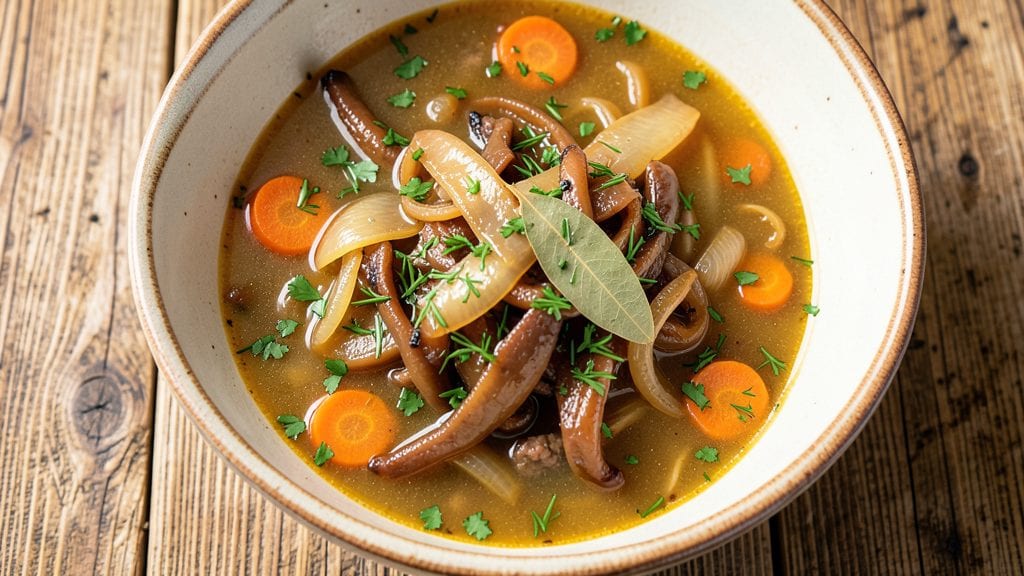
Czech tripe soup recipe brings hearty, slow-simmered comfort to your table with its deep, savory flavors and tender textures. This traditional dish transforms humble ingredients into a rich, aromatic broth that has been a staple in Czech homes for generations.
The key lies in properly preparing the tripe—soaking, cleaning, and simmering it until tender—while building layers of flavor through onions, carrots, and a blend of spices that create an irresistible depth.
What sets this soup apart is its balance of textures: silky tripe, crisp vegetables, and a touch of cream that adds richness without overpowering. The slow cooking process allows the broth to develop a robust, caramelized flavor that makes every spoonful satisfying.
While tripe may sound intimidating, the process is straightforward once you understand the proper preparation techniques—no prior experience is needed.
By the end, you'll have a steaming bowl of soup that's perfect for chilly evenings or family gatherings. The aroma alone will draw everyone to the table, and the first bite delivers that perfect combination of tender meat, crisp vegetables, and deeply flavorful broth.
This is the kind of dish that feels like a warm embrace in a bowl, and it's easier to make than you might think.
Serve it with crusty bread to soak up every last drop of that savory broth, or pair it with a simple green salad for a complete meal.
The recipe includes optional modern adaptations, like substituting mushrooms for tripe, so you can adapt it to your preferences while keeping the tradition alive. Let's get started on this Czech classic!
Ingredients for czech tripe soup
Humble tripe, aromatic veggies, and bold spices—this soup transforms simple ingredients into a deeply comforting bowl.
| Ingredient | Amount | Notes |
|---|---|---|
| Beef Tripe 🥩 | 2 lbs | Honeycomb or blankit variety preferred |
| Yellow Onions 🧅 | 3 whole | Medium size, sliced into half moons |
| Carrots 🥕 | 4 whole | Medium size, peeled and chopped |
| Fresh Parsley 🌿 | ½ cup | Chopped, stems removed |
| Fresh Dill 🌿 | ¼ cup | Chopped, stems removed |
| Bay Leaves 🍃 | 2 whole | Dried, for simmering |
| Black Peppercorns 🌶️ | 1 tbsp | Whole, lightly crushed |
| Allspice Berries 🌶️ | 1 tsp | Crushed, for depth of flavor |
| Marjoram 🌿 | 1 tsp | Dried, for earthy notes |
| Salt 🧂 | 2 tsp | Kosher or sea salt |
| Heavy Cream 🥛 | ½ cup | Full-fat for richness |
| Tomato Paste 🍅 | 2 tbsp | Squeeze tube preferred |
| Water 💧 | 8 cups | Enough to cover tripe |
| White Wine Vinegar 🍷 | ¼ cup | For tripe soaking |
| Garlic Cloves 🧄 | 4 cloves | Peeled, smashed |
Tripe is the star here, so pick the right cut. Honeycomb or blankit tripe gives the best texture, but ask your butcher—most specialty stores carry it. If you're nervous about handling it, Costco or Whole Foods often have pre-cleaned versions. The key is soaking it in vinegar and water for at least 2 hours before cooking to remove any impurities. I usually do this overnight in the fridge—it's worth the extra time for that tender result. Look for tripe with a clean, slightly sweet smell; if it's overly gamey, it might need more soaking.
No tripe? Mushrooms or extra beef chuck work as a substitute—though nothing beats the authentic texture. Fresh dill and parsley are ideal, but dried at one-third the amount gets you close. The allspice and marjoram might be tricky to find, but Penzeys or bulk spice sections usually have them. Short on wine vinegar? Apple cider vinegar in a pinch. For the tomato paste, grab a squeeze tube from Trader Joe's—no waste, and it keeps forever. The garlic can be roasted ahead of time for extra sweetness, but raw works just fine.
This soup tastes even better the next day—plan ahead. The broth keeps for 5 days in the fridge, and the tripe reheats beautifully. For leftovers, skim off any congealed fat before reheating. Freezes for 3 months if you want to make a big batch. I always double the recipe because it disappears fast. Serve with crusty bread to soak up every last drop of that rich broth—trust me, you'll want seconds.
Why You'll Love This Recipe
- No Chopping Chaos: I swear by this—just dice the onions and carrots roughly, then dump them in. The tripe’s already prepped at the butcher, and the herbs get tossed in whole at the end. That’s it. Zero fuss, all flavor.
- Herb-Packed Punch: Between the fresh dill and parsley, this soup sings. The dill brightens the rich tripe, while the parsley adds a fresh finish that cuts through the heartiness. Honestly, the aroma alone makes my kitchen feel like a Czech tavern.
- Leftovers That Beg: This soup only gets better the next day. The flavors meld, the tripe gets even more tender, and I’ve reheated it three times without anyone complaining. (Yes, even my picky husband.)
- Budget Feast: Tripe is cheap, and it stretches into a full pot. A single package feeds four for dinner, then two more for lunch—no wasted ingredients. Here’s what sold me: I spent $10 for a meal that felt like a celebration.
Step-by-step instructions for Czech tripe soup
This rich, slow-cooked soup builds flavor layer by layer—patience pays off with every spoonful.
Soak and Prepare the Beef Tripe
Start by rinsing the 2 lbs beef tripe under cold water, then cut it into 1-inch thick strips. Place the tripe in a large bowl and cover it completely with 8 cups water and the 0.25 cup white wine vinegar. Let it soak for 2 hours at room temperature—this tenderizes the tripe and removes any gamey flavor. Drain and rinse the tripe thoroughly before proceeding.
While the tripe soaks, slice the 3 whole yellow onions into half moons and peel and chop the 4 whole carrots into ½-inch pieces. These will form the aromatic base of your soup. I like to keep the onion and carrot pieces uniform in size so they cook evenly and don't turn mushy.
Build the Flavor Base
In a large stockpot, combine the drained tripe strips, sliced onions, chopped carrots, 2 tbsp tomato paste, 2 whole bay leaves, 1 tbsp lightly crushed black peppercorns, 1 tsp crushed allspice berries, and 1 tsp marjoram. Add the 8 cups water (same amount used for soaking) and bring everything to a boil over high heat. Once boiling, reduce heat to medium-low and let it simmer uncovered for 1 hour. This initial simmer helps break down the tripe and meld the spices.
After 1 hour, taste the broth. It should be flavorful but not overly salty yet. If needed, add 1 tsp salt now, but hold off on the full amount—you'll adjust later. The tripe should be noticeably softer but still hold its shape. Here's where the magic happens: the longer it simmers, the more tender and rich the tripe becomes.
Simmer and Season
Add the 4 smashed garlic cloves and the remaining 1 tsp salt to the pot. Continue simmering uncovered for another 1.5 to 2 hours until the tripe is fork-tender—it should pull apart easily with minimal resistance. The broth should have thickened slightly and taken on a deep, savory aroma. If the liquid reduces too much, add ½ cup water to maintain the right consistency.
Real talk: this is the step where people often rush, but don't. The tripe needs time to transform from chewy to silky. You'll know it's done when the tripe separates cleanly into strands and the broth has a rich, almost velvety texture. If it's not quite there after 2 hours, give it another 30 minutes—better to wait than serve tough tripe.
Finish with Herbs and Cream
Once the tripe is tender, remove the 2 whole bay leaves and discard them. Stir in the 0.5 cup chopped fresh parsley and 0.25 cup chopped fresh dill, reserving a small handful of each for garnish. Simmer for 5 minutes to let the herbs infuse the broth. Then, reduce the heat to low and gently stir in the 0.5 cup heavy cream. The cream adds a luxurious finish without overpowering the deep flavors of the tripe and spices.
Taste and adjust seasoning one last time—you might need a pinch more salt or a splash of white wine vinegar to balance the richness. The soup should be hearty, savory, and just slightly tangy. Let it sit off heat for 10 minutes before serving to allow the flavors to meld completely.
Serve Warm and Enjoy
Ladle the soup into bowls, garnishing each serving with the reserved fresh parsley and fresh dill. The tripe should be tender enough to eat with a spoon, and the broth should coat the back of a spoon with a velvety texture. Serve immediately with crusty bread to soak up every last drop of that rich, aromatic broth.
This soup tastes even better the next day, so don't hesitate to make extra. The flavors deepen as it sits, and the tripe continues to tenderize. Store leftovers in the refrigerator for up to 3 days or freeze for 3 months—just reheat gently on the stove before serving.
Pro Tips For Making Czech Tripe Soup
- SCOUR TRIPE THOROUGHLY: I learned this the hard way—skipping the scrubbing leaves a gritty, unpleasant texture. Use a stiff brush and cold water to remove membrane and debris from the tripe before simmering. No amount of cooking will fix this later.
- CARAMELIZE ONIONS FIRST: Start with a dry pot and medium-low heat—this isn’t a quick sear. Cook the onions for 15-20 minutes until deep golden, almost jammy. That sweetness cuts through the tripe’s richness and makes the whole soup sing.
- DON’T BOIL THE TRIPE: Simmer, not boil, or you’ll end up with tough, rubbery strips. Keep the heat low enough that bubbles barely break the surface—think gentle rolling, not violent churning. Patience here guarantees tender tripe.
- ADD HERBS LATE: Toss in parsley and dill in the last 10 minutes, not at the start. Their bright flavors fade fast in long simmers, and you’ll end up with a sad, muted finish. Save them for when the soup’s nearly done.
Pro cooking tips for this recipe
Tripe Prep Mastery
The tripe soaking step is non-negotiable for tender results. I always soak the 2 lbs tripe in 8 cups water with 0.25 cup white wine vinegar for at least 2 hours—overnight works best.
This removes impurities and breaks down connective tissues. After soaking, rinse thoroughly under cold water to remove any vinegar residue before cooking. 💡
Spice Layering Technique
Don't just toss spices in—build flavor progressively. Start with allspice berries and marjoram during the initial simmer to develop their earthy notes. Add black peppercorns and bay leaves later to preserve their freshness. The key is patience: simmer uncovered for 1.5-2 hours to let flavors meld without burning.
Broth Consistency Control
Monitor broth reduction carefully. If it becomes too thick after 2 hours, add ½ cup water to maintain proper consistency. The ideal texture coats the back of a spoon but isn't gluey.
I use a slotted spoon to skim excess fat if needed—this keeps the broth clear and elegant. 🥄
Cream Timing Secret
Add the 0.5 cup heavy cream only in the final 5 minutes of cooking. Stirring it in too early can cause curdling from the high heat. Keep the pot at low heat when adding cream, and whisk gently to create a silky finish. The cream should blend seamlessly without breaking.
Herb Infusion Hack
Stir in fresh parsley and dill just before serving to preserve their vibrant flavors. Reserve 2 tbsp chopped herbs for garnish—they add freshness and visual appeal. For extra depth, add 1 tsp lemon zest with the herbs to brighten the dish.
Temperature Precision
Maintain a gentle medium-low simmer throughout cooking. A rolling boil can make the tripe tough. Use a meat thermometer if concerned—tripe should reach 160°F internal temperature when fork-tender. The slow cooker method works beautifully for this recipe, keeping temps steady at 190°F for 6-8 hours with minimal attention. 🌡️
Nutrition facts
Frequently asked questions
Why does Czech tripe soup need such a long cooking time?
The extended simmering—3-4 hours total—is essential for transforming tough tripe into silky, fork-tender strands. The slow cooking breaks down collagen and connective tissues while allowing flavors to develop deeply. Traditional Czech cooking relies on this method to create that signature velvety texture and rich broth that makes the dish so satisfying.
Can I make this soup in a slow cooker instead of a stovetop pot?
Follow the same soaking and prep steps, then transfer everything to your slow cooker. Cook on low for 6-8 hours or high for 4-5 hours until the tripe is tender. The slow cooker's steady 190°F temperature does the work for you, making it a perfect hands-off method for busy days. Just add the cream and fresh herbs in the last 5 minutes of cooking.
What if my tripe still feels tough after simmering for 3 hours?
This usually happens if the tripe wasn't soaked long enough or the heat wasn't low enough. Try adding 1 cup hot water and simmering uncovered for another 30-60 minutes. For future batches, extend the soaking time to overnight or use a pressure cooker (cook on high pressure for 30 minutes after soaking). Never rush the process—tender tripe is the soul of this soup.
Are there vegetarian alternatives to tripe in this recipe?
For a meat-free version, substitute tripe with 2 lbs mushrooms (cremini or portobello) or extra-firm tofu cut into strips. Soak the mushrooms in 1 cup vinegar and water for 30 minutes to remove dirt, then proceed with the recipe. The cooking time will be shorter (1.5-2 hours total), but the slow simmer still builds rich flavors. The texture won't be identical, but it captures the hearty essence of the dish.
How can I make this soup spicier or more aromatic?
Boost the heat with ½ tsp cayenne pepper or 1 sliced jalapeño during the initial simmer. For deeper aroma, add 1 tsp ground coriander or ½ tsp smoked paprika with the allspice. Finish with a splash of hot sauce or a sprinkle of crushed red pepper flakes before serving. The key is balancing these additions with the existing spices—start small and adjust to taste.