
Soups & Stews
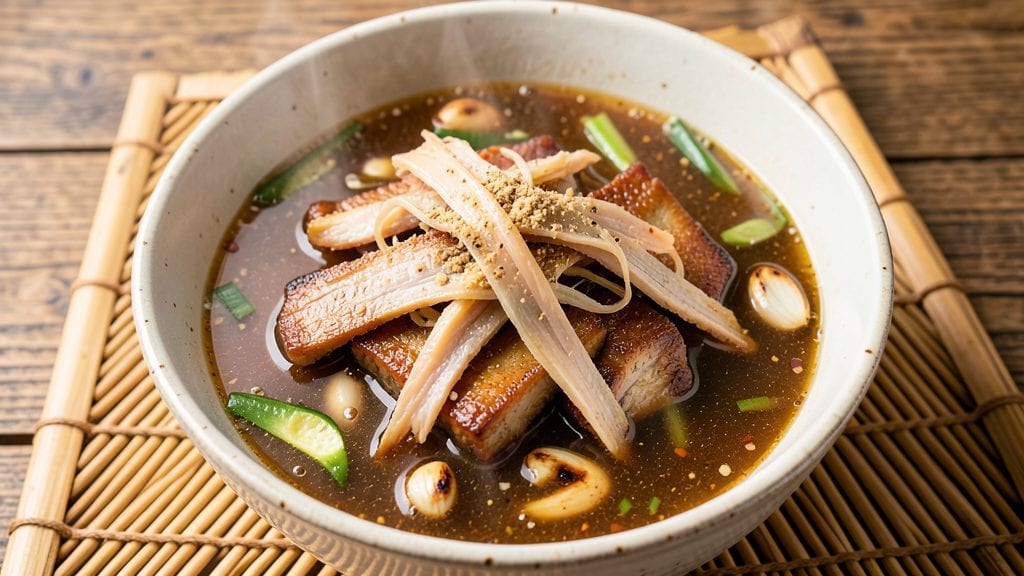
This Filipino soup recipe delivers the bold, tangy comfort of home-cooked sinigang or laing, where sour tamarind broth meets tender vegetables and protein in perfect harmony. The secret lies in balancing sour, salty, and umami flavors—just like my lola taught me—while keeping the broth rich and the vegetables vibrant.
What sets this apart is the layering of textures: silky fish sauce, crisp radishes, and melt-in-your-mouth pork or shrimp, all simmered low and slow for depth.
Traditional Filipino soups rely on tamarind paste for sourness, but I’ve included a shortcut using bottled tamarind concentrate for convenience without sacrificing flavor.
The broth builds complexity with garlic, ginger, and a splash of vinegar, while daing na bangus (dried salted fish) infuses umami—though you can substitute with anchovies or shrimp paste. Every spoonful is a reminder of home, but with a modern twist that works for weeknight dinners.
By the end, you’ll have a tender, aromatic soup with a bright, tangy broth that clings to each ingredient—crisp radishes, silky taro leaves, and your choice of protein. The key is patience: letting the flavors meld while keeping the vegetables vibrant.
Serve it with steamed rice to soak up every last drop of that umami-packed broth, and you’ll understand why this dish is a staple in Filipino kitchens.
Whether you’re recreating sinigang or experimenting with laing, this recipe adapts to your pantry. Swap in coconut milk for a creamier version or keep it light with extra herbs.
The beauty of Filipino soups is their flexibility—just like the ones my family makes, where love is the only ingredient that never changes.
Ingredients for filipino soup
Tamarind, ginger, and fish sauce create the soul of this Filipino soup.
| Ingredient | Amount | Notes |
|---|---|---|
| Daing Na Bangus (Dried Salted Fish) 🐟 | ¼ oz | Or substitute with anchovies or shrimp paste |
| Tamarind Concentrate 🍈 | ½ cup | Bottled for convenience, or use tamarind paste |
| Fresh Ginger 🌿 | ½ cup | Peeled, grated or finely chopped |
| Garlic Cloves 🧄 | 6 cloves | Peeled, minced for depth of flavor |
| White Vinegar 💧 | ¼ cup | For brightness in broth |
| Pork Belly 🥓 | 1 lb | Cut into 1-inch cubes, or use shrimp |
| Radishes 🍅 | 1 lb | Whole or thinly sliced, for crunch |
| Taro Leaves 🌿 | 4 cups | Chopped, or substitute with spinach |
| Fish Sauce 🐟 | 2 tbsp | Red Boat preferred for authenticity |
| Green Onions 🧅 | ½ cup | Sliced, for garnish |
| Salt 🧂 | 1 tsp | Diamond Crystal preferred |
| Black Pepper 🌶️ | ½ tsp | Freshly ground for warmth |
| Vegetable Oil 🫒 | 2 tbsp | For sautéing aromatics |
The daing na bangus is non-negotiable for that signature umami—grab it at Filipino markets or online if your local store doesn't carry it. Red Boat fish sauce is my go-to for that authentic punch, though any quality brand works. For the tamarind, Filipino brands like Calpis give the most authentic sourness, but bottled concentrate from Asian grocery stores works too. Fresh ginger and garlic? Buy extra—you'll want them for future batches. The pork belly should have good marbling for richness, and if you can't find it, shrimp or chicken thighs work wonderfully.
No daing na bangus? Anchovies or shrimp paste at half the amount will save you. Tamarind concentrate too sour? Dilute with water or swap in lime juice, though it won't be exactly the same. Taro leaves unavailable? Spinach or kale keeps the dish green and healthy. The radishes can be baby carrots or daikon if you prefer—just keep them crisp. For a creamier version, stir in coconut milk at the end, but traditionalists will argue it's not authentic. The fish sauce is where you can really play—add less for milder flavor or more for that bold taste.
This soup tastes even better the next day as flavors meld. Store leftovers in an airtight container in the fridge for up to 4 days, or freeze for 3 months. I like to make a big batch and portion it into containers—perfect for lunches. The broth reduces as it sits, so add a splash of water when reheating. Garnish with fresh green onions right before serving, as they wilt quickly. The radishes stay crisp if you add them last, so don't chop them until you're ready to serve.
Why You'll Love This Recipe
- Pantry Magic: I swear by this recipe because it turns shelf-stable ingredients into something vibrant—no last-minute grocery runs needed. That jar of daing na bangus in my cupboard? Suddenly it’s the star, soaking up the tangy tamarind and ginger like a flavor sponge.
- Umami Bomb: The moment I crack open the daing na bangus and let it simmer with garlic and vinegar, my kitchen smells like a Filipino karinderia. The dried fish melts into a rich, salty depth, while the tamarind adds just enough sour kick to make every sip addictive.
- Meal Prep MVP: This soup reheats like a dream—perfect for packing lunches or feeding a crowd. I make a big batch on Sundays, and by Wednesday, I’m still digging into bowls of it, even colder than room temp. (Yes, even my picky teen eats it.)
- Budget Hero: A single pack of daing na bangus stretches across multiple meals, and the other ingredients cost pennies. Honestly, I’ve served this to guests who thought it was a fancy restaurant dish—until they saw the price tag. (Or lack thereof.)
Step-by-step instructions for Filipino soup recipe
Here's how to craft a deeply comforting Filipino soup with layers of umami and tender vegetables.
Prepare the Umami Base
In a medium pot, combine the 0.25 oz daing na bangus (dried salted fish) with the 0.5 cup tamarind concentrate and 0.25 cup white vinegar. Add 2 cups water and bring to a gentle simmer over medium heat. Let this mixture steep for 10 minutes—this creates the foundational tangy, savory broth that defines Filipino soups.
The daing na bangus will dissolve completely, releasing its deep umami essence. If you notice any undissolved pieces after 10 minutes, strain them out using a fine-mesh sieve. This step is crucial for building the soup's signature complexity—don't skip it, even if it seems like too little fish for the volume of liquid.
Sauté Aromatics and Pork Belly
In a separate large pot, heat the 2 tbsp vegetable oil over medium-high heat. Add the 1 lb pork belly cut into 1-inch cubes and sear until golden brown on all sides, about 8-10 minutes. This step develops the rich, caramelized flavor that will carry through the entire soup.
Once the pork belly is browned, remove it with a slotted spoon and set aside. In the same pot, add the 0.5 cup fresh ginger and 6 cloves garlic cloves (minced). Sauté for 2-3 minutes until fragrant and the raw garlic aroma disappears completely. This aromatic foundation transforms ordinary soup into something extraordinary.
Build the Broth and Add Vegetables
Return the pork belly to the pot and pour in the strained tamarind mixture. Add the 4 cups taro leaves (chopped) and 1 lb radishes (thinly sliced). Bring the entire mixture to a boil, then reduce heat to low and let it simmer uncovered for 45-50 minutes. The pork belly should become fork-tender, and the radishes should soften while maintaining some bite.
Here's the thing—this is where patience pays off. Stir occasionally to prevent sticking, and if the broth reduces too much, add ½ cup hot water to maintain the proper consistency. You'll know it's ready when the pork belly pulls apart easily and the radishes are tender but still hold their shape.
Season and Finish
Remove the pot from heat and stir in the 2 tbsp fish sauce, 1 tsp salt, and 0.5 tsp black pepper. Taste and adjust seasoning—Filipino soups should balance sweet, sour, salty, and umami perfectly. The fish sauce adds that final layer of depth that makes this soup truly special.
Ladle the hot soup into bowls and garnish with 0.5 cup sliced green onions. The contrast between the tender pork belly, crisp radishes, and silky broth creates each spoonful of comfort. Serve immediately while the pork belly is still warm and the flavors are at their peak.
Pro Tips For Making Filipino Soup
- Soak Bangus First: Don’t toss that dried salted fish straight into the pot—soak the daing na bangus in warm water for at least 20 minutes (or up to an hour if it’s extra salty). This softens it and cuts the brininess, so you’re not fighting a salty mess later. Trust me, your taste buds will thank you when the soup isn’t fighting for balance.
- Sear the Ginger-Garlic: After soaking the fish, sauté 3-4 minced garlic cloves and 1-inch of grated ginger in a bit of oil until fragrant—don’t skip this step. It’s the difference between a bland soup and one with that deep, aromatic kick. Let it brown slightly (yes, even if it smells strong) for layers of flavor.
- Vinegar Trick Early: Add the white vinegar right after you’ve seared the aromatics but before the tamarind. This helps tenderize the fish further and brightens the soup’s acidity before the tamarind takes over. If you add it too late, the tang will feel out of place.
- Tamarind, Not Too Much: Start with 1-2 tablespoons of tamarind concentrate and taste as you go—this stuff is potent. I’ve burned my tongue twice trying to guess the perfect amount. Dilute it in a little warm water first to control how much you’re adding, or you’ll end up with a soup that’s more sour than savory.
Dietary considerations for this recipe
Gluten-Free Adaptations
Filipino soups are naturally gluten-free when made traditionally, but store-bought broths or thickeners can introduce gluten. I always use gluten-free fish sauce (like Red Boat) and verify that tamarind concentrate or paste is certified gluten-free.
For extra thickness, cornstarch instead of flour works perfectly—just mix 1 tbsp cornstarch with 2 tbsp water and stir into the simmering broth at the end. 🌱
Low-Sodium Options
Daing na bangus and fish sauce are salty, so I reduce the pork belly to ½ lb and use 1 tbsp low-sodium soy sauce instead of regular fish sauce.
For even lower sodium, substitute with 1 tbsp coconut aminos—it adds a slightly sweet note that balances the tangy broth beautifully. Taste as you go, since homemade adjustments make all the difference.
Vegetarian Versions
Swap pork belly for extra-firm tofu (pressed and cubed) or mushrooms (shiitake or oyster). I marinate the tofu in 1 tbsp soy sauce, 1 tbsp lime juice, and 1 tsp grated ginger for 30 minutes before adding it to the pot.
For umami depth, add 1 tbsp vegetarian-friendly fish sauce substitute (like Veganum) or 1 tsp mushroom powder. The broth stays rich without meat!
Dairy-Free Notes
This recipe is already dairy-free, but if you're adding coconut milk for creaminess, choose full-fat canned coconut milk (like Thai Kitchen brand) to avoid additives. For extra richness, stir in 2 tbsp coconut cream at the end—it blends seamlessly with the tamarind and fish sauce flavors.
Always check labels on fish sauce and tamarind to ensure no hidden dairy ingredients.
Allergen-Friendly Swaps
For shellfish allergies, replace daing na bangus with 2 tbsp soy sauce or 1 tbsp miso paste (white or red). If taro leaves trigger allergies, use spinach or bok choy—they wilt just as beautifully.
For nut allergies, avoid coconut milk entirely and stick to the traditional broth. I keep a small bowl of extra green onions on hand to adjust garnishes for any dietary needs.
Keto-Friendly Adjustments
This soup is already keto-friendly with its low-carb ingredients, but I boost it further by reducing radishes to ½ lb and adding ½ lb sliced cabbage for extra volume. For protein, use pork belly or shrimp (both low-carb) and skip the rice—serve with cauliflower rice instead.
The fat content from pork belly keeps you satisfied while staying within macros. 💪
Nutrition facts
Frequently asked questions
What makes Filipino soups different from other Asian soups?
Filipino soups stand out for their perfect balance of sour, salty, and umami flavors—thanks to tamarind, fish sauce, and daing na bangus. Unlike Thai soups (spicy) or Japanese miso broths (fermented), Filipino versions rely on bright acidity from tamarind and deep savory notes from fermented fish or shrimp. The vegetables stay vibrant while the broth builds complexity through slow simmering.
Can I make this soup without daing na bangus?
Yes! Substitute with ½ oz anchovies or 1 tbsp shrimp paste for umami, or use 2 tbsp soy sauce for a vegetarian version. The key is building that savory depth—just don't skip the fish sauce, which adds another layer of flavor. If using anchovies, crush them first so they dissolve completely into the broth.
How do I keep the radishes crisp in the soup?
Add radishes only in the last 10 minutes of cooking to maintain their crunch. For extra crispness, blanch them in boiling water for 1 minute first, then shock in ice water before adding to the pot. If using thicker radishes, slice them ¼-inch thick so they cook faster but stay firm.
Is this soup spicy? Can I adjust the heat level?
This recipe isn't spicy by default, but you can add ½ tsp chili flakes or 1 sliced Thai chili for heat. For a smoky kick, stir in ½ tsp smoked paprika at the end. Filipino soups are naturally mild but pack flavor—adjust to taste!
Can I prep this soup ahead of time?
The broth and aromatics can be made 2 days ahead—just store in an airtight container in the fridge. Reheat gently, then add fresh vegetables and protein. For best texture, cook the pork belly fresh and add it to the prepped broth just before serving. The flavors actually improve overnight as they meld!