
Soups & Stews
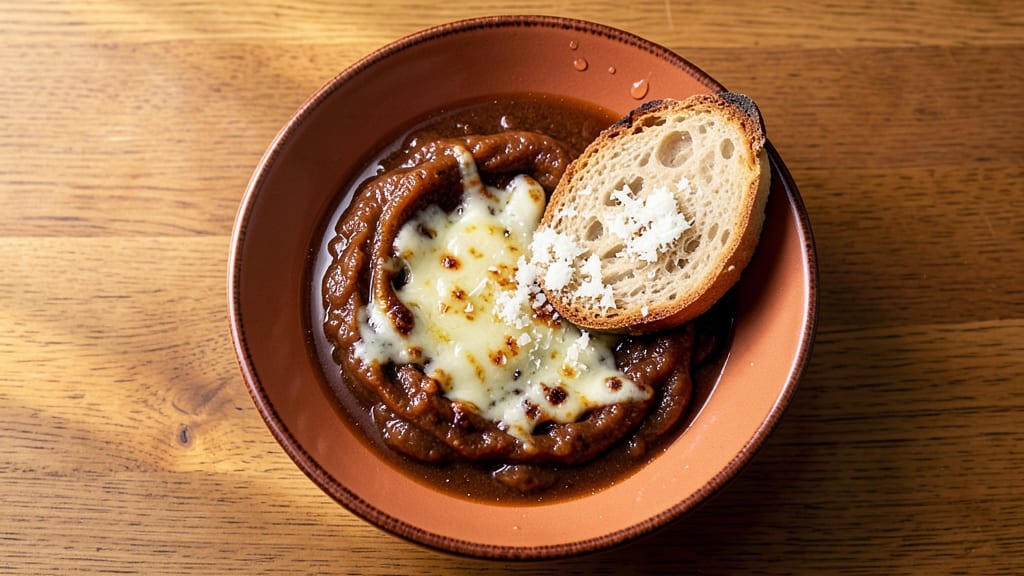
Gordon Ramsay’s onion soup recipe transforms humble yellow onions into a deeply flavorful masterpiece that rivals any bistro classic. The secret lies in patiently caramelizing onions until they develop a rich, amber fond that forms the soul of this dish.
This isn’t just soup—it’s a symphony of textures, where tender onions melt into velvety broth and crispy bread toasts under molten Gruyère cheese.
What sets this recipe apart is the technique: slow cooking the onions until they’re deep golden and sweet, then building a rich beef broth base that carries those caramelized flavors. The final touch—grilled bread topped with cheese that melts into a bubbling, golden blanket—elevates it from comforting to extraordinary.
Every step matters, from the precise caramelization to the perfect cheese-toasting moment.
By the time you serve this soup, you’ll have a dish that’s rich, aromatic, and impossibly satisfying—with layers of flavor that linger long after the last bite. The caramelized onions add depth, the broth provides warmth, and the crispy cheese bread delivers that restaurant-worthy crunch.
This is the kind of recipe that transforms a simple ingredient into something truly special.
Whether you’re cooking for a cozy dinner or impressing guests, this method delivers professional-quality results at home. The beauty of this recipe is in its balance: bold flavors without being overpowering, and a technique that’s approachable yet yields restaurant-caliber outcomes.
Let’s get cooking—your kitchen will smell like a Parisian bistro in no time.
Ingredients for gordon ramsay onion soup
The foundation of this bistro-worthy dish begins with caramelized onions and rich beef broth.
| Ingredient | Amount | Notes |
|---|---|---|
| Yellow Onions 🧅 | 4 large | Peeled, cut into even 1/4-inch slices |
| Unsalted Butter 🧈 | ½ cup | European-style preferred for flavor |
| Beef Broth 🥫 | 4 cups | Homemade or high-quality store-bought |
| Dry White Wine 🍷 | ½ cup | Sauvignon Blanc or Chardonnay recommended |
| Gruyère Cheese 🧀 | 1 ½ cups | Freshly grated, aged 6-12 months |
| Baguette 🥖 | 1 whole | Crusty, day-old preferred |
| Extra-Virgin Olive Oil 🫒 | 2 tbsp | For bread toasting |
| Fresh Thyme 🌿 | ¼ cup | Leaves only, finely chopped |
| Garlic Cloves 🧄 | 4 cloves | Minced, peeled |
| Diamond Crystal Kosher Salt 🧂 | 1 ½ tsp | For seasoning, adjust to taste |
| Black Peppercorns 🌶️ | ½ tsp | Freshly cracked |
| All-Purpose Flour 🌾 | 2 tbsp | For thickening broth if needed |
| Balsamic Vinegar 🍶 | 1 tbsp | For deglazing fond |
The onions are non-negotiable—4 large yellow onions (about 2 lbs total) are essential for developing that deep, amber fond. Whole Foods or local farmers markets often carry onions with superior sweetness, but any firm, dry yellow onion will work. Avoid onions with sprouting or soft spots. For the butter, European-style unsalted (like Plugrá or President) adds a subtle richness that generic brands can't match. The Gruyère cheese must be aged between 6-12 months—younger cheese lacks the complex nutty flavors that define this dish. L'Epicerie des Gourmets or Murray's Cheese carry excellent aged Gruyère. Freshly grated is critical; pre-shredded contains anti-caking agents that prevent proper melting.
No white wine? Substitute with extra beef broth and a splash of apple cider vinegar—the acidity helps balance the sweetness of the caramelized onions. For the thyme, fresh is ideal, but dried works at one-third the amount. The baguette can be replaced with a crusty sourdough or ciabatta, though traditional baguettes have the perfect balance of chew and crunch. If you're short on time, toast the bread in the oven at 375°F for 5-7 minutes instead of grilling. The balsamic vinegar is optional but recommended—it adds a subtle tang that brightens the rich fond. For the garlic, roasted garlic can substitute, but fresh minced delivers the brightest flavor. The kosher salt should be Diamond Crystal for proper measurements—Morton's is finer and requires adjustments.
Caramelized onions keep in the fridge for up to 1 week in an airtight container, though they're best used immediately. The broth can be made 2 days ahead and reheated gently. Gruyère cheese should be stored in the fridge, wrapped in parchment paper, and used within 2 weeks of opening. For the baguette, freeze it overnight if you're not using it immediately—this prevents sogginess. The finished soup reheats beautifully; simmer gently on low heat to maintain texture. Leftovers keep for 3 days in the fridge, though the bread topping is best added fresh. For make-ahead convenience, prepare the soup base and store it separately—assemble with freshly toasted bread when ready to serve.
Why You'll Love This Recipe
- One-Pot Magic: I swear by this recipe because it’s that simple—just onions, butter, and broth caramelizing together while you sip wine. No chopping mountains of veggies, no last-minute grocery runs. The only real work is patience (and maybe a quick trip to the liquor store if you’re fancy).
- Gruyère Gold Rush: That moment when the melted cheese meets the rich broth? Pure satisfaction. The Gruyère’s nutty depth cuts through the sweetness of the onions, and the crispy top? It’s the kind of bite that makes you pause mid-sip. Honestly, I’ll take this over takeout any day.
- Weeknight to Dinner Party: Between us, this soup is my secret weapon for lazy nights and impressing guests. Double the batch, reheat for lunch, or serve it with crusty bread when your in-laws visit. The wine in the broth adds sophistication without the fuss—no one will guess it’s basically a pantry raid.
- Budget-Friendly Luxury: You’re getting restaurant-quality flavor for a fraction of the cost. A single onion and a block of Gruyère stretch further than you’d think, especially when you stretch the broth with a splash of wine. Leftovers? Even better—it tastes richer the next day, if that’s possible.
Step-by-step instructions for caramelized onion soup with Gruyère
Mastering this technique transforms simple onions into a rich, velvety base worthy of any fine dining table.
Develop the Caramelized Fond
Begin by melting the 0.5 cup unsalted butter in a heavy-bottomed Dutch oven over medium-low heat. Add the 4 large yellow onions, peeled and cut into even ¼-inch slices, ensuring they spread out in a single layer. The butter should foam gently but not brown—this is critical for proper caramelization.
Cook the onions undisturbed for 20 minutes, stirring only once to redistribute them evenly. You'll notice the onions begin to soften and release moisture, which will gradually evaporate. After 20 minutes, reduce heat to low and continue cooking for another 45-60 minutes, stirring occasionally. The onions should transform from pale yellow to deep amber, with a rich, sweet aroma filling your kitchen. This slow process develops the fond—the flavorful browned bits that form the soul of the soup.
When the onions are fully caramelized, they'll be soft and jammy with a glossy sheen. If they begin to darken too quickly, reduce heat further to maintain even cooking. The fond should coat the back of a spoon when stirred—this is your signal to proceed to the next step. Any fond left behind contains concentrated flavor, so scrape it up thoroughly when deglazing.
Build the Broth Base
Once the onions are perfectly caramelized, increase heat to medium and add the 4 cloves minced garlic cloves. Cook for 30 seconds until fragrant—don't let them brown or they'll become bitter. Immediately deglaze the pot with the 0.5 cup dry white wine, scraping up all the fond from the bottom with a wooden spoon. Let the wine reduce by half, about 2-3 minutes, until it nearly evaporates.
Pour in the 4 cups beef broth and bring to a gentle simmer. Add the 0.25 cup finely chopped fresh thyme leaves, 1.5 teaspoons diamond crystal kosher salt, and 0.5 teaspoon freshly cracked black peppercorns. The broth should be seasoned but not overwhelmingly salty—you'll adjust later. Let the soup simmer gently for 15-20 minutes to allow flavors to meld. You'll notice the onions continue to soften and release their sweetness into the broth.
Taste the broth and adjust seasoning if needed. If it's too thin, whisk in the 2 tablespoons all-purpose flour to thicken slightly. The soup should coat the back of a spoon but remain fluid enough to ladle. This is the moment to decide if you want a more velvety texture—if so, simmer uncovered for an additional 5 minutes to reduce slightly.
Prepare the Baguette Topping
While the soup simmers, prepare the baguette topping. Cut the 1 whole baguette into ¼-inch thick slices, creating enough pieces to cover the top of your serving bowls. Brush both sides generously with the 2 tablespoons extra-virgin olive oil, then toast in a 375°F oven for 5-7 minutes until golden and crisp. The bread should be firm enough to hold its shape when placed on top of the soup.
In a small bowl, combine the 1.5 cups freshly grated gruyère cheese with 1 tablespoon balsamic vinegar. The vinegar adds a subtle tang that cuts through the richness of the cheese and complements the caramelized onions. Mix until the cheese is evenly moistened—this ensures it melts smoothly onto the bread and soup below.
Assemble and Serve
Ladle the hot onion soup into individual oven-safe bowls, filling each about ¾ full. Place a toasted baguette slice on top of each serving, then sprinkle generously with the gruyère-cheese mixture. The cheese should melt immediately from the heat of the soup, creating a golden, bubbling crust that encases the bread.
For the final touch, broil the soups for 2-3 minutes until the cheese is bubbly and deeply golden. Watch carefully to prevent burning—you want a beautiful, even color. Remove from the broiler and let sit for 1 minute before serving. The contrast of crispy bread, melted cheese, and velvety soup creates the perfect balance of textures and temperatures.
Serve immediately with additional grated gruyère on the side if desired. Each spoonful should deliver layers of sweet caramelized onions, rich broth, and nutty cheese, culminating in the satisfying crunch of the toasted baguette. This is where the magic happens—the entire dish comes together in perfect harmony.
Pro Tips For Making Gordon Ramsay Onion Soup
- Sweat, Don’t Burn: Low and slow is your friend here—after the initial sear, drop the heat to medium and cover the pot. I used to rush this, and the onions either stuck or turned bitter. A steady simmer for 20-25 minutes breaks them down just right, turning them into a deep, caramelized base that’ll make your broth sing.
- Use Real Wine: Skip the cooking wine—it’s not the same. A decent dry white (like Sauvignon Blanc or Chardonnay) adds complexity the cheap stuff can’t match. If you’re worried about cost, use half the called-for amount and boost it with a splash of lemon juice for brightness.
- Salt the Broth Early: Taste that beef broth before you add it to the onions. If it’s bland, season it now—you can’t fix flat flavor later. Gruyère’s salty enough that overdoing it now will throw off the balance when you top the soup.
- Grate Cheese Fresh: Pre-shredded cheese has anti-caking agents that make it gummy when melted. Buy a block of Gruyère, grate it yourself, and store the extra in the freezer for next time. The texture difference is night and day—crispy, golden perfection every time.
Pro cooking tips for this dish
Patience is Key
This soup demands slow, undisturbed cooking—rushing the caramelization is the fastest way to ruin it. I’ve seen home cooks burn onions by cranking the heat too high, turning them bitter instead of sweet. Maintain medium-low to low heat throughout the entire process, and resist the urge to stir frequently.
The onions should cook for at least 1 hour to develop that deep, amber fond that’s the soul of the dish. 🌡️
Deglazing Secrets
The moment your onions reach that perfect caramelized state, deglazing with white wine is where the magic happens. Use a dry white wine like Sauvignon Blanc or Chardonnay—avoid sweet varieties. Let the wine reduce by half before adding broth, ensuring all those flavorful browned bits dissolve into the sauce.
If you’re short on wine, apple cider vinegar works in a pinch, but it won’t add the same depth.
Broth Thickness Control
Your soup should be velvety but not gluey. If it’s too thin, whisk in 2 tablespoons all-purpose flour to thicken slightly. For an even richer texture, simmer uncovered for 5 extra minutes to reduce the broth naturally.
I’ve found that homemade beef broth adds the most depth, but high-quality store-bought brands like Kitchen Basics or Pacific Foods work well in a pinch. 🥫
Cheese Melting Tricks
Freshly grated Gruyère cheese is non-negotiable—pre-shredded contains anti-caking agents that prevent proper melting. For the perfect broiled topping, mix the cheese with 1 tablespoon balsamic vinegar before sprinkling. This adds a subtle tang that cuts through the richness.
Broil for only 2-3 minutes—watch closely to avoid burning, but don’t rush. The cheese should bubble and turn golden, creating that restaurant-quality crust. ✨
Bread Toasting Perfection
Day-old baguettes are ideal because they’re sturdier and less likely to sog. Brush slices generously with extra-virgin olive oil and toast in a 375°F oven for 5-7 minutes until golden and crisp. If you prefer grilling, use a clean cast-iron skillet over medium heat for 2 minutes per side.
The bread should hold its shape when placed on the soup—no flimsy slices here! 🥖
Equipment Must-Haves
A heavy-bottomed Dutch oven is essential—it distributes heat evenly and prevents burning. I recommend Le Creuset or All-Clad for professional results. A wooden spoon helps scrape up fond without scratching your pot.
For precise temperature control, invest in a thermometer—I use a Thermoworks Smoke to monitor heat accurately. These tools make all the difference in achieving bistro-quality results at home. 💡
Nutrition facts
Frequently asked questions
Why does Gordon Ramsay’s onion soup require such long caramelization?
The slow caramelization process—at least 1 hour—is essential to develop the rich, sweet fond that forms the soul of this soup. Rushing this step creates bitter flavors instead of the deep, amber sweetness that makes the dish unforgettable. The patience pays off with layers of complexity in every spoonful.
Can I substitute Gruyère cheese with something else?
While Gruyère is ideal for its nutty, slightly sweet flavor, you can use Comté or Emmental in a pinch. Avoid pre-shredded cheese—it contains anti-caking agents that prevent proper melting. For a vegetarian option, try aged cheddar, but the flavor won’t be as complex.
What’s the best way to store leftovers?
Store the soup base (without the bread topping) in an airtight container for up to 3 days in the fridge. Reheat gently on the stove—never microwave, as it can make the onions mushy. The bread topping is best added fresh, but you can toast slices separately and assemble when ready to serve.
How do I prevent the bread from getting soggy?
Use day-old baguettes for sturdier slices, and toast them thoroughly in the oven or on a griddle until golden and crisp. Brush with extra-virgin olive oil before toasting to create a protective barrier. Add the cheese topping right before serving to maintain that perfect crunch.
Can I make this soup vegetarian?
Yes! Replace the beef broth with a rich mushroom or vegetable broth, and use vegetable butter instead of unsalted butter. For depth, add a splash of soy sauce or Miso paste when building the fond. The caramelization technique remains the same—just ensure your cheese is vegetarian-friendly.