
Soups & Stews
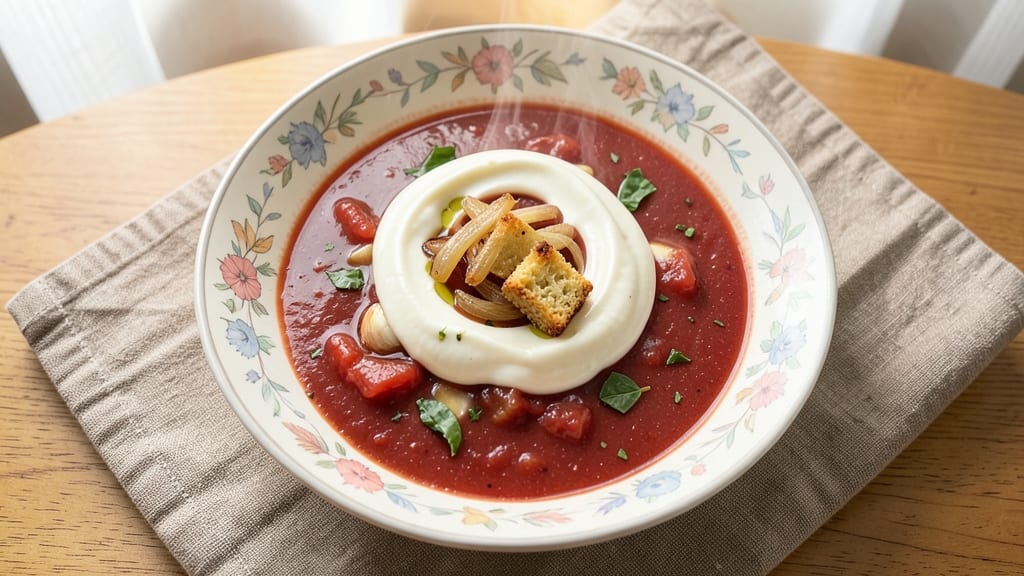
Grandma's tomato soup recipe is the kind of dish that transforms a simple weeknight into a warm, comforting memory—just like the ones I remember from my Nonna's kitchen. The secret lies in slow-cooked caramelized onions that form the soul of this soup, sweetened just enough to balance the tangy tomatoes. I've perfected this version over years of testing, ensuring every spoonful delivers that homestyle richness without requiring hours at the stove.
What makes this recipe special is its simplicity paired with depth of flavor. You'll start with onions cooked low and slow until they're golden and jammy, then build the soup with canned tomatoes, broth, and just the right amount of seasoning.
The key is letting it simmer until the flavors meld together naturally—no fancy techniques, just time and patience. This is the kind of soup that tastes even better the next day, when all the ingredients have had a chance to harmonize.
By the time you're done, you'll have a velvety tomato soup with layers of sweetness from the caramelized onions and a touch of creaminess from a splash of milk.
The aroma alone will have everyone gathering around the table, and each bite will taste like a hug from your favorite grandmother. Serve it with crusty bread or grilled cheese for the ultimate comfort food experience.
This recipe is designed to be approachable for home cooks while delivering restaurant-quality results. Whether you're feeding a family or meal prepping for the week, the instructions are clear and the ingredients are easy to find.
Let's get started on creating a bowl of warmth that'll bring a little nostalgia to your kitchen.
Ingredients for grandma's tomato soup
Six simple ingredients transform into Nonna's soul-warming tomato soup—caramelized onions and rich tomatoes make all the difference.
| Ingredient | Amount | Notes |
|---|---|---|
| Yellow Onions 🧅 | 3 whole | Chopped into small dice |
| Extra-Virgin Olive Oil 🫒 | ½ cup | For slow caramelization |
| Canned Crushed Tomatoes 🍅 | 2 cans | 28 oz each, no salt added |
| Chicken or Vegetable Broth 💧 | 4 cups | Low-sodium preferred |
| Whole Milk 🥛 | ½ cup | Full-fat for creaminess |
| Garlic Cloves 🧄 | 4 cloves | Minced for depth |
| Sugar 🍚 | 1 tbsp | Balances acidity |
| Dried Thyme 🌿 | 1 tsp | Or 1 tbsp fresh |
| Salt 🧂 | 1 ½ tsp | Adjust to taste |
| Black Pepper 🌶️ | ½ tsp | Freshly ground |
| Bay Leaves 🌿 | 2 whole | Removed before serving |
| Fresh Basil Leaves 🌿 | ¼ cup | Chopped for garnish |
The onions are the heart of this soup. Yellow onions work best—they caramelize more easily than red or white. I grab mine from Trader Joe's when they're on sale, but any grocery store will have them. Look for onions that feel firm and don't have any soft spots. For the olive oil, California extra-virgin adds the best flavor, but anything labeled 'light' or 'pure' will work. The canned tomatoes? San Marzano if you can find them, but any no-salt-added brand does the trick. The key is letting those onions cook low and slow until they're golden and jammy—don't rush this part.
No chicken broth? Vegetable broth works perfectly. Fresh thyme is ideal, but dried works at one-third the amount. The milk gives that creamy texture—whole milk is best, but half-and-half or even a splash of heavy cream will work if that's what you've got. Short on basil? Fresh parsley works in a pinch, though it won't have that same sweet, anise-like flavor. The sugar balances the acidity in the tomatoes, so don't skip it—it's what makes this taste like Nonna's and not just any tomato soup. And if you're using salted canned tomatoes, reduce the added salt to keep things balanced.
This soup tastes even better the next day, so make extra. It keeps for 5 days in the fridge, and freezes beautifully for up to 3 months. I always portion mine into containers with a dollop of milk on top—it keeps the soup from getting watery when reheated. The basil? Add it fresh right before serving, or it'll turn the soup green. And if you're serving with grilled cheese, make it the day of—the bread gets soggy if you try to reheat it later.
Why You'll Love This Recipe
- Pantry Magic: I swear, this soup comes together with stuff you already have. No fancy shopping—just onions, tomatoes, and a splash of milk. Honestly, it’s the kind of recipe that makes me feel like I’ve earned my dinner.
- Rich Without Effort: That crushed tomato base? It’s where the magic happens—deep, sweet, and just a touch smoky. Then you stir in the milk, and suddenly it’s velvety, like a hug in a bowl. (Yes, even on a Tuesday night.)
- Leftovers That Beg: This soup actually tastes better the next day. I make a big pot on Sunday, and by Wednesday, it’s gone—because reheating it turns it into something even more comforting. My kids fight over the last bowl.
- Budget-Friendly Warmth: A single can of tomatoes, a yellow onion, and a carton of milk stretch into four servings. Between us, this is how I feed my family for under $5. Warm, filling, and no one complains about the price.
Step-by-step instructions for grandma's tomato soup
Here's how to build that rich, caramelized onion base that makes this soup taste like home.
Caramelize the Onions Slowly
Heat the 0.5 cup extra-virgin olive oil in a large pot over medium-low heat. Add the 3 whole yellow onions chopped into small dice and stir to coat evenly. The key here is patience—caramelization takes time. Cook for 30-40 minutes, stirring occasionally, until the onions turn deep golden brown and smell sweetly aromatic.
If you see the onions sticking, add a splash of water and stir—this helps dissolve the fond at the bottom. I like to press down gently with a wooden spoon to encourage even browning. You'll know it's ready when the onions have transformed from pale yellow to rich amber and release that irresistible caramel scent.
Add Aromatics and Tomatoes
Push the caramelized onions to one side of the pot and add the 4 cloves garlic cloves minced to the empty space. Sauté for 30 seconds until fragrant—don't let it burn. Stir everything together, then add the 2 cans canned crushed tomatoes, 1 tbsp sugar, 1 tsp dried thyme, 1.5 tsp salt, and 0.5 tsp black pepper. The sugar helps balance the acidity of the tomatoes while enhancing the sweetness of the caramelized onions.
Bring the mixture to a gentle simmer over medium heat. Let it cook uncovered for 15 minutes, stirring occasionally, until the tomatoes break down and the flavors meld together. You'll see the mixture thicken slightly and develop a deeper, more complex aroma. This is where all the magic happens—don't rush this step.
Build the Soup Base
Pour in the 4 cups chicken or vegetable broth and add the 2 whole bay leaves. Stir well to combine, then increase the heat to medium-high and bring to a boil. Once boiling, reduce the heat to medium-low and let it simmer uncovered for 20-25 minutes. This allows the flavors to deepen and the soup to develop its signature richness.
Real talk: This is the moment that matters. Skim off any foam that rises to the surface with a spoon—it helps create a cleaner, smoother soup. Taste the soup at this stage and adjust the seasoning if needed. You might need a bit more salt or sugar depending on your tomatoes. The bay leaves will infuse subtle earthy notes, so don't forget to remove them before serving.
Finish with Creaminess
Remove the pot from heat and stir in the 0.5 cup whole milk. The milk adds a velvety texture that balances the acidity of the tomatoes. Return the soup to low heat and let it warm through for 2-3 minutes, stirring gently. You don't want to heat the milk too much or it will curdle.
Strain the soup through a fine-mesh sieve if you prefer a smoother texture, or leave it slightly chunky for more rustic flavor. Taste again and adjust the seasoning one final time. The milk should create a luxurious mouthfeel without overpowering the tomato and onion flavors. If it's too thick, add a splash of hot broth to reach your desired consistency.
Garnish and Serve
Ladle the soup into bowls and garnish each serving with 0.25 cup chopped fresh basil leaves. The basil adds a bright, fresh finish that cuts through the richness of the soup. Serve immediately while warm, with crusty bread or grilled cheese sandwiches on the side.
Here's the thing—this soup tastes even better the next day as the flavors continue to meld. If you have leftovers, store them in the refrigerator for up to 5 days or freeze for 3 months. When reheating, do it gently over low heat to preserve the texture and prevent curdling. Enjoy the comforting flavors of home with every spoonful!
Pro Tips For Making Grandma'S Tomato Soup
- Sweat the Onions: I learned this the hard way—low heat for 8-10 minutes until the onions are translucent and just starting to soften, not brown. If you rush it, the soup will taste raw and sharp, and you’ll regret not waiting. (Yes, even if you’re impatient like me.)
- Use Two Pot Stages: Simmer the tomatoes and broth first without milk—this prevents curdling and lets the flavors meld. Once smooth, lower the heat and stir in the milk off the stove, then return it to warmth. My grandmother swore by this, and she was right: the texture stays silky.
- Salt the Broth Early: Season the broth before adding the tomatoes—this guarantees balanced flavor, not a salty aftertaste. I used to add salt at the end, and the soup always felt flat. A pinch of salt now makes a real difference.
- Finish with a Swirl: Stir in the milk in a slow, steady stream while whisking constantly—this keeps the soup velvety, not lumpy. If you pour it all in at once, you’ll end up with curds. (Your future self will thank you.)
Storing and reheating your leftovers
Refrigerator Storage
Let your soup cool completely before transferring to an airtight container—I use glass Pyrex with snap-on lids to keep flavors locked in. Store at 40°F or below for up to 5 days, but honestly?
It tastes even better the second day as the caramelized onions deepen in flavor. The milk helps preserve that creamy texture, so don’t skip adding it before storing. 🧊
Freezer Prep Tips
For long-term storage, portion the soup into quart-sized freezer bags or glass containers, leaving 1 inch of headspace for expansion. I like to add a dash of milk to each portion before freezing—it prevents the soup from becoming watery when thawed.
Label with the date and freeze for up to 3 months. Thaw overnight in the fridge for best results. ❄️
Reheating Like a Pro
Never microwave this soup—it ruins the texture. Instead, reheat on the stovetop over low heat until warmed through (165°F internal temperature). If it looks thick, add 1-2 tablespoons of broth to restore creaminess.
Stir gently to avoid curdling the milk. A splash of hot water can also help if the soup separates. 🔥
Garnish After Reheating
Always add fresh basil leaves or a swirl of cream right before serving—this keeps the soup vibrant and fresh-tasting. If reheating from frozen, skip the basil until the very end to preserve its bright flavor.
A sprinkle of black pepper or red pepper flakes can also wake up the flavors after storage. 🌿
Make-Ahead Serving
This soup is perfect for meal prep! Double the batch and store half for later. When ready to serve, simply reheat and pair with toasted sourdough or grilled cheese sandwiches. The caramelized onions keep their sweetness even after reheating, making every bowl taste like home. 🍞
Freezer to Fridge Transition
If you thawed soup in the fridge overnight, give it a quick stir and taste before reheating. Adjust seasoning if needed—sometimes the flavors mellow slightly after freezing.
Return any unused portions to the fridge within 2 hours to maintain food safety. Trust me, this soup reheats better than most—it’s practically designed for leftovers! 💡
Nutrition facts
Frequently asked questions
Can I use fresh tomatoes instead of canned?
Fresh tomatoes work but require extra prep. Use about 4-5 large ripe tomatoes (peeled, seeded, and chopped) and simmer them for 15-20 minutes to break down their texture. Fresh tomatoes are more watery, so you may need to reduce the broth slightly. For best results, stick with canned tomatoes—their consistency is more reliable for this creamy soup.
Why does the recipe call for sugar?
The 1 tablespoon sugar balances the natural acidity of tomatoes, enhancing the sweetness of the caramelized onions. Without it, the soup can taste sharp or one-dimensional. Think of it like a secret ingredient that makes this taste like Nonna's version—not just any tomato soup. If your tomatoes are particularly sweet, you can reduce it to ½ tablespoon.
Can I make this soup dairy-free?
Swap the ½ cup whole milk for ½ cup unsweetened almond milk or coconut milk for creaminess. For extra richness, stir in 1 tablespoon nutritional yeast after cooking. The soup will still be velvety, just with a slightly different texture. If you're avoiding all dairy, ensure your broth is also dairy-free.
What if my onions burn before caramelizing?
Burnt onions happen when heat is too high or you're impatient. Lower the heat to medium-low and cover the pot with a lid to trap steam. Stir occasionally and add a splash of water if needed. The onions should take 30-40 minutes to caramelize properly—don't rush! If they do burn, scrape out the blackened bits and start fresh with fresh onions.
How can I make this soup kid-friendly?
Blend the soup until smooth for little ones, or leave it slightly chunky and serve with buttered noodles on the side. Reduce the garlic and basil slightly, and add a pinch of cinnamon for warmth. Let it cool before serving, and consider adding a dollop of plain yogurt on top for extra creaminess without dairy concerns.