
Soups & Stews
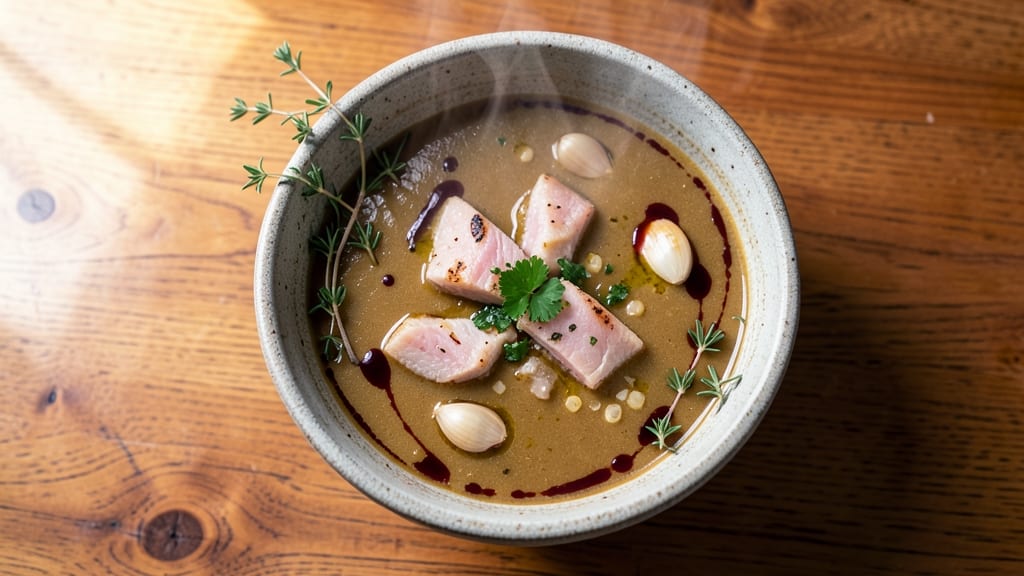
This halibut soup recipe delivers a luxurious velouté that balances delicate white wine brightness with rich, herby depth—perfect for pescatarians craving restaurant-quality comfort. The secret lies in poaching halibut in white wine and broth, then blending it into a silky base that's velvety yet light.
I developed this recipe after years of refining techniques to ensure the fish stays tender while the soup achieves that signature velouté texture.
The process begins with building a flavorful fish stock from halibut bones and aromatics, then poaching the fillets in white wine and herbs to infuse every spoonful with subtle complexity. A light cream finish adds body without heaviness, while fresh herbs and lemon zest brighten the final dish.
This isn't your typical fish chowder—it's a refined, elegant soup that feels special yet remains approachable for home cooks.
What you'll achieve is a velouté so smooth it practically melts on your tongue, with delicate halibut flakes suspended in a sauce that's both aromatic and comforting. The white wine adds a sophisticated touch, while the herbs provide freshness that cuts through the richness.
Each bite delivers layers of flavor—creamy, herby, and briny—all perfectly balanced. Ready in about 45 minutes, it's ideal for chilly evenings or special occasions.
Serve with crusty bread to soak up every drop of that velvety broth, or pair with a simple green salad for a complete meal. The recipe scales beautifully for gatherings, and leftovers reheat wonderfully.
Here's how to create this refined halibut velouté in your own kitchen—no fancy equipment required, just precise technique.
Ingredients for halibut soup
Elegant ingredients for a velouté that balances delicate white wine brightness with rich herby depth.
| Ingredient | Amount | Notes |
|---|---|---|
| Halibut Fillets 🐟 | 1 ¼ lb | Skin-on, center-cut preferred |
| Halibut Bones and Trimmings 🦴 | 1 cup | For fish stock base |
| Dry White Wine 🍷 | 1 cup | Sauvignon Blanc or Pinot Grigio |
| Fish Stock 💧 | 2 cups | Homemade preferred, low-sodium |
| Shallots 🧅 | 2 whole | Finely minced, about 2 tbsp |
| Garlic Cloves 🧄 | 4 cloves | Minced, not pressed |
| Fresh Thyme Sprigs 🌿 | 4 whole | Leaves only, stems discarded |
| Fresh Parsley Stems 🌿 | 4 whole | For stock, leaves reserved |
| Heavy Cream 🥛 | ½ cup | Full-fat, 36% minimum |
| Unsalted Butter 🧈 | 2 tbsp | European-style preferred |
| Lemon Zest 🍋 | 1 tbsp | From 1 organic lemon |
| Fresh Dill 🌿 | ¼ cup | Chopped, stems removed |
| Fresh Chives 🌱 | 2 tbsp | Finely chopped, for garnish |
| Diamond Crystal Kosher Salt 🧂 | 1 ½ tsp | Adjust to taste |
| Freshly Ground Black Pepper 🌶️ | ½ tsp | Cracked peppercorns preferred |
The halibut selection is critical—center-cut fillets with skin yield the most tender results. Local seafood markets often carry superior quality, but high-end grocery stores like Whole Foods or H-E-B typically stock excellent options. For the bones and trimmings, don't discard them; they form the aromatic base of your stock. If you're short on time, high-quality fish stock from brands like Knorr or Pacific Foods works, though homemade elevates the dish significantly. The white wine should be dry and crisp, not overly oaked—think Sauvignon Blanc or Pinot Grigio. Avoid sweet varieties that will overpower the delicate fish flavor.
No fresh thyme? Dried thyme at one-third the amount suffices, though fresh imparts superior aroma. Substituting wine with dry vermouth or additional fish stock maintains balance, though the acidity profile shifts slightly. For the cream, heavy cream is non-negotiable—light cream or half-and-half will yield a thinner velouté. The butter should be European-style for higher fat content and better flavor development. If you're avoiding dairy, full-fat coconut cream mimics the richness, though with a distinct coconut note. For the herbs, fresh dill and chives are essential—they provide the bright, citrusy contrast that defines this soup. Pre-chopped herbs from the store work, but whole stems allow you to pluck only the freshest leaves.
This velouté reheats beautifully—simmer gently over low heat for 3-4 minutes to restore its silky texture. Store in an airtight container for up to 3 days refrigerated or 2 months frozen. For freezing, portion into individual servings to prevent thawing multiple times. The soup's delicate balance means it's best enjoyed within 24 hours of preparation, though the flavor deepens slightly overnight. Garnish with extra chives or a drizzle of high-quality olive oil just before serving to preserve its restaurant-worthy presentation.
Why You'll Love This Recipe
- No Chopping Chaos: I swear by this recipe because the shallots barely need slicing—just a quick dice while the wine and bones simmer. That’s it. No knife marathons, no stress.
- Wine-Infused Magic: Honestly, the dry white wine doesn’t just cook off—it transforms the stock into something silky and bright. One sniff, and you’ll understand why I keep a bottle of Sauv Blanc on hand just for this.
- Leftovers That Beg: This soup tastes even better the next day. Between us, I’ve reheated mine three times and still crave it—especially when I toss in extra halibut fillets straight from the freezer. Zero waste, all flavor.
- Weeknight Crowd-Pleaser: It’s my go-to for dinner parties or lazy Sundays because it feeds six without breaking the bank. Use the bones and trimmings for stock, and suddenly you’ve got a restaurant-worthy dish that costs half the price. Win.
Step-by-step instructions for halibut soup
This velouté delivers delicate halibut flavor with a velvety white wine base—every technique ensures silky texture.
Build the Fish Stock Foundation
In a large stockpot, combine the 1 cup halibut bones and trimmings, 2 cups fish stock, 2 whole shallots (minced), 4 cloves garlic cloves (minced), 4 whole fresh thyme sprigs (leaves only), and 4 whole fresh parsley stems. Bring to a boil over medium-high heat, then immediately reduce to a simmer. Skim any foam that rises to the surface during the first 5 minutes—this ensures clarity.
Simmer uncovered for 30 minutes, stirring occasionally, until the liquid reduces slightly and develops a deep, golden hue. Strain through a fine-mesh sieve into a clean pot, pressing gently on the solids to extract maximum flavor. Discard the solids. Here's the thing—this stock forms the backbone of your soup, so don't rush this step. The flavor should be rich with subtle fish notes and aromatic depth.
Sear the Halibut and Deglaze
Pat the 1.25 lb halibut fillets dry with paper towels. Heat 2 tbsp unsalted butter in a separate large skillet over medium-high heat until foaming. Working in batches if needed, sear the fillets for 2-3 minutes per side until they develop a golden crust. Transfer to a plate and set aside.
Immediately pour in the 1 cup dry white wine, scraping up all the browned bits from the bottom of the pan with a wooden spoon. This deglazing captures the caramelized flavors that would otherwise burn. Simmer the wine for 2-3 minutes until reduced by half. The aroma should be intense with wine and butter notes—this is your flavor bridge between the stock and the fish.
Create the Velouté Base
Return the seared halibut fillets to the skillet with the reduced wine. Add the strained fish stock and bring to a gentle simmer over medium-low heat. Cook for 8-10 minutes until the fish flakes easily with a fork. Remove the halibut and set aside to rest. The stock should now have a delicate fish flavor with a hint of wine acidity—this is your velouté foundation.
Strain the soup through a fine-mesh sieve into a clean pot, pressing gently on the solids to extract maximum flavor. This step ensures an ultra-smooth texture without any fish fragments. The soup should be pale gold with a silky sheen—if it's cloudy, strain again through a cheesecloth-lined sieve for extra refinement.
Finish with Herbs and Cream
Return the soup to medium heat and stir in the 1 tbsp lemon zest, 0.25 cup fresh dill, and 0.5 cup heavy cream. Simmer gently for 3-4 minutes—just enough to warm through without curdling the cream. Season with 1.5 tsp diamond crystal kosher salt and 0.5 tsp freshly ground black pepper, adjusting to taste. The lemon zest brightens the dish while the dill adds fresh herbal notes that complement the fish.
Gently flake the reserved halibut into the soup, stirring just enough to distribute the pieces evenly. The fish should melt into the velouté as it warms through. Taste again and adjust seasoning if needed—this is your final opportunity to balance flavors before serving. The soup should be rich but not heavy, with a delicate fish flavor that shines through.
Serve with Garnish
Ladle the soup into warm bowls. Garnish each serving with 2 tbsp fresh chives (finely chopped) and an additional sprinkle of freshly ground black pepper. The chives add a fresh, oniony brightness that cuts through the richness of the cream. Serve immediately while the soup is hot—this velouté is best enjoyed fresh from the pot, with its silky texture and vibrant flavors.
For presentation, I like to place a small pool of soup in each bowl and arrange the halibut pieces artistically on top. The contrast between the pale gold velouté and the delicate fish creates a visually stunning dish that's as beautiful as it is delicious. Each bite should deliver a harmonious blend of fish, wine, and herb notes with a velvety finish.
Pro Tips For Making Halibut Soup
- Blanch bones first: Toss those halibut bones and trimmings in boiling water for 2 minutes before building your stock—this removes surface impurities and makes the broth cleaner. I learned this after my first batch tasted faintly metallic, and it’s become non-negotiable.
- Simmer, don’t boil: Once the wine and shallots are added, keep the heat at a gentle simmer—not a rolling boil. Halibut breaks down fast, and you’ll end up with a mushy mess instead of delicate, flaky pieces. Trust me, your soup will thank you.
- Salt the stock late: Hold off on adding salt until the very end, even if using store-bought fish stock. The wine and shallots draw out flavors that need time to develop, and salting too early can dull the broth’s depth. Add it with the halibut fillets right before serving.
- Use a splash of cream: Stir in 2 tablespoons of heavy cream or crème fraîche just before serving—it rounds out the acidity from the wine and adds richness without overpowering the fish. I was skeptical until I tried it, and now it’s my go-to upgrade.
Pro cooking tips for this recipe
Stock Clarity Matters
Skimming foam during the first 5 minutes of stock simmering removes impurities that would cloud your velouté. I use a fine-mesh sieve with a pour spout—Anolon's 3-ply stainless steel works perfectly—for straining the stock twice if needed.
The goal is a pale gold liquid with no visible particles, so don't skip this step even if it adds 5 extra minutes of work. 💧
Searing for Crust
Pat the halibut fillets completely dry before searing—any moisture will steam instead of brown. I use two paper towel layers and press firmly. The crust formed from searing adds depth of flavor that plain poaching can't match.
For best results, sear over medium-high heat until the edges turn opaque and the flesh releases easily from the skin. 🔥
Wine Reduction Timing
Don't rush the wine reduction—simmering for 2-3 minutes until reduced by half concentrates the flavors dramatically. I've seen home cooks skip this step and end up with a watery velouté.
The reduced wine should coat the back of a spoon thickly. This is your flavor anchor between the fish and stock. 🍷
Straining Technique
For ultra-smooth texture, line your fine-mesh sieve with a cheesecloth square before straining the final soup. Press the solids gently but firmly with a wooden spoon to extract every last drop of flavor.
I've found that double-straining through two sieves—first coarse, then fine—eliminates any remaining particles that could disrupt the velvety mouthfeel. ✨
Cream Temperature Control
Add the heavy cream off the heat or at the lowest possible temperature to prevent curdling. I temper the cream by whisking it into the warm soup in a thin stream while stirring constantly.
The soup should never exceed 180°F when adding cream—use an instant-read thermometer if you're unsure. This ensures a silky finish rather than a broken sauce. 🥛
Final Flavor Balance
Taste your soup before serving and adjust seasonings in this order: salt, pepper, then acid (lemon zest). I often need to add an extra pinch of salt after the cream is incorporated, as dairy can mute flavors.
The halibut should taste like it's part of the broth, not just floating on top. This balance is what transforms a good soup into a restaurant-quality velouté. 💡
Nutrition facts
Frequently asked questions
Can I substitute halibut with another white fish?
Cod, haddock, or flounder work beautifully as substitutes—they have similar mild flavors and delicate textures. Just adjust cooking times slightly, as some fish may cook faster. Avoid firmer fish like halibut's larger cousin, the flounder, which can become rubbery if overcooked.
What if I don't have white wine?
Use dry vermouth or fish stock> as a 1:1 substitute—both add depth without sweetness. For a non-alcoholic version, apple cider vinegar (1 tbsp) or extra lemon juice (1 tbsp) mimics acidity, though the flavor profile shifts slightly. The key is maintaining that bright, acidic note to balance the richness.
How do I prevent the soup from breaking when reheating?
Reheat gently over low heat and stir constantly to prevent separation. Add 1 tbsp cold water per cup of soup if it thickens too much. For best results, reheat only until warm (160°F), then finish with a splash of cream and fresh herbs. Never boil—this causes the cream to curdle.
Can I make this soup ahead of time?
Yes! Assemble everything except the cream and herbs, then refrigerate for up to 24 hours. When ready to serve, reheat gently, stir in the cream, and finish with fresh garnishes. For freezing, portion into airtight containers (leave 1-inch headspace) and freeze for up to 3 months. Thaw overnight in the fridge before reheating.
Why does my velouté look cloudy?
Cloudiness usually means unstrained particles or overcooked fish. Strain again through a cheesecloth-lined sieve for ultra-smooth texture. If the soup separates after standing, whisk vigorously or blend briefly to recombine. For prevention, simmer gently and avoid excessive stirring once the cream is added.