
Soups & Stews
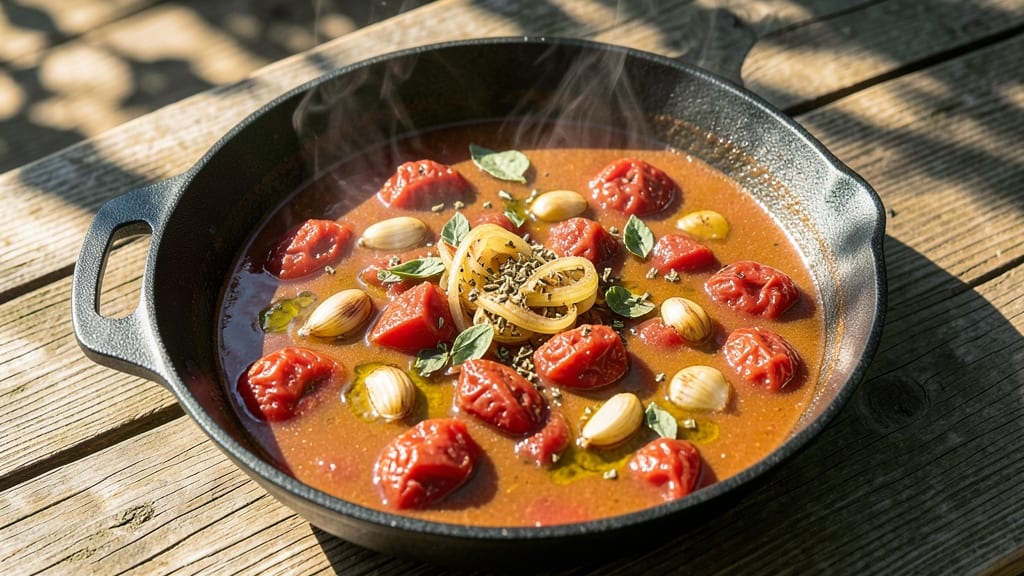
A homemade tomato soup canning recipe lets you preserve summer’s sun-ripened tomatoes in jars, turning your pantry into a flavor vault for months ahead. This homemade tomato soup canning recipe ensures vibrant, restaurant-quality taste preserved through precise water bath canning techniques.
I've perfected the balance between rich tomato flavor and smooth texture, with optional variations to suit any preference.
The secret lies in sterilizing jars and lids properly, using high-quality tomatoes, and controlling the cooking process to maintain that fresh-from-the-garden flavor. This method delivers a velvety, deeply aromatic soup that's perfect for chilly evenings or unexpected cravings.
The key steps include selecting ripe tomatoes, creating a flavorful base, and following safe canning procedures to ensure your preserved soups last for years.
What makes this recipe truly special is its versatility—whether you prefer classic tomato soup or variations with cream, herbs, or even meat. The canning process preserves the soup's integrity while allowing you to customize it to your taste.
Once sealed, these jars become your year-round source of summer comfort, ready to warm your kitchen with just a few minutes of reheating.
This foolproof method transforms simple ingredients into pantry staples that taste like they were made yesterday. With just a few hours of preparation and the right equipment, you'll have jars of homemade tomato soup that outshine anything store-bought. Let's get started on preserving that summer flavor for months to come.
Ingredients for homemade tomato soup canning
Preserving summer's bounty requires quality ingredients and precise measurements for restaurant-quality canned tomato soup.
| Ingredient | Amount | Notes |
|---|---|---|
| Fresh Vine-Ripened Tomatoes 🍅 | 12 lbs | Roma or paste variety preferred |
| Yellow Onions 🧅 | 2 whole | Medium-sized, roughly chopped |
| Garlic Cloves 🧄 | 6 cloves | Fresh, peeled, minced |
| Extra-Virgin Olive Oil 🫒 | ½ cup | High-quality, fruity variety |
| Dried Basil 🌿 | 1 tbsp | Or 2 tbsp fresh basil leaves |
| Dried Oregano 🍃 | 1 tsp | Italian or Mexican preferred |
| Diamond Crystal Kosher Salt 🧂 | 2 tsp | Adjust to taste |
| Freshly Ground Black Pepper 🌶️ | 1 tsp | Coarsely ground |
| Heavy Cream 🥛 | 1 cup | Optional for creamier texture |
| Tomato Paste 🍅 | ½ cup | High-quality, unsweetened |
| Canned Tomato Juice 💧 | 2 cups | Low-sodium preferred |
| Pint-Sized Mason Jars 🥫 | 12 whole | With lids and bands |
| Lemon Juice 🍋 | 2 tbsp | Freshly squeezed |
The foundation of exceptional canned tomato soup begins with vine-ripened tomatoes—Roma or paste varieties deliver the thickest texture and richest flavor. Source tomatoes from local farmers' markets in peak season for optimal sweetness and acidity balance. For large batches, Costco or Trader Joe's often carry pre-washed, high-quality Roma tomatoes in bulk. Avoid green or underripe tomatoes, as they yield poor results during canning. The yellow onions should be firm with no soft spots, and garlic cloves should be plump with papery skins intact. Extra-virgin olive oil from California or Italian producers adds depth, so avoid heavily processed brands. Sterilize all Mason jars in a boiling water bath for 10 minutes before filling to ensure a proper seal.
No fresh basil? Dried basil works at half the quantity, but fresh leaves impart superior aroma. Substitute dried oregano with Mexican oregano for a more authentic flavor profile. For a vegetarian option, omit the heavy cream entirely—coconut milk adds richness without dairy. Tomato paste from San Marzano tomatoes elevates the soup's depth; avoid powdered versions. If canned tomato juice isn't available, blend fresh tomatoes and strain through a fine-mesh sieve for a smoother consistency. Lemon juice acts as a natural preservative, so ensure it's freshly squeezed for optimal acidity levels. Heavy cream can be replaced with half-and-half for a lighter texture, though it may separate upon reheating.
Properly sealed jars maintain quality for 12-18 months when stored in a cool, dark pantry. Label each jar with the date and contents to track freshness. Before opening, wipe jar rims with a damp cloth to check for seals—no seal? Discard immediately. Reheat gently on the stove or microwave until steaming. For cream-based variations, add cream directly to jars before sealing to prevent curdling. Freeze extras in ice cube trays for quick use in sauces or stews. Glass jars are reusable, making this a sustainable pantry solution for years.
Why You'll Love This Recipe
- No Chopping Nightmare: I swear by this recipe because the onions and garlic just melt into sweetness with minimal effort—no fancy dice work here. Toss in whole cloves and a roughly chopped onion, then let the pot do the rest while you sip wine and pretend you’re a fancy chef.
- Sunshine in a Jar: That first spoonful of canned soup? Pure summer magic. The vine-ripened tomatoes caramelize into a depth you won’t find in store-bought, and the basil? It’s like a whisper of Italy in every bite—especially when you crack open a jar after a long winter.
- Weeknight to Potluck Hero: Make a big batch on Sunday, and you’ve got lunch for days, a cozy dinner for guests, or the perfect side for grilled cheese. Between us, I’ve served this at book club, tailgates, and even my ex’s birthday party—it’s that universally loved.
- Pantry Goldmine: Honestly, this recipe turns cheap tomatoes into liquid treasure. A single harvest yields jars that last months, and the olive oil and basil stretch thinly but beautifully. Plus, the leftovers? Even better the next day—like a secret upgrade your future self will thank you for.
Step-by-step instructions for preserving homemade tomato soup
Master the art of canning with this foolproof method for rich, flavorful tomato soup that lasts.
Prepare the Base Ingredients
Begin by blanching the 12 lbs of fresh vine-ripened tomatoes to remove skins. Drop them into boiling water for 30 seconds, then immediately transfer to an ice bath. The skins will slip right off when you peel them. Chop the peeled tomatoes into rough chunks, discarding any hard cores or seeds.
In a large stockpot, heat the 0.5 cup extra-virgin olive oil over medium heat. Add the 2 whole yellow onions and sauté for 5 minutes until softened and translucent. Stir in the 6 cloves minced garlic cloves and cook for 30 seconds until fragrant—don't let them brown. This aromatic foundation will carry through to your preserved soup.
Build the Tomato Mixture
Add the chopped tomatoes, 0.5 cup tomato paste, and 2 cups canned tomato juice to the pot. Stir in the 1 tbsp dried basil, 1 tsp dried oregano, 2 tsp diamond crystal kosher salt, and 1 tsp freshly ground black pepper. Bring the mixture to a boil, then reduce heat to medium-low and simmer uncovered for 45 minutes, stirring occasionally. This allows flavors to meld and the mixture to thicken slightly.
Here's the thing—this simmering step is crucial. You want the mixture to develop depth, not reduce too much. The texture should be smooth but still pourable, with a rich tomato aroma filling your kitchen. If it gets too thick, add a splash of water to reach your desired consistency.
Finish and Prepare for Canning
Remove the pot from heat and stir in the 2 tbsp lemon juice. This brightens the flavor and helps preserve the vibrant color of your tomato soup. Let the mixture cool to room temperature—this is critical for safe canning. The soup should be between 70-80°F before proceeding.
While the soup cools, prepare your 12 pint-sized mason jars by running them through a hot water bath for 10 minutes. This sterilizes them and prevents contamination. Keep the lids and bands nearby but don't sterilize them until just before filling.
Fill Jars and Process for Preservation
Ladle the cooled tomato soup into the sterilized pint-sized mason jars, leaving 1-inch headspace at the top. Use a funnel if needed to keep things clean. Wipe the jar rims with a clean, damp cloth to remove any residue that could prevent proper sealing.
Place the lids on the jars and screw on the bands until fingertip-tight. Don't overtighten—this can cause the jars to fail. Then, process the jars in a boiling water bath for 75 minutes. This heat treatment kills bacteria and creates a vacuum seal that preserves your soup for months.
Cool, Store, and Enjoy
Remove the jars from the water bath and let them cool undisturbed for 12 hours. You'll hear the satisfying "ping" as the lids seal. Check each jar to ensure the lids have sealed properly—the center should not flex when pressed.
Once fully cooled, store your preserved tomato soup in a cool, dark place. The sealed jars will keep for up to 12 months, allowing you to enjoy summer's bounty all year. When ready to use, simply open a jar and heat gently on the stovetop. For creamier texture, stir in the 1 cup heavy cream just before serving.
Pro Tips For Making Homemade Tomato Soup Canning
- Blister Onions First: Get those onions sweeter and deeper—sear them in olive oil until they’re dark golden and slightly charred before adding tomatoes. I used to rush this, and the soup tasted flat; now it’s rich and caramelized from the start.
- Core Tomatoes Properly: Cut a shallow X on the bottom of each tomato, then drop them into boiling water for 30 seconds to loosen the skins. Skip this, and you’ll spend 20 minutes peeling stubborn flesh—trust me, it’s not worth it.
- Simmer, Don’t Boil: Keep the soup at a gentle bubble (tiny, occasional rises) while canning—boiling makes the jars too hot and risks warping lids. I learned this after three failed batches where the seals wouldn’t hold.
- Toast the Basil: Lightly fry dried basil in olive oil for 10 seconds before adding it to the soup—this wakes up its flavor without bitterness. Sounds odd, but it makes the difference between "meh" and "wow" in canned soup.
Best sauces and condiments for this dish
Classic Tomato Soup Pairings
Start with a grilled cheese sandwich made with sourdough bread and sharp cheddar—the crispy, buttery texture contrasts perfectly with the smooth, velvety soup. I like toasting the bread in butter from Plugrá until golden brown.
For a lighter option, try baguette slices with provolone cheese and a touch of garlic butter. The acidity in the soup cuts through the richness beautifully. 🧀
Creamy Variations
For a richer texture, stir in 1 cup heavy cream (or ½ cup half-and-half) when reheating. I recommend Whole Foods Organic Heavy Cream for its smooth consistency. If you prefer a dairy-free option, substitute with unsweetened coconut milk—just add it at the end to prevent curdling.
For a tangy twist, mix in 1 tablespoon Dijon mustard or a splash of balsamic vinegar.
Herb and Spice Boosts
Fresh herbs elevate canned tomato soup dramatically. Add 2 tablespoons chopped fresh basil or 1 teaspoon red pepper flakes just before serving. For a smoky flavor, sprinkle with ½ teaspoon smoked paprika or a pinch of crumbled feta cheese.
I also love a drizzle of high-quality olive oil and a sprinkle of freshly cracked black pepper right before eating. 🌿
Bread and Dipping Ideas
Thick-cut crusty bread or garlic breadsticks make perfect dippers. For extra flair, try toasted baguette slices with herb butter or pita chips sprinkled with everything bagel seasoning. If you're serving at a gathering, offer a bread basket with a mix of sourdough, ciabatta, and baguette for variety.
The key is to choose bread with a sturdy crust that can hold up to the soup's richness.
Toppings for Extra Flavor
Garnish with grated Parmesan cheese, crumbled blue cheese, or toasted pine nuts for added texture. A sprinkle of fresh parsley or cilantro adds brightness, while crispy fried shallots bring a delightful crunch.
For a protein boost, top with crumbled bacon or shredded rotisserie chicken. These toppings transform simple canned soup into a restaurant-worthy meal. 🍽️
Nutrition facts
Frequently asked questions
Why is lemon juice essential in canned tomato soup?
Lemon juice acts as a natural preservative by increasing acidity to pH 4.6 or lower, which is critical for safe canning. This prevents harmful bacteria growth while brightening the tomato flavor. Always use freshly squeezed lemon juice—bottled versions may lack sufficient acidity.
Can I use frozen tomatoes instead of fresh?
Yes, but with adjustments. Thaw frozen tomatoes completely first, then drain excess liquid (it contains water, not tomato juice). Add 1 extra tablespoon lemon juice per quart to compensate for lower natural acidity. Frozen tomatoes work well for texture but may dilute flavor slightly compared to fresh.
What if my jars don't seal during processing?
If a jar fails to seal (lid pops up when pressed), refrigerate the soup and use it within 7 days. Common causes include: not enough headspace, dirty jar rims, or insufficient processing time. Always check seals immediately after cooling—never store unsealed jars long-term.
How do I adjust this recipe for low-acid tomatoes?
For low-acid varieties (like beefsteak), add ½ teaspoon bottled lemon juice per pint during processing. Alternatively, use 1 tablespoon vinegar per quart of soup. Always test acidity with a pH meter if unsure—safety first! For best results, stick with paste tomatoes which naturally have higher acidity.
Can I add cream to jars before canning?
No—adding dairy before canning risks spoilage due to bacterial growth. Instead, stir in heavy cream or coconut milk when reheating. For cream-based variations, process the tomato base first, then add cream to individual jars just before sealing. This maintains both safety and texture.