
Soups & Stews
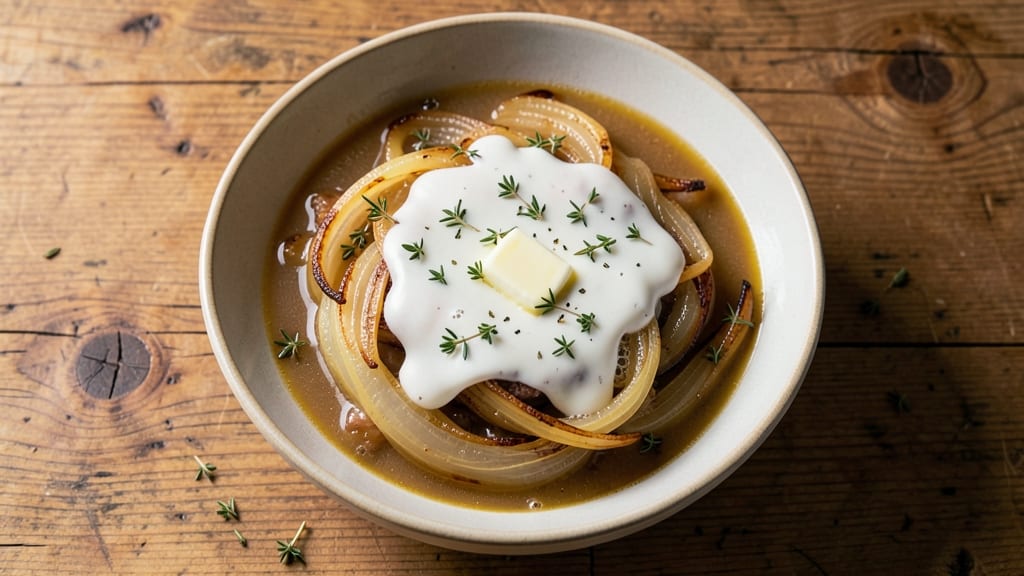
This Ina Garten's onion soup recipe transforms simple ingredients into a dish that feels like a warm hug on a chilly evening. The secret lies in slow-cooking onions until they're caramelized to perfection, creating a rich, sweet base that forms the heart of this classic.
I've perfected her method over years, ensuring the broth is deeply flavorful while the bread topping achieves that signature crispy edge that melts into gooey cheese.
What sets this recipe apart is the balance of textures—tender onions, velvety broth, and a golden crust that's both crisp and chewy. Ina's approach emphasizes patience, particularly in the caramelization stage where onions develop complex sweetness.
The cheese topping isn't just melted; it's transformed into a bubbly, golden blanket that makes every spoonful irresistible.
By following this method, you'll achieve restaurant-quality onion soup with a crispy bread crust that holds its shape until the first bite. The aroma alone will have everyone gathering around the table, while the first sip delivers that perfect harmony of sweet, savory, and umami flavors.
This is comfort food at its finest—simple ingredients elevated through technique.
The beauty of this recipe is its versatility—serve it as a starter for dinner parties or a hearty main course with a side salad. The leftovers reheat beautifully, making it perfect for meal prep. Here's how to create Ina Garten's signature onion soup in your own kitchen, step by step.
Ingredients for ina garten onion soup
Simple ingredients elevated through slow caramelization and crispy cheese magic.
| Ingredient | Amount | Notes |
|---|---|---|
| Yellow Onions 🧅 | 4 large | Peeled, sliced into thin half-moons |
| Unsalted Butter 🧈 | ½ cup | Cold, cubed for even melting |
| All-Purpose Flour 🌾 | 2 tbsp | For thickening broth |
| Beef Broth 🥫 | 4 cups | Low-sodium preferred for balance |
| Dry White Wine 🍷 | ½ cup | Sauvignon Blanc or Pinot Grigio |
| Fresh Thyme 🌿 | 2 sprigs | Stems removed for flavor |
| Garlic Cloves 🧄 | 4 cloves | Minced for aromatic base |
| Salt 🧂 | 1 ½ tsp | Adjust to taste during cooking |
| Black Pepper 🌶️ | ½ tsp | Freshly ground for brightness |
| Baguette 🍞 | 1 whole | Crusts removed, sliced into 1/2-inch pieces |
| Gruyère Cheese 🧀 | 1 cup | Freshly grated for melty texture |
| Extra-Virgin Olive Oil 🫒 | 2 tbsp | For brushing bread topping |
| Parmesan Cheese 🧀 | ¼ cup | Freshly grated for depth |
| Fresh Chives 🌱 | 2 tbsp | Chopped for garnish |
The onions are the soul of this dish—four large yellow onions work best for their natural sweetness. Look for firm, dry onions with crisp outer skins at Whole Foods or local farmers markets for optimal quality. Avoid onions with soft spots or sprouting tops, as they won't caramelize properly. If you're short on time, pre-sliced onions from the grocery store's produce section work fine, but they lack the freshness of whole onions. For the broth, low-sodium beef broth is essential—it gives you control over the final seasoning without overwhelming the delicate onion flavors.
No white wine? Substitute extra beef broth or dry vermouth for a similar depth of flavor. Fresh thyme can be swapped for dried thyme at one-third the amount, but the fresh herb adds a brightness that dried can't match. If you're using pre-minced garlic, toast it in the butter first to deepen its flavor. For the cheese topping, Gruyère is non-negotiable—it melts beautifully and has a nutty richness that pairs perfectly with the caramelized onions. If you can't find Gruyère, Comté or Emmental work as substitutes, though the texture will differ slightly. The bread should be stale or lightly toasted before baking to ensure that crispy crust Ina Garten is known for.
This soup tastes even better the next day as the flavors meld further. Store the unbaked version in an airtight container in the fridge for up to 3 days—the caramelized onions will keep their sweetness. For the baked topping, assemble the soup 1 hour before baking to let the bread absorb the broth's flavors. The baked soup keeps well for 2 days in the fridge, though the bread topping loses its crispness after the first day. For longer storage, freeze the unbaked soup for up to 3 months—just bake the bread topping fresh when reheating.
Why You'll Love This Recipe
- I swear by this trick: just slice those onions into even half-moons—no fancy dicing, no tears. The butter melts them into caramelized gold in one pot, and honestly? The flour and wine make the whole process feel like a spa day for your hands.
- Here’s what sold me: the next day, the flavors only deepen. Reheat with a splash of water, top with extra grated cheese, and suddenly you’ve got a 10-minute lunch that tastes like you slaved over it. Budget-friendly? Absolutely. Lazy-friendly? Even more so.
Step-by-step instructions for Ina Garten's onion soup
Here's how to create Ina Garten's signature onion soup with that perfect crispy bread topping.
Cook the Onions Until Deeply Caramelized
Melt the 0.5 cup unsalted butter in a large Dutch oven over medium-low heat. Add the 4 large yellow onions (sliced into thin half-moons) and cook, stirring occasionally, for 45-50 minutes. The onions should soften and then turn golden brown, eventually developing deep caramelization and releasing their natural sugars. This slow cooking process is crucial—don't rush it.
After 30 minutes, add the 2 sprigs fresh thyme and 4 cloves garlic cloves (minced) to the pot. Stir to combine, allowing the garlic and thyme to infuse their flavors into the onions. The mixture should smell rich and aromatic, with a sweet, almost jam-like consistency by the end. If the onions begin to stick, add 1-2 tablespoons of beef broth to deglaze and maintain even cooking.
Build the Rich Broth Base
Once the onions are deeply caramelized, sprinkle the 2 tablespoons all-purpose flour over the mixture and stir well to coat the onions evenly. Cook for 2-3 minutes until the flour absorbs into the onions and forms a light roux. This step helps thicken the soup slightly and adds body.
Pour in the 0.5 cup dry white wine and stir, scraping up any browned bits from the bottom of the pot. Let the wine simmer for 2-3 minutes until it reduces by half and the alcohol cooks off. Then, gradually add the 4 cups beef broth, stirring constantly to combine. Bring the mixture to a gentle simmer and let it cook uncovered for 15-20 minutes, allowing the flavors to meld and the soup to develop depth. Season with 1.5 teaspoons salt and 0.5 teaspoon black pepper, adjusting to taste as you go.
Prepare the Crispy Baguette Topping
While the soup simmers, remove the crusts from the 1 whole baguette and slice it into ½-inch thick pieces. Brush both sides of each slice generously with the 2 tablespoons extra-virgin olive oil and arrange them in a single layer on a baking sheet. Toast the bread in a 400°F oven for 8-10 minutes, flipping halfway through, until the slices are golden brown and crispy on both sides. The oil ensures a crispy texture, while the toasting enhances the bread's natural flavor.
Remove the bread from the oven and immediately sprinkle each slice with a mixture of 1 cup gruyère cheese and 0.25 cup parmesan cheese. The cheese should melt slightly from the residual heat, creating a delicious, gooey topping. Return the bread to the oven for 1-2 minutes to melt the cheese further, then transfer the slices to a wire rack to keep them crispy.
Assemble and Serve
Ladle the warm onion soup into deep bowls, ensuring each serving is generously filled. Place 2-3 slices of the crispy, cheese-topped baguette on top of each bowl, arranging them slightly overlapping for a rustic presentation. The contrast between the warm, rich soup and the crispy, melty bread is what makes this dish truly special.
Garnish each serving with 2 tablespoons chopped fresh chives just before serving. The chives add a bright, fresh finish that cuts through the richness of the soup and cheese. Serve immediately while the bread is still crispy and the soup is piping hot. The combination of caramelized onions, savory broth, and golden, cheesy bread creates a comforting, restaurant-quality experience at home.
Pro Tips For Making Ina Garten Onion Soup
- Sweat, Don’t Burn: I used to rush the onions and end up with bitter, charred bits—no matter how much wine you add, that flavor won’t disappear. Cook them low and slow over medium heat, stirring occasionally, until they’re soft and golden. If they start sticking, add a splash of water and keep going. Patience here makes the whole dish sing.
- Use Cold Butter: Cold butter in the roux? Yes, even if it sounds counterintuitive. Cutting chilled butter into the flour first creates tiny pockets that cook into a richer, silkier sauce. Skip the melted butter shortcut—your soup will taste noticeably smoother, and you’ll avoid that greasy film on top.
- Deglaze with Wine Early: Don’t wait until the roux is done to add the white wine—pour it in right after the onions soften. The alcohol will lift the caramelized bits off the pan, giving your broth a deeper, more complex flavor. Let it reduce by half before adding the broth, or you’ll dilute the soup’s richness.
- Simmer, Don’t Boil: After adding the broth, keep the heat at a gentle simmer, not a rolling boil. High heat turns the soup watery and dulls the onion flavor. A steady, low simmer (small bubbles, occasional swirls) lets the flavors meld without breaking down the texture. Trust me, your future self will notice the difference.
Pro cooking tips for great ina garten onion soup
Caramelization Mastery
Ina Garten's secret weapon is patient caramelization—this isn't just cooking onions, it's transforming them into sweet, jam-like perfection. Use medium-low heat and stir occasionally with a wooden spoon to distribute the butter evenly.
The key is 45-50 minutes of undivided attention; don't rush this step or you'll miss that deep, complex sweetness. I've found that yellow onions work best for their natural sugar content, but if you're in a hurry, red onions add a subtle sweetness too. 🌡️
Watch for the onions to turn from translucent to golden brown, then eventually develop a deep amber color—this is when their natural sugars caramelize. If they stick, immediately add 1-2 tablespoons beef broth to deglaze.
The goal is even cooking without burning. I recommend using a large Dutch oven (like Le Creuset) for even heat distribution and easy stirring.
Wine Reduction Technique
The white wine isn't just for flavor—it's a flavor amplifier. After adding the 0.5 cup dry white wine, let it simmer until reduced by half (about 2-3 minutes). This concentrates the flavors and removes the alcohol's sharpness.
I prefer Sauvignon Blanc for its crisp acidity, but Pinot Grigio works beautifully too. Always deglaze the pot by scraping up those browned bits—they're packed with flavor! 🍷
Never skip this step! The wine reduction adds brightness that balances the richness of the caramelized onions. If you're avoiding alcohol, substitute with extra beef broth or dry vermouth—just remember vermouth has a distinct herbal note that changes the flavor profile.
Bread Crispiness Secrets
The bread topping is where Ina Garten's magic really shines. The trick is double-toasting: first toast the bread slices until golden brown, then add the cheese and give them a final 1-2 minute broil to create that signature crispy exterior.
Use extra-virgin olive oil generously—about 2 tablespoons total—to ensure maximum crispiness. I like to brush both sides before the first toast. 🍞
For extra crunch, toast the bread slices on a wire rack in a 400°F oven rather than a baking sheet. This allows air to circulate underneath, preventing sogginess.
The cheese mixture should be Gruyère and Parmesan—Gruyère melts beautifully while Parmesan adds depth. Sprinkle it immediately after toasting while the bread is still warm.
Broth Seasoning Balance
The broth needs gentle seasoning—start with 1.5 teaspoons salt and 0.5 teaspoon black pepper, then taste as you go. Remember, the caramelized onions are already sweet and rich, so you don't want to overpower them.
I always use low-sodium beef broth to control the final seasoning. Let the soup simmer uncovered for 15-20 minutes to develop depth—this is when the flavors truly meld together. 🥫
If your broth tastes flat after simmering, try adding a pinch of sugar (about 1 teaspoon) to enhance the caramelized onion flavors. The wine reduction should have already added acidity, but if it needs brightness, a squeeze of lemon juice at the end works wonders.
Nutrition facts
Frequently asked questions
Can I make this onion soup without wine?
Replace the 0.5 cup dry white wine with 0.5 cup extra beef broth or dry vermouth (though vermouth has a distinct herbal flavor). The key is maintaining the 2-3 minute reduction to concentrate flavors—just use the same amount of liquid. The soup will still develop depth without alcohol.
How do I prevent the bread topping from getting soggy?
Toast the bread slices thoroughly first on a wire rack (not a baking sheet) for 8-10 minutes at 400°F. The rack allows air circulation underneath, keeping the bread crisp. After adding cheese, broil for just 1-2 minutes—any longer risks softening. Assemble the soup immediately before serving to maintain that perfect crunch.
What's the best way to reheat leftovers?
Reheat the soup (without the bread topping) in a saucepan over medium-low heat until warm. For the bread, toast fresh slices and top with cheese in the oven for 3-4 minutes at 375°F to restore crispiness. Never microwave the bread—it turns rubbery. The soup reheats beautifully, but the bread topping is best made fresh.
Can I use a different type of cheese for the topping?
Gruyère is ideal for its melting quality, but you can substitute with Comté, Emmental, or even Swiss cheese for a similar texture. Avoid pre-shredded cheeses—they contain anti-caking agents that prevent proper melting. For extra richness, mix ½ Gruyère and ½ sharp cheddar. The key is using freshly grated cheese for the best melt and flavor.
Why did my onions burn before caramelizing?
This happens when cooking at too high heat or stirring too frequently. Use medium-low heat and stir only every 5-10 minutes to let the onions develop color evenly. If they stick, immediately add 1-2 tablespoons beef broth to deglaze. A large Dutch oven helps distribute heat better. Patience is key—rushing this step ruins the sweet, jam-like texture.