
Soups & Stews
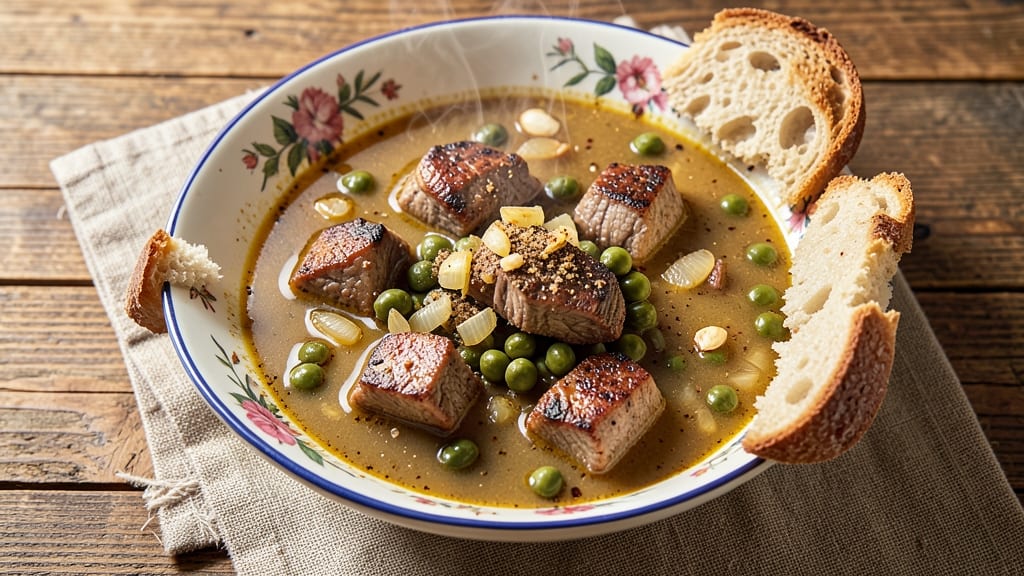
This Iranian soup recipe brings the comforting warmth of Persian home cooking to your table with its rich blend of lamb, lentils, and aromatic spices. The secret lies in slow-simmering the broth to develop deep, layered flavors that transform simple ingredients into something extraordinary.
I first tasted this dish in an Iranian home where the aroma alone filled the kitchen, and it’s become a staple in my own cooking repertoire.
The beauty of this recipe is its balance—tender lamb and hearty lentils create a satisfying texture, while warm spices like cinnamon, cardamom, and turmeric add complexity without overpowering. Unlike many Western soups, this one builds flavor gradually through slow cooking, ensuring every spoonful is packed with depth.
The result is a nourishing, restaurant-quality meal that’s surprisingly simple to prepare at home.
What makes this dish truly special is its versatility—it’s hearty enough for a cold evening but light enough for a summer supper if you adjust the broth. The lentils add protein and fiber, while the lamb provides richness, making it a complete meal in one bowl.
Serve with fresh herbs like parsley or cilantro on top for brightness, and you’ve got a dish that’s as beautiful as it is delicious.
Whether you’re cooking for family or hosting guests, this soup delivers both comfort and sophistication. The instructions are straightforward, but the technique—especially the broth reduction—is where the magic happens. Let’s get started on creating something that tastes like a taste of Iran in every spoonful.
Ingredients for iranian soup
Sixteen ingredients for a bowl of soul-warming Persian comfort. Nothing exotic—just good stuff you can find at any grocery store.
| Ingredient | Amount | Notes |
|---|---|---|
| Lamb Shoulder 🐑 | 2 lb | Bone-in for flavor, cut into 1-inch cubes |
| Green Lentils 🌾 | 1 ½ cups | Dry, rinsed well before cooking |
| Yellow Onion 🧅 | 1 whole | Medium size, finely chopped |
| Garlic Cloves 🧄 | 6 cloves | Peeled, slightly crushed |
| Ground Cumin 🌿 | 1 tbsp | Toasted for deeper aroma |
| Ground Coriander 🌿 | 1 tbsp | Freshly ground preferred |
| Ground Turmeric 🌶️ | 1 tsp | Bright yellow color |
| Ground Cinnamon 🌿 | ½ tsp | Ceylon preferred for delicate flavor |
| Cardamom Pods 🌿 | 6 whole | Lightly crushed, seeds exposed |
| Fresh Parsley 🌿 | ¼ cup | Chopped, for garnish |
| Fresh Cilantro 🌿 | ¼ cup | Chopped, for garnish |
| Tomato Paste 🍅 | 2 tbsp | Smooth, not chunky |
| Chicken Broth 💧 | 6 cups | Low-sodium preferred |
| Extra-Virgin Olive Oil 🫒 | ¼ cup | For searing lamb |
| Salt 🧂 | 1 ½ tsp | Kosher or sea salt |
| Black Pepper 🌶️ | ½ tsp | Freshly cracked |
| Lemon Juice 🍋 | 1 tbsp | Freshly squeezed |
The lamb is your flavor anchor here. Shoulder gives you that melt-in-your-mouth texture after hours of simmering—leg or shank works too, but shoulder is easiest to find. I always grab mine from the butcher counter if possible, but the pre-cut packages at Kroger or Safeway work fine. Look for good marbling—those little white fat streaks mean more flavor. The lentils? Green lentils hold their shape best, but brown or French green work too. Just don't use red lentils—they turn mushy. Toast your spices in a dry pan for 30 seconds before adding to the pot (the cumin especially needs this).
No lamb? Beef chuck works perfectly—same texture, similar flavor. Short on cardamom? Skip it entirely or use half the amount of cinnamon instead. The tomato paste can be swapped for 1 cup crushed tomatoes if you prefer, but paste gives you that concentrated depth. Fresh herbs? Dried parsley or cilantro at one-third the amount gets you close. The broth is non-negotiable though—homemade is ideal, but even the good store-bought stuff works. Just make sure it's low-sodium so you can control the seasoning. For extra richness, add 1/2 cup yogurt at the end—trust me, it balances everything perfectly.
This soup tastes even better the next day (the flavors meld like magic). Keeps for 4-5 days in the fridge, freezes for 3 months. I always make extra—double the recipe if you can—and portion it into containers for easy lunches. The herbs? Add them fresh right before serving so they stay vibrant. If you're making this ahead, store them separately and stir in just before eating. The lamb gets more tender with time, so don't rush the simmering—at least 2 hours is ideal.
Why You'll Love This Recipe
- One-Pot Wonder: I swear by this recipe when I’m too tired to scrub pots. The lamb and lentils simmer together—no separate pans, no fuss—while the onions caramelize right in the broth. Honestly, it’s the kind of meal that makes me forget I’m cooking at all.
- Deep, Warm Spice: That ground cumin? It’s the secret weapon here. The lamb gets tender and infused with earthy warmth, while the lentils soak up the flavor like a sponge. Between us, the first bite hits like a cozy hug on a cold day—no exaggeration.
- Leftovers That Beg for More: This soup actually improves the next day. The flavors meld overnight, and the lamb stays juicy, not dry. I make a double batch on Sundays because my kids (and my wallet) thank me for it—cheaper than takeout, but way better.
- Weeknight Crowd-Pleaser: No one at the table ever pushes their bowl away. It’s hearty enough for meat lovers but filling for vegetarians too, thanks to those lentils. Plus, the prep takes less time than ordering pizza—(yes, even on a Tuesday night).
Step-by-step instructions for herby lentil and lamb stew
This aromatic Iranian stew builds flavor layer by layer—start with the lamb, then let the spices bloom.
Sear the Lamb Shoulder for Deep Flavor
Heat the 0.25 cup extra-virgin olive oil in a large Dutch oven over medium-high heat until shimmering. Add the 2 lb lamb shoulder cut into 1-inch cubes, working in batches to avoid crowding. Sear each piece for 2-3 minutes per side until deeply browned and caramelized—this builds the foundation for rich flavor.
As you sear, you'll notice the lamb releases juices and fat into the pot. Don't drain these—they'll create a delicious browned crust called fond that dissolves into the broth later. Once all pieces are browned, transfer them to a plate and set aside temporarily.
Build the Spice Base with Onion and Aromatics
In the same Dutch oven, add the 1 whole yellow onion chopped into small pieces and cook for 5-6 minutes until softened and beginning to caramelize. Add the 6 cloves garlic cloves that have been slightly crushed, along with the 1 tbsp ground cumin, 1 tbsp ground coriander, 1 tsp ground turmeric, 0.5 tsp ground cinnamon, and 6 whole cardamom pods that have been lightly crushed. Stir constantly for 1-2 minutes until the spices release their aromatic oils—this is when your kitchen will smell like a Persian spice market.
Here's the thing—don't rush this step. The spices need time to bloom and develop their full flavor. You'll see the mixture darken slightly and smell deeply earthy and citrusy. This is the moment that matters: proper spice blooming creates that signature warm depth in Iranian cooking.
Add Lentils and Tomato Paste for Body
Stir in the 1.5 cups green lentils (previously rinsed) and 2 tbsp tomato paste, coating everything evenly. Pour in the 6 cups chicken broth, scraping up any browned bits from the bottom of the pot. Return the seared lamb to the pot, along with 1.5 tsp salt and 0.5 tsp black pepper. Bring everything to a gentle boil, then reduce heat to low and cover partially, leaving a small gap for steam to escape.
This partial covering prevents the liquid from evaporating too quickly while still allowing some steam to escape—this creates better texture in the lentils. Let it simmer for 45 minutes, stirring occasionally, until the lamb is tender when pierced with a fork and the lentils are just beginning to soften but still hold their shape.
Finish with Herbs and Brighten with Lemon
After 45 minutes, stir in the 1 tbsp lemon juice—this brightens the rich, spiced flavors and cuts through any heaviness. Cook uncovered for another 15-20 minutes until the lamb is fork-tender and the lentils are fully tender but still hold their shape. Taste and adjust seasoning with additional salt if needed.
Remove from heat and let the stew rest for 10 minutes before serving. This resting period allows all the flavors to meld together and the lamb to reabsorb any juices that might have been released during cooking. Stir in the 0.25 cup fresh parsley and 0.25 cup fresh cilantro just before serving to add freshness and vibrant color.
Pro Tips For Making Iranian Soup
- BROWN THE LAMB FIRST: Skip the slow start—sear the lamb shoulder in batches over high heat until deep golden. I learned this the hard way: rushing the browning makes the soup taste flat. Two tablespoons of oil, 5 minutes per side, and don’t crowd the pan.
- SOAK THE LENTILS 30 MINUTES: Dump those green lentils in cold water for half an hour before cooking. They’ll soften faster and hold their shape better—no more mushy soup. (Yes, even if you’re impatient like me.)
- LOW AND SLOW FOR LAMB: After browning, reduce heat to a simmer and cover the pot. The lamb needs 2-3 hours to fall apart tenderly—any faster, and it’ll dry out. I used to check it constantly; now I set a timer and walk away.
- TOAST THE CUMIN DRY: Bloom the ground cumin in oil for 30 seconds until fragrant before adding liquids. This wakes up its flavor and stops it from turning bitter. (Your future self will notice the difference.)
Storing and reheating your iranian soup
Refrigerator Storage
Let your Iranian lamb stew cool to room temperature (about 30-45 minutes) before transferring to airtight containers. I use glass Pyrex bowls with snap-on lids—they're microwave-safe and preserve flavors better than plastic.
Store at 40°F or below for up to 5 days, though I've found the flavors actually deepen after 24 hours as the spices meld. Always leave 1-inch headspace to prevent spillage during reheating. 🌡️
Freezer Storage
For longer storage, freeze in quart-sized freezer bags (lay flat to save space). Portion into 2-cup servings for easy reheating later. Seal tightly, removing all air to prevent freezer burn.
This stew keeps its quality for up to 3 months—the lamb remains tender and the lentils hold their texture surprisingly well. Label with the date and "Iranian Lamb Stew" so you remember what's inside. ❄️
Reheating on Stovetop
My preferred method is stovetop reheating for even heat distribution. Place the stew in a pot and add ¼ cup water or broth to prevent drying. Heat over medium-low heat for 10-15 minutes, stirring occasionally.
The low heat prevents the lamb from toughening. Taste and adjust seasoning—stews often need a pinch of salt after reheating. For extra richness, stir in 1 tbsp yogurt at the end. 🔥
Microwave Method
For quick reheating, transfer to a microwave-safe bowl and cover loosely with a microwave-safe lid. Heat on 70% power for 3-4 minutes, stirring halfway. The lower power prevents hot spots. If the stew looks thick, add 1-2 tbsp water or broth to restore consistency.
The lamb will be just as tender as stovetop reheated, though the herbs may lose some vibrancy. 💡
Reviving Texture
If your reheated stew seems dry, don't panic. Simply add 2-3 tbsp warm water or broth and let it simmer for 2-3 minutes to restore moisture. The lentils will plump up again, and the lamb will reabsorb the liquid.
For extra freshness, stir in 1 tbsp chopped fresh parsley right before serving—it adds bright color and a burst of flavor that makes the dish feel new again. ✨
Serving Leftovers
Iranian stew makes an excellent next-day meal, especially when served with warm flatbread or steamed basmati rice. Garnish with extra herbs and a drizzle of lemon juice to refresh the flavors. I often serve leftovers with a simple cucumber salad to balance the richness.
The stew's complex spices make it feel special even when reheated, proving that good food tastes better the second time around. 💛
Nutrition facts
Frequently asked questions
Can I make this Iranian stew vegetarian?
Replace the lamb with 1.5 lbs extra-firm tofu or 1.5 cups chickpeas for protein. Use vegetable broth instead of chicken broth and add 1 tbsp soy sauce or 1 tsp smoked paprika to deepen the flavor. The lentils will still provide plenty of heartiness, and the spices will shine just as beautifully.
How do I adjust the spice level for sensitive palates?
Start by reducing the cinnamon and cardamom to ¼ tsp each—these are the warmest spices. Skip the black pepper entirely if needed, and use ½ tsp turmeric instead for color without heat. For extra mildness, add a pinch of sugar to balance any lingering spice. The lemon juice at the end also helps brighten flavors and cut through any sharpness.
Why does my Iranian stew taste bland after cooking?
This usually happens when spices aren't toasted properly or the broth lacks depth. Always toast whole spices in a dry pan for 30 seconds before adding to release their oils. For richer flavor, use homemade broth (simmer lamb bones with onion, garlic, and parsley for 2 hours) or add 1 tbsp tomato paste at the end. Taste before serving—you may need an extra pinch of salt or a squeeze of lemon to brighten it up.
What's the best way to serve this Persian stew?
Traditionally, it's served with warm flatbread (like lavash) or steamed basmati rice to soak up the flavorful broth. Garnish with extra herbs and a drizzle of lemon juice right before eating. For a complete meal, pair with a simple cucumber-yogurt salad or pickled red onions to cut through the richness. The contrast of textures makes every bite more satisfying.
Can I make this soup in a slow cooker?
Yes! Sear the lamb as directed, then transfer everything to your slow cooker. Cook on low for 6-7 hours or high for 3-4 hours, stirring occasionally. The slow cooker's gentle heat will keep the lamb tender and the lentils intact. Add the lemon juice and herbs in the last 30 minutes of cooking to preserve their freshness. The flavors will meld beautifully over time.