
Soups & Stews
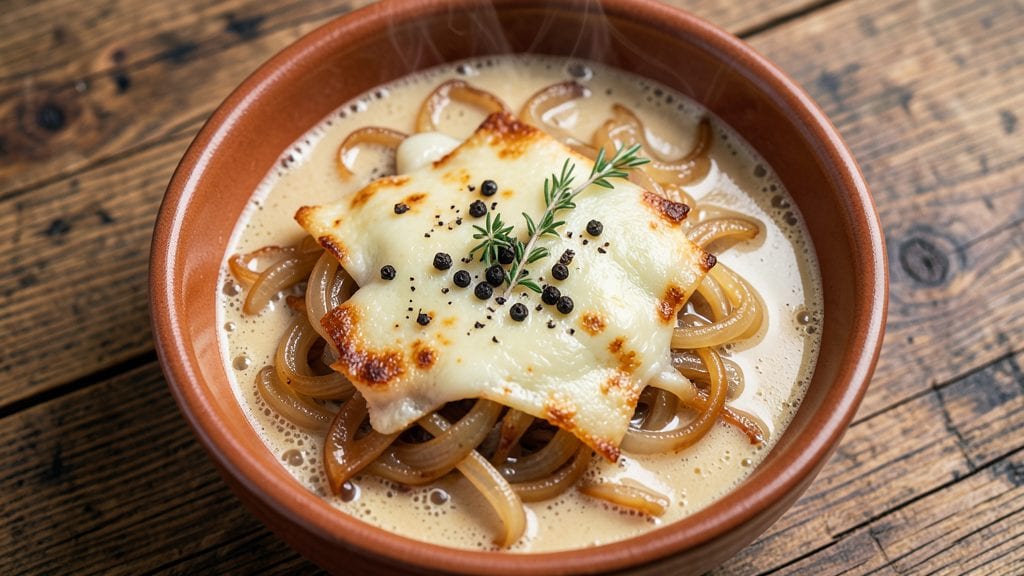
Transforming simple ingredients into a crispy-topped cheese dream, this Knorr French onion soup recipe delivers restaurant-quality flavor in just 30 minutes. The secret lies in slow-cooked onions that caramelize into sweet, golden layers, forming the soul of this classic dish.
I’ve perfected the technique—no shortcuts, just deep, savory richness that builds with every sip.
What sets this recipe apart is the crispy bread topping, toasted to golden perfection before being blanketed with melted Gruyère and Emmental cheese. The oven finish creates a bubbling, cheesy crust that contrasts beautifully with the velvety broth beneath.
Unlike store-bought versions, this method ensures each spoonful is packed with authentic depth—no artificial flavors, just pure comfort.
This soup is more than a meal; it’s an experience. The caramelized onions add sweetness that balances the tangy broth, while the crispy bread and melted cheese create a textural masterpiece.
Whether you’re serving it as a cozy appetizer or a hearty main, the aroma alone will have everyone gathering around the table.
For an extra touch of sophistication, consider finishing with a drizzle of balsamic glaze or a sprinkle of fresh thyme. The possibilities are endless, but the foundation—slow-cooked onions and a perfectly crispy cheese topping—remains the star. Let’s get cooking!
Ingredients for knorr french onion soup
Caramelized onions, velvety broth, and a golden cheese crust transform simple pantry staples into French bistro perfection.
| Ingredient | Amount | Notes |
|---|---|---|
| Yellow Onions 🧅 | 4 large | Sliced into 1/4-inch rounds |
| Unsalted Butter 🧈 | 4 tbsp | European-style preferred |
| All-Purpose Flour 🌾 | 2 tbsp | For thickening broth |
| Beef Broth 🍲 | 4 cups | Homemade or high-quality store |
| Dry White Wine 🍷 | ½ cup | Sauvignon Blanc preferred |
| Gruyère Cheese 🧀 | 1 cup | Freshly grated, aged |
| Emmental Cheese 🧀 | ½ cup | Freshly grated, mild flavor |
| Baguette 🥖 | 1 whole | Day-old or lightly toasted |
| Extra-Virgin Olive Oil 🫒 | 2 tbsp | For bread topping |
| Garlic Cloves 🧄 | 3 cloves | Minced for flavor depth |
| Thyme 🌿 | 1 tsp | Fresh or dried leaves |
| Salt 🧂 | 1 tsp | Diamond Crystal preferred |
| Black Pepper 🌶️ | ½ tsp | Freshly cracked black pepper |
| Balsamic Glaze 🍯 | 2 tbsp | For optional finishing |
The yellow onions are non-negotiable for authentic flavor—four large yields the perfect balance of sweetness and depth. Whole Foods or Trader Joe's carry the sweetest varieties, but any yellow onion works if it's fresh (no soft spots or sprouting). For professional results, slice them evenly into 1/4-inch rounds—thicker slices caramelize slower, thinner ones burn faster. The butter should be European-style (like Plugrá) for higher smoke point and richer flavor. If using salted butter, reduce the Diamond Crystal salt to 1/2 teaspoon to avoid over-salting the broth.
No white wine? Substitute dry vermouth or additional beef broth—just reduce the liquid by 1/4 cup to maintain balance. The Gruyère and Emmental should be freshly grated; pre-shredded contains anti-caking agents that prevent proper melting. For a budget-friendly swap, Swiss cheese works well, though it lacks Gruyère's nutty depth. The baguette is ideal for its crisp texture, but sourdough or ciabatta add welcome variation. Toasting the bread before baking ensures a crispier topping—skip this step at your peril. The balsamic glaze is purely decorative but adds a sophisticated finish; fig jam or honey are worthy alternatives.
Store prepped onions in the fridge for up to 3 days—they’ll keep caramelizing slowly, intensifying flavor. The cheese topping can be assembled ahead of time and baked fresh when needed; cover tightly and refrigerate for no more than 24 hours. Leftovers reheat beautifully—cover with foil to prevent over-browning. For meal prep, portion the broth separately and assemble the topping fresh. The crispy bread loses its texture when reheated, so this isn’t a soup for leftovers—make it fresh for the best experience.
Why You'll Love This Recipe
- One-Pot Magic: I swear by this recipe—just a heavy pot, a knife, and 20 minutes. The onions caramelize right in the butter while I stir, no extra pans, no mess. Honestly, the only cleanup is wiping the spoon.
- Caramelized Crunch: That deep, golden onion base? It’s where the magic happens—the slow cook transforms them into sweet, jammy layers. A splash of wine cuts the richness, and the roux ties it all together like a warm hug.
- Weeknight to Dinner Party: Make a double batch on Sundays and reheat for busy nights. Or impress guests with the same soup—just add a toasted baguette slice and Gruyère on top. Between us, my friends always ask for the recipe.
- Budget-Friendly Warmth: A few onions and a stick of butter stretch into a full bowl of soup. The broth adds depth without breaking the bank, and leftovers reheat perfectly. It’s my go-to when I need comfort without guilt.
Step-by-step instructions for French onion soup with crispy cheese topping
Here's the method—transforming simple ingredients into restaurant-quality soup with a perfectly golden, crispy cheese crust.
Caramelize the Yellow Onions to Deep Sweetness
Melt the 4 tbsp unsalted butter in a large Dutch oven over medium-low heat. Add the 4 large yellow onions sliced into ¼-inch rounds and cook, stirring occasionally, for 45-50 minutes until deeply caramelized—edges should be golden brown and the onions softened with a rich, sweet aroma.
Here's the thing—patience is key. If you rush, the onions will burn instead of caramelize. You'll know it's ready when they've transformed from pale yellow to deep amber and the kitchen smells like an autumn market. Add the 3 minced garlic cloves and 1 tsp thyme during the last 5 minutes of cooking to infuse their flavors.
Build the Rich Broth Base
Sprinkle the 2 tbsp all-purpose flour over the caramelized onions and stir vigorously for 2 minutes to create a roux. Slowly pour in the ½ cup dry white wine, scraping up any browned bits from the bottom of the pot—this captures maximum flavor. Let it simmer for 3 minutes until the wine has mostly evaporated.
Gradually whisk in the 4 cups beef broth until smooth. Add the 1 tsp salt and ½ tsp black pepper, then bring to a gentle simmer. Let the soup cook uncovered for 20 minutes to deepen the flavors. The broth should now coat the back of a spoon with a velvety texture—this is where the magic happens.
Toast the Baguette for Crispy Topping
While the soup simmers, preheat your oven to 375°F. Slice the 1 whole baguette into ¼-inch thick rounds—you'll need about 16 slices for a crispy topping. Brush both sides generously with the 2 tbsp extra-virgin olive oil and toast in a single layer on baking sheets for 8-10 minutes until golden and crisp. Keep them warm in the oven while you prepare the cheese topping.
Assemble and Bake to Crispy Perfection
Ladle the hot soup into 4 oven-safe bowls, filling each about ¾ full. Arrange the toasted baguette slices on top, slightly overlapping them to create a sturdy base. Sprinkle 1 cup freshly grated Gruyère cheese and ½ cup freshly grated Emmental cheese evenly over each bowl—this ensures an even, crispy crust.
Transfer the bowls to the oven and bake for 5-7 minutes until the cheese is deep golden brown and bubbling vigorously. The cheese should pull away slightly from the edges, creating that coveted crispy texture. Watch closely—cheese burns quickly once it reaches this stage.
Finish with Balsamic Glaze and Serve Immediately
Remove the bowls from the oven and let them rest for 2 minutes—this prevents the cheese from sliding off when you serve. Drizzle each portion with ½ tbsp balsamic glaze for a touch of sweetness that balances the rich, savory flavors. The contrast of the glossy glaze against the crispy cheese is what makes this dish unforgettable.
Serve immediately with a side salad or crusty bread. The soup should be piping hot, with the cheese topping still holding its crispy texture. Each spoonful delivers layers of caramelized onions, velvety broth, and that perfect crunch from the cheese crust—exactly what makes this classic so irresistible.
Pro Tips For Making Knorr French Onion Soup
- Sweat the Onions Slow: I used to rush this step and ended up with bitter, watery onions instead of sweet, caramelized gold. Get them down to a deep amber—about 20-25 minutes on medium-low—before adding anything else. Cover the pot for the last 5 minutes to trap steam and speed up the process (yes, even if you're impatient like me).
- Use Cold Butter: Dump that unsalted butter straight from the fridge into the pot—it’ll melt slower and give you better control. If you melt it first, you risk burning the onions before the butter even coats them properly. Cold butter also makes that roux smoother later on.
- Deglaze with Wine Immediately: As soon as your onions are caramelized, pour in that dry white wine right away—don’t wait for the pot to cool. The alcohol will sizzle and lift up all those stuck-on bits, adding depth to the broth. Let it reduce by half before adding the flour, or you’ll end up with a thin, flavorless soup.
- Whisk the Flour Fast: When you toss in that all-purpose flour, don’t just sprinkle and stir—whisk it like you’re angry. You want a smooth paste, not lumps, or your soup will turn gluey. A quick splash of cold beef broth helps too—just enough to loosen it before cooking. I learned this the hard way after serving a soup that looked like it had been thickened with glue.
Regional styles of this knorr french onion soup
Parisian Bistro Style
The French onion soup we know today was born in Parisian bistros, where it became a staple of winter dining. Here, the key is using high-quality beef broth—I recommend Kettle & Fire or Imagine brands—and a white wine reduction made from Sauvignon Blanc for acidity.
The onions should caramelize until they're almost jam-like, with deep amber edges. In Paris, they often finish the soup with a sprinkle of freshly cracked black pepper and a touch of herbes de Provence instead of thyme. 🌟
Lyon's Hearty Twist
Lyon, the gastronomic capital of France, adds a richer depth to their version by incorporating lardon (diced bacon) into the soup. Cook the lardons until crispy before removing them, then use the rendered fat to caramelize the onions.
Reserve 1 tbsp of the fat to finish the soup before serving. Lyon also favors Comté cheese over Gruyère for the topping, giving it a nutty, slightly sweet flavor that pairs beautifully with the caramelized onions. 🥓
Alsatian Comfort Version
In the Alsace region, French onion soup takes on a cozier character with the addition of crispy fried onions on top of the cheese topping.
After baking the cheese crust, sprinkle ½ cup of finely chopped fried onions (made with extra-virgin olive oil and a pinch of salt) over each bowl.
The Alsatians also love to add a pinch of nutmeg to the broth for warmth, and they often serve it with a side of sauerkraut for a tangy contrast. ❄️
Modern American Adaptation
Across the pond, American chefs have put their own spin on the classic, often using Gruyère and sharp cheddar for a bolder flavor. Some versions even incorporate smoked gouda for a hint of smokiness.
In the U.S., it's common to see the soup finished with a drizzle of balsamic reduction or a sprinkle of crispy fried shallots for extra crunch. For a heartier meal, some restaurants serve it with a side of garlic mashed potatoes or a crusty baguette on the side. 🍽️
Vegetarian-Friendly Take
For a plant-based version, swap the beef broth for a rich mushroom broth made from shiitake, cremini, and portobello mushrooms. Use olive oil instead of butter for caramelizing the onions, and finish with vegan Gruyère (like Miyoko's) or nutritional yeast for a cheesy flavor.
The topping can still be made with toasted baguette slices, but replace the cheese with a cashew cream or tofu ricotta blend. This version keeps the soul of the classic while making it accessible to all. 🌱
Nutrition facts
Frequently asked questions
Can I make this French onion soup without white wine?
Skip the wine and add an extra ½ cup beef broth instead. For depth, substitute with ½ cup dry vermouth or a splash of apple cider vinegar (just 1 tbsp) to mimic acidity. The key is adjusting the liquid ratio to maintain the same velvety texture.
Why does my cheese topping get rubbery instead of crispy?
Rubbery cheese usually means it didn't get hot enough during baking. Preheat your oven to 375°F and bake for 5-7 minutes until deeply golden. For extra crispiness, broil for 1-2 minutes at the end (watch closely!). Also, ensure your cheese is freshly grated—pre-shredded contains anti-caking agents that prevent proper melting.
Can I make this soup ahead of time?
Yes, but assemble the cheese topping fresh. Caramelize the onions and make the broth up to 2 days ahead, storing it refrigerated. Reheat gently, then toast the bread and add cheese just before baking. The crispy topping loses texture when reheated, so it's best served immediately after baking.
What's the best cheese substitute if I don't have Gruyère?
Use a mix of Swiss cheese and sharp cheddar (50/50 ratio) for a similar melt. For a richer flavor, try Comté or Parmigiano-Reggiano. If you're vegetarian, vegan Gruyère (like Miyoko's) works well—just bake at 350°F to prevent burning.
How do I make this soup gluten-free?
Replace the baguette with gluten-free bread (like Schär) and use a gluten-free flour blend (like Bob's Red Mill 1:1) for the roux. For extra crispiness, toast the bread slices with olive oil and a sprinkle of cornstarch before baking. The broth will still be rich and flavorful without gluten.