
Soups & Stews
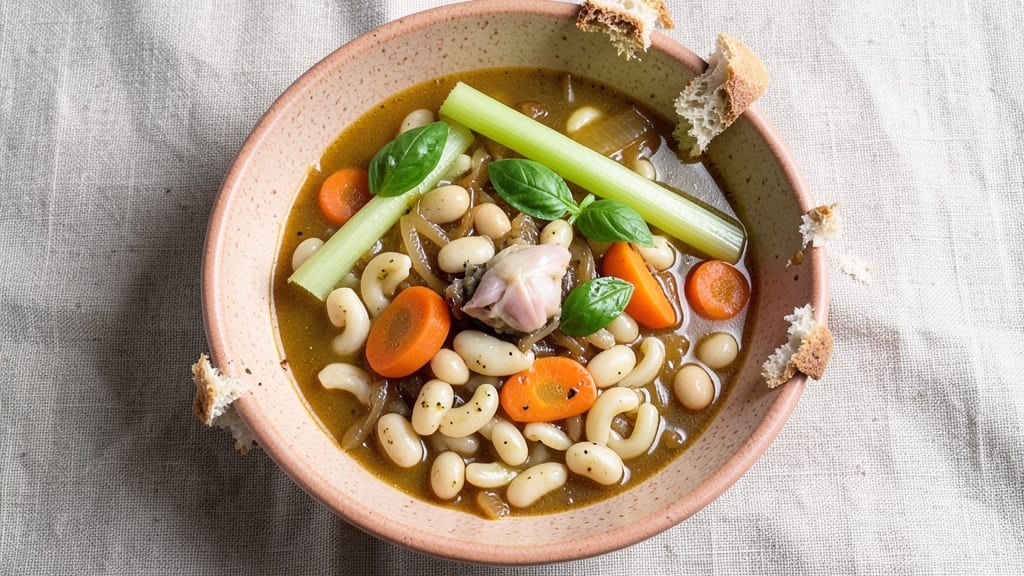
Lidia Bastianich’s minestrone soup recipe brings Italian comfort to your kitchen with its rich, vegetable-packed tradition that’s both hearty and adaptable. The key lies in layering flavors—starting with aromatic onions and garlic, then building depth through slow simmering with cannellini beans, ditalini pasta, and seasonal vegetables.
This isn’t just soup; it’s a celebration of Italian home cooking, where every spoonful delivers a balance of earthy, savory, and slightly tangy notes.
What makes this recipe special is its flexibility—vegetarian-friendly at its core but easily elevated with optional pancetta or Italian sausage for meat lovers. The secret to perfect minestrone is patience: letting the broth develop flavor while the vegetables soften just enough to melt into the broth.
Lidia’s technique ensures each ingredient shines without overpowering the others, creating a harmonious blend that’s both satisfying and nourishing.
By the time you’re done, you’ll have a steaming bowl of minestrone with tender beans, al dente pasta, and vibrant vegetables swimming in a deeply flavorful broth.
The aroma alone will fill your kitchen with warmth, while the first bite delivers that perfect balance of textures and tastes—creamy beans, chewy pasta, and crisp vegetables. It’s the kind of soup that feels like a hug on a chilly day, and it’s ready in just 45 minutes.
Serve with crusty bread to soak up every last drop of that savory broth, or pair it with a simple green salad for a complete meal. The beauty of this recipe is its versatility—use whatever vegetables you have on hand, and adjust the seasoning to taste.
Here’s how to make it the way Lidia would.
Ingredients for lidia's minestrone soup
Pantry staples plus seasonal veggies—this minestrone comes together faster than you'd think.
| Ingredient | Amount | Notes |
|---|---|---|
| Yellow Onion 🧅 | 1 whole | Diced, medium size |
| Garlic Cloves 🧄 | 4 cloves | Peeled, minced |
| Extra-Virgin Olive Oil 🫒 | ½ cup | High quality, fruity |
| Cannelini Beans 🌿 | 2 cups | Drained, rinsed, or cooked |
| Ditalini Pasta 🍝 | 1 cup | Uncooked, or 2 cups cooked |
| Carrots 🥕 | 3 whole | Peeled, sliced into rounds |
| Celery Stalks 🥬 | 3 whole | Trimmed, diced |
| Zucchini 🍆 | 2 whole | Sliced into half-moons |
| Canned Diced Tomatoes 🍅 | 2 cups | With juices, or 14.5 oz can |
| Vegetable Broth 💧 | 4 cups | Low-sodium preferred |
| Fresh Parsley 🌿 | ¼ cup | Chopped, for garnish |
| Kosher Salt 🧂 | 1 ½ tsp | Adjust to taste |
| Black Pepper 🌶️ | ½ tsp | Freshly ground |
| Bay Leaf 🍃 | 1 whole | For depth of flavor |
| Red Wine Vinegar 🍷 | 1 tbsp | For brightness |
The onions and garlic are your flavor foundation. Yellow onions (not sweet) give the best depth, and garlic should be fresh—none of that pre-minced jar stuff. For the beans, cannellini is classic, but any white bean works. I grab mine from the bulk bin at Whole Foods—cheaper and fresher than canned. The celery? Trim the ends, then dice with the onions and garlic. Don't skip this step—it builds flavor. And if you're using frozen veggies, no need to thaw them first.
No ditalini? Small shell pasta or orzo works just as well. Short on carrots? Swap in potatoes or sweet potatoes—they hold up great. The tomatoes can be fresh if you're feeling fancy, but canned diced tomatoes are a game-changer for convenience. Just make sure to drain them well. For the broth, low-sodium is key—you'll be adding salt later. And if you're worried about bitterness, a splash of red wine vinegar at the end balances everything perfectly. The bay leaf? Toss it in whole, then fish it out before serving—no one wants a leaf in their soup.
This soup tastes even better the next day—honestly, the flavors meld into something magical. Keeps for 4-5 days in the fridge, and freezes beautifully for 3 months. I always make a double batch because leftovers make the best lunches. Store it in airtight containers, and reheat with a splash of water or broth to loosen it up. The parsley? Tear it fresh over each bowl—it adds that final pop of color and brightness.
Why You'll Love This Recipe
- One-Pot Magic: I swear by this—just one big pot, no fussing between pans. The onions caramelize while you chop garlic, and by the time the cannellini beans simmer, everything melds into that rich, savory broth without a single extra dish.
- Garlic-Goat Cheese Finish: Honestly, the secret’s in the last spoonful: that toasted garlic swirled into the olive oil, then sprinkled with crumbled goat cheese. The pasta soaks up the flavor like a dream—creamy, herby, and just salty enough to make you lick the bowl.
- Potluck Star: Between us, this is the dish I always bring to gatherings. It’s hearty enough for a crowd but still feels special—no one guesses it’s just canned beans and pasta until they taste that deep, umami-packed broth. (Yes, even on a Tuesday night.)
- Budget-Buster Leftovers: I make a double batch on Sundays because it’s ridiculously cheap to feed four people for days. The ditalini holds up perfectly, and the beans get even more tender—plus, the flavor only gets better as it sits. My wallet and my freezer thank me weekly.
Step-by-step instructions for Lidia's minestrone soup recipe
Here's how to build this classic Italian soup with rich layers of flavor and satisfying texture.
Sauté the Vegetable Base
Heat the 0.5 cup extra-virgin olive oil in a large pot over medium heat. Add the 1 whole diced yellow onion and 3 whole diced celery stalks, cooking for 5 minutes until softened but not browned. This foundational step builds the soup's flavor base.
Add the 3 whole sliced carrots and cook for another 3 minutes, stirring occasionally. The carrots should begin to soften while maintaining their shape. Here's the thing—don't rush this step. You want the vegetables to release their natural sweetness into the oil before adding any liquids.
Add Aromatics and Tomatoes
Push the vegetables to one side of the pot and add the 4 cloves minced garlic cloves to the empty space. Cook for 30 seconds until fragrant—this is when your kitchen should smell like pure Italian comfort. Stir to combine with the other vegetables.
Pour in the 2 cups canned diced tomatoes (with juices) and add the 1 whole bay leaf. Bring everything to a gentle simmer, then reduce heat to low. Let it cook uncovered for 10 minutes, stirring occasionally. This allows the tomatoes to break down and meld with the vegetables, creating a rich, slightly thickened base.
Build the Soup with Beans and Broth
Add the 2 cups cannelini beans, 4 cups vegetable broth, and 1.5 teaspoons kosher salt. Stir well to combine, then increase heat to medium-high and bring to a boil. Once boiling, reduce heat to medium-low and let it simmer uncovered for 15 minutes. This is where the flavors really start to develop and deepen.
After 15 minutes, taste the soup and adjust seasoning with additional kosher salt or 0.5 teaspoon black pepper if needed. Here's where it gets good—this is when you can add the 2 whole sliced zucchini and 1 cup ditalini pasta. The pasta will cook directly in the soup, absorbing all those wonderful flavors.
Finish with Brightness and Freshness
Simmer the soup for another 10-12 minutes until the pasta is al dente and the zucchini is tender but still holds its shape. You'll know it's ready when the pasta floats to the surface and the soup has a thick, hearty consistency.
Remove the bay leaf and stir in the 1 tablespoon red wine vinegar and 0.25 cup chopped fresh parsley. The vinegar adds a bright tang that cuts through the richness, while the parsley brings freshness to each spoonful. Taste one more time and adjust seasoning if needed—this is your final chance to perfect the balance.
Pro Tips For Making Lidia'S Minestrone Soup
- SOFTEN BEANS FIRST: Dump canned cannellini beans straight into the pot? Skip it. Rinse them first, then simmer in fresh water for 10 minutes before adding to the soup—this removes that metallic canned-bean taste and lets them absorb flavors better. I learned this the hard way after a batch tasted like tin.
- SWEAT ONIONS LOW: Crank the heat to medium-high for the onions, and you’ll end up with caramelized bits stuck to the bottom. Keep it at a gentle simmer instead—just enough to make them translucent without browning. This keeps the soup clear and prevents a burnt flavor that’ll ruin the whole dish.
- SALT THE PASTA WATER: Tossing ditalini into the soup without salting the pasta water first? That’s a flavor crime. Boil the pasta in well-salted water (like the sea) for 2 minutes before adding it to the soup—it’ll cook faster and soak up the broth’s taste instead of tasting bland.
- SAVE THE STARCH: Drain the pasta just before al dente, then reserve that starchy pasta water. Stir a splash back into the finished soup—it’ll help thicken the broth naturally and make the ditalini cling to the beans. I was skeptical until I tried it, and now I won’t skip it.
Troubleshooting your lidia's minestrone soup
Mushy Vegetables
If your carrots or celery turn to mush, you likely simmered the soup too long after adding them. I’ve seen this happen when the zucchini gets overcooked—it releases too much water, diluting the broth and softening everything.
To fix it, add zucchini only in the last 10 minutes of cooking, and remove it from the heat as soon as it’s tender. For extra insurance, slice zucchini slightly thicker than half-moons. 🥕
Broth Too Thin
A watery minestrone usually means too much liquid or undercooked pasta. If you’re using canned beans, drain them well and rinse thoroughly to remove excess starch. For a thicker broth, simmer uncovered for 10-15 extra minutes to let the liquid reduce naturally.
If it’s still thin, mash ½ cup of the beans with a fork to thicken the soup. Trust me, this works like magic. 💧
Pasta Overcooked
Al dente pasta is key—if yours turns mushy, you likely added it too early or didn’t taste-test frequently. Cook pasta separately in salted boiling water for 8-9 minutes (for ditalini), then drain and add to the soup in the last 5 minutes of cooking.
For a quicker fix, drain the soup and reheat the pasta separately, then mix back in. 🍝
Blah Flavor
Minestrone should burst with flavor, not taste bland. If yours lacks depth, it’s probably under-seasoned or missing acidity. Boost it with 1 extra tablespoon of red wine vinegar or a splash of lemon juice at the end.
For umami, add 1 teaspoon of soy sauce or a pinch of MSG (if you’re not avoiding it). Fresh herbs like basil or thyme also elevate the dish. 🌿
Beans Too Salty
Canned beans often pack sodium, which can make your soup taste unbalanced. To fix it, rinse the beans thoroughly before adding them to the pot. If the soup still tastes too salty, dilute it with ½ cup extra broth or a splash of water.
For a brighter taste, stir in 1 teaspoon of sugar to balance the saltiness. 🧂
Lumpy Texture
Lumps usually mean you didn’t chop your vegetables finely enough or stirred the soup enough while cooking. For a smoother texture, blend ½ cup of the soup with an immersion blender (or regular blender) and stir it back in.
If you’re avoiding blending, just mash any stubborn lumps with a wooden spoon until smooth. 🥄
Nutrition facts
Frequently asked questions
Can I make this minestrone soup without meat?
Lidia's classic version is naturally vegetarian-friendly. The beans, tomatoes, and vegetables provide plenty of protein and heartiness. Just omit the optional pancetta or sausage if you're keeping it strictly plant-based. The red wine vinegar and fresh parsley add brightness that makes it even more satisfying without meat.
How do I adjust the seasoning for my taste?
Taste as you go! Start with the basic seasoning, then adjust after adding the beans and broth. If it needs more salt, add it gradually—you can always fix over-salting with extra broth. For depth, a pinch of MSG or 1 teaspoon soy sauce enhances umami. Brighten with an extra splash of red wine vinegar or lemon juice at the end.
Can I use fresh tomatoes instead of canned?
Yes, but you'll need to prep them differently. Use 4-5 large ripe tomatoes, peeled and diced (remove seeds). Simmer them with the onions and garlic for 10 minutes to break down their texture before adding broth. Fresh tomatoes add vibrant flavor but require more cooking time to soften properly.
What's the best way to store leftovers?
Let the soup cool completely, then transfer to airtight containers. It keeps in the fridge for 4-5 days—the flavors actually improve overnight! For freezing, portion into meal-sized containers and store for up to 3 months. Reheat gently on the stove with a splash of broth or water to restore texture.
Why does Lidia's version use ditalini pasta?
Ditalini's small, tubular shape holds up perfectly in soups and absorbs flavor beautifully. Its size ensures it doesn't overpower the vegetables, while its ridges trap delicious bits of broth. For a twist, try small shells or orzo, but ditalini remains the traditional choice for its ideal texture contrast.