
Soups & Stews
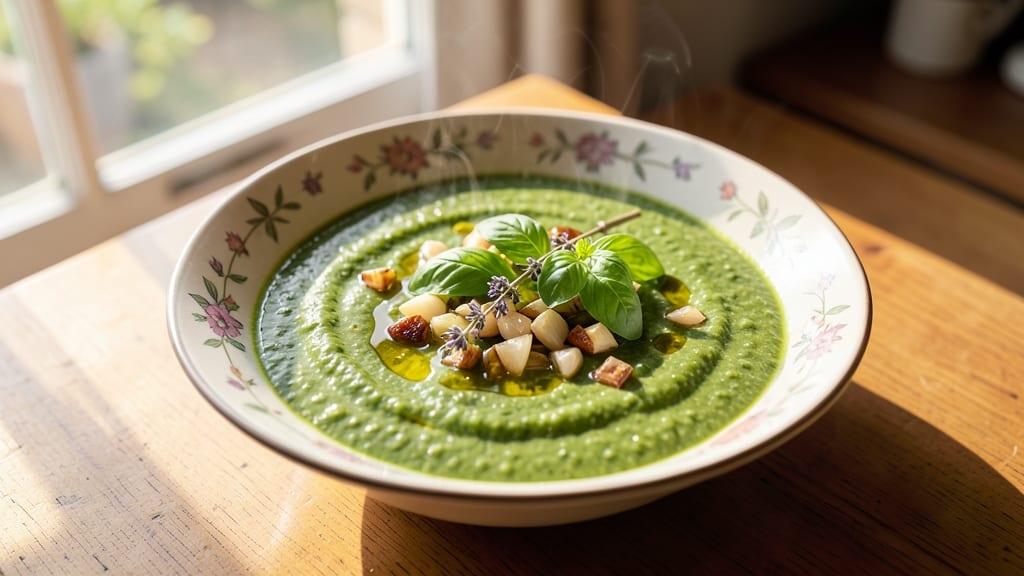
Lidia Bastianich's zucchini soup recipe transforms summer's bounty into velvety perfection that feels like a hug in a bowl. Inspired by her Italian roots, this version balances creamy texture with bright herbaceousness—no heavy cream required.
I first made it during a Portland farmers market haul when zucchini were overflowing the bins, and it became an instant weeknight staple.
The secret lies in proper technique: sautéing onions and garlic until fragrant, blending with vegetable broth for silky smoothness, and finishing with fresh herbs that lift the flavor.
Unlike many zucchini soups, this one develops depth through slow simmering rather than instant blending, creating complex layers of taste. The result is restaurant-quality without the fuss.
What you'll end up with is a soup that's impossibly smooth yet vibrant, with just enough zucchini sweetness to shine through. The fresh basil and parsley add that signature Italian brightness, while a touch of lemon zest at the end prevents any heaviness.
It's the kind of dish that feels both comforting and sophisticated—perfect for summer suppers or as a light first course.
This recipe works equally well as a starter or light main, and the leftovers reheat beautifully. The method is straightforward but delivers professional results, making it ideal for home cooks who want restaurant-quality without the complexity. Let's get started on creating this Italian-inspired classic.
Ingredients for lidia's zucchini soup
Summer's bounty meets Italian technique—just 12 ingredients for velvety perfection.
| Ingredient | Amount | Notes |
|---|---|---|
| Medium Zucchini 🥒 | 4 whole | Medium-sized, seeds scooped out |
| Yellow Onion 🧅 | 1 whole | Medium, finely diced |
| Garlic Cloves 🧄 | 3 cloves | Fresh, minced |
| Extra-Virgin Olive Oil 🫒 | ¼ cup | High-quality, fruity |
| Vegetable Broth 💧 | 4 cups | Low-sodium preferred |
| Fresh Basil Leaves 🌿 | ¼ cup | Packed, stems removed |
| Fresh Flat-Leaf Parsley 🌿 | ⅛ cup | Chopped, stems removed |
| Lemon Zest 🍋 | 1 tbsp | From 1 organic lemon |
| Salt 🧂 | 1 tsp | Kosher or sea salt |
| Black Pepper 🌶️ | ½ tsp | Freshly ground |
| Heavy Cream 🥛 | ¼ cup | Optional for richness |
| Chicken Breast 🍗 | ½ lb | Optional, for protein boost |
The zucchini is the star, so choose medium-sized ones—they're less watery and more flavorful. Portland farmers markets often have the best selection, but any fresh, firm zucchini works. The onion and garlic form the flavor base—sauté them until golden for maximum depth. For the broth, low-sodium is key—you'll be adding salt later. Fresh herbs like basil and parsley are non-negotiable here; dried just won't give that signature Italian brightness. If you can't find fresh, dried oregano at half the amount is a decent substitute, but it won't be the same. The lemon zest adds a bright finish, so use an organic lemon if possible—the thicker peel has more flavor.
No vegetable broth? Chicken broth works too, but it'll have a slightly different profile. Short on zucchini? Substitute yellow squash in equal amounts—it's milder but still creamy. Want to skip the heavy cream? Blend in 1/4 cup silken tofu for a vegan option that still feels rich. The chicken breast is optional but adds protein—if you include it, poach it in the broth before blending for maximum flavor. For a smoother texture, remove seeds from zucchini before chopping. If you're using a high-powered blender, you can skip straining, but a fine-mesh sieve ensures silky perfection.
This soup tastes even better the next day—reheat gently on the stove with a splash of broth to restore creaminess. Stores for 5 days in the fridge or 3 months frozen. For freezing, cool completely first, then portion into airtight containers. The herbs can be added fresh after reheating if you prefer maximum brightness. Leftovers make a fantastic lunch—pair with crusty bread and a simple salad for a complete meal. If you find yourself with extra zucchini, double the batch—it freezes beautifully and is perfect for quick lunches all week.
Why You'll Love This Recipe
- No-Chop Shortcut: I swear by this trick—just slice the zucchini thick (peels on!) and let the broth do the work. No spiralizer, no julienne stress, just a quick sauté with onion and garlic until everything melts into creamy perfection.
- Garlic Bomb Depth: That moment when you add the minced garlic to the olive oil? Chef’s kiss. The slow simmer lets it caramelize just enough to give this soup a rich, almost nutty edge—no overpowering bite, just layers of flavor you’ll keep reaching for.
- Lunchbox Hero: Between us, this is my go-to for packed lunches. It reheats like a dream (no separation, no soggy bread), and the bright zucchini flavor holds up for days—way better than sad, wilted salads or sadder takeout containers.
- Pantry Stretch: Honestly, I make this when I’m low on ingredients because it’s ridiculously forgiving. A handful of zucchini, a splash of broth, a drizzle of olive oil—it turns scraps into something so good, even my picky partner asks for seconds. Budget win, flavor win.
Step-by-step instructions for lidia's zucchini soup
Here's how to create a velvety zucchini soup with vibrant herbs and balanced richness.
Prepare the Base Ingredients
Cut the 4 whole medium zucchini in half lengthwise and scoop out the seeds with a spoon, leaving the flesh intact. This removes excess moisture that can dilute the soup's flavor. Finely dice the 1 whole yellow onion and mince the 3 garlic cloves. I like to use a sharp chef's knife for even dicing—this ensures the onion and garlic cook uniformly and don't create bitter spots.
Heat the 0.25 cup extra-virgin olive oil in a large pot over medium heat. Add the diced onion and cook for 5 minutes until softened and translucent. Add the minced garlic and cook for an additional 30 seconds until fragrant. This step develops the aromatic foundation of your soup—don't skip it, as it makes a noticeable difference in flavor depth.
Sauté and Simmer the Vegetables
Add the scooped zucchini flesh to the pot along with the 4 cups vegetable broth. Bring the mixture to a gentle boil, then reduce heat to medium-low and let it simmer uncovered for 10 minutes. You'll see the vegetables soften and release their juices, creating a fragrant broth. Stir occasionally to prevent sticking, but avoid over-mixing to maintain the natural texture of the vegetables.
Season with the 1 teaspoon salt and 0.5 teaspoon black pepper. Taste the mixture and adjust seasoning if needed—this is your opportunity to balance the flavors before blending. The soup should have a clean, vegetable-forward taste without being bland. If you're using the 0.5 lb chicken breast, cut it into small cubes and add it now, simmering for an additional 8 minutes until cooked through.
Blend to Silky Smoothness
Carefully transfer the soup to a blender in batches, leaving about 1 cup of liquid in the pot. This prevents overfilling and potential spills. Blend each batch until completely smooth, scraping down the sides as needed. For extra-creamy texture, I recommend using an immersion blender directly in the pot—this eliminates the need for multiple transfers and keeps everything contained.
Return the blended soup to the pot and stir in the 0.25 cup fresh basil leaves, 0.125 cup fresh flat-leaf parsley, and 1 tablespoon lemon zest. The herbs add fresh brightness, while the lemon zest introduces a subtle citrus note that cuts through the richness. If you're using the 0.25 cup heavy cream, stir it in now and heat gently for 2 minutes to warm through without curdling. The soup should be velvety smooth with no visible chunks.
Finish and Serve
Taste the soup one final time and adjust seasoning if needed. The addition of herbs and lemon zest may require a touch more salt or pepper. For serving, ladle the soup into bowls and garnish with additional chopped parsley or basil leaves. The vibrant green garnish not only looks beautiful but also adds a fresh herbal note with each bite.
This soup is best served immediately while hot, allowing the flavors to fully meld. The creamy texture and bright herbs make it a perfect spring or summer dish that's light yet satisfying. Store any leftovers in an airtight container in the refrigerator for up to 3 days, though I find it's best enjoyed fresh.
Pro Tips For Making Lidia'S Zucchini Soup
- CHOP ZUCCHINI SMALL: Lidia’s recipe relies on those tiny, uniform cubes—don’t eyeball it. Cut the zucchini into ¼-inch pieces (yes, measure with a ruler if you’re like me and tend to go rogue). Big chunks turn mushy; tiny ones melt into silk without watering down the soup.
- SWEAT ONIONS LOW AND SLOW: After 5 minutes of sizzling, drop the heat to medium-low and cover the pot. I learned this the hard way—burnt onions make the whole soup taste bitter. Let them soften for 8-10 minutes with the lid on, stirring only once. Patience here means flavor later.
- SALT THE BROTH EARLY: Taste the vegetable broth before adding it to the pot. If it’s bland, bump up the salt now—you can’t fix watered-down flavor later. Lidia’s recipe builds on that base, so start with a properly seasoned broth, even if it means using a pinch extra.
- BLEND IN BATCHES: Dump everything into the blender at once? Bad idea. Split the soup into two batches—your blender will thank you, and you’ll avoid that sad, gummy texture from overworking the motor. Run it until smooth, then pulse the second batch if needed. No one likes a seized-up blender mid-recipe.
Storing and reheating this dish
Refrigerator Storage
Let your soup cool to room temperature before transferring it to an airtight glass container—I love using Pyrex with snap-on lids for easy stacking.
Store it in the fridge at 40°F or below for up to 5 days, though I find the flavors peak within the first 3 days. The herbs keep their brightness best when stored this way, but the soup remains delicious even after 5 days.
Always leave ½ inch headspace to prevent condensation buildup.
Freezer Prep
For longer storage, cool the soup completely before portioning into quart-sized freezer bags or glass containers. Leave 1 inch headspace to account for expansion—zucchini soups can expand slightly when frozen.
Label with the date and freeze for up to 3 months. I recommend freezing in single-serving portions for easy reheating later. Thaw overnight in the fridge before reheating.
Stovetop Reheating
My preferred method is gentle reheating on the stovetop. Pour soup into a pot and heat over medium-low heat, stirring occasionally. Add 2 tablespoons of water or broth if it looks too thick—this prevents scorching and restores creaminess.
Heat until steaming (165°F internal temperature), about 5-7 minutes. The herbs will release their aromas again, making the soup smell just as fresh as the day you made it. 🔥
Microwave Revival
For quick lunches, transfer 1-2 servings to a microwave-safe bowl. Cover loosely with a damp paper towel to prevent drying. Heat on 50% power for 2 minutes, stir, then continue in 30-second intervals until hot.
The microwave can make soups taste flat, so always add a pinch of salt and a squeeze of lemon juice after reheating to revive the flavors.
Herb Refresh
If you reheat soup from the fridge or freezer, the herbs may lose some brightness. Always add 1 tablespoon fresh basil or parsley and a pinch of lemon zest right before serving.
This quick step makes all the difference—it's like giving your soup a fresh start. I keep a small bowl of chopped herbs on my counter for this exact purpose. ✨
Texture Tips
Zucchini soup can separate slightly after reheating. If it looks grainy, simply blend it again briefly with an immersion blender until smooth. For extra creaminess, stir in 1 tablespoon of heavy cream or silken tofu while reheating.
The key is gentle heat—never boil the soup after reheating, or you'll break down the delicate flavors. 💫
Nutrition facts
Frequently asked questions
Can I make this soup without a blender?
For a rustic version, skip blending and simply mash the cooked zucchini with a potato masher until smooth. The texture will be slightly chunkier but still delicious. You can also use an immersion blender for a smoother result without transferring batches. The key is to simmer the vegetables longer (15 minutes) to soften them naturally before mashing.
Why does my zucchini soup turn out watery?
Watery soup usually happens when using overripe or unpeeled zucchini, which releases excess moisture. Always choose firm, medium-sized zucchini and scoop out the seeds before chopping. If it's still too thin, simmer uncovered for 5-10 extra minutes to reduce. For a richer texture, stir in 1 tablespoon of cream or silken tofu at the end.
What's the secret to getting that authentic Italian flavor?
The Italian touch comes from three key elements: high-quality olive oil, fresh herbs, and proper cooking time. Sauté the onions and garlic until golden (not browned), simmer the vegetables uncovered, and finish with fresh basil and parsley. The lemon zest adds brightness that cuts through the creaminess. Don't skip the 10-minute simmer—this develops the depth of flavor.
Can I make this soup ahead of time for a dinner party?
Yes! This soup actually tastes better the next day as the flavors meld. Make it 1 day ahead and store in an airtight container. Reheat gently on the stove with a splash of broth. For serving, add fresh herbs and lemon zest just before ladling into bowls. The leftovers reheat beautifully and make a great appetizer or light lunch.
What's the best way to serve this zucchini soup?
This soup works beautifully as a starter or light main course. For a complete meal, serve with crusty bread, a simple mixed green salad with lemon vinaigrette, or grilled chicken breast. Garnish each bowl with extra herbs and a drizzle of high-quality olive oil. The creamy texture pairs perfectly with grilled cheese sandwiches or as a side to roasted vegetables.