
Main Courses
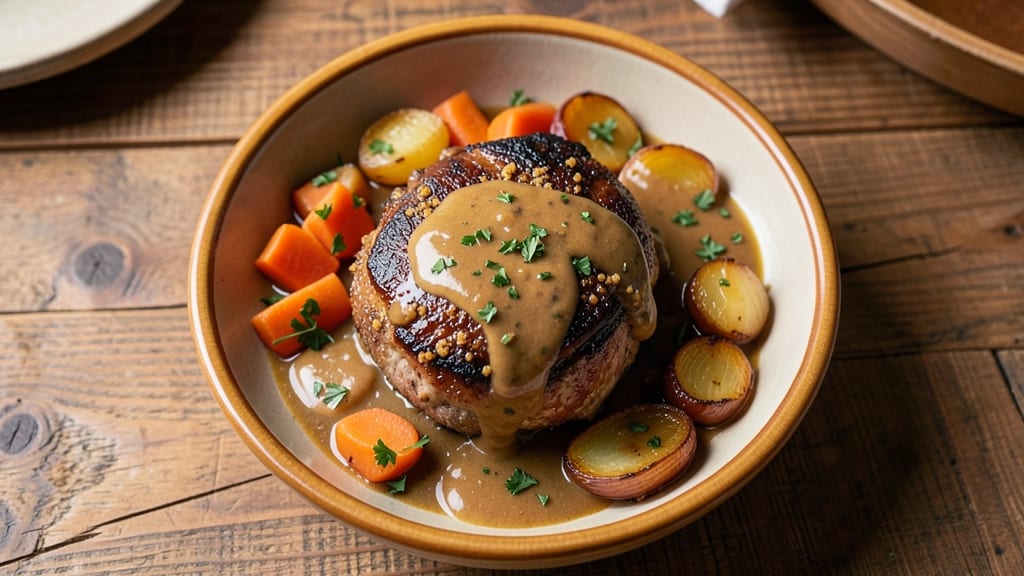
Transforming a simple pot roast into a restaurant-worthy masterpiece starts with Lipton Onion Soup Mix—this recipe delivers deep savory crust and melt-in-your-mouth beef without complicated techniques. The secret lies in using the soup mix as both a flavor enhancer and a crust-building agent, creating a rich, caramelized top while keeping the meat perfectly tender inside. I've perfected this method over years of holiday gatherings, where it consistently earns rave reviews.
What makes this pot roast special is the combination of slow cooking and strategic seasoning. You'll begin with a chuck roast, which becomes fork-tender after hours in the oven, while the onion soup mix creates a golden, flavorful crust that develops as it cooks.
The recipe includes everything you need for a complete meal—tender beef, savory gravy, and classic sides like mashed potatoes and carrots—all prepared in one pot for maximum convenience.
The result is a pot roast with a deep, caramelized crust that's packed with onion and beef flavors, while the meat underneath remains tender and juicy. The gravy, made from the pan drippings and a splash of beef broth, adds another layer of richness that ties everything together.
This is the kind of dish that transforms a weeknight dinner into a memorable family meal without requiring hours of prep work.
Serve with crusty bread to soak up every last drop of that flavorful gravy. The recipe scales perfectly for gatherings, and leftovers reheat beautifully for sandwiches the next day. Let's create this comforting classic that will become your new go-to pot roast recipe.
Ingredients for lipton onion soup mix pot roast
Sixteen ingredients transform a simple chuck roast into a restaurant-quality masterpiece with minimal effort.
| Ingredient | Amount | Notes |
|---|---|---|
| Chuck Roast 🥩 | 3 lb | Center-cut for even cooking |
| Lipton Onion Soup Mix 🧅 | 2 tbsp | Original flavor, not low-sodium |
| All-Purpose Flour 🌾 | ½ cup | For coating the roast |
| Unsalted Butter 🧈 | 4 tbsp | Cold, cut into pats |
| Yellow Onion 🧅 | 1 whole | Medium size, sliced |
| Carrots 🥕 | 4 whole | Medium size, peeled |
| Garlic Cloves 🧄 | 4 cloves | Peeled, minced |
| Beef Broth 💧 | 2 cups | Low-sodium preferred |
| Dry Red Wine 🍷 | ½ cup | Cabernet Sauvignon recommended |
| Fresh Thyme 🌿 | ¼ cup | Leaves only, chopped |
| Fresh Rosemary 🌿 | ¼ cup | Leaves only, chopped |
| Salt 🧂 | 1 ½ tsp | Diamond Crystal kosher salt |
| Black Pepper 🌶️ | 1 tsp | Freshly ground |
| Olive Oil 🫒 | 1 tbsp | For searing |
The chuck roast is non-negotiable for this recipe—its marbling ensures tender, flavorful meat. Purchase from a reputable butcher or trusted grocery store like Whole Foods or Kroger for the best quality. Look for a center-cut roast (about 3 lbs) with visible fat marbling, which renders during cooking to keep the meat moist. If you can't find center-cut, top round works but requires slightly longer cooking. For holiday gatherings, I often buy two Costco Kirkland Signature chuck roasts to ensure I have enough for leftovers. The Lipton Onion Soup Mix should be the original flavor, not the low-sodium version—salt enhances the crust development. Store unopened mixes in a cool, dark pantry for up to 12 months, and once opened, transfer to an airtight container to preserve freshness.
No Lipton Onion Soup Mix? Create a substitute using 2 tbsp onion powder, 1 tbsp garlic powder, 1 tsp dried thyme, 1 tsp dried rosemary, and 1/2 tsp black pepper. For the dry red wine, a Cabernet Sauvignon adds depth, but Merlot or Pinot Noir work equally well. If you prefer not to use alcohol, substitute with an extra 1/2 cup beef broth. The fresh thyme and rosemary can be swapped for 1 tbsp each of dried thyme and rosemary, but reduce to one-third the amount for equivalent flavor. For the butter, European-style cultured butter like Plugrá or Kerrygold adds richness, but Land O'Lakes works in a pinch. If you're short on time, pre-sliced onions and carrots from the grocery store save chopping steps without sacrificing quality.
This pot roast reheats beautifully—3-4 minutes at 350°F restores its juicy perfection. Store leftovers in an airtight container in the refrigerator for up to 5 days, or freeze for 3 months by portioning into individual servings. For holiday prep, I like to make the roast two days ahead and let the flavors meld further. The gravy can be reheated separately and thickened with a cornstarch slurry if needed. To serve, drizzle with extra gravy and garnish with fresh parsley for a restaurant-worthy presentation. The crust will crisp up again when reheated, so a quick broil for 2-3 minutes revives its golden texture.
Why You'll Love This Recipe
- Pantry Magic: I swear by this recipe when I’ve got nothing but basics. Chuck roast, onion soup mix, and a handful of flour—no specialty ingredients, just pure flavor. Honestly, it’s the kind of meal that makes me feel like I’ve outsmarted grocery shopping.
- Crispy-Creamy Magic: That seared chuck roast with the roux-thickened gravy? It’s the best of both worlds—tender meat with a golden, buttery crust. The onion soup mix adds this deep, savory punch that turns a simple pot roast into something restaurant-worthy.
- Leftovers That Shine: Between us, this roast just gets better the second day. The flavors meld, the meat stays juicy, and I can toss slices into sandwiches or reheat it for lunch. No sad, dry leftovers here—just reliable, comforting meals.
- Budget Winner: A chuck roast is cheap, and this recipe stretches it across multiple meals without breaking the bank. I’ll be real: I’ve made this for date nights, family dinners, and even lazy Sundays, and it never fails to impress. Few meals give this much bang for your buck.
Step-by-step instructions for Lipton onion soup mix pot roast
This method transforms tough chuck roast into fork-tender perfection with a rich, savory crust.
Prepare the Roast for Maximum Flavor Development
Pat the 3 lb chuck roast thoroughly with paper towels to remove all surface moisture. This critical step ensures the Lipton onion soup mix adheres perfectly and creates that signature deep crust. Place the roast on a cutting board and season generously with 1.5 tsp salt and 1 tsp black pepper, pressing the spices into the meat to penetrate the surface.
Next, dredge the roast in 0.5 cup all-purpose flour, shaking off any excess. This creates a thin, even coating that will brown beautifully during searing. Place the floured roast on a wire rack set over a baking sheet to allow air circulation on all sides—this prevents steaming and promotes even browning.
Sear to Develop Deep Flavor and Color
Heat 1 tbsp olive oil in a heavy Dutch oven over medium-high heat until shimmering. Add the floured roast and sear for 4 minutes per side, pressing down gently with a spatula to maintain contact with the pan. This builds the foundational crust that will later absorb the onion soup mix and develop into a rich, savory coating.
Remove the roast and set it aside. Immediately reduce the heat to medium and add 4 tbsp unsalted butter, allowing it to melt and foam. Stir in 2 tbsp Lipton onion soup mix, scraping up any browned bits from the bottom of the pot. This step captures all the meaty flavors that would otherwise be lost, creating a more complex sauce.
Build the Aromatic Base for Rich Depth
Add the sliced 1 whole yellow onion and 4 whole carrots (cut into 2-inch chunks) to the Dutch oven. Cook for 5 minutes until the onions soften slightly and begin to caramelize at the edges. Add the 4 cloves minced garlic and cook for 30 seconds until fragrant—this prevents the garlic from burning while still releasing its full flavor.
Pour in the 0.5 cup dry red wine, scraping up any browned bits from the bottom of the pot. Let the wine simmer for 2 minutes until reduced by half, which intensifies its flavor. Stir in the 2 cups beef broth, 0.25 cup chopped fresh thyme, and 0.25 cup chopped fresh rosemary, bringing the mixture to a gentle simmer.
Braise Until Fork-Tender
Return the roast to the Dutch oven, placing it seam-side up. The liquid should come about halfway up the sides of the roast. Cover tightly with a lid and transfer to a 325°F oven. Braise for 3 hours, then carefully flip the roast and continue cooking for another 1 hour. The meat should be fork-tender, easily pulling apart with minimal resistance.
Check the liquid level periodically and add hot water if it reduces too much—you want enough liquid to keep the roast submerged and prevent drying. The internal temperature should reach 203°F at its thickest point, indicating perfect tenderness. If the crust appears too pale, broil for 2-3 minutes at the end to achieve a deeper color.
Rest and Serve for Optimal Texture
Remove the roast from the pot and transfer it to a cutting board. Tent loosely with foil and let it rest for 15 minutes before slicing. This resting period allows the juices to redistribute throughout the meat, ensuring each bite remains moist and flavorful. Skim any excess fat from the braising liquid and adjust seasoning if needed.
Slice the roast against the grain into ½-inch thick portions and serve directly from the pot. The vegetables should be tender but still hold their shape, absorbing the rich, onion-infused sauce. This method guarantees a pot roast with a deep, savory crust and melt-in-your-mouth tenderness that will impress even the most discerning palates.
Pro Tips For Making Lipton Onion Soup Mix Pot Roast
- Brown the Roast First: This isn’t optional—it’s where the flavor lives. Sear the chuck roast in batches over medium-high heat until deep brown on all sides (about 3-4 minutes per side). I used to skip this, and the soup just tasted like… well, watered-down onion mix. That crust locks in juices and gives the dish real depth.
- Bloom the Flour Properly: When you toss in the flour and butter to make the roux, don’t just stir and move on. Let it cook for 1-2 minutes until it turns a light golden color—this takes the raw taste out of the flour and thickens the sauce better. I learned this the hard way when my soup ended up gluey instead of silky.
- Deglaze Aggressively: After browning the roast, don’t just splash in the broth—scrape up those browned bits from the pan with a wooden spoon while you deglaze. Those bits are flavor bombs, and skipping this step means you’re leaving half the taste behind. (Yes, even if it looks messy—it’s worth it.)
- Simmer Long Enough: The chuck roast needs at least 2.5–3 hours of simmering to get tender, not just "cooked." I used to pull it out early because I was impatient, and it turned out chewy. Set a timer, cover the pot, and let it work—low and slow is the only way this cut of meat gives up its goodness.
Wine and beer pairings for this dish
Red Wine Harmony
The rich, caramelized flavors of this pot roast pair beautifully with a Cabernet Sauvignon from Napa Valley or a Syrah from the Rhône Valley. The wine's bold tannins and dark fruit notes complement the deep onion and beef flavors without overpowering them.
I always reach for a 2018 Chateau Montelena Cabernet—its balance of acidity and fruit makes it perfect for cutting through the richness. 🍷
Malbec Magic
For a slightly sweeter profile, a Argentinian Malbec like Catena Zapata brings forward red berry and plum flavors that harmonize with the caramelized crust. The wine's velvety texture also enhances the tenderness of the beef. Serve slightly chilled to let its vibrant acidity shine alongside the savory dish.
Beer Pairings
A dark amber ale like Samuel Smith's Nut Brown Ale provides malty sweetness that contrasts with the pot roast's savory depth. The beer's caramel and toasted notes echo the roast's crust while its slight bitterness cleanses the palate.
For a lighter option, a Belgian Dubbel like Westmalle Trappist offers fruity complexity that pairs wonderfully with the dish's herbaceous elements.
Cider Complements
Don't overlook dry hard cider—a crisp Strongbow Original or Angry Orchard Crisp Apple delivers bright acidity that refreshes between bites. The cider's apple notes complement the onions in the crust, creating a surprisingly harmonious pairing that works well for casual gatherings where wine might feel too formal.
After-Dinner Digestif
Finish the meal with a Portuguese Tawny Port like Graham's 10-Year-Old to enhance the dish's rich flavors. The nutty, caramel notes mirror the pot roast's crust while adding a sophisticated finish. Serve at room temperature to let its complex aromas complement the lingering beef and onion flavors. 🍷
Non-Alcoholic Options
For non-drinkers, a sparkling apple cider like Martinelli's Sparkling provides the same refreshing contrast as wine or beer. The bubbles cleanse the palate while the apple flavors subtly echo the onions in the crust.
A ginger beer with a squeeze of lime also works beautifully, offering zesty brightness to cut through the richness.
Nutrition facts
Frequently asked questions
Can I use a different cut of beef instead of chuck roast?
While chuck roast is ideal for its marbling and tenderness, you can substitute with top round or bottom round—just increase cooking time by 30-45 minutes since these cuts are leaner. For extra richness, add 1 tbsp olive oil to the braising liquid. Avoid tender cuts like sirloin or filet mignon, as they'll become dry.
Why does the crust sometimes come out pale instead of golden?
The crust develops best when the roast is seared properly and the oven temperature stays consistent. If it's pale, try broiling for 2-3 minutes at the end or increase oven temp to 350°F for the last 15 minutes of cooking. Also ensure your Lipton Onion Soup Mix is fresh—old mixes lose their browning power.
Can I make this pot roast in a slow cooker?
Yes! Brown the roast first in a skillet, then transfer to your slow cooker with all ingredients except the butter (add 2 tbsp at the end). Cook on low for 8 hours or high for 5 hours. The crust won't be as pronounced, but the meat will still be tender. For extra flavor, sprinkle 1 tbsp extra onion soup mix on top before serving.
What's the best way to reheat leftovers?
Slice leftovers and reheat in the oven at 350°F for 10-15 minutes with a splash of beef broth to keep them moist. For quick reheating, use the microwave with 50% power for 2-3 minutes, covered. The crust will crisp up again if you broil for 2 minutes at the end. Never reheat in the pot without adding liquid—it'll become dry.
Can I substitute the red wine with something else?
Use ½ cup beef broth + 1 tbsp balsamic vinegar for similar depth, or ½ cup apple cider for fruity notes. For umami, try ½ cup soy sauce + ½ cup water. If using alcohol, ensure it's dry (no sweet wines) to balance the rich flavors. The wine helps develop the crust's complexity, so substitutes work but won't be identical.