
Soups & Stews
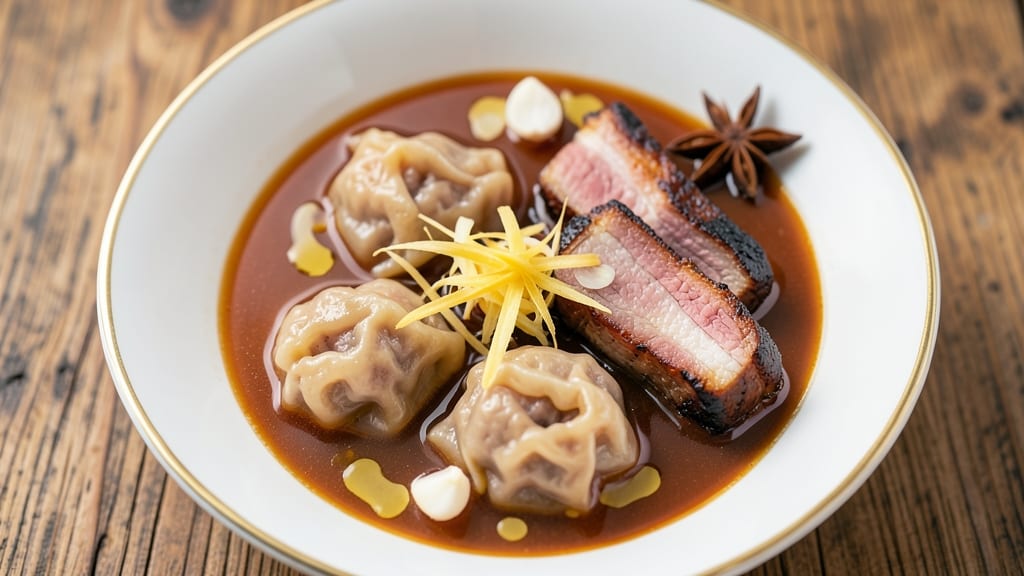
This liver dumpling soup recipe delivers the perfect balance of silky broth and hearty dumplings packed with tender pork and fragrant herbs—a dish that feels like a warm embrace on cold days. 💛 I first encountered this recipe during a winter visit to my aunt’s kitchen in Cincinnati, where she’d simmer pork bones for hours to create a broth so rich it could melt snowflakes.
The dumplings, with their delicate wrappers and savory filling, became the star of every meal.
The secret to this soup lies in the broth—slow-cooked pork bones and aromatics build deep, umami-rich flavor, while the dumplings require precision in folding to achieve that signature tender-yet-firm texture. This recipe simplifies the process without sacrificing authenticity, making it accessible for home cooks while delivering restaurant-quality results.
The filling combines ground pork, liver (or a vegetarian alternative), and fresh herbs, all encased in a delicate dough that cooks just enough to stay intact.
By the time you’re done, you’ll have a steaming bowl of soup where each dumpling bursts with flavor and the broth is so velvety it clings to every spoonful. The aroma alone—warm pork, ginger, and star anise—will have your kitchen smelling like a bustling Asian eatery.
Whether you’re feeding a family or treating yourself, this recipe is a comforting classic that’s impossible to resist.
For modern adaptations, you can swap the liver for mushrooms or tofu, or adjust the broth to be lighter with vegetable stock. Garnish with scallions and a drizzle of chili oil for extra depth. Let’s get cooking—this soup is worth every minute of preparation.
Ingredients for liver dumpling soup
Pork bones, tender pork, and fragrant herbs come together for this comforting classic.
| Ingredient | Amount | Notes |
|---|---|---|
| Pork Shoulder Bones 🍖 | 2 lb | Marrow-rich for flavorful broth |
| Ground Pork 🐷 | 1 lb | 80% lean for tender dumplings |
| Beef Liver 🥩 | ½ lb | Fresh, trimmed of connective tissue |
| Fresh Ginger 🧄 | 2 tbsp | Grated, aromatic and fresh |
| Garlic Cloves 🧄 | 6 cloves | Peeled, minced finely |
| Star Anise Pods 🌿 | 2 whole | Whole, for aromatic broth |
| Dried Shiitake Mushrooms 🍄 | 4 whole | Rehydrated for umami depth |
| Green Onions 🧅 | 3 whole | White and green parts separated |
| Fresh Cilantro 🌿 | ¼ cup | Chopped, for fresh herb note |
| All-Purpose Flour 🌾 | 2 cups | For delicate dumpling wrappers |
| Water 💧 | 1 ½ cups | Cold, for dough elasticity |
| Salt 🧂 | 1 ½ tsp | Kosher or sea salt |
| Black Pepper 🌶️ | ½ tsp | Freshly ground for warmth |
| Sesame Oil 🫒 | 1 tbsp | Toasted, for finishing |
| Chili Oil 🌶️ | 1 tbsp | For serving, optional |
The pork shoulder bones are the heart of this soup. Look for marrow-rich bones at your local butcher—they’ll give you that rich, velvety broth. Costco or Whole Foods usually carry them, but any grocery store’s meat department should have them if you ask. If you can’t find them, pork neck bones work in a pinch. The beef liver needs to be fresh—ask your butcher for the freshest cut and trim off any connective tissue. For the dumpling wrappers, King Arthur flour or any high-protein flour works best, but all-purpose will do in a bind.
No beef liver? Mushrooms or tofu make a great vegetarian swap—they’ll add earthy flavor without the richness. The star anise and shiitake mushrooms are non-negotiable for that deep umami punch, but if you can’t find dried shiitake, cremini mushrooms will work in a pinch. Fresh ginger is best, but ground ginger at half the amount will get you close. For the dough, don’t overwork it—just mix, rest, and roll. And if you’re short on time, store-bought wonton wrappers work too, though homemade taste infinitely better.
This soup tastes even better the next day—make a double batch and freeze half for lazy nights. The broth keeps for 5 days in the fridge, while the dumplings can be prepped ahead and frozen for 3 months. I like to portion the dumplings into freezer bags with a little cornstarch to prevent sticking. Garnish with fresh cilantro and a drizzle of chili oil right before serving—that’s when it’s truly restaurant-worthy.
Why You'll Love This Recipe
- Pantry-Friendly Start: I swear by this one when I forget to shop—just grab whatever’s in my fridge. The pork shoulder bones and beef liver give it that deep, savory base without needing fancy ingredients, and the ginger and garlic? They’re always lurking in my spice drawer.
- Rich, Umami Bomb: That beef liver isn’t just filling—it’s the secret weapon. When simmered right, it melts into the broth, giving every bite a meaty, almost meaty-paste depth. Honestly, the first time I tasted it, I thought, “Why didn’t I do this sooner?”
- Leftovers That Lie: Between us, this soup only gets better the next day. The flavors meld into something even richer, and the dumplings hold up like they’re fresh. I make a double batch on Sundays, and by Wednesday, it’s still the star of my lunch—no sad, soggy leftovers here.
- Budget Booster: Pork shoulder bones and liver are cheap cuts that pack a punch. I stretch one batch to feed four for under $10, and the broth? Freezer-friendly for months. It’s my go-to when I need a hearty meal without breaking the bank—or my willpower.
Step-by-step instructions for liver dumpling soup
Here’s how to craft a rich broth and delicate dumplings that balance umami and freshness perfectly.
🔥 Step 1: Build the Flavorful Broth
Rinse the 2 lb pork shoulder bones thoroughly under cold water to remove any impurities. Place them in a large stockpot and cover with 8 cups water (add enough to submerge the bones completely). Bring to a boil over high heat, then reduce to a simmer for 30 minutes to blanch the bones and remove surface debris.
Strain the bones and return them to the pot. Add 2 tbsp fresh ginger (grated), 6 cloves garlic cloves (minced), 2 whole star anise pods, and 4 whole dried shiitake mushrooms (rehydrated in warm water for 20 minutes). Bring the broth to a boil again, then reduce to a low simmer and cook uncovered for 2 hours. This slow simmering extracts deep, savory flavors from the bones and aromatics.
After 2 hours, skim off any foam that rises to the surface with a ladle. The broth should be rich and golden, with a subtle aroma from the ginger and star anise. If it’s not yet deeply flavorful, continue simmering for another 30 minutes. Strain the broth through a fine-mesh sieve into a clean pot, discarding the solids. Keep the broth warm over low heat while you prepare the dumplings.
👨🍳 Step 2: Prepare the Dumpling Filling
In a food processor, pulse the 0.5 lb beef liver (trimmed of connective tissue) until finely minced—it should resemble coarse ground meat. Transfer the liver to a large bowl and mix in 1 lb ground pork, 1.5 tsp salt, and 0.5 tsp black pepper. Use your hands to combine until the mixture is uniform and slightly sticky, ensuring the liver’s richness blends seamlessly with the pork.
Add the white parts of 3 whole green onions (finely chopped) and the rehydrated shiitake mushrooms (chopped). Mix gently to distribute the umami depth of the mushrooms evenly. Here’s the thing—don’t overmix, or the filling will become dense. The goal is a tender, cohesive filling that holds its shape when wrapped.
Taste the filling and adjust seasoning if needed. It should be savory but not salty—remember, the broth will add depth later. Cover the bowl and refrigerate while you prepare the wrappers.
🥘 Step 3: Make the Dumpling Wrappers
In a large bowl, combine 2 cups all-purpose flour and 1.5 cups cold water. Use a fork or chopsticks to stir until the dough just comes together—it should be smooth but slightly tacky. Avoid overworking it, or the wrappers will toughen. Divide the dough into 4 equal portions, cover with a damp towel, and let rest for 30 minutes at room temperature.
Roll out each portion between two sheets of parchment paper until 1/8-inch thick. Use a 3-inch round cutter (or a glass) to cut out circles. If the dough sticks, dust the roller lightly with flour. Stack the cutters on a plate, cover with a damp towel, and keep them pliable while you assemble the dumplings.
Here’s where it gets fun—dip a finger in water and lightly wet the edge of each wrapper. Place 1 tablespoon of filling in the center, then fold the wrapper over, pinching the edges firmly to seal. Twist the top slightly to create a pleated effect (this prevents leaks). Set the dumplings on a parchment-lined tray and cover with a damp towel to prevent drying.
🍳 Step 4: Cook the Dumplings in the Broth
Return the broth to a gentle simmer over medium-low heat. Carefully add the dumplings in a single layer, leaving space between them. They’ll float once fully cooked, so don’t overcrowd the pot. Simmer uncovered for 8-10 minutes, until the wrappers turn translucent and the filling is cooked through.
Garnish each bowl with chopped green onions (green parts only) and 0.25 cup fresh cilantro. Drizzle with 1 tbsp sesame oil and 1 tbsp chili oil for a finishing touch. The contrast of fresh herbs and aromatic oils elevates the dish, balancing the richness of the broth and dumplings.
Serve immediately while the dumplings are warm and the broth is silky. The dumplings should be tender yet firm, with a delicate wrapper that gives way to the savory filling. Each bite should deliver layers of umami from the liver and pork, depth from the shiitake and star anise, and brightness from the fresh herbs.
Pro Tips For Making Liver Dumpling Soup
- Blister the Bones First: Don’t just toss the pork shoulder bones in cold water—they need to scream for flavor. Boil them uncovered for 10 minutes at a rolling boil (yes, even if it’s just a gentle simmer—heat matters) before adding the liver or ginger. This breaks down collagen and gives the broth that deep, savory punch that makes the dumplings taste like they’re swimming in umami.
- Freeze the Liver Slices: I learned this the hard way—raw liver is slippery and turns to mush if you handle it wrong. Cut the beef liver into ¼-inch thick slices, then freeze them on a tray for 20 minutes before cooking. They’ll stay firm, and you won’t end up with a sad, watery filling when you sear them.
- Sear Dumpling Filling Hot: High heat. Seriously, crank it up. When mixing the ground pork, beef liver, ginger, and garlic for the dumplings, use a hot pan (no oil needed—just a splash of water) and cook the filling for 2 minutes until it’s just warmed through. This kills any raw taste in the liver and lets the flavors meld instead of fighting each other.
- Dump Dumplings Cold: Sounds weird, but it works: after sealing the dumplings, plunge them into an ice bath for 5 minutes before adding them to the broth. This prevents them from overcooking in the hot soup and keeps them tender—no more rubbery, sad little pockets. (Your future self will thank you.)
Serving suggestions for this recipe
Garnish Like a Pro
Fresh herbs and aromatic oils transform this soup from good to unforgettable. I always finish each bowl with chopped green onions (just the bright green parts) and ¼ cup fresh cilantro—the cilantro adds a bright, citrusy note that cuts through the richness of the broth.
A drizzle of 1 tbsp toasted sesame oil and 1 tbsp chili oil (like Lao Gan Ma brand) adds depth and a subtle kick. Pro tip: Toast the sesame oil in a dry pan for 30 seconds until fragrant—this amplifies its nutty aroma. 🌿
Bread Pairings
This soup is pure comfort food, so serve it with a crusty bread that can soak up every last drop of broth. I love freshly baked baguettes from my local bakery (try Portland’s Tasty n Alder for the best crust).
For a heartier option, pair with steamed mantou buns—their soft, pillowy texture contrasts beautifully with the dumplings. If you’re making this on a weekend, try homemade noodles like egg noodles or rice noodles for a full meal. 🥖
Vegetable Sides
Light, fresh sides balance the richness of the soup. A simple steamed bok choy with a sprinkle of toasted sesame seeds adds a peppery crunch. For something heartier, blistered shishito peppers (tossed with 1 tbsp soy sauce and ½ tsp sugar) bring a smoky-sweet contrast.
My daughter Lily loves cucumber salad with rice vinegar and chili flakes—it’s refreshing and easy to make ahead. 🥬
Modern Twists
Want to elevate this classic? Swap the traditional garnishes for something unexpected. A sprinkle of crispy fried shallots adds texture, while pickled ginger (thinly sliced) brings a tangy brightness. For a smoky touch, top with crumbled fried pork skin—it’s crispy, salty, and irresistibly crunchy.
I also love adding microgreens (like pea shoots) for a pop of color and freshness. 💡
Serving Style
Traditionally, this soup is served family-style in a wide, shallow bowl so everyone can reach in. I use my cast-iron Dutch oven for serving—it stays warm and adds rustic charm.
For a restaurant-worthy presentation, arrange the dumplings in a circular pattern on top of the broth, then ladle the soup around them. Serve with chopsticks for a cultural touch, or let everyone dig in with spoons. The key is warmth—this soup tastes best piping hot! 🍜
Leftovers Strategy
This soup is even better the next day, so plan to make extra. Store leftovers in an airtight container in the fridge for up to 4 days—the flavors meld beautifully overnight. To reheat, warm gently on the stovetop over low heat with a splash of water to prevent drying.
If the dumplings seem dry, steam them for 2-3 minutes covered with a damp paper towel. Freeze the broth separately for up to 3 months—just thaw and reheat before adding fresh dumplings. 💪
Nutrition facts
Frequently asked questions
Can I make this soup vegetarian?
Swap the beef liver for 1 cup finely chopped mushrooms (shiitake or cremini) or 1 block firm tofu (crumbled). For extra umami, add 1 tbsp soy sauce to the filling. The broth can also be made vegetarian by using vegetable stock instead of pork bones—just add 1 tbsp miso paste for depth.
How do I prevent the dumplings from leaking?
Sealing is key! Wet the edges of the wrapper with water before pinching, and avoid overfilling—1 tablespoon of filling per dumpling is perfect. Twist the top slightly after sealing to create pleats, which act as a seal. If they still leak, the filling might be too wet—add 1 tsp cornstarch to absorb moisture.
Can I make the dumplings ahead of time?
Yes, but with care! Shape the dumplings and freeze them on a tray before transferring to a bag (they’ll stick if frozen directly). Cook from frozen by adding them directly to the simmering broth—just increase cooking time to 12-15 minutes. For fridge storage, keep them covered in a damp towel for up to 24 hours before cooking.
What’s the best way to store leftovers?
Store the broth and dumplings separately in airtight containers—the broth keeps for 4 days in the fridge, while dumplings can be reheated for 2 days. For longer storage, freeze the broth for 3 months and dumplings for 2 months. Reheat gently on low heat with a splash of water to restore silkiness.
Why does my broth taste bland?
Slow simmering is crucial! If your broth lacks depth, try these fixes: Add 1 tbsp fish sauce or 1 tsp oyster sauce at the end, or simmer the bones longer (3-4 hours). Skim foam regularly, and don’t rush—patience extracts the best flavors. For extra richness, add 1 tbsp goji berries or dried lily flowers while simmering.