
Soups & Stews
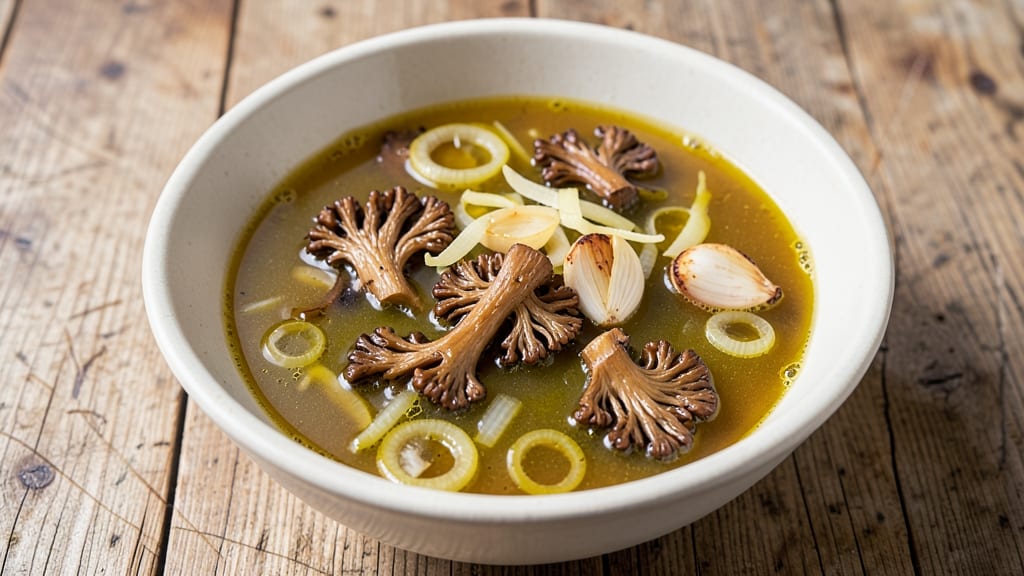
This maitake mushroom soup delivers restaurant-quality umami in just 25 minutes, transforming delicate hen-of-the-woods mushrooms into a velvety, deeply flavorful dish. The secret lies in proper preparation—slicing the mushrooms thinly to maximize their earthy depth while preserving their natural texture.
I developed this recipe after years of experimenting with wild mushroom soups, and it’s become a staple in my kitchen for its ability to satisfy even the most discerning palates.
The foundation of this soup is a rich, aromatic broth built with garlic, ginger, and a splash of soy sauce, which enhances the mushrooms’ natural umami without overpowering their delicate flavor.
Unlike many mushroom soups that rely on heavy cream, this version balances richness with a light, silky texture—achieved through careful simmering and optional blending. The result is a soup that’s both comforting and refined, perfect for chilly evenings or as a light yet satisfying main course.
By the time you finish this recipe, you’ll have a creamy, earthy soup with tender mushrooms floating in a golden broth, their edges slightly caramelized for added depth. The aroma alone—warm, aromatic, and deeply savory—will draw everyone to the table.
This isn’t just another mushroom soup; it’s a professional-quality dish that proves you don’t need hours or complicated techniques to create something extraordinary.
Serve it as a standalone meal or pair it with crusty bread to soak up every last drop of that umami-rich broth. The best part? Leftovers taste even better the next day as the flavors meld and deepen. Let’s get cooking—this soup is worth every minute of prep time.
Ingredients for maitake soup
Twelve ingredients transform delicate maitake mushrooms into restaurant-worthy umami depth.
| Ingredient | Amount | Notes |
|---|---|---|
| Fresh Maitake Mushrooms 🍄 | 12 oz | Stemmed, sliced thinly for texture |
| Extra-Virgin Olive Oil 🫒 | 2 tbsp | High quality, fruity variety |
| Yellow Onion 🧅 | 1 medium | Diced, about 1 cup |
| Fresh Ginger 🌿 | 1 tbsp | Grated finely, about 1/2 inch piece |
| Garlic Cloves 🧄 | 4 cloves | Minced, for aromatic depth |
| Vegetable Broth 💧 | 4 cups | Low-sodium preferred, homemade or store-bought |
| Soy Sauce 🍶 | 1 tbsp | Light or dark, for umami |
| Sesame Oil 🫒 | 1 tsp | Toasted, for finishing touch |
| Rice Vinegar 🍶 | 1 tbsp | White or seasoned, for brightness |
| Coconut Milk 🥥 | ½ cup | Full-fat, for creamy texture |
| Green Onions 🧅 | 2 whole | Sliced, for garnish |
| Sesame Seeds 🌾 | 1 tsp | Toasted, for garnish |
| Salt 🧂 | 1 tsp | Diamond Crystal preferred |
| Black Pepper 🌶️ | ½ tsp | Freshly ground, for heat |
The mushrooms are the star—look for plump, firm maitake with tightly packed fronds at Whole Foods or your local Asian market. They keep for 5-7 days in the fridge, but use them fresh for peak texture. The ginger and garlic should be freshly grated and minced—pre-minced garlic lacks punch. For the broth, homemade is ideal, but Pacific Foods or Imagine brand low-sodium options work in a pinch. The coconut milk adds richness without heaviness, so full-fat is worth the splurge.
No maitake? Shiitake or oyster mushrooms work in a pinch, but slice them thinner to mimic the texture. Fresh ginger too strong? Ground ginger at half the amount gets you close. Short on sesame oil? Toasted peanut oil adds nuttiness. The rice vinegar balances the umami—substitute apple cider vinegar if needed. For extra depth, add a dash of fish sauce (trust me, it blends in). The coconut milk can be swapped for Greek yogurt if you prefer tangier creaminess.
This soup reheats beautifully—just warm gently on the stove, stirring occasionally. Keeps 4-5 days in the fridge, freezes for 3 months. I double the batch and freeze portions for quick weeknight meals. For serving, toast the sesame seeds in a dry pan for 30 seconds until fragrant—game changer. Garnish with green onions and a drizzle of sesame oil right before eating to keep everything vibrant.
Why You'll Love This Recipe
- Here’s what sold me: I use the same base (onion, garlic, ginger) for stir-fries, pasta, or even a quick grain bowl. Maitake mushrooms are pricey, but a single batch stretches into three meals—plus, the rest of the ingredients cost pennies. Smart cooking, zero guilt.
- No Chopping Chaos: I swear by this recipe because those maitake mushrooms practically clean themselves—just pull the fronds apart, no knife needed. The onion and garlic get the lightest sear in olive oil while you wait, and boom, dinner’s already halfway there.
- Umami Bomb: That first sip? Chef’s kiss. The maitake’s natural earthiness meets the bright snap of fresh ginger and garlic—no bouillon cubes or mystery powders here. Honestly, the soup tastes like it simmered all day, even if it’s ready in 25 minutes.
- Leftovers That Beg: Between us, this soup only gets better the next day. The flavors meld into something richer, and it reheats like a dream. I make a double batch on Sundays because my kids will fight over the last bowl—no takeout needed.
Step-by-step instructions for maitake mushroom soup
Here's how to create a velvety maitake mushroom soup with layers of umami and brightness in record time.
Sauté the Maitake Mushrooms Until Golden
Heat the 2 tablespoons extra-virgin olive oil in a large pot over medium-high heat. Add the 12 ounces fresh maitake mushrooms, sliced thinly, and cook for 5-6 minutes until they release their moisture and begin to brown at the edges. The mushrooms should soften slightly while developing a deep, earthy aroma.
Here's the thing—don't overcrowd the pot. If your mushrooms are particularly thick, work in batches to ensure they crisp up properly. You're building flavor here, so let them develop that golden color before moving on. I like to stir occasionally but not constantly, allowing some spots to brown more deeply for extra depth.
Build the Aromatic Base with Onion, Ginger, and Garlic
Add the 1 medium yellow onion, diced, to the pot and cook for 3-4 minutes until softened and translucent. Stir in the 1 tablespoon fresh ginger and 4 cloves garlic cloves, minced, cooking for another 1-2 minutes until the garlic becomes fragrant but doesn't brown. You'll smell the aromatic compounds releasing—that's when you know you're on the right track.
This step is where the soup's foundation takes shape. The onion should be completely tender, and the garlic should be just about to change color. If it starts to brown too quickly, reduce the heat slightly. The goal is to develop these flavors without burning them, as charred aromatics can make the soup taste bitter.
Simmer with Broth and Seasonings
Pour in the 4 cups vegetable broth, scraping up any browned bits from the bottom of the pot. Add the 1 tablespoon soy sauce, 1 teaspoon salt, and 0.5 teaspoon black pepper, then bring the mixture to a gentle boil. Once boiling, reduce the heat to low and let it simmer uncovered for 10-12 minutes until the flavors meld together. You'll notice the soup thicken slightly as the mushrooms release more of their natural starches.
Taste the broth at this stage—it should be rich and savory, with a hint of umami from the mushrooms and soy sauce. If it needs more depth, add a splash more soy sauce. The soup should have a velvety texture but still be liquid enough to pour easily. This is the moment that matters: balancing the earthy mushrooms with the bright, savory broth.
Finish with Creaminess and Brightness
Stir in the 0.5 cup coconut milk and 1 tablespoon rice vinegar, simmering for an additional 3-4 minutes until the coconut milk is fully incorporated and the soup reaches your desired consistency. The vinegar adds a bright, almost citrusy note that cuts through the richness of the mushrooms and coconut milk. You'll see the soup take on a beautiful, creamy hue.
Here's where it gets fun—taste and adjust the seasoning. If the soup needs more salt, add it now. If it's too thick, stir in a splash of hot water or broth to reach your preferred consistency. The goal is a soup that coats the back of a spoon but isn't gluey. The coconut milk should blend seamlessly, adding a luxurious texture without overpowering the maitake flavor.
Garnish and Serve Immediately
Remove the pot from heat and stir in the 1 teaspoon sesame oil. This final touch adds a nutty, toasty aroma that elevates the dish. Ladle the soup into bowls and garnish each serving with 2 whole green onions, sliced, and 1 teaspoon sesame seeds. The green onions add a fresh, crisp contrast to the creamy soup, while the sesame seeds provide a subtle crunch and visual appeal.
Serve the soup immediately while it's hot and steaming. The contrast between the warm, creamy soup and the cool garnishes makes every bite even more satisfying. The maitake mushrooms should shine through with their earthy, umami-rich flavor, perfectly balanced by the bright rice vinegar and the creamy coconut milk. This is the kind of soup that tastes even better the second time around—so make extra!
Pro Tips For Making Maitake Soup
- CRANK THE HEAT FIRST: Fresh maitake mushrooms release their earthy flavor when seared properly—start with a screaming-hot pan (medium-high to high) and let them sizzle for 3-4 minutes before adding anything else. I used to wimp out with medium heat, and the soup always tasted underwhelming until I learned this.
- SLICE GINGER THINLY: No, "grate it" isn’t the answer here—thinly slice fresh ginger (about 1/8-inch thick) so it infuses the soup without turning it into a chewy mess. My first few batches had ginger chunks that never softened, so now I just run the knife along the grain for even slices.
- DON’T OVERCROWD THE PAN: Maitake mushrooms release a ton of moisture when cooked, so resist the urge to dump the whole batch in at once. Work in batches if needed—overcrowding steams them instead of searing, and you’ll end up with a watery soup instead of rich, caramelized flavor.
- SWAP OLIVE OIL FOR GARLIC: If you’re using extra-virgin olive oil (which has a lower smoke point), add the garlic and ginger after the mushrooms have seared and removed from the pan. This keeps their aroma intact—otherwise, you’ll just be cooking oil instead of flavor. (Yes, I’ve done it both ways.)
Storing and reheating this maitake soup
Refrigerator Storage
Let your maitake soup cool to room temperature for no more than 2 hours before transferring to airtight containers. I use glass Pyrex containers with snap-on lids because they preserve flavors better than plastic.
Store in the refrigerator at 40°F or below for up to 4-5 days. The soup’s flavors actually deepen overnight as the mushrooms absorb the broth’s richness. 💫
Freezer Preservation
For longer storage, portion the soup into quart-sized freezer bags or airtight containers, leaving 1-inch headspace for expansion. Freeze for up to 3 months—the coconut milk may separate slightly, but stir it back together when reheating.
I recommend labeling bags with the date to track freshness. Thaw overnight in the fridge for best texture. ❄️
Stovetop Reheating
My preferred method is gentle reheating on the stove to preserve the soup’s velvety texture. Transfer the desired portion to a pot and heat over medium-low heat for 8-10 minutes, stirring occasionally.
Add 1-2 tablespoons of water or broth if the soup thickens too much. The key is patience—rushing reheating can make the coconut milk curdle. 🔥
Microwave Method
For quick reheating, transfer the soup to a microwave-safe bowl and cover loosely with a microwave-safe lid. Heat on medium power (50%) for 2-3 minutes, stirring halfway through. Avoid high power to prevent hot spots that can scorch the mushrooms.
Stir in a splash of water if the soup looks dry after reheating. This method works best for single servings. ⚡
Reviving Texture
If your reheated soup loses its creaminess, stir in 1 tablespoon of coconut milk or a splash of warm broth to restore its luxurious texture. For extra depth, add a pinch of toasted sesame oil or a drop of soy sauce to rebalance the flavors.
The beauty of this soup is how forgiving it is—even after reheating, it remains rich and satisfying. 💡
Garnish Refresh
Always garnish reheated soup with fresh ingredients to brighten the dish. Toast sesame seeds in a dry pan for 30 seconds and sprinkle over the top, then add sliced green onions for a crisp contrast.
A drizzle of sesame oil adds aroma and ties all the flavors together. This simple step makes reheated soup taste almost as good as fresh! 🌿
Nutrition facts
Frequently asked questions about maitake mushroom soup
Can I substitute dried maitake mushrooms for fresh?
Yes, but you'll need to rehydrate them first. Soak 4 ounces dried maitake in 2 cups hot water for 20 minutes until plump. Drain and slice thinly before using in the recipe. Dried mushrooms intensify the earthy flavor, so you may want to reduce the soy sauce slightly to balance the taste.
How do I make this soup vegan?
Replace the coconut milk with full-fat coconut cream or cashew cream (blend 1 cup soaked cashews with 1 cup water until smooth). Use vegan vegetable broth and swap sesame oil for a neutral oil if needed. The umami will still shine through with the mushrooms and soy sauce.
Why did my soup turn out too thick?
This usually happens when mushrooms release too much starch during cooking. Thin with 2-3 tablespoons warm broth or water while reheating. For prevention, simmer the mushrooms with broth for no longer than 10 minutes and avoid overcrowding the pot. Stirring occasionally helps control thickness.
Can I add protein to this soup?
Stir in 1 cup cooked shrimp or 8 ounces firm tofu during the final 5 minutes of simmering. For meat lovers, add 6 ounces shredded chicken or pork at the same time. The protein will absorb the flavors beautifully without overpowering the mushrooms.
What's the best way to clean maitake mushrooms?
Use a damp paper towel to gently wipe away dirt from the fronds—never soak them. For stubborn debris, brush lightly with a soft mushroom brush. The stems should be firm; trim any discolored portions. Pat completely dry before slicing to prevent excess moisture in your soup. This keeps the texture perfect!