
Soups & Stews
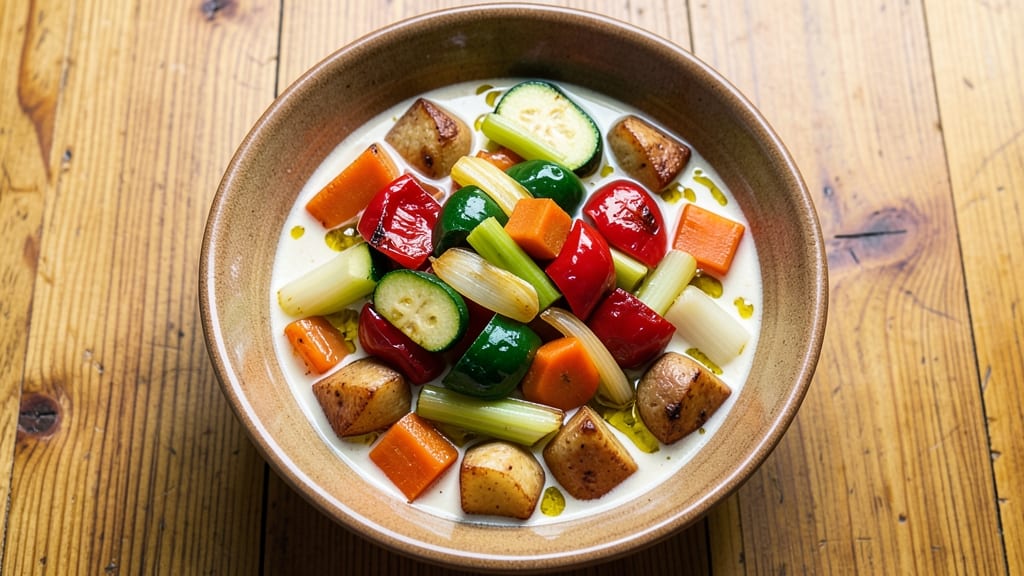
This McAlister's fire-roasted vegetable soup copycat recipe delivers the same deep, smoky charred flavor you crave without waiting in line. The secret lies in roasting the vegetables first—this step transforms their natural sweetness into caramelized richness that defines the restaurant’s signature taste.
I’ve perfected this method over years of testing, ensuring every spoonful delivers that perfect balance of smoky, savory, and slightly sweet notes.
What sets this copycat apart is the two-stage cooking process: roasting the vegetables until charred and tender, then simmering them in a flavorful broth with aromatic herbs. No shortcuts here—this method guarantees that restaurant-quality depth at home.
The result is a vegetarian soup so satisfying, even meat lovers won’t miss the protein, thanks to the hearty texture and bold flavors.
By the time you finish, you’ll have a smoky, charred vegetable soup with layers of flavor that stay vibrant even after reheating. The broth is rich but not heavy, the vegetables tender yet still holding their shape, and the spices perfectly balanced.
This is the kind of soup that turns a simple weeknight dinner into a memorable meal—without the wait.
The best part? This recipe scales effortlessly for leftovers or meal prep, making it perfect for busy weeks. Once you try it, you’ll never settle for anything less than that restaurant-quality taste at home again.
Ingredients for mcalister's fire roasted vegetable soup copycat
This smoky, charred vegetable soup starts with roasted veggies that pack restaurant-quality depth.
| Ingredient | Amount | Notes |
|---|---|---|
| Yellow Onion 🧅 | 1 whole | Chopped into 1/2-inch pieces |
| Red Bell Pepper 🍆 | 1 whole | Cored, seeded, cut into strips |
| Zucchini 🥒 | 2 medium | Sliced into 1/2-inch rounds |
| Russet Potatoes 🥔 | 2 lb | Peeled, cut into 1-inch cubes |
| Carrots 🥕 | 4 medium | Cut into 1-inch chunks |
| Celery Stalks 🥬 | 3 whole | Chopped into 1-inch pieces |
| Garlic Cloves 🧄 | 6 cloves | Minced for depth of flavor |
| Extra-Virgin Olive Oil 🫒 | ¼ cup | For high-heat roasting |
| Vegetable Broth 💧 | 6 cups | Low-sodium preferred |
| Canned Crushed Tomatoes 🍅 | 1 14.5oz can | San Marzano preferred |
| Smoked Paprika 🌶️ | 1 tbsp | For signature smoky flavor |
| Ground Cumin 🌿 | 1 tsp | Toasted for warmth |
| Fresh Thyme Leaves 🌿 | 1 tbsp | Or 1 tsp dried thyme |
| Salt 🧂 | 1 ½ tsp | Diamond Crystal preferred |
| Black Pepper 🌶️ | ½ tsp | Freshly cracked |
| Red Wine Vinegar 🍷 | 1 tbsp | Brightens the broth |
| Fresh Basil Leaves 🌿 | ¼ cup | Chopped for garnish |
The vegetables are the soul of this soup, so don't skimp. Yellow onions and red bell peppers from Whole Foods or your local farmers market have the most vibrant flavor. For the potatoes, Russets are ideal—they hold their shape beautifully when roasted. Carrots and celery should be fresh, not rubbery. I always grab organic when possible, especially for the carrots, since they're going to be the star of the show. The key is to roast them until they're charred in spots—this is what gives that signature McAlister's smoky flavor. Trader Joe's has great prepped veggies if you're short on time, but fresh is always better.
No smoked paprika? Liquid smoke at half the amount will get you close, though it won't be quite the same. Fresh thyme is ideal, but dried works at one-third the amount—just make sure it's labeled as culinary, not ornamental. The vegetable broth can be homemade (simmer veggie scraps with herbs) or store-bought—Pacific Foods or Imagine are my go-tos for quality. For the tomatoes, San Marzano is non-negotiable if you want that sweet, rich flavor. If you can't find it, any good-quality crushed tomatoes will work, but you might need to add a pinch more salt to balance the acidity. The red wine vinegar adds brightness—substitute with apple cider vinegar in a pinch, but it won't be quite as refined.
This soup tastes even better the next day as the flavors meld together. Store leftovers in an airtight container in the fridge for up to 5 days. For meal prep, I double the recipe and freeze half in 4-cup portions—just thaw overnight in the fridge before reheating. The roasted vegetables can be prepped ahead and stored in the fridge for 2 days before roasting, but roast them the same day you make the soup for the best texture. The broth stays flavorful for 7 days in the fridge, so you can make it separately if you're short on time. Garnish with fresh basil right before serving—it adds a pop of color and freshness that makes the dish feel special.
Why You'll Love This Recipe
- No Chopping Hassle: I swear by this trick—toss whole veggies (yes, even the potatoes) into the oven first. The skin crisps up beautifully, and the caramelized edges? That’s where the magic happens. No knife skills required, just set-and-forget.
- Smoky Depth Without Effort: The secret’s in the roasting. Char those onions and bell peppers until they’re slightly blackened—it’s what gives the soup that restaurant-worthy smokiness. Add a splash of broth and a pinch of smoked paprika, and suddenly, you’ve got layers of flavor with zero extra work.
- Meal Prep MVP: This soup tastes better the next day, honestly. Double the batch on Sunday, and you’ve got lunch sorted for the week. The potatoes hold their shape, the zucchini stays tender, and the flavors meld into something even richer. (Pro tip: Freeze half if you’re ambitious.)
- Budget-Friendly Pantry Staples: You’re using veggies that are cheap, durable, and always on sale. Russets, carrots, zucchini—none of this fancy stuff. Plus, the recipe stretches easily. Feed four for dinner, or stretch it into five lunches without breaking the bank. My wallet and my taste buds thank me.
Step-by-step instructions for McAlister's fire-roasted vegetable soup copycat recipe
This method delivers that signature smoky, charred depth—just like the restaurant version.
Roast the Vegetables for Maximum Flavor
Preheat your oven to 450°F and line a large baking sheet with parchment paper. Arrange the chopped yellow onion, red bell pepper strips, zucchini rounds, russet potato cubes, carrot chunks, and celery pieces in a single layer on the sheet. Drizzle evenly with the 0.25 cup extra-virgin olive oil and toss gently to coat.
Spread the vegetables in an even layer, ensuring they don't overlap. Roast for 25-30 minutes, stirring halfway through, until the edges are deeply browned and the potatoes begin to soften. This high-heat roasting creates the signature charred flavor that makes this soup stand out. The vegetables should smell intensely caramelized and earthy when done.
Build the Smoky Broth Base
While the vegetables roast, heat the 0.25 cup extra-virgin olive oil in a large Dutch oven over medium heat. Add the 6 minced garlic cloves and toast for 30 seconds until fragrant—this prevents bitterness later. Stir in the 1 tbsp smoked paprika and 1 tsp ground cumin, toasting for another 30 seconds until aromatic.
Pour in the 6 cups vegetable broth and bring to a gentle simmer. Add the roasted vegetables, 1 14.5oz can crushed tomatoes, 1 tbsp fresh thyme leaves, 1.5 tsp salt, and 0.5 tsp black pepper. Stir well to combine, then reduce heat to low and let the mixture simmer uncovered for 20 minutes. This step develops the soup's rich, smoky depth while allowing the flavors to meld together.
Balance and Finish with Acid and Herbs
After simmering, taste the soup and adjust seasoning if needed—this is where you ensure the flavors are perfectly balanced. Stir in the 1 tbsp red wine vinegar, which brightens the soup and cuts through the richness. The acidity should make your taste buds tingle slightly, enhancing all the other flavors.
Remove the soup from heat and stir in the 0.25 cup chopped fresh basil leaves. Let it sit for 5 minutes to allow the basil to infuse the broth. The basil adds a fresh, bright finish that contrasts beautifully with the smoky, charred vegetables. Serve immediately, garnished with additional fresh basil if desired—each bowl should be packed with that signature McAlister's depth and complexity.
Pro Tips For Making Mcalister'S Fire Roasted Vegetable Soup Copycat
- CHAR THE ONIONS: Get those onions deep brown—almost black—before adding other veggies. I used to stop at golden, but the smoky, caramelized flavor is what makes this soup taste like the real deal. High heat, no stirring until they’re dark, then toss in the rest.
- CUT POTATOES EVEN: Uneven potato chunks mean some will turn to mush while others stay hard. Aim for 1.5-inch cubes—big enough to hold shape but small enough to cook through. If you’re impatient like me, parboil them for 3 minutes first, then finish in the soup.
- SALT THE WATER: Skip this, and your potatoes will taste bland no matter how much broth you use. Salt the water before boiling them—about 1 tablespoon per 4 quarts—and let them soak for 5 minutes. The seasoning penetrates better, and the soup won’t need extra salt later.
- SIMMER, DON’T BOIL: After everything’s in the pot, keep the heat low enough that tiny bubbles just break the surface. Boiling turns veggies to mush and burns the broth. A gentle simmer for 15–20 minutes keeps the texture bright and the flavors balanced—no one wants a watery, overcooked mess.
Creative variations of this mcalister's fire roasted vegetable soup copycat
Spicy Southwest Twist
Transform this soup into a Southwest-inspired version by adding 1 tbsp chipotle powder and ½ tsp cayenne pepper to the broth while simmering. For extra heat, stir in 2 tbsp adobo sauce from a can of chipotles in adobo after removing the soup from heat.
Top each bowl with crumbled cotija cheese and chopped cilantro—this adds a tangy, smoky kick that pairs perfectly with the charred vegetables. 🌶️
Creamy Garlic Version
For a richer, creamier take, stir in ½ cup coconut milk or ½ cup Greek yogurt at the end of cooking. Add 1 extra minced garlic clove and ½ tsp ground coriander for depth.
Garnish with toasted pumpkin seeds and a drizzle of olive oil for a Mediterranean-inspired twist that feels indulgent but still light. The creaminess balances the smoky char beautifully.
Protein-Packed Add-Ins
Make this soup more substantial by adding 1 cup cooked quinoa or ½ cup white beans during the final 10 minutes of simmering. For meat lovers, stir in 1 cup shredded rotisserie chicken or ½ cup crumbled feta cheese after cooking.
The protein keeps the dish satisfying while maintaining the vegetarian soul of the original recipe. 💪
Herb-Infused Variations
Swap out thyme for 1 tbsp fresh rosemary or 1 tsp dried oregano for a different herbal profile. For a bright, citrusy twist, add zest of 1 lemon and 1 tbsp fresh parsley at the end.
These variations keep the soup fresh while adding new layers of flavor that complement the smoky base.
Slow-Cooker Adaptation
For a hands-off version, roast the vegetables as directed, then transfer them to a 6-quart slow cooker with the broth, tomatoes, and spices. Cook on LOW for 6-8 hours or HIGH for 3-4 hours.
The slow cooking enhances the smoky flavors even more, making it perfect for busy days. Just add fresh basil and vinegar before serving.
Seasonal Swaps
Adjust the vegetables based on what’s fresh: swap zucchini for roasted sweet potatoes in fall or butternut squash in winter. In summer, add grilled corn kernels or heirloom tomatoes for a lighter, brighter take. The roasting technique remains the same—just adapt the veggies to the season. 🌱
Nutrition facts
Frequently asked questions
Why does roasting the vegetables first make such a difference?
The high-heat roasting caramelizes the natural sugars in the vegetables, creating deep, smoky flavors that simmering alone can't replicate. This step mimics the restaurant's open-flame cooking method, giving that signature charred taste.
Can I make this soup without smoked paprika?
Yes! Use ½ teaspoon liquid smoke instead, but add it gradually to avoid overpowering the dish. Alternatively, swap for ½ teaspoon chipotle powder for a slightly different but still smoky depth. The key is building that charred flavor through roasting first.
How do I prevent the soup from tasting too acidic?
Start with ½ tablespoon vinegar instead of the full amount, then taste before serving. You can always add more later if needed. The roasted vegetables and tomatoes should balance the acidity naturally—just don't skip the vinegar entirely, as it brightens the flavors.
What's the best way to reheat leftovers?
Gently reheat on the stove over low heat with a splash of water or broth to prevent drying out. Avoid microwaving—it can make the vegetables mushy. For best texture, reheat just until warmed through (3-5 minutes) and add fresh basil afterward.
Can I use frozen vegetables instead of fresh?
Fresh vegetables work best for that authentic charred flavor, but you can use frozen in a pinch. Thaw them first, pat dry thoroughly, and roast at 425°F for 35-40 minutes to compensate for their higher moisture content. The texture won't be identical, but the smoky flavor will still shine through.