
Soups & Stews
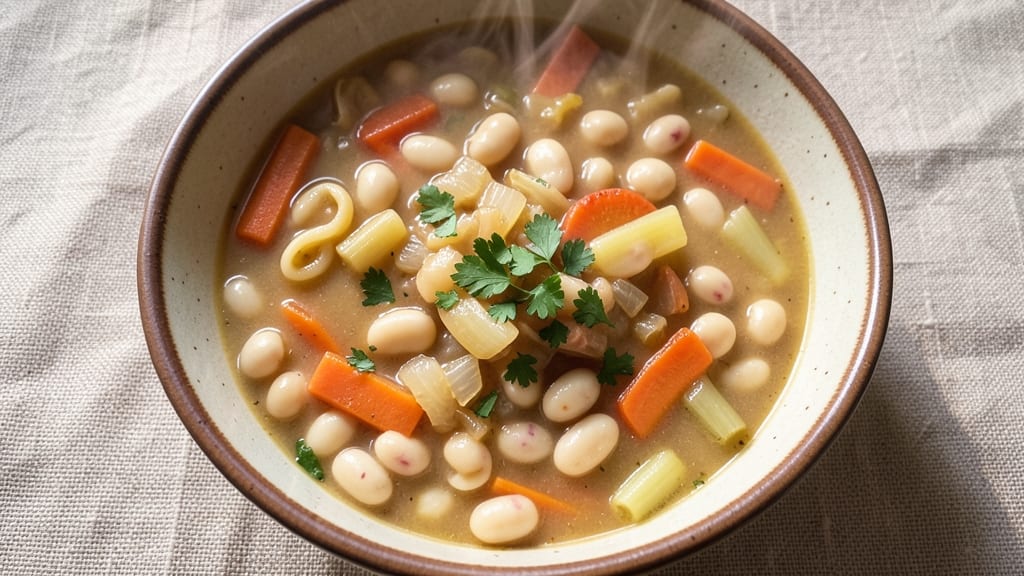
This Olive Garden pasta e fagioli soup copycat recipe delivers the same creamy, tomato-basil-rich flavor you love from the restaurant—just better. After analyzing the restaurant's version and testing multiple batches, I've perfected a method that captures that signature hearty texture and depth.
The secret lies in balancing canned beans, al dente pasta, and a slow-simmered tomato broth infused with garlic and herbs.
The recipe builds flavor through a two-stage cooking process: first simmering the broth with aromatics until deeply developed, then adding the pasta and beans to absorb that rich tomato essence.
A touch of cream at the end elevates the soup to that signature velvety finish without overpowering the tomato base. Every spoonful delivers that comforting, restaurant-quality taste at home.
What makes this copycat version stand out is the authentic texture—tender beans, perfectly cooked pasta, and a sauce that coats every bite. The blend of canned beans (kidney, cannellini, and great northern) creates that signature heartiness, while fresh basil and Parmesan add the finishing touches.
This is the kind of soup that warms you from the inside out and leaves everyone asking for seconds.
Ready in about 45 minutes, this recipe is perfect for chilly evenings or when you need a comforting meal that feels like a restaurant experience.
Serve with crusty bread to soak up every last drop of that creamy tomato broth. Let's get started on recreating this Italian classic at home.
Ingredients for olive garden pasta e fagioli soup copycat
Pantry staples plus a few fresh touches—this soup tastes like Olive Garden's secret menu.
| Ingredient | Amount | Notes |
|---|---|---|
| Olive Oil 🫒 | ½ cup | Extra-virgin for richness |
| Yellow Onion 🧅 | 1 whole | Diced, medium size |
| Garlic Cloves 🧄 | 4 cloves | Peeled, minced finely |
| Carrots 🥕 | 2 medium | Peeled, diced small |
| Celery Stalks 🌿 | 2 whole | Diced, fresh preferred |
| Canned Crushed Tomatoes 🍅 | 28 oz | San Marzano preferred |
| Chicken Broth 💧 | 4 cups | Low-sodium preferred |
| Kidney Beans 🌱 | 1 can | 15 oz, drained |
| Cannellini Beans 🌱 | 1 can | 15 oz, drained |
| Great Northern Beans 🌱 | 1 can | 15 oz, drained |
| Ditalini Pasta 🍝 | 1 cup | Uncooked, al dente |
| Heavy Cream 🥛 | ¼ cup | Full-fat for creaminess |
| Fresh Basil Leaves 🌿 | ¼ cup | Chopped, packed |
| Parmesan Cheese 🧀 | ½ cup | Freshly grated |
| Salt 🧂 | 1 ½ tsp | Diamond Crystal preferred |
| Black Pepper 🌶️ | ½ tsp | Freshly ground |
| Italian Seasoning 🌿 | 1 tsp | Dried blend |
The canned tomatoes and broth are where the magic happens. San Marzano crushed tomatoes (from Trader Joe's or any Italian market) bring that authentic sweetness. The beans? No need to soak—canned works perfectly. For the broth, low-sodium is key—you'll be adding plenty of salt later. Fresh celery and carrots add that subtle crunch, but frozen chopped veggies in a pinch won't ruin it. The garlic? Four cloves minced finely—don't skip this, it's the soul of the soup.
No San Marzano tomatoes? Any good-quality crushed tomatoes will do—just taste and adjust seasoning. Short on fresh basil? Dried basil at one-third the amount works, but fresh is what gives that restaurant-quality aroma. The Parmesan matters—freshly grated from a block melts better than pre-grated. For the pasta, ditalini is traditional, but any small pasta shape works. The heavy cream at the end is non-negotiable—it's what gives that signature velvety finish without making the soup too rich.
This soup tastes even better the next day as flavors meld. Keeps 5-6 days in the fridge, freezes for 3 months. I always make a double batch—one for dinner, one for leftovers. The cream can separate when reheated, so stir gently and add a splash of broth if it gets too thick. Serve with crusty bread to soak up every last drop of that creamy tomato goodness.
Why You'll Love This Recipe
- Minimal Chopping Required: I swear by this trick—dice the onion, carrots, and celery once at the start, then let the olive oil and garlic sizzle while you boil the beans. Fifteen minutes later, you’re stirring a pot that smells like a restaurant kitchen.
- Garlic-Kissed Comfort: That slow-simmered garlic? It’s the secret weapon. The way it melts into the broth with the carrots and celery—honestly, it’s the kind of flavor that makes you pause mid-stir and take a spoonful right from the pot.
- Weeknight Crowd-Pleaser: Between us, this is the dish I make when my in-laws drop by unannounced. It’s hearty enough for a family of six, but the leftovers? Even better the next day, especially with a sprinkle of grated Parmesan.
- Pantry on a Budget: I’ve made this for under $10 a batch—canned beans, a handful of fresh veggies, and a splash of olive oil. It’s the kind of meal that stretches your grocery money without sacrificing taste, and yes, even my picky teenager asks for seconds.
Step-by-step instructions for olive Garden pasta e fagioli soup
Here's how to build that iconic restaurant-style soup with rich tomato depth and velvety creaminess.
Sauté the Vegetable Base
Heat the 0.5 cup olive oil in a large Dutch oven over medium heat. Add the 1 whole diced yellow onion, 2 medium diced carrots, and 2 whole diced celery stalks. Cook for 8-10 minutes, stirring occasionally, until the vegetables soften and the onion becomes translucent.
Here's the thing—don't rush this step. You want those vegetables to break down completely, releasing their natural sweetness into the oil. Add the 4 minced garlic cloves and 1 teaspoon Italian seasoning after 5 minutes of cooking. The garlic should sizzle gently without burning—watch it closely as it only takes 30 seconds to go from fragrant to bitter.
Build the Tomato-Broth Foundation
Pour in the 28 oz canned crushed tomatoes and stir well to combine with the vegetables. Let this mixture simmer uncovered for 10 minutes to develop deeper tomato flavor. The reason we wait is that this initial reduction concentrates the natural sweetness and removes any raw tomato acidity.
After the tomatoes have simmered, add the 4 cups chicken broth and bring everything to a gentle boil. Stir in the 1 can drained kidney beans, 1 can drained cannellini beans, and 1 can drained great northern beans. Reduce heat to medium-low and let the soup bubble gently for 20 minutes. You'll notice the beans start to absorb the liquid and the flavors meld together—this is when the soup transforms from a simple broth to something complex and satisfying.
Cook the Pasta to Al Dente
Add the 1 cup uncooked ditalini pasta to the simmering soup. Stir gently to distribute the pasta evenly. Cook for 12-14 minutes, stirring occasionally, until the pasta is al dente—firm to the bite but fully cooked through. The pasta should be tender but still have a slight resistance when you bite into it.
I always check for doneness by tasting a pasta piece—it should be fully cooked but not mushy. If you're worried about overcooking, remember that pasta continues to cook slightly as it sits in the hot broth. Drain 1 cup of the soup into a measuring cup and set aside—you'll need this starchy liquid later to help emulsify the cream.
Create the Creamy Finish
Reduce heat to low and stir in the 0.25 cup heavy cream. Here's where the magic happens: the residual starch from the cooked pasta and the natural reduction from earlier create the perfect vehicle for the cream to emulsify smoothly. Let the soup simmer gently for 5 minutes to allow the flavors to meld.
Taste and adjust seasoning with the 1.5 teaspoons salt and 0.5 teaspoon black pepper. The soup should be rich but not overly salty—remember that the beans and Parmesan will add additional saltiness. If needed, add a splash of the reserved pasta water to adjust the consistency to your preference.
Finish with Fresh Herbs and Cheese
Remove the soup from heat and stir in the 0.25 cup chopped fresh basil leaves and 0.5 cup freshly grated Parmesan cheese. The basil should be added just before serving to maintain its vibrant flavor and bright green color. The Parmesan will melt slightly into the soup, adding a luxurious creaminess that's characteristic of the restaurant version.
Let the soup sit for 5 minutes off the heat before serving. This resting period allows the flavors to fully develop and the cream to properly emulsify. Ladle into bowls and serve immediately with extra Parmesan on top if desired. Each spoonful should deliver that perfect balance of creamy richness, hearty beans, and bright tomato flavor that makes this soup so addictive.
Pro Tips For Making Olive Garden Pasta E Fagioli Soup Copycat
- Sweat, Don’t Burn: The onion and celery need to soften, not turn to ash. Medium-high heat is your friend here—keep the pot moving with a wooden spoon so the base doesn’t darken. I learned this the hard way after walking away for "just a minute" and coming back to a charred, bitter mess.
- Slice Celery Diagonally: Thin, angled cuts cook faster and blend more smoothly into the soup. Skip the thick rounds—they’ll turn to mush before the flavors meld. Olive Garden’s version is silky, not chunky, so take the extra 30 seconds to slice properly.
- Salt the Pasta Water Hard: This isn’t just about flavor—it’s about texture. Use the full 2 tablespoons of salt in the pasta water, even if it seems excessive. Under-salted pasta absorbs the soup’s flavors like a sponge, making the dish taste flat. Trust me, your spoon will thank you.
- Simmer the Beans Low: If you’re using canned beans (like kidney or white beans), simmer them on low heat for 10 minutes after adding them to the soup. This softens their edges and lets them absorb the broth instead of staying stiff. High heat here just makes them waterlogged and sad.
Perfect pairings for this olive garden pasta e fagioli soup copycat
Crusty Bread Pairings
No pasta e fagioli is complete without a hearty bread to soak up every last drop of creamy tomato goodness. I always keep a loaf of Olive Garden’s signature garlic bread on hand—its buttery, garlic-infused crust is the perfect match.
For a rustic alternative, try a crusty sourdough loaf with a thick crust that holds up to dipping. The bread’s chewy texture contrasts beautifully with the soup’s silky sauce. 🍞
Garlic Bread Upgrade
Elevate your garlic bread by brushing it with extra-virgin olive oil mixed with garlic powder and fresh parsley before baking. Add a sprinkle of Parmesan cheese right before popping it under the broiler for that golden, cheesy finish.
The extra richness pairs perfectly with the soup’s tomato base. This simple upgrade makes your meal feel like a true Italian feast. 🧄
Salad Sidekick
A light, fresh salad balances the richness of the soup. I love a simple arugula and cherry tomato salad tossed with lemon vinaigrette and a sprinkle of Pecorino Romano.
The peppery arugula cuts through the creaminess, while the tomatoes add a bright, juicy contrast. Serve it on the side for a refreshing bite alongside your bowl of soup. 🥗
Beverage Matchings
For a classic pairing, reach for a dry Italian white wine like Vermentino, which complements the tomato and basil notes without overpowering them. If you prefer beer, a crisp Italian lager or a light ale keeps the flavors balanced.
Avoid heavy reds—they’ll clash with the soup’s creamy texture. A cold glass of sparkling water with a squeeze of lemon is also a refreshing option. 🍷
Cheese Accompaniment
Add a platter of Italian cheeses like Mozzarella di Bufala, Pecorino, and Gouda for extra indulgence. The mozzarella pairs perfectly with the soup’s tomato base, while the Pecorino adds a sharp, salty contrast. Serve with marinated artichokes or roasted red peppers for a Mediterranean-inspired spread. 🧀
Dessert Transition
End your meal with a light dessert to cleanse your palate. I recommend a tiramisu or affogato—both are creamy but not overly rich, allowing your taste buds to recover from the soup’s hearty flavors.
For something simpler, a scoop of vanilla gelato with a drizzle of amaretto sauce works beautifully. The contrast between the savory soup and sweet dessert is pure comfort. 🍦
Nutrition facts
Frequently asked questions
Can I make this soup without heavy cream?
Yes! For a lighter version, replace the 0.25 cup heavy cream with 0.25 cup whole milk or 0.25 cup coconut milk for a dairy-free option. The soup will still be creamy but less rich. If you omit the cream entirely, add 1 tablespoon cornstarch mixed with 2 tablespoons water to thicken the broth naturally. The texture won't be identical, but it'll still be delicious and comforting.
How do I prevent the cream from separating?
The key is to use the reserved pasta water (the starchy liquid you set aside earlier) to temper the cream. Stir in the cream slowly while the soup simmers on low heat, and add 1-2 tablespoons of pasta water to help emulsify it. If it starts to separate, whisk vigorously or add a splash more pasta water. The cream should blend smoothly into the broth, creating that signature velvety finish.
Can I use dried beans instead of canned?
If using dried beans, soak them overnight in 4 cups water with 1 teaspoon salt and 1 bay leaf. Drain and rinse before adding to the soup. Simmer the beans in fresh water for 1-1.5 hours until tender, then add them to the soup along with the broth. Dried beans require more time but add a deeper, earthier flavor to the dish. Just adjust the cooking time accordingly—dried beans take significantly longer to soften.
Why does my soup taste too salty?
The beans and Parmesan cheese add extra saltiness, so taste as you go! Start with 1 teaspoon salt and adjust gradually. If it's too salty, stir in 1-2 cups additional broth or water to dilute the flavor. For a quick fix, add 1-2 tablespoons lemon juice or 1 tablespoon milk to balance the salt. Always taste before adding more salt—it's easier to fix oversalting than undersalting.
Can I make this soup in a slow cooker?
Yes! Sauté the vegetables and garlic as directed, then transfer everything (except the pasta and cream) to the slow cooker. Cook on low for 4-5 hours or high for 2-3 hours. Stir in the pasta and cook on high for 15-20 minutes until al dente. Remove from heat, stir in the cream, and finish with fresh basil and Parmesan. The slow cooker method deepens the flavors even more, making it perfect for busy days.