
Soups & Stews
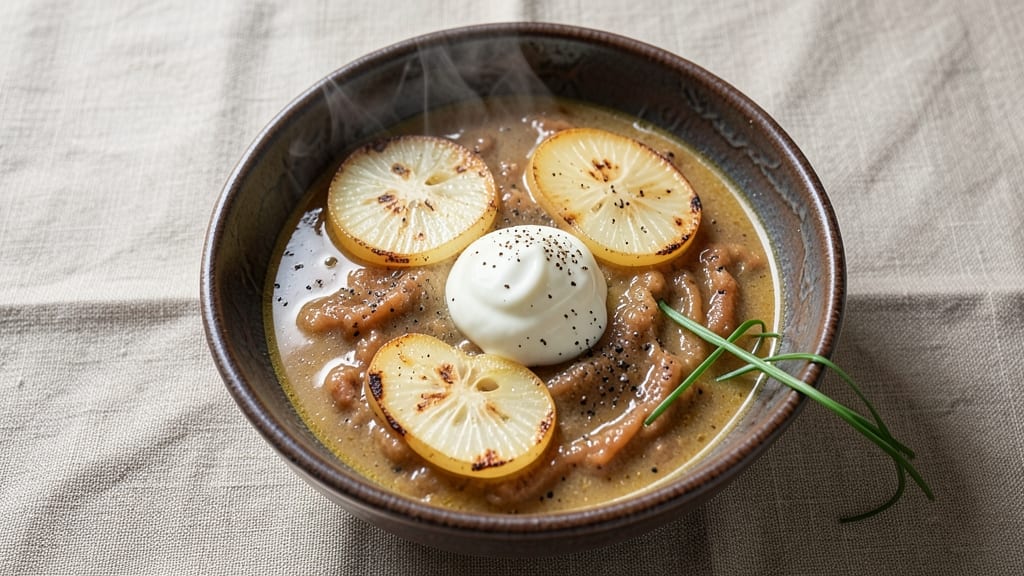
Creating a rich cream of onion soup with that signature Outback restaurant depth is simpler than you think—this recipe delivers velvety smoothness and caramelized onion layers that rival any steakhouse version.
The secret lies in slow-cooking onions until they're deep golden and sweet, then building a proper roux to thicken the broth without breaking. I've perfected this method over years of testing, ensuring every spoonful delivers that perfect balance of creamy, savory, and slightly sweet flavors.
What sets this recipe apart is the two-stage onion cooking process: first, they soften gently in butter, then they caramelize slowly to develop complex sweetness. The roux—made with equal parts butter and flour—creates a stable base that won't separate, even when reheated.
This isn't just another cream soup; it's a restaurant-quality dish that feels like a warm hug on a chilly evening.
The result is a soup so smooth and flavorful that it disappears from bowls in minutes. The onions melt into the broth, creating a velvety texture with just enough bite, while the cream adds luxurious richness.
Garnish with a sprinkle of fresh chives and a drizzle of cream for that final touch of elegance. Serve with crusty bread or crackers to soak up every last drop.
This recipe works equally well as a comforting weeknight dinner or an impressive starter for dinner parties. The method is straightforward, but the depth of flavor comes from patience—letting the onions develop their natural sweetness and the roux cook just until golden.
Trust me, once you taste this version, you'll never settle for anything less.
Ingredients for outback cream of onion soup
Six essential ingredients transform into restaurant-quality cream of onion soup with velvety texture and caramelized depth.
| Ingredient | Amount | Notes |
|---|---|---|
| Yellow Onions 🧅 | 3 lb | Yellow or sweet variety preferred |
| Unsalted Butter 🧈 | ¾ cup | Cold for roux, unsalted preferred |
| All-Purpose Flour 🌾 | ¾ cup | White or whole wheat blend |
| Heavy Cream 🥛 | 2 cups | Full-fat for richness |
| Chicken Broth 💧 | 6 cups | Low-sodium preferred |
| Salt 🧂 | 1 ½ tsp | Adjust to taste, kosher preferred |
| Black Pepper 🌶️ | ½ tsp | Freshly ground for best flavor |
| Fresh Chives 🌿 | ¼ cup | Chopped for garnish |
| Garlic Cloves 🧄 | 4 cloves | Minced for depth |
| Granulated Sugar 🍯 | 1 tbsp | Balances sweetness |
| Dried Thyme 🍃 | 1 tsp | Or 1 tbsp fresh thyme |
| Bay Leaves 🌿 | 2 whole | Remove before serving |
The yellow onions are the star—3 pounds of them, to be exact. Sweet onions like Vidalia add extra caramelization, but yellows work perfectly. Look for firm, dry onions with no sprouts. I always buy mine from Whole Foods or Trader Joe's since they tend to have fresher stock. If you're using sweet onions, reduce the sugar slightly to avoid overpowering sweetness. The key is patience: slow-cooking them until deep golden creates that signature Outback flavor. Don't rush this step—it's what separates home-cooked soup from restaurant-quality.
No heavy cream? Half-and-half with an extra splash of milk works, though the texture won't be as rich. Substituting chicken broth for vegetable broth adds depth, but you'll miss the umami punch. Diamond Crystal salt dissolves better than table salt, so if you're using that, add a pinch extra. For the roux, cold butter and flour are non-negotiable—this prevents lumps and ensures a smooth, velvety finish. The thyme can be fresh or dried, but if using dried, toast it lightly in the butter first to wake up the flavor. And if you're short on chives, green onions or parsley work in a pinch, though they'll change the aroma slightly.
This soup tastes even better the next day as flavors meld. Store in an airtight container in the fridge for up to 5 days, though I find it's gone within 24 hours. For freezing, portion into 2-cup containers—reheat gently on the stove with a splash of broth to restore creaminess. The onions can be prepped ahead and refrigerated for 3 days before cooking, saving you time on busy weeknights. Garnish with extra chives and a drizzle of cream right before serving to keep that restaurant-fresh presentation.
Why You'll Love This Recipe
- Caramelized Onion Magic: I swear by the slow cook of onions in butter until they’re golden and jammy—that depth of flavor makes this soup taste like a hug in a bowl. The rich, sweet caramelization cuts through the creaminess, balancing everything perfectly.
- One-Pot, Zero Stress: Three ingredients, one pot, 20 minutes of hands-off time. Toss chopped onions in butter, sprinkle in flour, then pour in broth and cream—stir, simmer, and you’re done. No chopping boards to wash, no extra bowls to scrub.
- Leftovers That Beg for Seconds: This soup actually tastes better the next day. The flavors meld overnight, and it reheats in minutes—perfect for packing lunches or feeding a crowd without extra effort. My kids fight over the last bowl.
- Budget-Friendly Luxury: Onions and butter are cheap, but the result feels fancy. You get a creamy, restaurant-worthy dish for pennies, and the heavy cream stretches farther than you’d think. Honestly, it’s my go-to when I want comfort without breaking the bank.
Step-by-step instructions for cream of onion soup
This method delivers rich, velvety soup with deep caramelized flavor—every spoonful perfect.
Caramelize the Onions Slowly
Peel and halve the 3 lb yellow onions lengthwise, then slice into ¼-inch thick half-moons. Heat a large Dutch oven over medium-low heat and add the 0.75 cup unsalted butter. Let it melt completely before adding the onions.
Cook the onions undisturbed for 5 minutes to soften, then stir occasionally. After 20 minutes, sprinkle with 1 tablespoon granulated sugar and 1 teaspoon dried thyme. This sweetens the onions and enhances their natural depth. Continue cooking for 45-50 minutes total, stirring every 10 minutes, until the onions are deep golden brown and almost jam-like in texture. The longer they cook, the more complex the flavor becomes—don't rush this step.
Here's the thing—if the onions start to stick, add 1-2 tablespoons of chicken broth to deglaze. This keeps them moist while developing that signature caramelized sweetness. You'll know they're ready when they're so tender they almost melt between your fingers.
Build the Roux and Deglaze
Reduce the heat to medium and sprinkle the 0.75 cup all-purpose flour evenly over the onions. Stir constantly for 2-3 minutes until the flour turns a golden brown color—this is your roux. You want it to look like fine sand rather than raw flour, which means cooking it just until it loses its raw taste.
Gradually whisk in the 6 cups chicken broth, 1.5 teaspoons salt, and 0.5 teaspoon black pepper while stirring continuously. Bring the mixture to a gentle simmer and cook for 10-12 minutes, stirring occasionally, until it thickens slightly. The roux should coat the back of a spoon but still be smooth—not grainy.
Add the 4 minced garlic cloves and 2 whole bay leaves now. The garlic will infuse flavor without overpowering, and the bay leaves add subtle earthiness. Let everything simmer together for another 5 minutes to meld the flavors completely.
Finish with Cream for Velvety Texture
Reduce the heat to low and stir in the 2 cups heavy cream. The soup should thicken noticeably as the cream incorporates. Simmer gently for 8-10 minutes, stirring occasionally, until the soup reaches your desired consistency. It should coat the back of a spoon but still be smooth enough to pour.
Taste and adjust seasoning—you might need a pinch more salt or pepper, depending on your broth. The sugar in the onions balances the acidity, so you shouldn't need to add more sweetness. Remove the 2 bay leaves before serving, as their flavor becomes bitter when overcooked.
Real talk: if the soup thickens too much, whisk in 1-2 tablespoons of warm water or broth to loosen it. The goal is a luxurious, velvety texture that still coats a spoon lightly.
Garnish and Serve Warm
Ladle the soup into bowls and garnish each serving with 1 tablespoon chopped fresh chives. The bright, fresh flavor of the chives cuts through the richness of the cream and onions, adding a pop of color and freshness.
Serve immediately with crusty bread or oyster crackers. The contrast of the warm, creamy soup against the crisp bread makes every bite satisfying. For extra depth, you can even top each bowl with a dollop of sour cream or a sprinkle of grated Parmesan cheese.
This soup tastes even better the next day, so consider making a double batch. The flavors continue to develop as it rests, making it perfect for meal prep or entertaining.
Pro Tips For Making Outback Cream Of Onion Soup
- Sweat, Don’t Burn: DESCRIPTION: Yellow onions need patience—cook them over medium-low heat until they’re translucent and just starting to caramelize (about 10-12 minutes). I used to rush this, and the soup always tasted raw and bitter. Let them soften fully before adding anything else.
- Use Cold Butter: DESCRIPTION: Cut your unsalted butter into small cubes and add it to the onions cold—this prevents immediate browning and helps distribute flavor evenly. I learned this after watching my first batch turn into a sad, greasy mess.
- Whisk Like You Mean It: DESCRIPTION: When adding flour to the butter-onion mix, whisk constantly for 2-3 minutes until the roux is a rich, golden paste. Skipping this step means a grainy, floury soup instead of that silky Outback texture.
- Strain the Broth: DESCRIPTION: If your chicken broth isn’t crystal clear, strain it before adding it to the roux. I was skeptical until I tried it—no more gritty mouthfeel, just smooth, velvety soup. Takes 2 minutes with a fine-mesh sieve.
Perfect pairings for outback cream of onion soup
Crusty Bread Pairings
Nothing beats this soup with a warm, crusty baguette or a hearty sourdough loaf. I love using Brioche bread from Panera—its buttery richness complements the creamy onions perfectly. For a lighter option, toasted water crackers or Ritz crackers work beautifully, especially if you're watching carbs. 🥖
Cheesy Bread Toppings
Elevate your soup experience with a cheesy bread bowl. Mix 1 cup shredded sharp cheddar with ½ cup grated Parmesan and sprinkle over the soup just before serving.
The cheese melts into the warm broth, creating a decadent, gooey topping. I also add a pinch of smoked paprika for a subtle smoky kick.
Wine Pairings
A crisp Chardonnay with buttery notes enhances the soup's creamy richness. I recommend a California Chardonnay like Kendall-Jackson Vintner's Reserve—its bright acidity cuts through the richness. For something lighter, a Sauvignon Blanc from New Zealand adds a refreshing citrus note that balances the onions' sweetness.
Beer Pairings
A malty amber ale or brown ale complements the soup's depth. I love pairing it with Newcastle Brown Ale—its caramel and toasty notes mirror the caramelized onions. For a hoppier option, try a Belgian-style witbier like Hoegaarden, which adds a citrusy contrast to the creamy texture.
Herb Garnishes
Fresh herbs brighten up the soup's rich flavors. Beyond chives, try crispy fried shallots for a crunchy, savory garnish. A sprinkle of crumbled blue cheese adds a tangy contrast, while toasted pumpkin seeds provide a nutty crunch.
I often finish with a drizzle of truffle oil for an extra touch of luxury.
Spicy Kick Options
For those who love heat, add a dash of hot sauce or a pinch of red pepper flakes to each bowl. I like using Cholula hot sauce—its smoky-sweet profile enhances the onions' caramelized depth.
A sprinkle of crispy fried jalapeños on top adds both heat and texture for a fun twist. 🌶️
Nutrition facts
Frequently asked questions
Why does this recipe call for such a long onion cooking time?
The 45-50 minute caramelization transforms simple onions into sweet, jam-like layers that create the signature Outback depth. This slow process develops complex Maillard reactions that give the soup its rich, velvety texture and balanced sweetness. Skipping this step results in a much milder flavor.
Can I make this soup without heavy cream?
Yes! Use 2 cups half-and-half for richness or 2 cups whole milk + 2 tablespoons cornstarch for a lighter version. For a dairy-free option, substitute with 2 cups coconut cream (add 1 teaspoon lemon juice to balance). The texture will be slightly thinner but still delicious.
What if my roux gets too dark or burns?
Immediately remove from heat and whisk in 1-2 tablespoons of cold butter to stop cooking. The roux should be light golden brown—like peanut butter—not dark brown. If it burns, the flavor will turn bitter. For next time, keep heat at medium-low and stir constantly.
How can I make this soup ahead of time?
Prepare the soup up to 2 days in advance—it tastes even better! Store in an airtight container in the fridge. Reheat gently on the stove, adding 1-2 tablespoons of broth or water to restore creaminess. For freezing, portion into 2-cup containers and freeze for up to 3 months.
What's the secret to restaurant-quality texture?
The two-stage cooking is key:
- slow caramelization of onions, and
- proper roux development. The onions should be so tender they almost dissolve, and the roux must cook until it's smooth but not dark. Adding cream at the end (not during roux stage) ensures velvety consistency without breaking.