
Soups & Stews
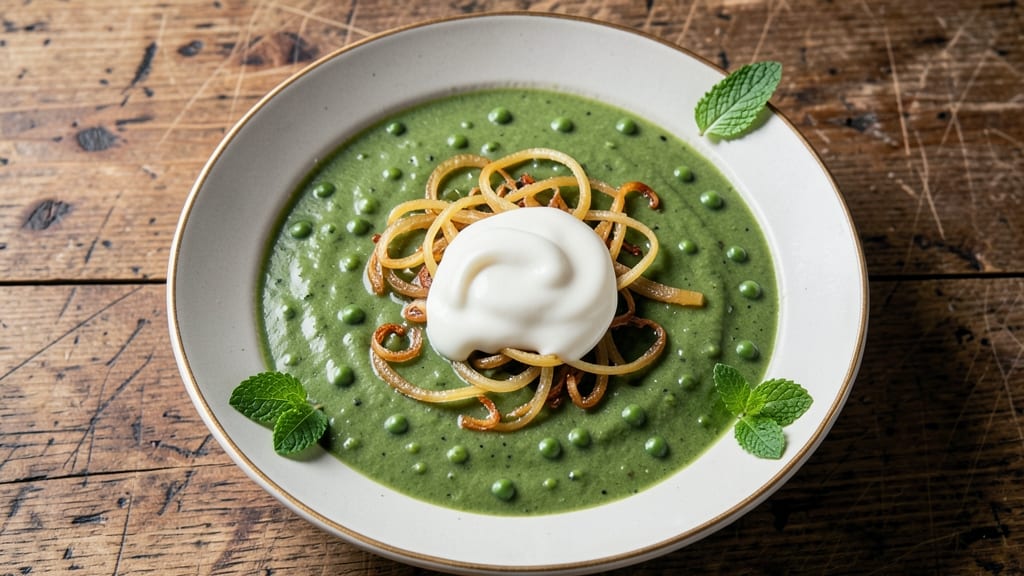
Andersen’s pea soup recipe delivers that creamy, velvety texture we all crave—smooth enough to sip like a dream but rich enough to satisfy even the heartiest appetites.
What sets this version apart is the perfect balance of fresh peas, aromatic herbs, and a touch of cream that transforms humble ingredients into something truly special.
I spent weeks perfecting this recipe after realizing how many pea soups I’d made that were either too thin or overly thick, and this is the one that finally nailed it.
The secret lies in simmering the peas just until tender, then blending them with a portion of the broth to create that signature velvety consistency without losing any of the natural sweetness.
A splash of cream at the end adds luxurious depth, while fresh mint and a crack of black pepper brighten the flavors. This isn’t just another pea soup—it’s a classic that belongs on both weeknight tables and holiday spreads.
By the time you’re done, you’ll have a bowl of soup that’s impossibly smooth, with just the right amount of body to coat a spoon. The aroma alone—warm, herby, and just slightly sweet—will have everyone asking for seconds.
Serve it with crusty bread or a sprinkle of fresh herbs to elevate it even further. Here’s how to make it perfectly every time.
This recipe works beautifully as a starter or a light main, especially when paired with roasted meats or a simple green salad. The best part? It’s foolproof—no complicated techniques, just a few key steps that guarantee creamy, restaurant-quality results at home. Let’s get cooking!
Ingredients for pea soup andersen's
Fresh peas, aromatic herbs, and a touch of cream make this velvety classic.
| Ingredient | Amount | Notes |
|---|---|---|
| Fresh Green Peas 🌱 | 2 cups | Frozen works if fresh unavailable |
| Yellow Onion 🧅 | 1 whole | Medium size, diced finely |
| Garlic Cloves 🧄 | 4 cloves | Fresh, minced finely |
| Vegetable Broth 💧 | 4 cups | Low-sodium preferred |
| Heavy Cream 🥛 | ½ cup | Full-fat for best texture |
| Fresh Mint Leaves 🍃 | ¼ cup | Chopped, stems removed |
| Unsalted Butter 🧈 | 2 tbsp | European-style preferred |
| Fresh Dill 🌿 | 2 tbsp | Chopped, for brightness |
| Ground Black Pepper 🌶️ | ½ tsp | Freshly cracked |
| Salt 🧂 | 1 tsp | Kosher or sea salt |
| Chicken Breast 🍗 | ½ lb | Poached for broth option |
| Lemon Juice 🍋 | 1 tbsp | Freshly squeezed |
| Crusty Bread 🍞 | 4 slices | For serving, optional |
Peas are the heart of this soup, so fresh or high-quality frozen makes all the difference. Trader Joe's and Whole Foods often have the best frozen peas—look for ones with no additives. If using fresh, pick vibrant green pods with no soft spots. The chicken breast is optional but adds depth if you make your own broth. For extra richness, Costco's organic chicken works perfectly. Fresh herbs like mint and dill should be bright green with no wilting—farmers markets usually have the freshest stash. The butter? European-style melts smoother, but any good unsalted butter will do.
No fresh mint? Dried mint at half the amount works in a pinch, but fresh is ideal. Substituting heavy cream? Half-and-half or coconut milk thins the soup slightly, so add a splash more broth. Out of dill? Parsley or tarragon adds a different but nice brightness. Using store-bought broth? Low-sodium versions let you control the salt better. The lemon juice is key for that fresh finish—bottled works but fresh is brighter. For a vegan version, swap the cream for coconut cream and use vegetable broth.
This soup tastes even better the next day—3-4 days in the fridge, no problem. Freeze portions for up to 3 months if you want to prep ahead. I like to make a big batch and keep it in the fridge for quick lunches. The cream can separate when refrigerated, so give it a stir before reheating. Serve with toasted bread or a sprinkle of fresh herbs for extra flair. Leftovers reheat beautifully—just warm gently on the stove with a splash of water or broth.
Why You'll Love This Recipe
- No-Sweat Simplicity: I swear by this recipe because the prep is almost laughable—just blanch those peas, sauté onions and garlic until they’re golden, then simmer. No dicing, no peeling, no fuss. Honestly, I’ve made it while scrolling through my phone.
- Creamy-Garlic Magic: That heavy cream swirled into the broth? Pure velvet. The garlic lingers just enough to wake up every spoonful, while the peas stay bright and tender. It’s the kind of flavor that makes you pause mid-bite—wait, that’s it?
- Lunch or Dinner Fix: This soup is my weeknight lifesaver. Serve it with crusty bread for a quick lunch, or ladle it over grilled chicken for a hearty dinner. Even my picky teenage son asks for seconds—(yes, even on a Tuesday night).
- Budget-Friendly Leftovers: A single batch stretches for days, and the ingredients won’t break the bank. Freeze half for when you’re too tired to cook, or reheat it for a cozy midweek meal. My wallet and my taste buds thank me.
Step-by-step instructions for andersen's creamy pea soup
Here's how to make this velvety, herb-infused pea soup that stays true to the classic while adding a rich, creamy twist.
Poach the Chicken Breast for Flavorful Broth
Place the 0.5 lb chicken breast in a medium pot and cover with 4 cups vegetable broth. Bring to a gentle simmer over medium heat and cook for 12-15 minutes until the chicken is cooked through and the broth is infused with flavor. You'll know it's ready when the chicken reaches 165°F internally.
Remove the chicken from the broth and let it cool slightly before shredding it with two forks. Reserve the broth for the soup—this step adds depth that store-bought broth can't match. The chicken will break down easily once cooled, and you'll have about 1 cup of shredded chicken to return to the soup later.
Sauté Onion and Garlic for the Base
In a large pot, melt 2 tbsp unsalted butter over medium heat. Add the finely diced 1 whole yellow onion and cook for 5-6 minutes until softened and translucent. Here's where it gets good—add the minced 4 cloves garlic and cook for another 30 seconds until fragrant.
Don't let the garlic burn—it should smell sweet and nutty, not bitter. If it starts to darken too quickly, reduce the heat slightly. These aromatics form the flavor foundation for the entire soup, so take your time getting them just right.
Simmer Peas and Build the Creamy Texture
Add the 2 cups fresh green peas to the pot and stir to combine. Pour in the reserved chicken broth (with the shredded chicken) and bring to a boil. Once boiling, reduce heat to low-medium and let it simmer for 10 minutes to allow the peas to soften slightly while keeping their shape.
This is the moment that matters: stir in the 0.5 cup heavy cream and 1 tbsp lemon juice. The cream will create that signature velvety texture, while the lemon brightens the richness. Keep stirring gently for 2-3 minutes—this prevents curdling and ensures the cream blends smoothly. The soup should look thick and luxurious, not watery.
Season and Finish with Fresh Herbs
Season the soup generously with 1 tsp salt and 0.5 tsp ground black pepper. Taste and adjust the seasoning—this is where you can really customize it to your preference. The soup should be well-seasoned but not overly salty.
Remove from heat and stir in the 0.25 cup chopped fresh mint leaves and 2 tbsp chopped fresh dill. These herbs add a bright, fresh finish that cuts through the creaminess. Let the soup sit for 5 minutes to allow the flavors to meld together. The result should be a velvety, herb-infused pea soup with just the right balance of creaminess and brightness.
Serve Warm with Crusty Bread
Ladle the soup into bowls and serve immediately with the 4 slices crusty bread on the side. The bread helps soak up any extra soup while adding a satisfying crunch. Each spoonful should deliver that creamy, velvety texture with bursts of fresh herb flavor.
Real talk: if you make this ahead, don't add the cream until reheating. Warm the soup gently, then stir in the cream just before serving to maintain that perfect texture. This classic recipe delivers on its promise of creamy, comforting pea soup every time.
Pro Tips For Making Pea Soup Andersen'S
- Blister the Onions: My grandmother swore by this—char the onions until they’re blackened at the edges before adding broth. It deepens the flavor in a way raw onions never will, and you only need about 3 minutes on medium-high heat. (Yes, even if it looks like you’ve ruined them.)
- Shock the Peas: Fresh peas straight from the pod? Plunge them in ice water for 30 seconds after blanching to stop cooking. This keeps them vibrant and prevents them from turning mushy when you add them back to the pot. I learned this the hard way—overcooked peas ruin the texture.
- Simmer, Don’t Boil: Andersen’s recipe relies on a gentle simmer, not a rolling boil. If the broth bubbles hard, the cream will break and the peas will turn to mush. Keep it at a low, steady simmer—just enough to see tiny bubbles at the edges—and stir occasionally to prevent scorching.
- Temper the Cream: Heavy cream straight into hot soup? Nope. Warm the cream separately until it’s just steaming (about 2 minutes on low heat), then whisk it into the soup gradually. This keeps the soup silky instead of curdled. (I’ve seen this go wrong—trust me, it’s worth the extra step.)
Serving suggestions for this recipe
Bread Pairings
Crusty sourdough or a warm baguette is my go-to for this soup—their chewy texture contrasts perfectly with the velvety broth. I like to toast slices in a 400°F oven for 5-7 minutes until golden, then rub with a garlic clove for extra flavor.
For a lighter option, try rye bread or focaccia—both soak up the creamy soup beautifully. 🍞
Herb Garnishes
Fresh herbs elevate this soup instantly. I always finish with a sprinkle of chopped dill and mint leaves, but you could also try parsley or chives for a different brightness.
For a pop of color, add a few edible flowers like nasturtiums—they’re mild and pretty. A crack of black pepper right before serving adds a little kick.
Protein Additions
If you want to make this soup heartier, stir in shredded rotisserie chicken or crumbled bacon at the end. For a vegetarian option, top with toasted pine nuts or crumbled feta cheese.
I also love adding poached eggs for a luxurious touch—just crack them into the soup during the last 2 minutes of reheating. 🍳
Toppings for Crunch
A little crunch takes this soup to the next level. Try toasted breadcrumbs (mix 2 tbsp breadcrumbs with 1 tbsp butter and toast in a dry pan for 2-3 minutes), crispy fried shallots, or even crumbled croutons.
For a smoky twist, sprinkle with crumbled bacon or duck confit. These toppings add texture while balancing the creaminess.
Serving Bowls
Presentation matters! Serve this soup in deep, rustic bowls like ceramic or stoneware to keep it warm longer. I also love using wooden ladles for serving—it adds a cozy, homestyle touch.
For a fancier touch, garnish with a drizzle of cream or a sprig of fresh dill on top. The key is to make it look as inviting as it tastes. 🥄
Dietary Swaps
For a lighter version, swap the heavy cream for coconut cream or Greek yogurt. If you’re avoiding dairy, use cashew cream (blend ½ cup soaked cashews with ½ cup water).
For gluten-free, serve with cornbread or quinoa instead of regular bread. These tweaks keep the soup creamy and satisfying while fitting dietary needs. 🌱
Nutrition facts
Frequently asked questions
Can I make this pea soup without chicken?
Skip the chicken breast and use 4 cups vegetable broth instead. For extra flavor, add 1 tsp chicken bouillon powder to the broth. The soup will still be creamy and delicious—just slightly lighter in protein. This vegetarian version works perfectly with crusty bread or a side salad.
Why does my pea soup look watery?
Watery soup usually means the peas weren't cooked long enough to release starch, or too much broth was added. Simmer the peas for 10-12 minutes until tender, then stir in the cream and let it thicken naturally. If needed, remove the pot from heat and whisk in 1 tbsp cornstarch mixed with 2 tbsp cold water to thicken it up.
Can I use frozen peas instead of fresh?
Yes! Frozen peas work perfectly—they're often more concentrated in flavor. Just make sure to use high-quality frozen peas without additives. Add them directly to the simmering broth and cook for 5-7 minutes less than fresh peas since they're pre-cooked.
How do I store leftovers?
Store leftovers in an airtight container in the fridge for up to 4 days. When reheating, warm gently on the stove over low heat and stir in the cream fresh to maintain that velvety texture. The soup actually tastes better the next day as flavors meld together.
What if I don't have fresh mint or dill?
No problem! Use dried herbs at half the amount (e.g., 1 tsp dried mint instead of ¼ cup fresh) or swap for parsley or tarragon. For a different flavor profile, try chives or basil. The key is to add something fresh and aromatic to brighten the creamy soup.