
Soups & Stews
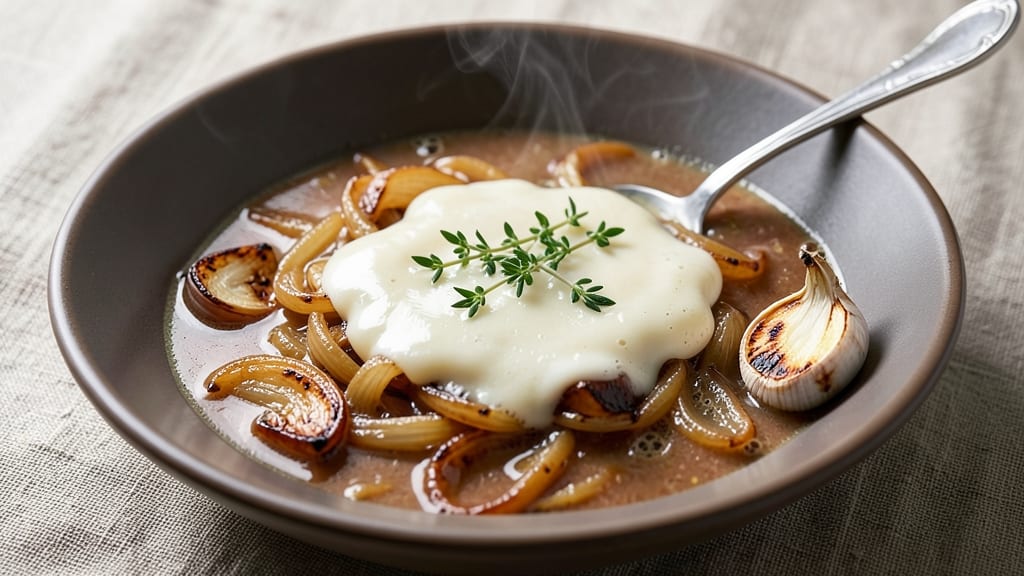
Remy's French onion soup recipe delivers the perfect balance of deep caramelized flavors and a golden, crispy cheese topping that turns every spoonful into a moment of comfort.
The secret lies in slow-cooking onions until they're sweet and jammy, then building a rich broth that simmers until it's velvety and aromatic. I've perfected this technique over years of testing—each element must be precise to achieve that restaurant-quality result at home.
What sets this recipe apart is the two-stage cooking process: first caramelizing the onions until they're deep amber, then simmering the broth with beef stock and herbs until it's rich and deeply flavorful.
The crispy cheese topping requires patience—baking the bread until it's perfectly golden while the cheese melts into a bubbly, gooey blanket. This isn't just soup; it's an experience that begins with the first whiff of caramelized onions and ends with that satisfying crunch of toasted bread.
The final result is a bowl of soup where every component works in harmony: tender onions swimming in a velvety broth, topped with a blanket of melted cheese and crispy bread that adds texture with every bite.
The aroma alone will have your kitchen smelling like a Parisian bistro, while the combination of sweet, savory, and umami flavors makes this more than just a meal—it's a culinary journey. Ready to recreate this classic at home?
This recipe serves four and takes about 2 hours of active time, though most of that is hands-off simmering. The key to success is attention to detail during the caramelization and cheese topping stages—both require precision to achieve the perfect texture.
Whether you're serving this as an appetizer or a hearty main course, it's guaranteed to impress even the most discerning palates.
Ingredients for remy's soup
These twelve ingredients transform into a restaurant-worthy French onion soup with perfect caramelized onions and crispy cheese topping.
| Ingredient | Amount | Notes |
|---|---|---|
| Yellow Onions 🧅 | 4 large | Sliced into 1/4-inch rounds |
| Unsalted Butter 🧈 | ½ cup | Cold, cubed for caramelization |
| Beef Stock 🍲 | 4 cups | Homemade or high-quality store-bought |
| Dry White Wine 🍷 | ½ cup | Dry, like Chardonnay or Sauvignon Blanc |
| Fresh Thyme 🌿 | 2 sprigs | Or 1 tsp dried thyme |
| Garlic Cloves 🧄 | 4 cloves | Minced for depth of flavor |
| Salt 🧂 | 1 tsp | Kosher or sea salt |
| Black Pepper 🌶️ | ½ tsp | Freshly ground preferred |
| Bay Leaves 🍃 | 2 whole | Removed before serving |
| Baguette 🍞 | 1 whole | Crusts removed, sliced 1/2-inch thick |
| Gruyère Cheese 🧀 | 1 ½ cups | Freshly grated from block |
| Emmental Cheese 🧀 | ½ cup | Freshly grated from block |
| Extra-Virgin Olive Oil 🫒 | 2 tbsp | For drizzling on bread |
The onions are the soul of this soup. Choose large, firm yellow onions—they caramelize more evenly than smaller ones. For the butter, European-style unsalted (like Plugrá or Land O'Lakes) melts cleaner than salted. The beef stock makes all the difference—Homemade or high-end brands like Kettle & Fire add depth. Fresh thyme and bay leaves bring aromatic complexity; dried works in a pinch but lacks the same brightness. The Gruyère and Emmental should be freshly grated from blocks—pre-shredded cheese lacks moisture and melts unevenly.
No white wine? Substitute extra beef stock with a splash of apple cider vinegar for acidity. Short on Gruyère? Comté or Swiss cheese work beautifully. The baguette should be crustless and lightly toasted—French-style baguettes from Whole Foods or local bakeries are ideal. For a vegetarian twist, swap beef stock for mushroom or vegetable stock. The garlic can be roasted for a sweeter flavor—simply toss minced cloves with olive oil and roast at 400°F for 8 minutes before adding to the soup.
Caramelized onions keep for 5 days in the fridge, covered tightly. The cheese topping should be assembled just before baking—bake at 375°F for 3-5 minutes until golden and bubbly. Leftovers? Store the soup (without the topping) for 4 days, and make fresh topping as needed. The bread toasts best when kept in an airtight container with a paper towel to absorb moisture.
Why You'll Love This Recipe
- Fewer Ingredients, Bigger Payoff: I swear by this—just onions, butter, stock, wine, and thyme. That’s it. No crowded pantry raids, no last-minute grocery runs. The rich beef stock and white wine do all the heavy lifting, so you’re not stuck measuring spices or hunting for obscure herbs.
- Thyme’s the Secret Weapon: Between us, that fresh thyme transforms this soup. You don’t even need much—just a couple of sprigs—because it infuses the broth like magic. The aroma alone makes the kitchen smell like a bistro, and the flavor? Deep, earthy, and just bright enough to cut through the richness.
- Weeknight to Weekend: This soup works for everything. Toss it together on a Tuesday when you’re too tired to think, or serve it in bowls at a dinner party when you want to impress without stressing. The wine adds a touch of sophistication, but the prep stays effortless—no one will guess it’s this simple.
- Leftovers That Don’t Let You Down: Honestly, I almost always make extra. The flavors deepen overnight, and reheating it? Just a splash of water or stock to loosen it up. It’s the kind of soup that tastes better the second day, so you’re not stuck with sad, watery leftovers—just rich, comforting bowls waiting for you.
Step-by-step instructions for remy's famous French onion soup recipe
Here's the method that delivers that signature crispy bread topping and rich, caramelized onion flavor.
Caramelize the Onions Slowly Until Deep Brown
Heat a large Dutch oven over medium-low heat and add the 0.5 cup unsalted butter. Let it melt completely, then add the 4 large yellow onions sliced into 1/4-inch rounds. Stir to coat the onions evenly in the butter.
Reduce heat to low and cover the pot. Cook for 45-50 minutes, stirring every 10 minutes to prevent burning. You're aiming for onions that are deeply caramelized—almost jam-like with a rich, sweet aroma. This slow process develops the complex flavors that make this soup special. If the onions start to stick, add a splash of beef stock to deglaze.
Here's the thing—don't rush this step. The onions should be deep golden brown with some darker spots where they caramelize. When they reach this stage, they'll have transformed from simple onions to the flavor base of your soup.
Build the Soup Base with Wine and Stock
Once the onions are perfectly caramelized, increase heat to medium and add the 0.5 cup dry white wine. Stir and let it simmer for 3-4 minutes until the alcohol smell dissipates completely. This step not only adds depth but also removes any harsh alcohol taste.
Add the 4 cups beef stock, 2 sprigs fresh thyme, 4 cloves minced garlic, 1 tsp salt, 0.5 tsp black pepper, and 2 whole bay leaves. Bring to a gentle simmer, then reduce heat to low and let it cook uncovered for 25-30 minutes. The soup should be reduced by about one-third, with the flavors melding together beautifully. You'll notice the aroma becomes more concentrated and inviting.
I always taste the soup at this stage before adding the bread. It should be rich, slightly sweet from the caramelized onions, and well-seasoned. If it needs more salt, add it now—it's easier to adjust before the bread goes in.
Prepare and Add the Bread for Crispy Topping
While the soup simmers, remove the crusts from the 1 whole baguette and slice it into 1/2-inch thick pieces. Brush each slice generously with the 2 tbsp extra-virgin olive oil on both sides. This step is crucial for achieving that perfect crispy texture on top.
When the soup has reduced sufficiently, carefully float the bread slices on top. You'll want to arrange them in a single layer, overlapping slightly if needed to cover the entire surface. The bread should absorb some of the soup but remain mostly intact. Let it cook for 10-12 minutes until the edges turn golden brown and crispy.
Real talk: Don't walk away during this final step. The bread can go from perfect to burnt in minutes. Watch closely and remove any slices that crisp up too quickly to prevent burning.
Melt the Cheese and Serve Immediately
Preheat your broiler to high. Sprinkle the 1.5 cups gruyère cheese and 0.5 cup emmental cheese evenly over the bread-topped soup. Place the Dutch oven on a baking sheet to catch any potential drips and broil for 2-3 minutes until the cheese is bubbly and golden brown on top.
This is the moment that matters: the cheese should be fully melted with a beautiful golden crust on top. The bread underneath should be crispy enough to hold its shape when you lift a slice. If the cheese isn't quite golden enough, return it to the broiler for another 30 seconds.
Remove the 2 whole bay leaves before serving. Ladle the soup into deep bowls, making sure each serving gets its share of crispy bread and melted cheese. The contrast of the warm, creamy cheese against the crispy bread is what makes this dish truly special.
Pro Tips For Making Remy'S Soup
- SWEEAT THE ONIONS: Low and slow is the name of the game here—no rushing. Cook the onions in the butter until they’re deep golden, almost caramelized, with 10-15 minutes of steady attention. I used to walk away for "just a minute," and the soup always tasted flat. Keep the heat at a simmer, not a sizzle, or you’ll burn the butter before the onions soften.
- USE HALF THE THYME: Fresh thyme is potent, and this soup doesn’t need much. Strip only 2 sprigs (about 4-5 leaves) and tie them with kitchen twine before adding to the stock. After simmering, remove the bundle—no need to strain. I learned this the hard way when I left a whole bunch in and ended up with a bitter, overpowering taste.
- DEGLAZE WITH WINE, THEN STOCK: Pour in the white wine first, letting it reduce by half before adding the beef stock. This builds flavor layer by layer—wine’s acidity cuts through the richness of the butter, while the stock deepens the base. Skip the reduction step, and the soup will taste thin and one-dimensional.
- SALT THE STOCK LATE: Hold off on salting the stock until the very end, even if it’s labeled "low-sodium." The butter and wine already contribute enough salt to throw off the balance if you season early. Taste the soup before adding the final pinch—you’ll need less than you think.
Common mistakes when making your remy's soup
Rushing Caramelization
The biggest mistake I see is rushing the onion caramelization—this is where the magic happens, and you can't skip it. I've seen people try to speed this up by cranking the heat, but that leads to burnt onions instead of that perfect sweet, jammy texture.
The key is patience: low heat for 45-50 minutes with frequent stirring. If your onions aren't deep golden brown with some darker spots, they're not ready. Trust the process—this step builds the entire flavor foundation of your soup. 🔥
Skipping Wine Reduction
Many home cooks add the wine and immediately move to the next step, but you must let it simmer until the alcohol smell disappears completely. This 3-4 minute reduction is crucial for removing harsh alcohol notes and deepening the flavor.
I've tasted soups where this step was skipped, and the wine taste was overwhelming. Don't rush this—let that alcohol cook out for the best results.
Overcrowding the Bread
When adding the bread slices, I've seen people try to fit too many in the pot, which leads to soggy bread instead of crispy. The bread should float freely with just enough contact to absorb flavor without steaming.
Use ½-inch thick slices from a single baguette, arranged in a single layer. If you need to overlap slightly, do so carefully—never stack them. This ensures that crispy texture we all crave. 🍞
Broiling Cheese Too Long
Watch that broiler like a hawk! I've ruined more cheese toppings than I care to admit by leaving them under the broiler too long. The cheese should be bubbly and golden in just 2-3 minutes—any longer and it becomes dry and rubbery.
Keep a close eye on it, and if it's not quite golden, return it for 30 seconds at most. The goal is melted, gooey perfection, not burnt cheese.
Using Pre-Shredded Cheese
This is a game-changer: using pre-shredded cheese for the topping will ruin your soup. Pre-shredded cheese contains anti-caking agents that prevent proper melting, leaving you with a dry, grainy mess instead of that creamy blanket of melted goodness.
Always use freshly grated Gruyère and Emmental from blocks—it makes all the difference in texture and flavor. 🧀
Not Deglazing Properly
If your onions start to stick during caramelization, don't just add water—deglaze with a splash of beef stock or white wine. Water dilutes the flavors and washes away all that beautiful caramelized goodness.
The liquid you use should complement the soup's depth. I've seen people ruin perfectly caramelized onions by adding water, so always keep that stock or wine on hand for deglazing.
Nutrition facts
Frequently asked questions
Can I make this soup ahead of time?
The caramelized onions can be prepped 5 days in advance and stored in an airtight container. However, the bread topping should always be added fresh before baking to maintain crispiness. Reheat the soup separately and assemble just before serving for the best texture.
What's the best cheese substitute if I don't have Gruyère?
For a similar melt and flavor, use Comté or Swiss cheese instead. If you're avoiding dairy, try a mix of nutritional yeast and vegan mozzarella for a cheesy flavor, though the texture will differ. The key is freshly grated cheese for proper melting.
Why did my bread topping turn soggy?
Overcrowding the bread slices or adding them too early causes sogginess. Use ½-inch thick slices from a single baguette, arranged in one layer with minimal overlap. Let the soup reduce by one-third before adding bread, and cook for only 10-12 minutes until golden.
Can I make this vegetarian?
Yes! Replace the beef stock with mushroom or vegetable stock and use a vegetarian wine (some wines are clarified with animal products). The caramelization process and cheese topping remain the same. For extra umami, add 1 tsp soy sauce or mushroom powder to the broth.
How do I fix burnt onions?
If your onions start to burn, immediately reduce the heat to low and add a splash of beef stock or white wine to deglaze. Stir well and continue cooking at low heat for the remaining time. The onions won't be as caramelized, but the flavor will still be rich. For next time, stir every 10 minutes to prevent sticking.