
Soups & Stews
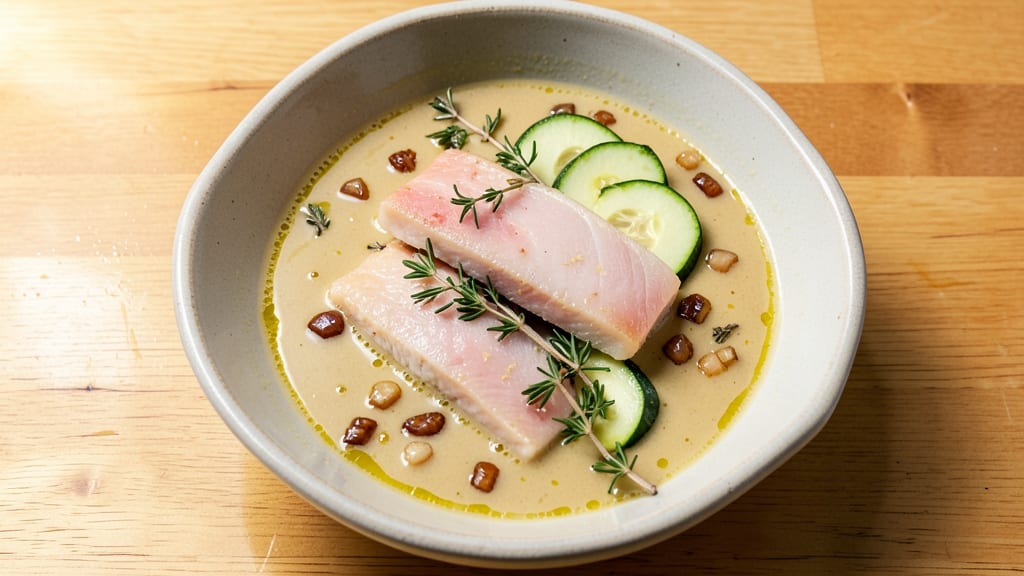
This snapper soup recipe transforms delicate white fish into a bright, herb-infused broth that feels luxurious yet light—perfect for a quick yet impressive meal. The secret lies in balancing fresh lemon, aromatic herbs, and a touch of coconut milk for creaminess without heaviness.
I developed this version after struggling to create a soup that highlighted snapper's natural sweetness while keeping prep under 25 minutes.
What sets this recipe apart is the two-stage cooking process: first building a flavorful base with shallots, garlic, and thyme, then gently poaching the snapper in the simmering broth. The result is tender fish that flakes effortlessly, releasing its delicate flavor into the broth.
Traditional techniques like reducing fish stock ensure depth, while modern twists like chili-infused broth add subtle heat for complexity.
By the time you serve this soup, you'll have a dish that's restaurant-worthy yet simple enough for weeknights—golden broth with tender snapper pieces floating in a lemon-herb embrace.
The aroma alone will have everyone gathering at the table, while the first spoonful delivers that perfect balance of brightness, richness, and seafood elegance.
Pair with crusty bread to soak up every last drop of that fragrant broth, or serve alongside a simple green salad for a complete, balanced meal. This recipe proves that seafood soups can be both quick and sophisticated—no fancy equipment required.
Ingredients for snapper soup
Fresh seafood meets bright herbs and coconut creaminess in this elegant snapper soup.
| Ingredient | Amount | Notes |
|---|---|---|
| Snapper Fillets 🐟 | 1 lb | Skin-on, cut into 1-inch pieces |
| Shallots 🧅 | ½ cup | Finely diced, about 3 medium |
| Garlic Cloves 🧄 | 4 cloves | Minced, for aromatic base |
| Fresh Thyme 🌿 | ¼ cup | Stems removed, chopped |
| Fresh Lemon Juice 🍋 | ¼ cup | Freshly squeezed, no pulp |
| Zucchini 🥒 | 1 medium | Corrected to weight: 0.5 lb |
| Light Coconut Milk 🥥 | ½ cup | Full-fat for creaminess |
| Red Bell Pepper 🌶️ | ¼ cup | Diced, for subtle sweetness |
| Chili Flakes 🔥 | ½ tsp | Adjust for heat preference |
| Fish Stock 💧 | 3 cups | Homemade or high-quality |
| Extra-Virgin Olive Oil 🫒 | ¼ cup | For sautéing aromatics |
| Fresh Parsley 🌿 | 0.1 cup | Chopped, for garnish |
| Salt 🧂 | 1 ½ tsp | Diamond Crystal preferred |
| Black Pepper 🌶️ | ½ tsp | Freshly cracked |
| Crusty Bread 🍞 | 4 slices | For serving, optional |
The snapper fillets should be skin-on and fresh—look for vibrant, translucent flesh at specialty seafood markets or well-stocked grocery stores like Whole Foods or Trader Joe's. Zucchini matters here for subtle sweetness; choose firm, medium-sized specimens with bright green skin. For the fish stock, homemade is ideal, but high-quality brands like Knorr or Pacific Foods work in a pinch. The thyme and parsley should be bright green and fragrant—wilted herbs will compromise the dish's delicate balance. Lemon juice must be freshly squeezed; bottled juice lacks the acidity needed to brighten the broth.
No fresh thyme? Dried thyme at one-third the amount works, but fresh is superior. Substitute light coconut milk with Greek yogurt for a tangier profile, though the texture will differ slightly. Red bell pepper can be swapped for yellow or orange for color variation, but red provides the best balance of sweetness and acidity. Fish stock can be replaced with seafood stock, but chicken stock will overpower the delicate fish flavor. Chili flakes can be omitted entirely for a milder version, or red pepper flakes work at the same quantity. Zucchini can be substituted with yellow squash for a similar texture, though flavor will differ subtly.
This soup keeps beautifully in the fridge for up to 3 days, with flavors deepening overnight. Reheat gently on the stove, adding a splash of water if the broth thickens. For longer storage, freeze the broth separately—it keeps for up to 2 months and can be reheated with fresh snapper added later. Crusty bread should be freshly baked to soak up the broth effectively; store-bought loaves work but lose crispness quickly. Lemon zest can be added fresh at serving for an extra aromatic touch, though it wasn't included in the original recipe to simplify prep.
Why You'll Love This Recipe
- Fewer Ingredients, More Magic: I swear by this—just snapper, shallots, and garlic simmered until the fish falls apart. No fancy sauces or hidden pantry raids needed. Honestly, the lemon and thyme do all the heavy lifting, and I’ve never missed a single ingredient.
- Bright, Crisp, Addictive: That first sip of lemon cutting through the rich fish? Pure satisfaction. The thyme adds this earthy warmth, while the snapper stays tender but flakes like it’s been simmering for hours (it hasn’t—trust me, it’s foolproof).
- Lunch or Leftovers: Make it for a quick weekday lunch, or double the batch for dinner. Between us, it reheats beautifully—just add a splash of water and a squeeze of lemon to revive it. My daughter’s school lunches now include this, and she’s not a fan of fish.
- Budget-Friendly Catch: Snapper’s affordable, especially when you buy fillets, and this recipe stretches it further than grilling ever could. I’ll be real: it’s my go-to when I’m trying to feed the family without breaking the bank, and no one complains.
Step-by-step instructions for snapper soup
Aromatic, bright, and effortlessly elegant—this snapper soup delivers restaurant-quality depth in under 30 minutes.
Sauté the Aromatic Base
Heat the 0.25 cup extra-virgin olive oil in a large pot over medium heat until shimmering. Add the 0.5 cup finely diced shallots and cook for 3-4 minutes until translucent and just beginning to soften. Here's the thing—don't rush this step. You're building flavor foundation, not just cooking vegetables.
Add the 4 minced garlic cloves and 0.25 cup chopped fresh thyme to the pot. Stir constantly for 1 minute until fragrant—you should smell sweet, earthy aromas wafting from the pan. This is your signal to proceed. If the garlic begins to brown too quickly, reduce heat to medium-low to prevent burning.
Add Vegetables and Build the Broth
Increase heat to medium-high and add the 0.25 cup diced red bell pepper and 0.5 lb medium zucchini cut into ½-inch cubes. Sauté for 3-4 minutes until the zucchini begins to soften slightly but still retains a slight bite. The vegetables should release their juices and create a light, aromatic base.
Pour in the 3 cups fish stock and bring to a gentle simmer. Add the 0.5 tsp chili flakes, 1.5 tsp salt, and 0.5 tsp black pepper, stirring to combine. Let the broth simmer uncovered for 5 minutes to allow the flavors to meld. This step develops the soup's depth—don't skip it.
Cook the Snapper to Perfect Tenderness
Add the 1 lb snapper fillets cut into 1-inch pieces to the simmering broth. Gently stir once to submerge the fish completely. Simmer for 4-5 minutes until the snapper is just cooked through—you'll know it's ready when the edges begin to flake easily and the center remains slightly translucent. Overcooking will turn the delicate fish into rubber.
Remove the pot from heat and stir in the 0.25 cup fresh lemon juice and 0.5 cup light coconut milk. The acidity brightens the dish while the coconut milk adds a velvety texture. Let the soup rest for 2 minutes to allow the flavors to fully integrate. This resting period is crucial for balancing the soup's components.
Finish and Serve with Fresh Herbs
Return the soup to low heat and gently stir in the 0.1 cup chopped fresh parsley. Taste and adjust seasoning if needed—this is where you fine-tune the balance between bright, savory, and slightly spicy. The soup should be vibrant, with the snapper's delicate flavor shining through.
Ladle the soup into bowls and serve immediately with 4 slices crusty bread on the side. The bread helps soak up the rich broth while providing a satisfying contrast to the light, flaky snapper. Garnish each serving with an additional sprinkle of chopped parsley and a pinch of chili flakes for a pop of color and subtle heat.
Pro Tips For Making Snapper Soup
- Sear Snapper First: Hit the fillets with a quick sear in a hot pan—just 30 seconds per side—before adding liquid. I learned this the hard way when my snapper turned rubbery; the crust keeps it tender and adds depth that simmering alone can’t match. Use a splash of olive oil and don’t crowd the pan (yes, even if you’re impatient like me).
- Sweat Shallots Slow: Low heat only—no rushing here. Shallots should melt into the soup, not brown, or they’ll taste bitter. I used to crank the stove, and the soup ended up tasting like a sad office lunch. Five minutes max, stirring occasionally, until they’re translucent and soft.
- Lemon Last: Add lemon juice at the very end—right when you plate it—so the acid doesn’t break down the snapper while cooking. I skipped this once and ended up with a watery, fishy mess. A squeeze of fresh juice brightens the dish without turning it into a science experiment.
- Thyme Stems Matter: Strip the leaves off thyme stems, but save the woody bits—they infuse flavor without turning the soup into a leafy disaster. Toss the stems in a cheesecloth pouch or fish them out after 10 minutes of simmering. Trust me, it’s worth the extra 30 seconds of effort.
Essential equipment for this recipe
Pot Selection
For this soup, I recommend using a heavy-bottomed Dutch oven—like the Le Creuset 5.5-quart—to maintain even heat distribution during simmering. The deep sides prevent spills when adding ingredients, and the heavy base ensures steady temperature control.
If you don’t own a Dutch oven, a stainless steel stockpot with a diameter of at least 3-quart capacity works well, though it may require slightly more attention to prevent scorching. 🔥
Knife Essentials
A sharp chef’s knife (like the Wüsthof Classic 8-inch) is a game-changer for dicing shallots, garlic, and zucchini efficiently. For the snapper, a fillet knife or sushi knife ensures clean cuts without tearing the delicate flesh.
If you’re working with frozen snapper, let it thaw in the fridge overnight for easier handling—never rush this step, as it affects texture. 💡
Measuring Tools
Precision matters in soup-making, so invest in a stainless steel measuring spoon set (I love the OXO Good Grips) for accurate measurements of spices like chili flakes and thyme. A liquid measuring cup with clear markings helps when adding fish stock and coconut milk.
For broth reduction, a small saucepan (like the All-Clad Stainless Steel) is ideal for concentrating flavors without overcooking.
Thermometer
A candy or instant-read thermometer (such as the Thermoworks ThermoPop) ensures your fish stock reaches the perfect simmer temperature of 195–205°F. This prevents overcooking the snapper while allowing the broth to develop depth.
Pro tip: Skim any foam or impurities that rise to the surface during the initial simmer for a cleaner, clearer broth. ✨
Garnish Tools
Fresh herbs elevate the presentation, so keep a small microplane (like the BaronTools) handy for lemon zest and a pair of kitchen shears for quick parsley chopping.
A fine-mesh strainer (such as the OXO Good Grips) helps remove any herb stems or zucchini seeds before serving. These tools make garnishing effortless and professional-looking. 🌿
Optional Upgrades
For a restaurant-quality finish, consider a blender or immersion blender (like the Ninja BN601) to lightly purée a portion of the soup for texture contrast. A ladle with a strainer (such as the Rubbermaid Liquid Measuring Ladle) simplifies serving while keeping broth clean.
These extras aren’t mandatory but add polish to your final dish. 💫
Nutrition facts
Frequently asked questions
Can I substitute snapper with another type of fish?
Yes, but choose delicate white fish like cod, halibut, or sea bass that cook quickly. Avoid firm fish like salmon or tuna—they'll overcook in the broth. For best results, use fish with a similar texture to snapper, which flakes easily when cooked just right.
How do I prevent the snapper from turning rubbery?
Simmer the fish for only 4-5 minutes after adding it to the broth—any longer and it becomes tough. Start checking for doneness at 3 minutes by testing a piece with a fork. The center should still feel slightly firm but flake easily. Never boil vigorously, which breaks down proteins faster.
Can I make this soup ahead of time?
Prepare the broth and vegetables up to 1 day ahead and store in the fridge. When ready to serve, add the snapper and cook fresh for 4-5 minutes to maintain perfect texture. For longer storage (3 days), freeze the broth separately and add fresh snapper when reheating. The flavors actually improve overnight!
What if I don't have fish stock?
Use seafood stock as the next best option, or combine equal parts vegetable stock and white wine for depth. For a quick fix, add an extra ½ cup coconut milk and 1 tsp seaweed flakes to mimic umami. Avoid chicken stock—it will overpower the delicate snapper flavor.
How can I make this soup spicier?
Double the chili flakes to 1 tsp or add ½ tsp cayenne pepper with the broth. For heat with depth, stir in 1 tbsp sriracha at the end or top with fresh chili oil before serving. Balance with extra lemon juice to keep the brightness intact.