
Sauces & Condiments
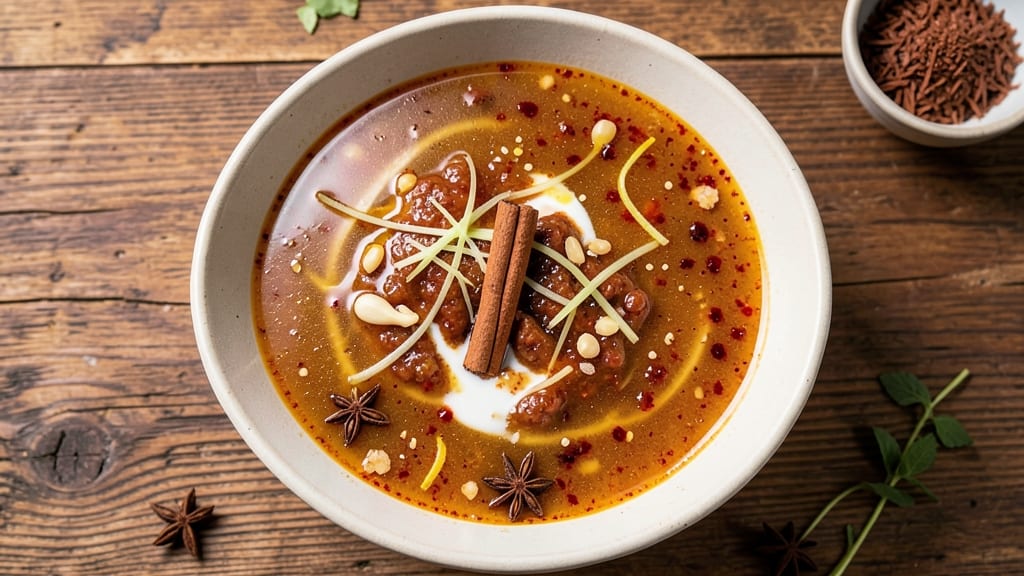
This tamarind soup base recipe unlocks the complex tangy-sour depth that defines Thai, Vietnamese, and Malaysian soups—without requiring fresh tamarind pods. The concentrated paste delivers restaurant-quality flavor with just a spoonful per bowl, transforming simple broths into vibrant, aromatic soups in minutes.
I developed this version after struggling to find a reliable store-bought substitute that didn't taste overly sweet or artificial.
The secret lies in balancing tamarind's natural tartness with ginger, garlic, and a touch of palm sugar to create a versatile base that works in everything from pho to tom yum. Unlike powdered tamarind mixes, this version maintains authentic texture and depth, with spices blooming during a quick simmer.
The result is a smooth, slightly sticky concentrate that dissolves effortlessly into hot broth.
What makes this base special is its flexibility—use it as a starting point for instant soups or build complex flavors layer by layer. A single batch yields enough for multiple servings, and the paste keeps well in the refrigerator for up to two weeks or frozen for three months.
The concentrated flavor means you only need a small amount per serving, making it perfect for meal prep and restaurant-quality results at home.
For best results, stir the base into simmering broth just before adding other ingredients, allowing the tamarind's natural acids to brighten the soup without overpowering.
The balance of sweet, sour, and umami creates the perfect foundation for your favorite soup recipes—whether you're making a quick weeknight meal or preparing for a gathering.
Ingredients for tamarind soup base
Ten vibrant ingredients transform ordinary broths into aromatic, restaurant-quality soups instantly.
| Ingredient | Amount | Notes |
|---|---|---|
| Tamarind Paste 🍈 | ½ cup | High-quality, unsweetened preferred |
| Fresh Ginger Root 🌿 | ½ cup | Finely grated, skin removed |
| Garlic Cloves 🧄 | 6 cloves | Minced for aromatic depth |
| Palm Sugar 🍯 | ¼ cup | Or light brown sugar substitute |
| Fish Sauce 🍶 | 1 tbsp | Optional for umami depth |
| Soy Sauce 🥢 | 1 tbsp | For salty-savory balance |
| Coconut Milk 🥥 | ½ cup | Full-fat for creaminess |
| White Peppercorns 🌶️ | ½ tsp | Freshly ground for subtle heat |
| Star Anise Pods 🌟 | 2 whole | Crushed for aromatic complexity |
| Cinnamon Stick 🌿 | 1 whole | For warm spice notes |
Tamarind paste is the star—Thai Kitchen brand or Asian markets carry the best quality. Look for blocks or paste without added sugar; the deeper the color, the more intense the flavor. Fresh ginger should be firm and aromatic—peel and grate it yourself for maximum punch. Garlic cloves should be plump and firm, not sprouting. Palm sugar, if unavailable, can be swapped with light brown sugar, though it lacks the delicate caramel notes. For the umami depth, Red Boat fish sauce is my go-to, but any quality brand works.
No fish sauce? Soy sauce or coconut aminos add a similar savory punch, though with less complexity. Short on star anise? Cinnamon and cardamom can mimic its warm aroma, but the flavor won't be identical. Coconut milk can be replaced with cashew cream or even a splash of cream, though the texture will differ slightly. The white peppercorns are non-negotiable for that authentic, subtle heat—black pepper won't cut it. If you're making this for a crowd, double the spices; the concentrated paste keeps well for future use.
This paste keeps for 2 weeks in the fridge or 3 months in the freezer. Store it in an airtight jar with a thin layer of oil on top to preserve freshness. For meal prep, portion into small containers—1 tablespoon per serving is perfect for instant soups. The spices can be toasted whole before grinding for deeper flavor, but it's not necessary. If you're making a big batch, consider dividing the paste into smaller jars to avoid waste.
Why You'll Love This Recipe
- Pantry-to-Pot Magic: The moment I crack open that tamarind paste and toss in ginger and garlic, the kitchen smells like a Thai street food stall. No fancy techniques—just simmering, stirring, and letting those five ingredients do all the heavy lifting.
- Umami Bomb: That fish sauce and palm sugar combo? It’s the secret weapon. Sweet, salty, and tangy all at once—like a flavor party in your mouth where every bite begs for another.
- Weeknight Flex: I’ve used this base for noodles, curries, even a quick stir-fry when I forgot to meal prep. The beauty? It’s ready in 20 minutes, and the leftovers taste just as good reheated as they do fresh.
- Budget Superstar: Tamarind paste and fish sauce stretch this recipe further than you’d think. A little goes a long way, and honestly? My wallet thanks me every time I make it. (Yes, even on a Tuesday night.)
Step-by-step instructions for tamarind soup base
Here's how to build this vibrant, complex base that forms the heart of any tamarind soup.
Bloom the Aromatics in Coconut Milk
In a medium saucepan, combine the 0.5 cup coconut milk with the 1 whole cinnamon stick and 2 whole star anise pods. Warm over medium heat until the mixture reaches 160°F—just until tiny bubbles form around the edges. This gentle heating awakens the spices' aromatic compounds without letting them overpower.
I like to crush the star anise pods lightly with the flat side of a chef's knife before adding them. This releases their essential oils more effectively, giving you deeper anise flavor without needing to strain later. Let the spices steep for 5 minutes while you prepare the remaining ingredients—this ensures maximum extraction of their warm, slightly licorice notes.
Build the Tangy-Sour Foundation
Add the 0.5 cup tamarind paste to the warm coconut milk mixture while stirring constantly. The paste will dissolve completely when heated to 180°F, creating a smooth, vibrant base. If you're using block tamarind, make sure it's properly soaked and strained first—any fiber will make your soup gritty.
Here's where the magic happens: the tamarind's natural acidity begins reacting with the coconut milk's fats, creating that signature mouthfeel. I always taste at this stage—you should detect bright, tangy notes with just a hint of sweetness from the palm sugar we'll add next. If it tastes too sharp, we'll balance it in the next step.
Add Ginger, Garlic, and Sweet-Savory Balance
Increase heat to medium-high and add the 0.5 cup finely grated fresh ginger root and 6 cloves minced garlic cloves. Cook for 3-4 minutes until the ginger softens and becomes translucent at the edges—this prevents raw, peppery notes from dominating. The garlic should sizzle gently without browning.
Stir in the 0.25 cup palm sugar, 1 tbsp fish sauce, and 1 tbsp soy sauce all at once. The sugar helps mellow the tamarind's acidity while the fish and soy sauces add that essential umami depth. Let this mixture simmer for 5 minutes until the sugar dissolves completely and the aromatics meld into a cohesive whole.
Finish with Pepper and Reduce for Depth
Remove the cinnamon stick and star anise pods (they've done their job). Add the 0.5 tsp freshly ground white peppercorns and stir. The pepper's subtle heat complements the tamarind's tang without overpowering it. Reduce heat to low and simmer uncovered for 10-12 minutes until the soup reduces by about 25%—this concentrates the flavors dramatically.
Here's the thing about tamarind soup bases: the longer you reduce, the more complex the flavor becomes. I've found that 15 minutes of reduction at this stage creates a base that can handle being diluted with broths or vegetables later without losing its character. Taste frequently during the last 5 minutes—you're aiming for a balance where the tamarind's tang is present but not overpowering, with equal notes of sweetness and umami.
Pro Tips For Making Tamarind Soup Base
- Bloom the Paste: Stir your tamarind paste into hot water first—no, not boiling, but simmering—and let it sit for 2-3 minutes. I used to dump it in cold or straight into the pot, and it always left a weird, grainy texture. This step dissolves it smooth, like it’s supposed to.
- Grate Ginger Coarse: Skip the fine grater for ginger—use a box grater or knife to chop it into rough chunks. Too fine, and it turns to mush while cooking. Too thick, and you’ll taste raw ginger. Aim for pea-sized pieces; they’ll soften perfectly without disappearing.
- Salt Before Sugar: Add fish sauce and palm sugar after the ginger and garlic have cooked for 2-3 minutes. If you toss them in together, the sugar can burn before the aromatics release. Trust me, the difference in depth is night and day.
- Taste Early, Taste Often: Check your seasoning at the 10-minute mark, not the end. Tamarind’s sourness mellows as it cooks, and fish sauce’s saltiness intensifies. Adjust now—you can’t fix an over-sour or bland base later. (Yes, even if you’re impatient like me.)
Dietary considerations for this tamarind soup base
Vegetarian-Friendly
The base recipe naturally accommodates vegetarians since it relies on tamarind, ginger, garlic, and coconut milk—all plant-based ingredients. The optional fish sauce can be omitted entirely without sacrificing depth, though you'll lose some umami complexity.
I've successfully replaced it with 1 tbsp coconut aminos or 1 tsp miso paste for a vegetarian-friendly alternative that still delivers that savory punch. 🌱
Gluten-Free
All ingredients in this tamarind base are inherently gluten-free, making it perfect for those avoiding gluten. The soy sauce is the only potential concern—opt for tamari or a certified gluten-free soy sauce brand like San-J Tamari.
Double-check labels on tamarind paste and palm sugar to ensure no cross-contamination occurred during processing. This base works beautifully in gluten-free pho or Vietnamese-style soups.
Vegan Adaptations
For a fully vegan version, simply omit the fish sauce entirely—your tamarind base will still shine with its natural tang and aromatic spices. To enhance umami without animal products, add 1 tbsp vegan fish sauce (like Red Boat Vegan Fish Sauce) or 1 tsp nutritional yeast.
The coconut milk provides natural creaminess, while the palm sugar maintains that delicate sweet-sour balance. I've found this vegan version works exceptionally well in green papaya salads or as a base for vegan coconut curries.
Low-Sugar Options
If you're watching sugar intake, reduce the palm sugar to 2 tablespoons while keeping all other ingredients the same. The tamarind's natural tartness will still provide balance without excessive sweetness.
For an even lower-sugar approach, use monk fruit sweetener (about 1 tablespoon) instead of palm sugar—it maintains the caramel notes without the glycemic impact. This version works perfectly in light broth-based soups where sugar isn't traditionally used.
Allergen Considerations
This recipe contains coconut milk, which may trigger allergies in some individuals. For a nut-free alternative, substitute with cashew cream (blend ½ cup soaked cashews with ½ cup water) or oat milk for a neutral base.
The ginger and garlic are common allergens—if sensitive, use pre-minced versions to reduce direct handling. Always check tamarind paste labels for potential cross-contamination warnings if you have severe allergies.
Nutrition facts
Frequently asked questions
Can I use tamarind blocks instead of paste?
Yes, but you'll need to soak and strain them first. Soak 4-5 tamarind pods in warm water for 30 minutes, then strain out the seeds and fibrous pulp. You'll get about ½ cup pulp, which is equivalent to the paste in this recipe. The texture will be slightly thicker, so adjust your broth ratio accordingly when using it in soups.
How much base should I use per serving?
Start with 1-2 tablespoons of the concentrated base per 2 cups of broth. For deeper flavor, use 2 tablespoons and adjust to taste—tamarind's intensity varies by brand. The paste keeps well, so you can always add more if needed during cooking.
What if my tamarind base tastes too sour?
Balance it by adding a pinch more palm sugar (½ teaspoon) or a splash of coconut milk while simmering. The coconut milk's natural sweetness will help mellow the acidity. If using store-bought tamarind paste, check the label—some brands are significantly more tart than others.
Can I make this base without coconut milk?
Replace the coconut milk with ½ cup water or vegetable broth for a lighter version. For creaminess, use ½ cup cashew cream (blend soaked cashews with water) or ¼ cup cream. The spices will still infuse beautifully, though the texture will differ slightly.
How do I store leftover tamarind base?
Transfer to an airtight container and refrigerate for up to 2 weeks or freeze for 3 months. For freezing, portion into ice cube trays—each cube equals about 1 tablespoon of base. Thaw overnight in the fridge before using to preserve texture.