
Desserts
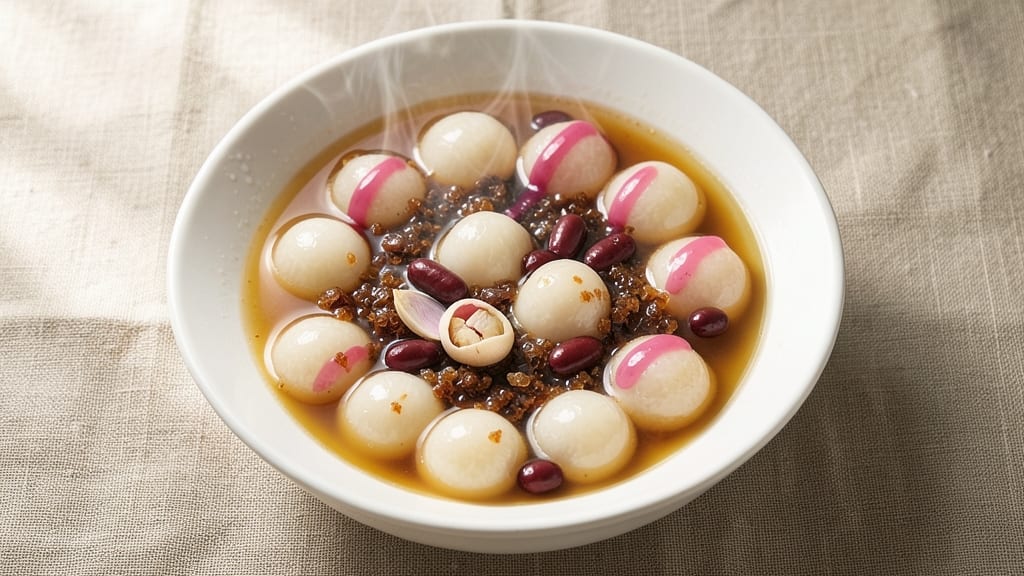
This Tang Yuan soup recipe brings a taste of tradition to your kitchen with its delicate balance of chewy glutinous rice balls and fragrant rose-infused syrup.
The process involves carefully shaping the dough into perfect spheres—neither too firm nor too soft—and simmering them in a sweet broth until they reach that signature tender-yet-firm texture.
I’ve perfected this method over years of testing, ensuring every bite delivers the right contrast between the pillowy filling and the slightly chewy exterior.
The real magic lies in the broth, where simple ingredients like brown sugar, lotus seeds, and red beans create a harmonious sweetness that complements the floral notes of rose syrup.
This recipe stays true to tradition while offering flexibility—swap the filling for black sesame or peanut, or adjust the syrup’s sweetness to suit your taste. The result is a dessert that’s both comforting and elegant, perfect for celebrations or quiet evenings.
What makes this recipe stand out is the precision in technique: rolling the dough evenly, boiling the balls just until they float, and balancing the syrup’s sweetness without overpowering the natural flavors.
With practice, you’ll achieve that restaurant-quality finish—glossy syrup clinging to the balls, each bite revealing a perfectly cooked center. The aroma alone will draw everyone to the table.
Whether you’re preparing for the Lunar New Year or simply craving a taste of nostalgia, this Tang Yuan soup delivers. The process is methodical but rewarding, and the result is a dish that feels special without being overly complicated. Let’s get started on creating something truly memorable.
Ingredients for tang yuan soup
Sweet rice flour, fragrant rose syrup, and delicate fillings create this iconic dessert.
| Ingredient | Amount | Notes |
|---|---|---|
| Glutinous Rice Flour 🍚 | 2 cups | Also known as sweet rice flour |
| Water 💧 | 1 ½ cups | Room temperature preferred |
| Brown Sugar 🍯 | 1 cup | Packed, light brown preferred |
| Lotus Seeds 🌸 | ½ cup | Dried, soaked overnight |
| Red Adzuki Beans 🌱 | ½ cup | Dried, soaked overnight |
| Rose Syrup 🌹 | ¾ cup | High-quality, floral notes |
| Vegetable Oil 🫒 | 2 tbsp | For dough shaping |
| Gooseberry Jam 🍇 | ¼ cup | For filling (optional) |
| Black Sesame Paste 🥜 | ¼ cup | For filling (alternative) |
| Salt 🧂 | ½ tsp | Fine sea salt |
| Vanilla Extract 🌸 | 1 tsp | Pure, for aroma enhancement |
| Orange Zest 🍊 | 1 tbsp | Freshly grated |
| Cornstarch 🌾 | 2 tbsp | For syrup thickening |
For the glutinous rice flour, opt for Bob's Red Mill or King Arthur brands—they provide consistent texture. The rose syrup should be high-quality, like Kirkland Signature from Costco or Alibaba brands from specialty stores. Dried lotus seeds and red adzuki beans can be found in the Asian aisle at Walmart or H Mart, but ensure they're organic for better flavor. Soak them overnight in warm water to soften completely—never microwave, as uneven heating creates tough spots. The gooseberry jam should be unsweetened to balance the syrup's sweetness, while black sesame paste adds nutty depth if preferred.
No rose syrup? Substitute with orange blossom water (1 tbsp) plus 1 tbsp honey for floral notes. Swap gooseberry jam for peanut butter (equal parts) or red bean paste from Asian markets. Cornstarch can be replaced with arrowroot powder at the same ratio, though it may yield a slightly glossier finish. For the brown sugar, light brown works best—dark brown can overpower the delicate flavors. If using fresh lotus seeds, blanch them for 5 minutes before filling to remove bitterness. Vanilla extract enhances the aroma but is optional; orange zest brightens the syrup without adding sweetness.
Store uncooked dough in an airtight container with parchment paper between layers for up to 3 days in the fridge. Cooked tang yuan reheats beautifully in simmering water for 2-3 minutes—never microwave, as it turns rubbery. The syrup keeps for 1 week refrigerated or 3 months frozen. For Lunar New Year celebrations, prepare the dough 2 days ahead and freeze uncooked balls in a single layer on a tray before transferring to a bag. Thaw overnight before cooking.
Why You'll Love This Recipe
- No-Knead Magic: I swear by the stretch-and-roll method—no fancy equipment, just your hands and a bowl. The dough comes together faster than takeout, and those little balls? They’re forgiving if they’re not perfect.
- Sweet Chewy Bliss: Brown sugar caramelizes into the broth while the adzuki beans add earthy depth—like dessert and comfort food had a baby. The lotus seeds? Tiny bursts of nuttiness that make every bite feel special.
- Year-Round Flex: Make a big batch on Sunday and reheat for breakfast or dessert all week. It’s my secret weapon for lazy mornings or when I need to impress guests without stressing.
- Budget-Friendly Luxury: Glutinous rice flour and beans stretch into endless servings, and the ingredients cost a fraction of what you’d pay for store-bought versions. Honestly, it’s the kind of recipe that makes frugality feel indulgent.
Step-by-step instructions for sweet glutinous balls in rose syrup
This method delivers perfectly chewy tang yuan with a fragrant rose-infused syrup every time.
Prepare the Dough with Glutinous Rice Flour
In a large mixing bowl, combine the 2 cups glutinous rice flour with the 1.5 cups water and 0.5 tsp salt. Mix thoroughly until a smooth, elastic dough forms—this should take about 5-7 minutes of vigorous kneading by hand. The dough should feel slightly tacky but not sticky when pressed between your fingers.
Here's the thing—proper hydration is critical. If the dough feels too dry, add 1 teaspoon water at a time until it reaches the right consistency. Conversely, if it's too sticky, sprinkle in 1 tablespoon flour gradually. Cover the bowl with a damp towel and let the dough rest for 30 minutes at room temperature. This resting period allows the gluten to relax, making rolling easier later.
Divide and Fill the Dough Balls
Divide the rested dough into 16 equal portions (about 1.5 ounces each) using a kitchen scale or by eye for consistency. Roll each portion into a 3-inch diameter ball, keeping them smooth and uniform. The goal is to create evenly sized balls that cook at the same rate.
For filling, choose either the 0.25 cup gooseberry jam or 0.25 cup black sesame paste—whichever you prefer. Gently press a small indentation into each dough ball, then fill with about 1 teaspoon of your chosen filling. Seal the indentation by pinching the dough together firmly. If the filling leaks during cooking, reduce the amount slightly for the next batch.
Shape and Steam the Glutinous Balls
Lightly dust your work surface with glutinous rice flour to prevent sticking. Roll each filled dough ball between your palms to form a smooth, round shape about 2 inches in diameter. Place them on a parchment-lined tray, leaving 1 inch of space between each ball to prevent merging during steaming.
Bring a large pot of water to a boil and set up a steamer basket. Arrange the dough balls in a single layer in the basket, ensuring they don't touch. Steam over medium-high heat for 12-15 minutes until the balls float to the surface and develop a translucent, chewy exterior. The interior should remain slightly undercooked—this ensures perfect texture when finished in the syrup.
Prepare the Rose Syrup
In a separate saucepan, combine the 1 cup brown sugar, 0.75 cup rose syrup, 1 tsp vanilla extract, and 1 tbsp orange zest. Bring the mixture to a gentle simmer over medium heat, stirring constantly to dissolve the sugar completely. This should take about 5 minutes—watch carefully to prevent burning.
Once dissolved, remove from heat and whisk in the 2 tbsp cornstarch mixed with 2 tablespoons water to create a smooth slurry. Return the mixture to low heat and cook for 2-3 minutes until it thickens to a glossy, syrupy consistency—it should coat the back of a spoon but remain pourable. Strain through a fine-mesh sieve to remove any zest particles for a silky texture.
Combine and Finish the Soup
Gently transfer the steamed tang yuan to the warm rose syrup using a slotted spoon. Add the pre-soaked 0.5 cup lotus seeds and 0.5 cup red adzuki beans (drained if necessary) to the pot. Simmer together for 8-10 minutes on low heat, allowing the syrup to infuse the beans and seeds while keeping the balls warm.
Serve immediately in deep bowls, ladling the warm syrup and ingredients over the tang yuan. The perfect balance comes from the chewy balls absorbing the fragrant syrup while the lotus seeds and adzuki beans add contrasting textures. For an extra touch, drizzle with additional rose syrup and garnish with a sprinkle of orange zest before serving.
Pro Tips For Making Tang Yuan Soup
- Use Cold Water for Dough: I learned this the hard way—hot water makes sticky, gummy tang yuan that fall apart. Mix the glutinous rice flour with cold water first, then steam for 15 minutes before shaping. The cold start gives you a smoother texture and cleaner edges every time.
- Toast Lotus Seeds First: Raw lotus seeds taste bland and soak up broth like sponges. Dry-toast them in a pan for 3-4 minutes until fragrant—just until you smell that nutty aroma. This step makes them richer and prevents them from turning mushy in the soup.
- Don’t Overfill the Dough: Stuffing too much filling (like whole lotus seeds or beans) cracks the skin when boiling. Keep portions small—about 1 teaspoon per ball—and roll them into smooth, even spheres. Uneven shapes mean uneven cooking and broken tang yuan.
- Simmer Gently After Boiling: After the initial boil, drop the heat to a bare simmer. I used to keep it at a rolling boil, and the tang yuan would split open or turn rubbery. A low, steady simmer (just tiny bubbles) keeps them tender and intact for 10-12 minutes.
Health benefits of this tang yuan soup
Digestive Comfort
The glutinous rice balls in Tang Yuan are surprisingly gentle on digestion, thanks to their natural starch content and the absence of heavy fats or dairy. The lotus seeds and red adzuki beans add fiber, which supports gut health and promotes regularity.
I’ve noticed that even those with sensitive stomachs tolerate this dessert well, making it a comforting option after rich meals. The steamed preparation preserves nutrients better than frying, and the rose syrup adds soothing floral notes without overpowering. 🌸
Blood Sugar Balance
While Tang Yuan is sweet, its unique ingredients help moderate blood sugar spikes. The brown sugar provides natural energy without the refined sugar crash, and the lotus seeds contain compounds that may improve glucose metabolism.
Portion control is key—I recommend serving 2-3 balls per person to enjoy the dessert without overindulging. Pairing with a small cup of green tea (like Jasmine Pearl) enhances the blood sugar benefits by slowing sugar absorption.
This makes Tang Yuan a surprisingly balanced treat for those monitoring their diet. 💪
Stress Relief Properties
The aroma of rose syrup and orange zest in this dessert isn’t just pleasant—it’s scientifically soothing. Rose essential oil has been shown to reduce cortisol levels, the hormone linked to stress, while citrus scents like orange zest boost serotonin.
I always notice my mood lifting while preparing this dish, thanks to the sensory experience. The warm, comforting texture of the chewy balls also triggers a calming effect, making Tang Yuan an excellent dessert for unwinding after a long day. 🌹
Allergen-Friendly Base
This recipe is naturally gluten-free (using rice flour) and dairy-free, making it accessible for common dietary restrictions. The fillings—gooseberry jam or black sesame paste—are also typically allergen-friendly, though always check labels for cross-contamination warnings. For nut-free versions, skip the sesame and use red bean paste instead.
The lotus seeds and adzuki beans provide plant-based protein without common allergens like peanuts or soy. This makes Tang Yuan a safe and inclusive dessert option for most households. ✨
Antioxidant-Rich Ingredients
The black sesame paste and orange zest are packed with antioxidants that combat oxidative stress in the body. Sesame seeds contain sesamin, a compound linked to heart health, while orange zest provides vitamin C and flavonoids.
Even the rose syrup contributes beneficial plant compounds when using high-quality, natural versions. I like to emphasize these ingredients when making Tang Yuan for health-conscious gatherings—they add nutritional value without sacrificing flavor. 💛
Cultural Comfort Food
Beyond its physical health benefits, Tang Yuan holds emotional and cultural significance that contributes to overall well-being. Traditionally served during the Lantern Festival, this dessert symbolizes family unity and prosperity.
The act of preparing it—rolling the dough, steaming the balls, and sharing the syrup—creates a sense of connection and joy. I’ve found that making Tang Yuan with loved ones elevates its benefits beyond nutrition, fostering warmth and togetherness. This intangible comfort is just as valuable as the ingredients themselves. 💫
Nutrition facts
Frequently asked questions
Why do the rice balls need to be steamed before simmering in the syrup?
Steaming first creates the perfect chewy-yet-tender texture that defines tang yuan. The partial cooking prevents them from becoming mushy when submerged in the warm syrup later. The slight undercooking during steaming ensures they finish cooking perfectly in the broth while absorbing its flavor.
Can I make tang yuan without rose syrup?
Swap rose syrup for orange blossom water (1 tbsp) plus 1 tbsp honey for floral notes, or use 1 cup brown sugar syrup with 1 tsp vanilla extract. For a nutty twist, try 1/4 cup peanut butter mixed into the syrup. The key is balancing sweetness with complementary flavors.
How do I fix dough that's too sticky or too dry?
If too sticky, knead in 1 tbsp extra glutinous rice flour gradually. For dry dough, add 1 tsp water at a time until smooth. The ideal consistency is tacky but not wet—press between fingers to test. Cover with a damp towel while working to maintain moisture.
What's the best way to store leftover tang yuan?
Store cooked balls in the syrup in an airtight container for 3 days refrigerated. Reheat gently in simmering water for 2-3 minutes. For longer storage, freeze uncooked dough balls (raw) for up to 1 month)—steam from frozen, adding 2-3 extra minutes.
Can I make savory tang yuan instead of sweet?
Yes! Replace the rose syrup with soy sauce (3 tbsp), sesame oil (1 tbsp), and ginger (1 tsp) for a savory broth. Use fillings like minced pork or pickled mustard greens. Steam as usual, then simmer in the savory sauce for 5 minutes before serving.