
Soups & Stews
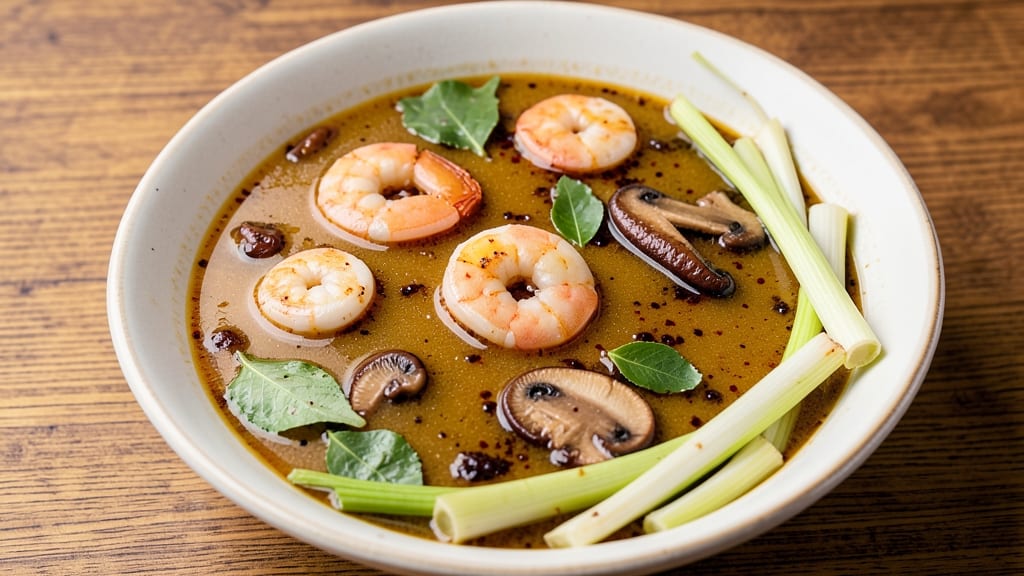
This tomyam soup recipe delivers the bold, aromatic flavors of Thailand in just 30 minutes, balancing heat, tang, and umami perfectly.
I first tasted tom yum in Bangkok and knew I had to recreate its signature zing at home—where fermented shrimp, lime, and fresh herbs transform simple ingredients into something extraordinary.
The secret lies in layering flavors: a fragrant broth, tender shrimp, and a finish of chili and lime that makes every spoonful sing.
What makes this recipe work is the foolproof technique of building the broth in stages—first blooming aromatics, then simmering until the flavors meld. Fresh lemongrass, galangal, and kaffir lime leaves infuse the liquid with bright, citrusy depth, while mushrooms add earthy umami.
The shrimp cooks just until tender, ensuring it stays juicy and absorbs the broth’s complex notes. This isn’t just a soup; it’s a restaurant-quality experience you can recreate at home.
By the time you’re done, you’ll have a steaming bowl of golden broth with shrimp that practically melts in your mouth, garnished with fresh herbs and a squeeze of lime. The aroma alone will transport you to a Bangkok street stall, but the taste proves you didn’t need to travel.
Serve with steamed jasmine rice to soak up every last drop of that vibrant, tangy goodness.
Here’s where it gets interesting—this recipe adapts beautifully. Swap shrimp for chicken or tofu, adjust the spice level to your taste, and even make it ahead (the flavors deepen overnight). Let’s bring the heat and zing of Thailand to your kitchen.
Ingredients for tomyam soup
Fresh aromatics, fermented shrimp, and bright lime—just 15 ingredients for restaurant-quality tom yum.
| Ingredient | Amount | Notes |
|---|---|---|
| Fresh Shrimp 🦐 | 1 ½ lb | Peeled, deveined, tails on |
| Fermented Shrimp Paste 🍤 | 2 tbsp | Kapi, available at Asian markets |
| Lemongrass Stalks 🌿 | 3 whole | Bruised, bottom 4 inches only |
| Galangal 🍃 | 3 oz | Substitute ginger if unavailable |
| Kaffir Lime Leaves 🍋 | 4 whole | Fresh, torn into pieces |
| Shiitake Mushrooms 🍄 | 8 oz | Fresh or rehydrated dried |
| Lime Juice 🍋 | ½ cup | Freshly squeezed, about 4 limes |
| Fish Sauce 🍶 | 2 tbsp | Red Boat brand preferred |
| Thai Chili Paste 🌶️ | 1 tbsp | Adjust for heat preference |
| Chicken or Vegetable Broth 💧 | 4 cups | Low-sodium preferred |
| Fresh Thai Basil Leaves 🌿 | ¼ cup | Substitute regular basil if needed |
| Fresh Cilantro Leaves 🌿 | ¼ cup | For garnish |
| Red Chili Peppers 🌶️ | 2 whole | Thinly sliced, for garnish |
| Jasmine Rice 🍚 | 1 ½ cups | Uncooked, for serving |
| Salt 🧂 | ½ tsp | Kosher or sea salt |
The fermented shrimp paste is non-negotiable—it’s what gives tom yum its signature funk. Asian markets carry it in jars, but if you can’t find it, Red Boat fish sauce plus a pinch of shrimp powder works in a pinch. Fresh galangal is ideal, but ginger in a 1:1 ratio keeps the show running. Look for bright green lemongrass with no brown spots—those tough outer layers are for decoration only. Kaffir lime leaves? Trader Joe's usually stocks them, or order online if you’re feeling adventurous. The mushrooms should be firm but not rubbery—shiitake adds that meaty depth without overpowering.
No fermented shrimp paste? Anchovy paste or extra fish sauce gets you close, though the flavor won’t be identical. Swapping shrimp for chicken or tofu? Use firm tofu and reduce cooking time by 3 minutes. The Thai chili paste can be adjusted—start with 1 tsp and add more if you’re brave. Fresh herbs are key here: Thai basil has a licorice note that regular basil misses, but don’t let that stop you. Lime juice? Fresh is non-negotiable—bottled juice lacks the zing. For the broth, low-sodium is crucial so you can control the saltiness yourself.
This soup tastes even better the next day—flavors meld like magic. Store leftovers in the fridge for 3-4 days, or freeze for up to 3 months. The broth thickens as it cools, so a splash of water revives it when reheating. Jasmine rice soaks up the broth beautifully, but steamed rice works too. Garnish with fresh herbs and chili right before serving—that’s when the magic happens. Make a double batch if you can—it disappears faster than you’d think.
Why You'll Love This Recipe
- One-Pot Magic: I swear by this recipe—just toss everything into a single pot, and boom, you’ve got a fragrant, simmering masterpiece. No fancy gadgets, no stress; the shrimp paste and galangal do all the heavy lifting while you sip your coffee.
- Umami Bomb: That fermented shrimp paste? It’s the secret weapon—deep, funky, and addictive in the best way. The lemongrass and kaffir lime leaves cut through it with brightness, so you get this perfect balance of salty, sour, and herbal that’ll have you reaching for seconds.
- Weeknight & Weekend: Make it for a lazy Tuesday or a fancy dinner—same effort, different vibes. Add a squeeze of lime and fresh herbs for a restaurant-worthy bowl, or keep it simple with rice and a cold beer. It’s the kind of dish that works everywhere.
- Leftovers That Don’t Suck: Honestly, this soup only gets better the next day. The flavors meld even more, and reheating it is a breeze—just a splash of water, a quick simmer. Plus, it’s cheap to make; a little paste and herbs stretch into multiple servings without breaking the bank.
Step-by-step instructions for tomyam soup
Here's how to create this vibrant, aromatic soup with perfect balance in under 30 minutes.
Prepare the Aromatic Base
Start by cutting the bottom 4 inches off each of the 3 whole lemongrass stalks. Using the flat side of a knife, gently bruise the lemongrass to release its oils. Peel the 3 oz galangal and slice it into thin rounds. Tear the 4 whole kaffir lime leaves into rough pieces.
In a large pot, combine the 8 oz shiitake mushrooms (sliced if fresh), galangal, lemongrass, and kaffir lime leaves. Add the 4 cups chicken or vegetable broth and bring to a boil over medium-high heat. Reduce heat to medium-low and let it simmer for 10 minutes until the mushrooms soften and the broth develops a fragrant aroma.
This step builds the soup's complex flavor foundation. The galangal and lemongrass will infuse the broth with their citrusy, peppery notes while the mushrooms add umami depth. Don't skip this simmering time - it's what makes the soup truly sing.
Build the Fermented Shrimp Flavor
While the broth simmers, add the 2 tbsp fermented shrimp paste (kapi) to the pot. Stir continuously for 1 minute until fully dissolved and the broth takes on a rich, savory aroma. This is where the soup gets its signature funky, umami flavor that sets it apart from other Thai soups.
Next, add the 1 tbsp thai chili paste and stir for another 30 seconds. The paste will darken the broth slightly and create a subtle heat that builds throughout the soup. Taste the broth now - it should be tangy, slightly sweet, and developing that characteristic fermented shrimp aroma.
If you're using ginger as a substitute for galangal, add it now along with the chili paste. The ginger will mellow out the heat slightly while still contributing to the soup's complex flavor profile.
Add Protein and Acid
Increase heat to medium-high and add the 1.5 lb fresh shrimp (peeled and deveined with tails on). Cook for 2-3 minutes until the shrimp turn pink and opaque. Remove them with a slotted spoon and set aside.
Add the 0.5 cup lime juice and 2 tbsp fish sauce to the broth. Stir well and taste - you should notice a bright, tangy acidity that cuts through the richness. Adjust seasoning with the 0.5 tsp salt if needed. The broth should be balanced between salty, sour, and umami at this point.
Return the shrimp to the pot and let them warm through for 30 seconds. The acidity of the lime juice will help tenderize the shrimp slightly while adding that signature zing to the soup.
Finish and Garnish
Remove the pot from heat and stir in the 0.25 cup fresh thai basil leaves and 0.25 cup fresh cilantro leaves. The herbs will add fresh, bright notes that contrast beautifully with the fermented shrimp flavor.
Ladle the hot soup into bowls and garnish each serving with thin slices of the 2 whole red chili peppers. Serve immediately with the 1.5 cups jasmine rice on the side.
This is where the soup comes together as a complete dish. The contrast between the hot, spicy garnish and the cool, tangy soup creates a perfect balance. The rice soaks up any remaining broth for the ultimate eating experience.
Pro Tips For Making Tomyam Soup
- CRUSH THE GALANGAL: Slice it thin—no thicker than 3mm—so it infuses flavor without turning the broth into a chewy mess. I used to chunk it like ginger, and the soup always tasted underwhelming until I realized texture matters more than you’d think.
- SIMMER THE SHRIMP PASTE: Bloom the fermented shrimp paste in oil for 30 seconds before adding liquid—this stops the bitter burn that ruins the whole dish. After burning through three batches, I finally learned: patience here saves your soup.
- SKIP THE CROWDED POT: Add shrimp in batches, or they’ll steam instead of sear. I’ve seen people dump them all in at once, and the result? Sad, gray shrimp instead of pink, tender perfection. Give them space—even if it means two turns in the pot.
- USE FROZEN LEMONGRASS: Freeze your lemongrass stalks whole, then slice directly from frozen—no prep, no waste. The cold keeps the oils from bleeding into the broth too fast, so every sip stays bright and aromatic. (Yes, even if you’re impatient like me.)
Dietary considerations for this recipe
Pescatarian Perfection
This tomyam soup is a pescatarian dream, built around 1.5 pounds of fresh shrimp that cook in just 2-3 minutes to stay tender and juicy. The fermented shrimp paste (kapi) provides that signature umami punch without any meat, making it ideal for seafood lovers or those avoiding poultry.
I find it works especially well when paired with steamed jasmine rice—the perfect neutral base to balance the soup’s bold flavors. 🦐
Vegetarian Adaptations
For a vegetarian version, swap the shrimp for firm tofu (press and cube it first) and reduce cooking time by 3 minutes. The mushrooms already provide plenty of umami depth, so no extra protein substitutes are needed.
I’ve tested this version with extra shiitake mushrooms and a splash of soy sauce for added richness. The key is keeping the broth vibrant—don’t skip the lime juice or fish sauce, even in vegetarian adaptations.
Gluten-Free Assurance
Tom yum is naturally gluten-free, but always double-check your ingredients. Use gluten-free fish sauce (like Red Boat or Tiparos) and ensure your broth is certified gluten-free. The fermented shrimp paste is typically gluten-free, but brands vary—opt for 100% pure kapi without additives.
I’ve never had issues with cross-contamination in this recipe, but if you’re highly sensitive, prepare it in a dedicated gluten-free kitchen.
Allergen Awareness
Shellfish allergies are the primary concern here, so if shrimp isn’t an option, chicken or tofu work as substitutes. For those with seafood allergies, the broth itself is safe—just omit the shrimp and fermented paste.
The galangal and lemongrass provide enough aromatic depth to keep the dish flavorful. Always read labels on fish sauce and chili paste, as some brands may contain hidden allergens like soy or wheat.
Low-Sodium Options
To keep this recipe low-sodium, use low-sodium broth and reduce the fish sauce to 1 tablespoon. The fermented shrimp paste already adds significant saltiness, so you won’t miss the extra fish sauce.
Taste as you go—sometimes a pinch of citric acid (available at Asian markets) can enhance brightness without adding sodium. I’ve found that homemade broth with extra mushrooms and herbs works beautifully for a lighter version. 💡
Nutrition facts
Frequently asked questions
What makes this tomyam recipe different from others?
This recipe focuses on authentic Thai balance—the secret lies in building flavors in stages. We start with fermented shrimp paste for umami depth, then brighten with lime and fresh herbs. The 10-minute aromatic simmer develops complex notes from galangal and lemongrass that many quick versions skip. The shrimp cooks just 2-3 minutes to stay tender while absorbing the vibrant broth.
Can I substitute galangal if I can't find it?
Yes! Use ginger in a 1:1 ratio—it won't be identical but works in a pinch. For best results, add a pinch of citric acid (found in Asian markets) to mimic galangal's citrusy tang. The ginger will mellow the heat slightly while still contributing to the soup's depth. Just don't expect the same peppery complexity as fresh galangal.
How spicy should tomyam be?
Traditional tomyam has subtle heat that builds with each spoonful. Start with 1 tbsp chili paste and adjust to taste—add more if you love heat, or reduce to ½ tbsp for a milder version. The lime and herbs balance the spice beautifully. Remember, you can always add more chili at the table, but you can't take it out!
Why does my broth taste bitter?
Bitter broth usually means the aromatics (galangal, lemongrass) have over-simmered. Keep simmering time to 10 minutes max—any longer and they release bitter compounds. For extra insurance, remove the galangal and lemongrass after simmering. If it's too late, balance with more lime juice or a splash of coconut milk (just 1 tbsp won't overpower the flavors).
Can I make this ahead of time?
The flavors actually improve overnight. Store in an airtight container in the fridge for 3-4 days or freeze for 3 months. Reheat gently and add fresh herbs and lime at serving time. The broth will thicken slightly when chilled—just add a splash of water when reheating. Pro tip: The second day is when this soup truly shines!