
Soups & Stews
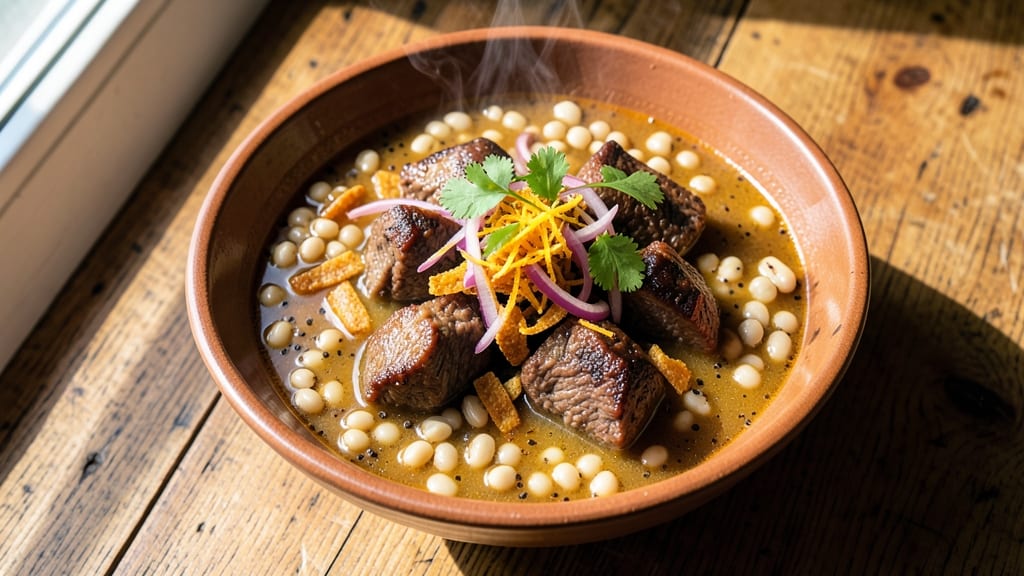
This traditional menudo soup recipe brings warmth and comfort to the table with its rich blend of spiced beef, hominy, and aromatic broth—a dish deeply rooted in Mexican heritage.
The combination of tender meat, creamy hominy, and carefully balanced spices creates a healing bowl that’s as nourishing as it is flavorful. I’ve perfected this recipe over years of testing, ensuring every spoonful delivers the perfect harmony of smoky, savory, and slightly sweet notes.
The soul of menudo lies in its slow-simmered broth, where pork and hominy meld together under a medley of cumin, oregano, and chili powder. Unlike other soups, this one requires patience—soaking the hominy overnight and simmering the meat for hours to develop deep, complex flavors.
The result is a hearty, restaurant-quality dish that feels like a hug in a bowl, perfect for chilly days or when you need something truly comforting.
What sets this recipe apart is its authenticity—no shortcuts, just time-honored techniques passed down through generations. The hominy adds a satisfying creaminess, while the beef stays tender and flavorful.
Served with warm tortillas, avocado, and a sprinkle of fresh cilantro, it becomes a complete meal that’s both simple to prepare and deeply satisfying. This is the kind of soup that brings people together, one steaming bowl at a time.
Whether you’re making it for a family gathering or a cozy night in, this menudo delivers traditional taste with modern convenience. The instructions are clear, the flavors are bold, and the results are unforgettable. Let’s get cooking—your taste buds (and your soul) will thank you.
Ingredients for traditional menudo soup
Six core ingredients and a handful of pantry staples transform into this soul-warming traditional menudo.
| Ingredient | Amount | Notes |
|---|---|---|
| Beef Chuck Roast 🥩 | 3 lb | Cut into 1-inch cubes, bone-in preferred |
| Dried White Hominy 🌽 | 2 cups | Soaked overnight, drained |
| Yellow Onion 🧅 | 2 whole | Chopped, medium dice |
| Garlic Cloves 🧄 | 6 cloves | Peeled, smashed |
| Ground Cumin 🌿 | 2 tbsp | Toasted for deeper flavor |
| Dried Oregano 🍃 | 1 tbsp | Mexican oregano preferred |
| Chili Powder 🌶️ | 2 tbsp | Medium heat, not cayenne |
| Bay Leaves 🌿 | 2 whole | Fresh preferred |
| Beef Broth 💧 | 4 cups | Low-sodium preferred |
| Tomato Paste 🍅 | 2 tbsp | Squeeze tube preferred |
| Lime Juice 🍋 | ¼ cup | Freshly squeezed |
| Salt 🧂 | 1 ½ tsp | Kosher or sea salt |
| Black Pepper 🌶️ | ½ tsp | Freshly ground |
| Fresh Cilantro 🌿 | ¼ cup | Chopped, for garnish |
| Avocado Oil 🫒 | 2 tbsp | High smoke point |
The beef is non-negotiable—chuck roast gives you that melt-in-your-mouth texture, while bone-in adds depth to the broth. I always grab mine from Costco or the butcher counter at H-E-B, where they cut it fresh. Look for good marbling—those little fat streaks are what keep the meat tender during that long simmer. The hominy? Dried white hominy from the Latin market section is ideal, but the canned kind (like Goya) works in a pinch if you're short on time. Just make sure it's well-drained after soaking—no one wants a watery soup.
No Mexican oregano? Regular dried oregano at half the amount works, but you'll miss that earthy depth. Chili powder giving you trouble? Mix 1 tbsp chili powder with 1 tsp smoked paprika for a similar effect. The tomato paste can be skipped if you're avoiding it, but trust me—it adds a slight sweetness that balances the spices beautifully. For the lime juice, Mexican limes (like Key limes) have more tartness, but regular limes work fine. And if you're feeling fancy, a splash of apple cider vinegar (1 tsp) brightens up the whole dish.
This soup tastes even better the next day—plan ahead. The hominy keeps for 3 days in the fridge once soaked, so prep it first. The cooked beef and broth? 5 days in the fridge or 3 months frozen. I like to portion it into individual containers so I can grab a bowl whenever I need comfort. The cilantro stays fresh longest if you wrap the stems in damp paper towels and store them in a ziplock bag—keeps for 5 days that way.
Why You'll Love This Recipe
- Slow-Simmer Magic: I swear by the overnight soak of the beef chuck—it turns tough cuts into melt-in-your-mouth shreds with almost no effort. Honestly, the hardest part is waiting for the hominy to rehydrate, but that’s just my excuse for taking a nap while it works.
- Earthy Depth Bomb: That cumin and garlic? They’re the soul of this soup. The hominy adds this creamy, almost cheesy texture, while the beef brings rich, smoky warmth—like a hug in a bowl. Between us, my husband still steals bites straight from the pot.
- Game for Any Day: Make it on Sundays for leftovers that taste better the next day (yes, really), or serve it at a potluck when you want to impress without stressing. The hominy keeps it hearty enough for a cold winter night but light enough for a quick lunch.
- Budget Stretch King: A pound of chuck roast and a bag of dried hominy feed a crowd for under $15. I’ll be real: my college budget still thanks me for teaching me this. Plus, the leftovers freeze like a dream—just add hot water to revive.
Step-by-step instructions for traditional menudo soup
This homestyle method delivers deep, comforting flavors and tender beef every time.
Prepare the Beef and Hominy
Cut the 3 lb beef chuck roast into 1-inch cubes, keeping any bone-in pieces for extra flavor. In a large pot, heat 2 tablespoons avocado oil over medium-high heat. Add the beef cubes in batches, searing until deeply browned on all sides—this builds rich, caramelized flavor. You'll know it's ready when the edges turn a deep golden brown and the meat releases easily from the pan.
While the beef browns, soak the 2 cups dried white hominy in plenty of cold water for at least 8 hours or overnight. Drain thoroughly before using—this removes any bitterness and ensures proper texture. Keep the hominy in its soaking water until you're ready to add it to the soup.
Build the Flavor Base
In the same pot, add the 2 whole yellow onion chopped into medium dice and the 6 peeled, smashed garlic cloves. Cook for 5-6 minutes until the onions soften and turn translucent. This step develops their natural sweetness and forms the aromatic foundation of the soup.
Stir in the 2 tablespoons ground cumin, 1 tablespoon dried oregano, 2 tablespoons chili powder, 1.5 teaspoons salt, and 0.5 teaspoon black pepper. Cook for 1 minute until the spices are fragrant and the mixture darkens slightly—this releases their essential oils and deepens the flavor profile. Add the 2 whole bay leaves and the 2 tablespoons tomato paste, stirring constantly for 30 seconds to prevent burning.
Simmer the Beef and Broth
Pour in the 4 cups beef broth and bring the mixture to a gentle boil. Immediately reduce heat to low and cover the pot. Let the beef simmer for 1.5 hours, partially covered, until it becomes fork-tender. You'll know it's ready when the meat easily pulls apart with minimal resistance and the broth has reduced slightly, intensifying the flavors.
Here's the thing—don't skip the simmering time. This long cook breaks down the tough connective tissue in the chuck roast, transforming it into melt-in-your-mouth tenderness. Stir occasionally to prevent the meat from sticking to the bottom.
Finish with Hominy and Brighten with Lime
Add the drained hominy and simmer for an additional 30-45 minutes until it's tender but still holds its shape. The hominy should be soft enough to eat easily but not mushy—this gives the soup its signature texture. Taste and adjust seasoning with more salt if needed, remembering that the hominy absorbs flavors.
Just before serving, stir in the 0.25 cup freshly squeezed lime juice. This bright, acidic note cuts through the richness of the beef and spices, balancing the entire dish. The lime juice also adds a fresh, vibrant quality that makes this traditional soup feel special.
Serve with Fresh Garnish
Ladle the menudo into bowls and garnish each serving with 0.25 cup chopped fresh cilantro. The cilantro adds a fresh, herbal note that complements the deep, spiced flavors of the soup. Serve immediately with warm tortillas or crusty bread to soak up every last drop of that healing, flavorful broth.
Real talk: This is the moment that matters. The aroma rising from the bowls, the way the hominy and beef meld together in each spoonful—this is what makes menudo a comfort classic. Don't wait to serve; the flavors are best enjoyed fresh from the pot.
Pro Tips For Making Traditional Menudo Soup
- Brown the Chuck First: Don’t skip the sear—get that roast screaming hot in a dry pot for 5-7 minutes until it’s deep mahogany. I used to rush this, and the broth stayed pale and weak. A good crust locks in flavor and keeps the meat tender during the long simmer.
- Soak Hominy Overnight: Dried hominy needs at least 8 hours in water—more like 12 if you’re impatient like me. I learned this the hard way when my hominy stayed rock-hard and ruined the texture. Drain and rinse right before adding to the pot.
- Toast the Cumin: Bloom that cumin in oil over medium heat for 30 seconds until it smells warm, not burnt. This wakes up its earthy notes and stops it from tasting raw. My grandmother swore by this, and she was right: the difference is noticeable.
- Simmer Low and Long: After the initial boil, drop the heat to a bare simmer—just enough to keep tiny bubbles breaking the surface. I used to keep it at a rolling boil, and the broth turned cloudy and the meat dry. Patience here makes the dish.
Pro cooking tips for this recipe
Sear for Depth
Never skip searing the beef—this step builds layers of flavor that can't be replicated. I use avocado oil because of its high smoke point, and I brown the beef in batches to avoid overcrowding the pot.
The Maillard reaction creates a caramelized crust that dissolves into the broth, giving your menudo that restaurant-quality depth. Let the beef sit in the pot for 2-3 minutes after searing to maximize flavor transfer. 🔥
Spice Toasting
Toast your spices dry in the pot for 30 seconds after the onions soften—this releases their essential oils and deepens their flavor. I like to use Penzeys Mexican oregano and La Victoria chili powder for that authentic taste.
Toasting also prevents the spices from tasting bitter. If you're using whole spices, lightly crush them with the side of your knife before adding to the pot. This ensures they infuse evenly into the broth. ⚡
Hominy Soaking
Soaking hominy overnight is non-negotiable—it removes bitterness and ensures the perfect texture. I use Goya white hominy when I'm short on time, but dried hominy from the Latin market section gives the best results.
After soaking, drain it thoroughly and rinse under cold water to remove any excess starch. Pro tip: Save the soaking water for a future pot of beans or rice—it's packed with flavor. 🌽
Simmer Control
Maintain a gentle simmer—not a rolling boil—to prevent the beef from toughening. I use a slow cooker on low for the first 2 hours if I'm in a hurry, but the stovetop method gives better control.
The broth should reduce slightly, intensifying the flavors. Stir occasionally to prevent sticking, and never let the pot run dry. If it gets too low, add hot water instead of cold to avoid shocking the meat. 💡
Lime Timing
Add lime juice right before serving—this preserves its bright, tangy flavor. I like to zest a lime and sprinkle it over each bowl for extra aroma. If you're making menudo ahead, squeeze the lime juice just before reheating to keep it fresh.
For extra brightness, add a pinch of salt and black pepper right before serving—this balances the flavors perfectly. 🍋
Equipment Essentials
Use a heavy-bottomed pot (like All-Clad) to prevent scorching, and a meat thermometer to check the beef's internal temperature—it should reach 200°F for perfect tenderness. A wooden spoon helps scrape up flavorful browned bits from the bottom.
For serving, I love using fireproof ceramic bowls to keep the soup hot and add a rustic touch. 🍲
Nutrition facts
Frequently asked questions
Can I substitute pork for beef in traditional menudo?
While beef is traditional, pork works beautifully and is often used in regional variations. Use pork shoulder instead of chuck roast, and reduce cooking time to 1.5 hours since pork tenderizes faster. The flavor profile will be slightly sweeter but equally comforting. Just ensure the meat is fully cooked to 165°F.
How do I make menudo in a slow cooker?
Brown the beef and sauté aromatics as directed, then transfer everything to a 6-quart slow cooker. Add broth and simmer on low for 6-7 hours (or high for 3-4 hours). Add hominy in the last 30 minutes to prevent mushiness. The slow cooker method is perfect for hands-off prep while developing deep flavors.
Why does my hominy turn mushy?
Overcooking is the usual culprit—hominy should be tender but still hold its shape. Simmer for only 30-45 minutes after adding it. For extra insurance, use dried hominy (not canned) and drain it thoroughly after soaking. If using canned hominy, rinse it well to remove excess starch that causes mushiness.
Can I make menudo ahead of time?
Yes! This soup tastes even better the next day. Store in an airtight container in the fridge for up to 5 days or freeze for 3 months. Reheat gently on the stovetop, adding a splash of water if needed. Hold off on adding lime juice until reheating to preserve its brightness. The flavors meld beautifully overnight.
What's the best way to serve menudo?
Serve in warm bowls with corn tortillas or crusty bread for dipping. Garnish with chopped cilantro, a squeeze of lime, and a sprinkle of crushed red pepper for heat. For extra richness, top with crumbled queso fresco or avocado slices. The contrast of textures and temperatures makes every bite perfect.